Space Solar Race: New Tech Fuels $2T Market
The space‑solar market could be worth $2 trillion by 2040, with crystalline‑silicon and perovskite panels now challenging traditional III‑V cells and opening new opportunities for Israeli manufacturers.
Articles tagged

The space‑solar market could be worth $2 trillion by 2040, with crystalline‑silicon and perovskite panels now challenging traditional III‑V cells and opening new opportunities for Israeli manufacturers.

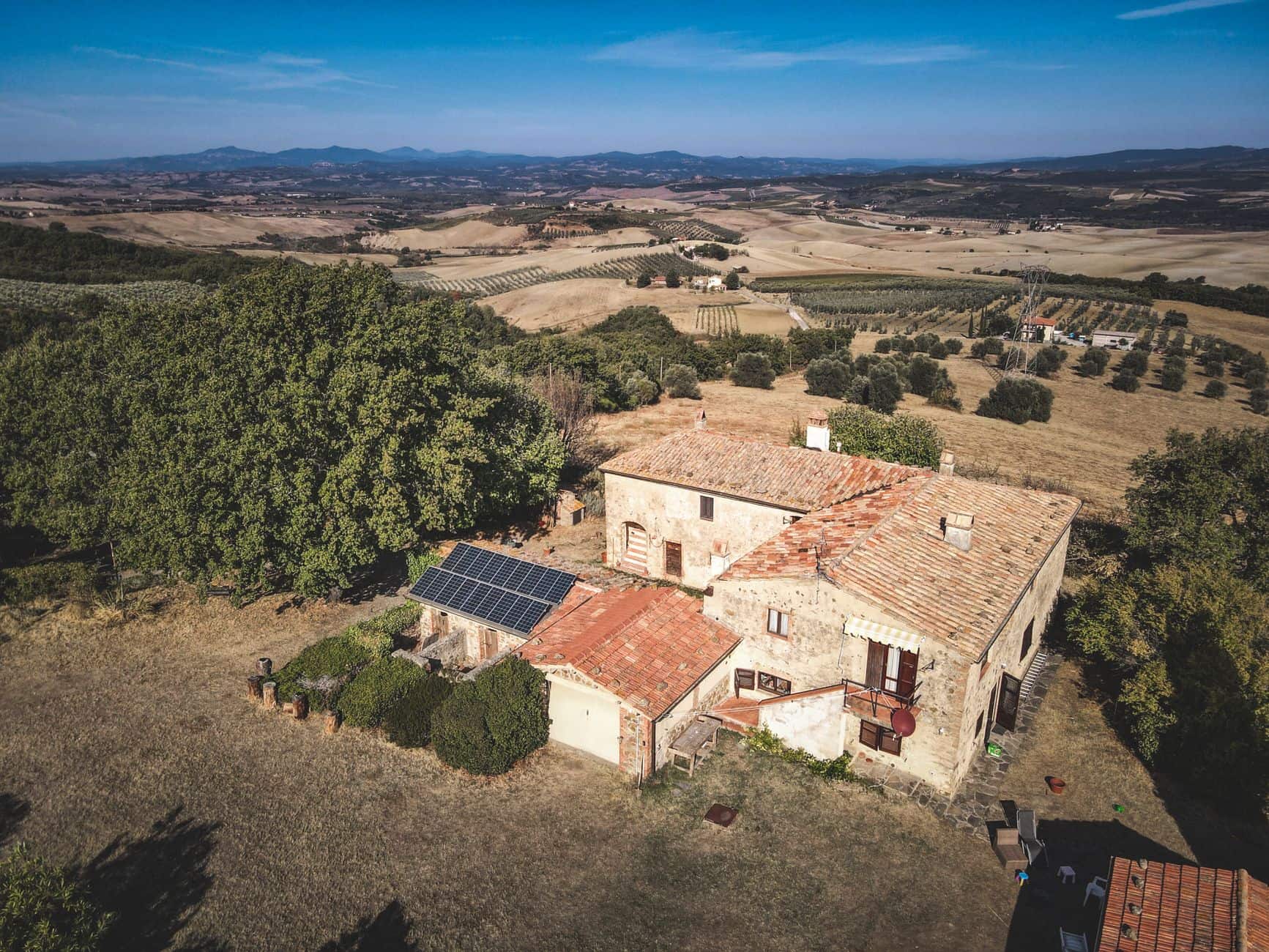
An Israeli defense contractor is now offering high‑tech security and monitoring solutions for solar farms across Tuscany, marking a crossover from spy‑base technology to renewable energy.

U.S. Section 232 tariffs are expected to modestly raise solar module prices, adding a small extra cost to Israeli rooftop systems and slightly extending payback times.

Tongwei has received antitrust clearance to acquire Qinghai Lihao, a fast‑growing polysilicon producer, paving the way for expanded low‑carbon silicon capacity that could help lower solar‑module prices worldwide.

Hybrid solar‑diesel projects in Madagascar are reducing diesel fuel use, lowering electricity costs and improving reliability, offering a model for Africa.

The United States installed 19.2 GW of solar PV in the first half of 2026, driven mainly by a 61 % surge in utility‑scale projects, while residential solar slipped and permitting bottlenecks loom.

Romania will allocate €650 million to fully fund solar‑plus‑storage projects on public buildings, with up to €10 million per beneficiary and a deadline of 2029.

Sungrow will source Samsung SDI LFP battery cells for its U.S. energy‑storage systems, a three‑year, multi‑gigawatt‑hour deal aimed at bypassing China‑linked supply‑chain restrictions.

Ukraine’s generation capacity was heavily damaged, yet solar and storage are growing fast, offering a market for resilient “peace energy”. In Israel, a 10 kWp rooftop system can pay back in under four years, highlighting the financial appeal of decentralized solar.

Ofgem found that the UK’s grid‑connection reform missed deadlines, gave developers inaccurate offers, and suffered digital portal glitches, though NESO performed well on most other objectives.

Italy installed about 2.6 GW of new solar capacity in the first half of 2026, bringing total PV capacity to 46.8 GW and highlighting a strong shift toward large‑scale projects.

Latvia has raised its residential solar grant to cover up to 85 % of eligible costs and increased the minimum battery size to 10 kWh, making 2026 the country’s record year for solar installations.

Tunisia approved 455 MW of solar PV in its sixth licensing round, far exceeding the 200 MW originally sought and offering tariffs of TND 0.142‑0.217 per kWh to private developers.

The Comoros switched on three solar farms totalling 20 MW, delivering 33.75 GWh annually and cutting diesel reliance, with financing from the Abu Dhabi Fund for Development.

Australia’s utility‑scale solar set a new August record of 1.56 TWh and cut curtailment by about 40 % compared with a year earlier.

Canadian Solar’s new Indiana factory will scale to 6.3 GW of heterojunction cells, bringing U.S.‑based high‑efficiency solar production to the forefront.

Angelica Almi, Kataclima’s Head of Legal, explains how legal expertise fuels solar projects and offers practical advice for women entering the renewable‑energy field.

OCI Energy and Israel’s Arava Power broke ground on a 347‑MW solar farm in West Texas, a project that will generate a large amount of clean power and help Texas advance its renewable‑energy goals.

Developers now spend more time on transmission, interconnection and equipment procurement than on choosing solar panels, turning grid infrastructure into the biggest soft‑cost hurdle for new solar projects.

Chinese inverter makers posted mixed H1 2026 results, but storage now accounts for half of total sales, reshaping the global solar market.

Chinese inverter makers say U.S. restrictions will shrink their American sales, but existing certified units can still be delivered.

Portugal’s solar output hit a new August record of 3.85 GW, with renewables covering 52 % of electricity demand and imports peaking over 5.2 GW.

An autonomous drone equipped with thermal and multispectral cameras, powered by an EfficientNet‑B0 AI model, can detect PV panel faults with over 90% precision, offering Israeli homeowners a fast way to protect solar output.

The European Commission has cleared Germany’s new capacity mechanism, unlocking up to €35.2 billion for gas, storage and demand‑response projects that must be climate‑neutral by 2045.

Simplifying Israel’s electricity market regulations could cut rooftop solar prices, shortening payback periods to under four years and accelerating the nation’s renewable‑energy targets.

South Korean researchers proved that a compact solar‑thermal storage tank paired with a dual‑source heat pump can heat a greenhouse at an average COP of 4.1, delivering 55 % storage efficiency and offering a pathway to lower heating costs.

India’s solar module capacity has swelled to 233 GW, but factories are only operating at 35‑40 % utilization, sparking concerns over stranded assets and the need for upstream integration.

Waaree Energy is expanding its Arizona factory from 1 GW to 1.6 GW, bringing its total U.S. module capacity to 4.8 GW and supporting a stable global supply chain.

The global solar O&M market grew to 348 GW in 2025, with the 15 biggest providers now managing 57 % of capacity as consolidation speeds up.

JA Solar’s Journey Ahead roadshow showcases high‑efficiency TOPCon modules and utility‑scale batteries, highlighting integrated solar‑storage solutions that boost grid resilience across Europe and offer a model for Israel’s renewable push.

ClearVue has become the first BIPV maker to apply a low‑emissivity coating on the interior side of its solar glass, enabling commercial‑grade performance without redesigning façades.

Canada’s solar market is heating up with new rebates, large procurements and net‑billing reforms, even as US tariffs create uncertainty, and Israel’s fast payback illustrates the impact of strong incentives.

Co‑located solar‑plus‑storage projects secured a record $25 bn in the first half of 2026, nearly double the previous half‑year and three times the amount seen a year earlier.

Israel experienced a record‑high surge in rooftop solar in 2023, led by Tel Aviv and followed by Haifa.

China’s solar‑panel makers are still stuck with massive oversupply, posting a ‑11 % profit margin in 2024 and slowing consolidation, while Israel’s typical rooftop system costs about ₪31,500 and pays back in under four years.

מחירי מודולי TOPCon בסין עלו 2.86 % ל‑$0.108/ווט השבוע, בעקבות מכסות סעיף 232 של ארה״ב וקפיצה חדה במחירי תאים.
Send us a message — a demo, a question about the system, a partnership or anything else. We'll get back to you.