Technology
Low‑E Coated Solar Glass Breaks Barriers
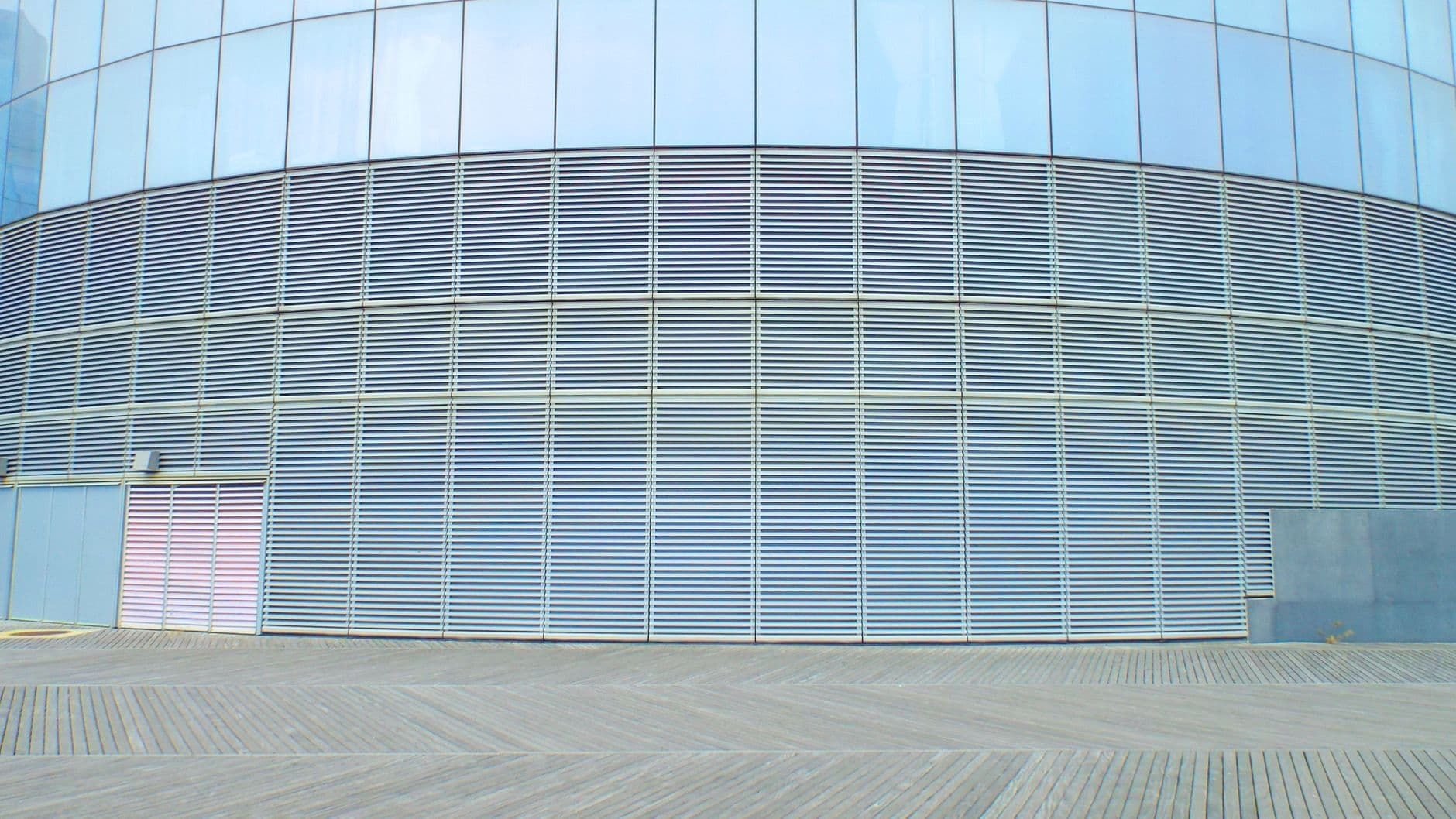
ClearVue’s breakthrough lets solar glass wear a Low‑E coat like ordinary windows
ClearVue Technologies has become the first BIPV supplier to apply a soft low‑emissivity (Low‑E) metallic coating on the room‑facing side (surface 4) of its Gen 3 Vision Glass after the photovoltaic (PV) cells are already laminated. The magnetron sputter‑coating process works on the same production line used for conventional float glass, meaning architects can now specify energy‑generating glazing without redesigning façade systems. As ClearVue CEO Doug Hunt put it, “It removes a practical barrier for the industry – energy‑generating glass can be considered alongside conventional façade products.” The claim is corroborated by the company’s own announcement and by independent coverage that notes ClearVue is the only BIPV maker offering this capability on a double‑glazed unit, whereas rivals typically coat a third‑glass surface, sacrificing thermal performance.
Magnetron sputtering makes the Low‑E layer possible on finished solar glass
The coating is deposited by magnetron sputtering, a physical‑vapor‑deposition (PVD) technique that fires ions at a target metal (e.g., silver or titanium) to release atoms that settle on the glass surface as a thin, uniform film. This method is already the industry standard for high‑performance Low‑E windows because it delivers precise multilayer stacks that control solar heat gain while preserving visible light transmission. Continuous‑inline sputter lines can coat glass panels at full production speed, so ClearVue’s process can be slotted into existing float‑glass lines without slowing throughput.
The glass still produces power: >50 W per m² with 80 % light transmission
ClearVue reports that each square metre of its Gen 3 Vision Glass delivers more than 50 W of electrical power under standard test conditions while letting up to 80 % of visible light pass through. In practical terms, a 20 m² panel (roughly the size of a small office façade) would generate ≈1 kW peak. Using Israel’s typical central‑region yield of 1 700 kWh per kWp per year, that translates to ≈85 kWh per m² per year (0.05 kW × 1 700 kWh/kW ≈ 85 kWh). The high visible‑light transmittance keeps interior lighting levels comfortable, while the Low‑E layer cuts solar heat gain, reducing cooling loads.
Why the coating matters for commercial building projects worldwide
Commercial façades are already specified for Low‑E performance to meet energy‑code requirements. Until now, adding PV meant a separate triple‑glazed unit or an entirely new product line, increasing design complexity and cost. By coating the inner pane of a standard double‑glazed unit, ClearVue lets developers keep the familiar U‑value, SHGC, and visual aesthetics while harvesting electricity on‑site. This alignment with existing procurement and construction workflows is expected to accelerate BIPV adoption in office towers, shopping centres, and hospitals, especially in markets where façade performance is tightly regulated.
What it means for Israel’s rooftop and BIPV market
For an Israeli building in the central region, a typical 10 kWp ClearVue façade (≈200 m² of glass) would generate ≈17 000 kWh per year (10 kWp × 1 700 kWh/kWp). At the residential feed‑in tariff of ₪0.48 /kWh, that electricity is worth ≈₪8 160 annually. Using the country’s average residential installation cost of ₪3 150 per kWp, the upfront investment would be ≈₪31 500. Simple payback = 31 500 ÷ 8 160 ≈ 3.9 years, after which the system continues to produce clean power for the remainder of its 25‑year lifetime. Compared with a conventional rooftop PV system, the ClearVue façade also reduces cooling demand thanks to the Low‑E coating, further lowering operating costs – a double‑win that aligns with Israel’s 30 % renewable electricity target for 2030.
Industry context: BIPV is moving from niche to mainstream
ClearVue’s achievement follows a series of milestones for the company, including new international certifications for its Gen 3 glass and the addition of its ClearVue‑Helios rooftop panel to the Clean Energy Council’s approved‑product list. Globally, BIPV is gaining traction as building codes tighten and on‑site generation becomes more attractive. The ability to apply Low‑E coatings without a separate manufacturing step removes a key cost and supply‑chain hurdle, positioning ClearVue to capture a larger share of the commercial‑façade market.
What you can do next – Use our solar ROI calculator to model a ClearVue façade on your own building, or explore the latest Israeli market data on BIPV installations.
Sources & further reading
- ClearVue Technologies Achieves Industry-First Surface 4 Low-E Coating on Gen 3 Vision Glass, Validated by AGC Interpane in Germany
- How Magnetron Sputtering Is Used in Low-E Glass Production – SIMVACO
- What is sputter coated glass: a technical guide – Precision Glasses
- New Developments for Highly Flexible In-line Sputter...
FAQ
What is Low‑E coating and why does it matter for solar glass?
Low‑E (low‑emissivity) coating reflects infrared heat while letting visible light pass, cutting cooling loads. Adding it to solar glass means the façade can both generate electricity and reduce the building’s energy use.
How much power does ClearVue’s Gen 3 glass produce?
Each square metre generates more than 50 W of peak power, which works out to about 85 kWh per year per m² in Israel’s central region.
Can existing glass factories use this technology?
Yes. The coating is applied by magnetron sputtering on the same line used for conventional float glass, so no new equipment or redesign is needed.
Is the technology ready for real buildings?
ClearVue validated the process at AGC Interpane’s German plant and has already secured international certifications for its Gen 3 glass, indicating commercial readiness.
How does this affect the cost of a solar façade in Israel?
Using typical Israeli install costs (₪3 150/kWp) and the residential tariff (₪0.48/kWh), a 10 kWp ClearVue façade would pay back in roughly 4 years and then generate clean power for the rest of its 25‑year life.
Share this post
More from Technology
6
Floating Solar Tracker Boosts Yield by 20%
Noria Energy’s Airon floating‑solar tracker promises up to 20 % more electricity than fixed‑tilt FPV systems at similar cost, with commercial shipments slated for mid‑2027.
Israel’s Food Giant Goes 100% Green Power
Osem Nestlé has become the first Israeli food‑industry company to run entirely on renewable electricity, showcasing how solar power and green contracts can cut costs and emissions.

Silicon Solar Panels Slash Space Power Costs
Source Energy’s silicon solar modules can be built for under $5 per watt, slashing space‑power costs and opening new opportunities for Israeli satellite firms.
Array Tech Triples US Tracker Capacity
Array Technologies opened a $50 million Albuquerque factory that triples its U.S. solar‑tracker capacity, creates 300 jobs and could help lower tracker prices for Israeli rooftop installations.

Inclusion Fuels Solar Growth in Europe
Hanna König says inclusive, safe‑to‑disagree workplaces are essential to close the solar sector’s talent gap and accelerate the energy transition.
Super El Niño Slashes South Solar, Boosts North
Super El Niño 2026 created a pronounced north‑south solar split in South America, with sunnier conditions in the north and reduced irradiance in the south, while rare Atacama snowstorms threatened desert PV output.