Technology
Floating Solar Tracker Boosts Yield by 20%
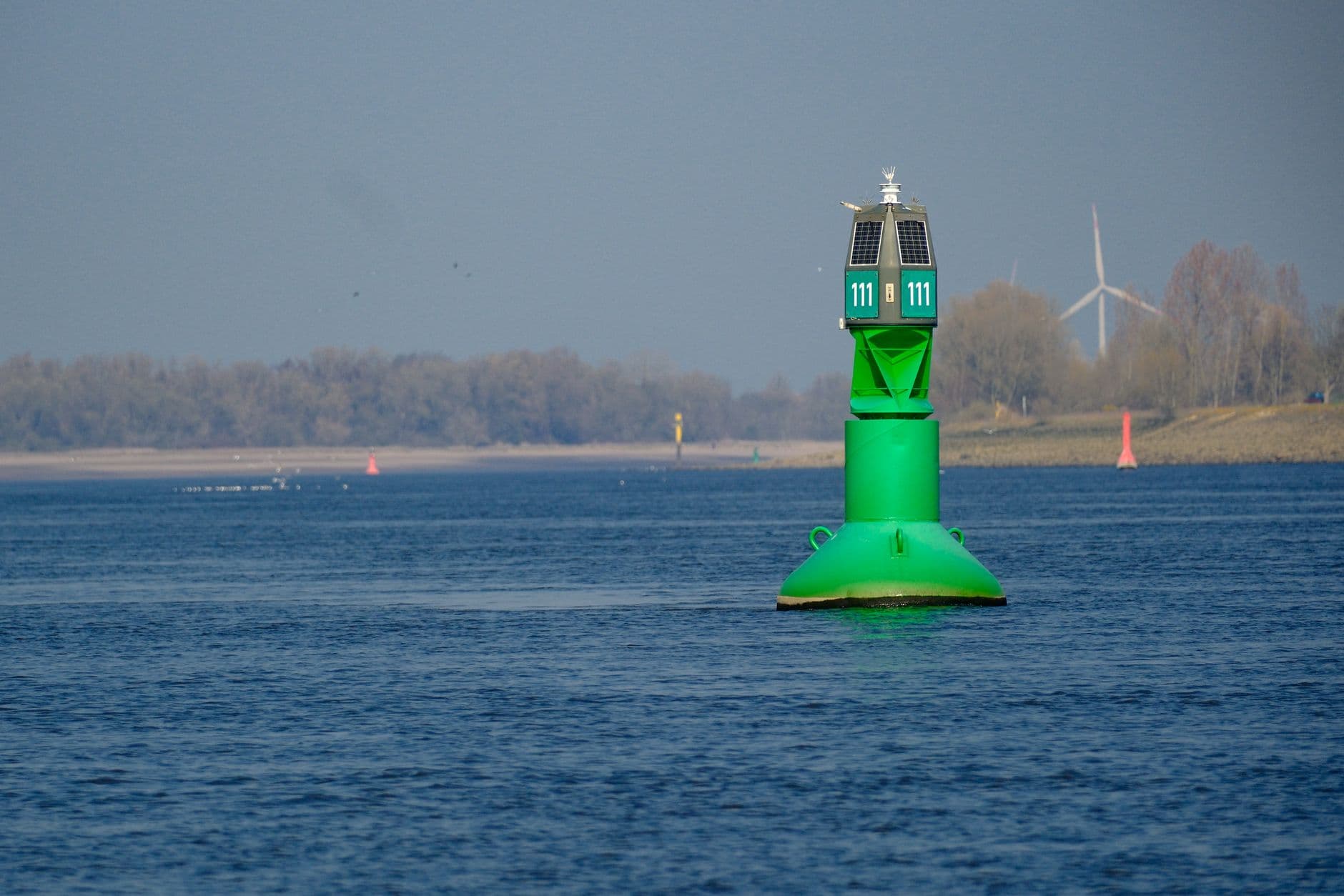
What is Noria Energy’s Airon tracker?
Noria Energy’s Airon is a single‑axis tracker built specifically for floating photovoltaic (FPV) farms, and it promises up to 20 % more electricity than traditional fixed‑tilt floating arrays while keeping the installed‑cost roughly the same. The system was unveiled by the California‑based developer and is slated for commercial shipments from mid‑2027 PV Magazine.
How does the 20 % boost work?
Airon adds a horizontal single‑axis mechanism that follows the sun’s path, increasing the daily irradiance on each panel without expanding the plant’s nameplate capacity. In practice, a 1 MW (1 000 kWp) floating array that would normally generate about 1.7 GWh per year in central Israel (≈ 1 700 kWh/kWp) could produce ≈ 2.04 GWh – an extra 340 MWh – thanks to the tracker’s 20 % yield lift. At the typical residential tariff of ₪0.48/kWh, that translates to roughly ₪163,200 more revenue each year.
Why single‑axis tracking matters on water
Floating solar has traditionally used fixed‑tilt platforms because moving parts are harder to protect from waves and wind. Airon overcomes this with a low‑profile design, passive stabilizers, and an automatic wind‑stow system that locks the tracker when gusts exceed 35 mph. The hardware includes a 24 V brushed DC motor, a slewing drive, and modular torque tubes that attach to perimeter floats, allowing ground‑coverage ratios from 30 % to 66 % and tracking angles of 20° (expandable to 30°). This architecture lets developers squeeze more kilowatts out of limited reservoir surfaces, a crucial advantage where land is scarce or interconnection limits apply.
Who is backing the launch?
Strategic investors Sunrock Distributed Generation and floating‑structure maker AccuSolar have joined Noria as partners. AccuSolar will manufacture the tracker domestically, helping developers qualify for U.S. content bonuses under federal clean‑energy tax incentives, while Sunrock will co‑develop and finance early projects. Noria’s first pilot is planned for late 2026, following a 50 kW test installation at Colorado’s Fairmount Reservoir in 2025.
What it means for Israel
Israel’s solar market faces tight land constraints and a push to hit a 30 % renewable electricity target by 2030. Deploying Airon‑type trackers on existing reservoirs could add significant capacity without new land use. Using the typical central‑Israel yield (1 700 kWh/kWp) and the residential tariff (₪0.48/kWh), a 10 kWp rooftop system earns about ₪8,160 / year and pays back in ≈ 3.9 years. If the same 10 kWp were floated with Airon, the 20 % boost would increase annual production and revenue proportionally, further improving the payback period. Developers can therefore achieve higher energy density and faster returns, supporting Israel’s renewable‑energy goals while preserving valuable land.
Outlook and next steps
Airon’s mid‑2027 commercial rollout comes as the floating‑solar market continues to expand globally, according to IRENA IRENA. If the 20 % yield advantage holds in real‑world conditions, floating farms could become a preferred solution for water‑rich regions such as municipal reservoirs. The technology’s maturation is expected to enable tighter integration with grid‑scale storage and hybrid water‑energy projects, further unlocking the potential of Israel’s water bodies.
Key takeaways: Airon delivers a 20 % yield boost on water at parity cost, uses a robust low‑profile single‑axis design, and is backed by Sunrock and AccuSolar for financing and domestic manufacturing. Its deployment could accelerate Israel’s renewable‑energy targets by adding high‑density solar capacity on existing reservoirs.
FAQ
What is the Airon tracker?
Airon is a single‑axis tracking system built for floating solar farms that can increase energy output by up to 20 % compared with fixed‑tilt floating arrays.
When will Airon be available?
Noria plans to start shipping fully certified Airon units to customer sites in mid‑2027, after a pilot launch scheduled for late 2026.
How does the 20 % boost translate to revenue in Israel?
For a 1 MW floating plant, the extra 340 MWh/year would be worth about ₪163,200 at the typical residential tariff of ₪0.48/kWh.
Can existing reservoirs be used for Airon installations?
Yes – the low‑profile design and passive stabilizers let the tracker operate on any suitable water body, making it ideal for reservoirs, lakes, and even irrigation canals.
Does Airon affect the overall cost of a floating solar project?
Noria claims the installed‑cost parity with fixed‑tilt systems, meaning the higher energy yield comes without a higher upfront price tag.
How does this technology help Israel’s renewable targets?
By adding more kilowatts per square metre of water, Airon can increase solar capacity without consuming land, supporting Israel’s goal of 30 % renewable electricity by 2030.
Share this post
More from Technology
6
Israel’s Food Giant Goes 100% Green Power
Osem Nestlé has become the first Israeli food‑industry company to run entirely on renewable electricity, showcasing how solar power and green contracts can cut costs and emissions.
Silicon Solar Panels Slash Space Power Costs
Source Energy’s silicon solar modules can be built for under $5 per watt, slashing space‑power costs and opening new opportunities for Israeli satellite firms.
Array Tech Triples US Tracker Capacity
Array Technologies opened a $50 million Albuquerque factory that triples its U.S. solar‑tracker capacity, creates 300 jobs and could help lower tracker prices for Israeli rooftop installations.

Inclusion Fuels Solar Growth in Europe
Hanna König says inclusive, safe‑to‑disagree workplaces are essential to close the solar sector’s talent gap and accelerate the energy transition.
Super El Niño Slashes South Solar, Boosts North
Super El Niño 2026 created a pronounced north‑south solar split in South America, with sunnier conditions in the north and reduced irradiance in the south, while rare Atacama snowstorms threatened desert PV output.
Space Solar Race: New Tech Fuels $2T Market
The space‑solar market could be worth $2 trillion by 2040, with crystalline‑silicon and perovskite panels now challenging traditional III‑V cells and opening new opportunities for Israeli manufacturers.