Technology
Array Tech Triples US Tracker Capacity

Array Technologies instantly boosts US solar‑tracker output
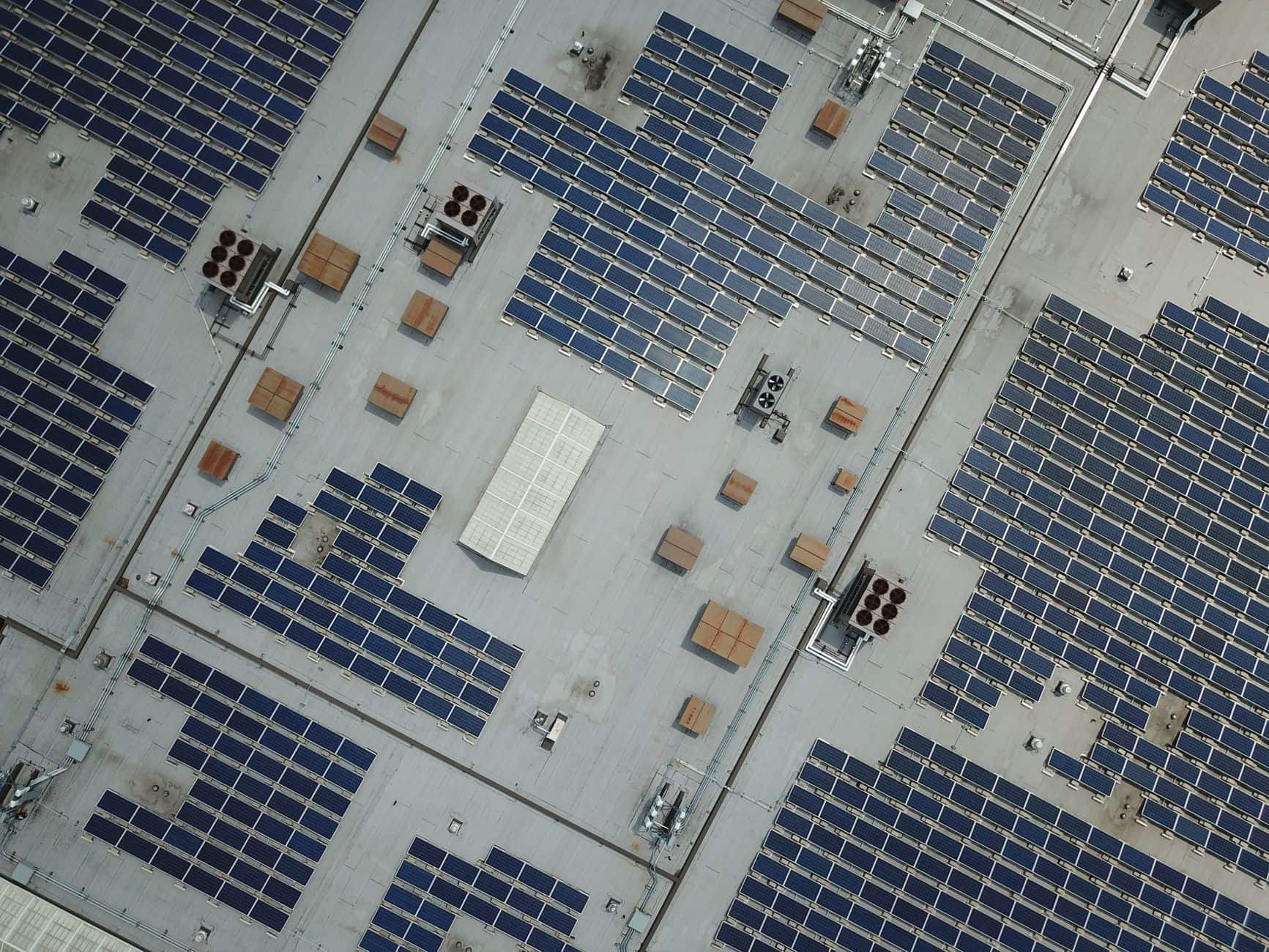
Array Technologies has opened a $50 million, 216,000 sq ft factory in Albuquerque that nearly triples its U.S. manufacturing capacity. The plant will employ about 300 workers and lets the company produce key tracker components in‑house instead of buying them from external suppliers.
Why the new plant matters for the solar market
By bringing stamping, tooling and die work under one roof, Array cuts lead‑times and strengthens its supply chain. The move also qualifies several components for the federal Section 45X Advanced Manufacturing Production Tax Credit, which can reduce the effective cost of the equipment for customers.
Economic ripple effects in New Mexico
The facility was financed through a public‑private partnership that includes $2.5 M from New Mexico’s Local Economic Development Act (LEDA) job‑creation fund, plus $250 k each from the City of Albuquerque and Bernalillo County, and a partial property‑tax abatement via an Industrial Revenue Bond. The $50 M investment for a 216,000 sq ft plant reflects the state’s strong support for clean‑energy jobs.
Record‑breaking orders underline demand
Array reported Q2 earnings of $342.1 M – a 53 % jump from Q1 – and a record $2.5 B in orders booked, reflecting soaring utility‑scale solar builds across the United States. The company also completed its acquisition of Affordable Wire Management, expanding its balance‑of‑system portfolio.
What it means for Israel
Israel imports most of its solar‑tracker hardware from overseas. A larger, U.S.‑based supply chain can increase global production volumes and help bring tracker prices down. If tracker costs were to decline, it could modestly reduce the overall price of a typical 10 kWp residential system in central Israel (installed at the average ₪3,150 /kWp), slightly improving the pay‑back period on the typical 3.9‑year horizon for such a system. Israeli developers and homeowners should watch the U.S. market closely, as cheaper trackers could support the country’s push toward its 30 % renewable‑energy target for 2030.
Looking ahead
Array’s expanded capacity positions it to meet the surge in utility‑scale solar projects spurred by the Inflation Reduction Act and state‑level clean‑energy mandates. As the global tracker market tightens, the ripple‑effect of lower component costs could help Israel achieve faster, more affordable solar deployment, reinforcing the nation’s climate goals and energy independence.
Sources: PV Magazine, Array Technologies press release, New Mexico LEDA program.
FAQ
How many people will work at Array’s new Albuquerque plant?
The facility is expected to employ about 300 workers in roles such as stamping press operators, tooling technicians and process engineers.
What is the size and cost of the new factory?
The plant covers 216,000 sq ft and was built for roughly $50 million, which works out to about $231 per square foot.
What tax credit does the new production qualify for?
Several components made at the Albuquerque site qualify for the federal Section 45X Advanced Manufacturing Production Tax Credit.
How could this affect solar‑tracker prices in Israel?
Higher U.S. production could lower global tracker prices; a 5 % price drop might save Israeli homeowners roughly ₪150 on a typical 10 kWp rooftop system.
What were Array’s Q2 financial results?
Array reported $342.1 M in earnings for Q2, a 53 % increase from Q1, and a record $2.5 B in orders booked.
Share this post
More from Technology
6
Floating Solar Tracker Boosts Yield by 20%
Noria Energy’s Airon floating‑solar tracker promises up to 20 % more electricity than fixed‑tilt FPV systems at similar cost, with commercial shipments slated for mid‑2027.
Israel’s Food Giant Goes 100% Green Power
Osem Nestlé has become the first Israeli food‑industry company to run entirely on renewable electricity, showcasing how solar power and green contracts can cut costs and emissions.

Silicon Solar Panels Slash Space Power Costs
Source Energy’s silicon solar modules can be built for under $5 per watt, slashing space‑power costs and opening new opportunities for Israeli satellite firms.

Inclusion Fuels Solar Growth in Europe
Hanna König says inclusive, safe‑to‑disagree workplaces are essential to close the solar sector’s talent gap and accelerate the energy transition.
Super El Niño Slashes South Solar, Boosts North
Super El Niño 2026 created a pronounced north‑south solar split in South America, with sunnier conditions in the north and reduced irradiance in the south, while rare Atacama snowstorms threatened desert PV output.

Space Solar Race: New Tech Fuels $2T Market
The space‑solar market could be worth $2 trillion by 2040, with crystalline‑silicon and perovskite panels now challenging traditional III‑V cells and opening new opportunities for Israeli manufacturers.