Technology
Israel’s Food Giant Goes 100% Green Power
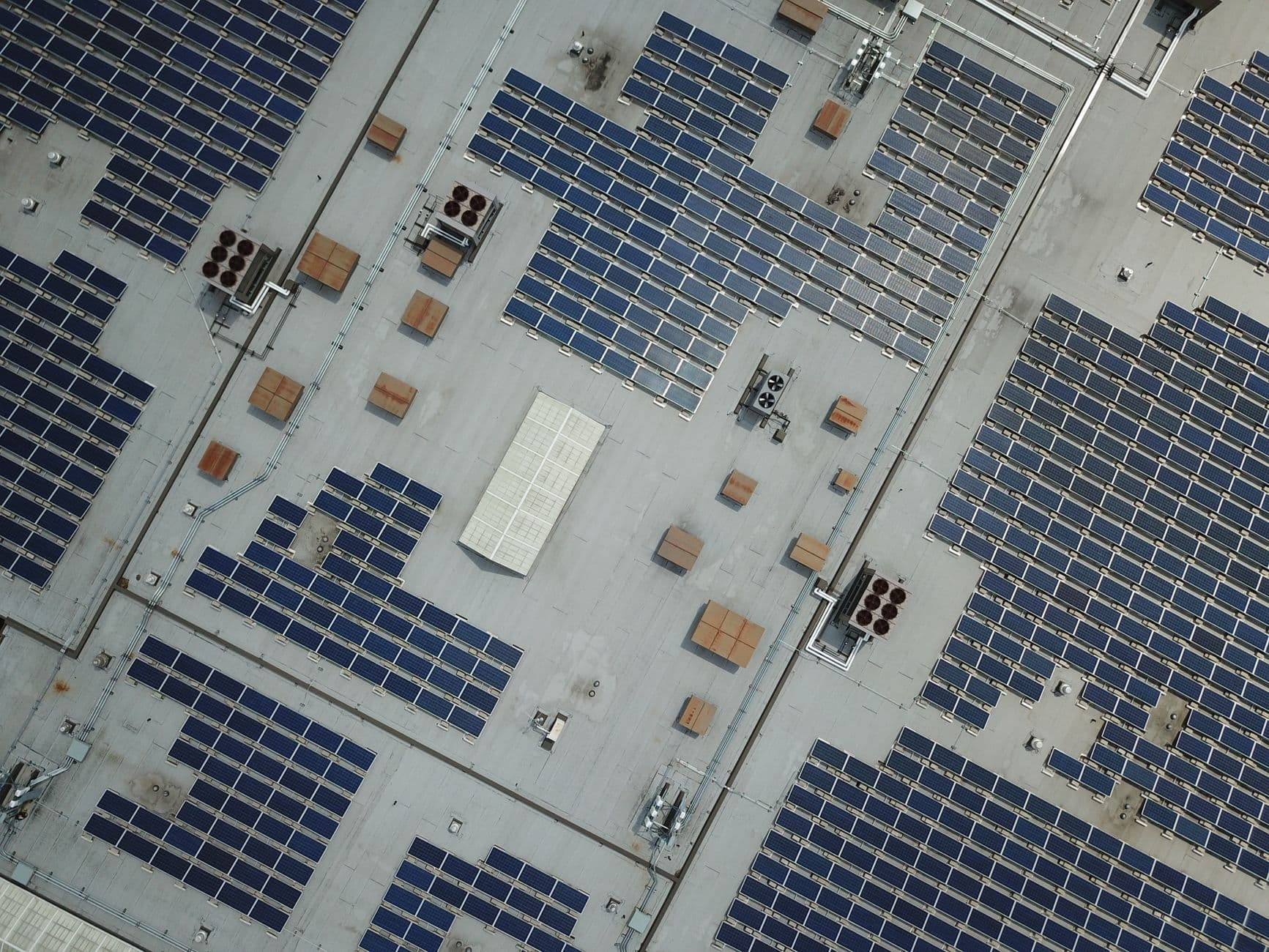
Osem Nestlé becomes Israel’s first food‑industry company to run on 100% renewable electricity
Osem Nestlé announced that all its Israeli manufacturing sites are now powered entirely by green electricity, making it the pioneer in the local food sector. The move follows Nestlé’s global pledge to reach 100% renewable electricity in every plant by 2025, a target it was already 95.3%‑way to meeting at the end of 2024.
How the transition was achieved – buying solar and certificates
Osem Nestlé did not build a single rooftop solar farm for every factory; instead it combined on‑site solar generation where feasible with corporate power‑purchase agreements (PPAs) and renewable‑energy certificates (RECs). This hybrid approach lets the company claim 100% renewable electricity while keeping production uninterrupted. Such strategies are common among multinational food groups seeking to meet Nestlé’s Net‑Zero Roadmap, which outlines a shift to renewable power, energy efficiency and electrification across the supply chain.
Solar power’s rapid growth in Israel and falling panel prices
Israel’s solar market has expanded rapidly in recent years, with utility‑scale PV projects increasing and rooftop installations becoming common for households and businesses. The cost of a typical residential 5 kW system is about ₪15,750 (≈₪3,150/kWp), making the economics attractive even without subsidies.
A 15 kW rooftop system – what the numbers look like for an Israeli home
Using the representative Israeli figures (installation cost ₪3,150/kWp, residential tariff ₪0.48/kWh, central‑region yield 1,700 kWh/kWp / year), a 15 kW rooftop solar array would:
- Generate roughly 25,500 kWh of electricity per year (15 kW × 1,700 kWh/kWp).
- Earn about ₪12,240 annually at the residential feed‑in tariff (25,500 kWh × ₪0.48).
- Require an upfront investment of about ₪47,250 (15 kW × ₪3,150/kWp).
- Pay back in roughly 3.9 years (₪47,250 ÷ ₪12,240), after which the system continues to produce clean power for up to 25 years. This simple calculation shows that a modest rooftop installation can recoup its cost in under four years, well before the system’s lifetime ends.
What it means for Israel’s industry and climate goals
Osem Nestlé’s green‑power milestone sends a clear signal to Israeli manufacturers: renewable electricity is now a viable, cost‑effective option. The country’s Renewable Electricity target of 30 % by 2030 (and 20 % by 2025) will require more firms to follow suit, especially as the Electricity Authority and grid operator NOGA tighten sustainability reporting. Companies that adopt solar PPAs or install rooftop PV can lock in stable energy prices, reduce exposure to volatile fossil‑fuel markets, and contribute to the national CO₂‑avoidance goal of roughly 0.5 kg per kWh generated.
Outlook – scaling the green‑power wave across the Israeli economy
With panel prices continuing to fall and financing options expanding, the next wave of adopters is likely to include mid‑size food processors, beverage bottlers and even agricultural cooperatives. As more firms reach 100 % renewable electricity, the aggregate demand for solar‑generated power will push further investment into utility‑scale solar farms, storage solutions and grid upgrades, accelerating Israel’s transition to a low‑carbon economy.
What it means for Israel
For the average Israeli homeowner, Osem Nestlé’s achievement illustrates that clean energy is no longer a niche project but a mainstream business decision. A typical 10 kW home system in central Israel already yields about 17,000 kWh per year, worth roughly ₪8,160 at the residential tariff, and pays back in under four years. Those same economics apply to commercial rooftops, meaning that factories, warehouses and shopping centres can shave tens of percent off their electricity bills while supporting the country’s climate targets. Interested readers can explore our own solar ROI calculator [/calculator] and browse up‑to‑date market data [/data] for deeper insight.
Sources & further reading
FAQ
Which Israeli food company is the first to use 100% renewable electricity?
Osem Nestlé became the first food‑industry company in Israel to power all its plants with 100 % green electricity.
How does Osem Nestlé achieve 100 % renewable power?
It combines on‑site solar generation, power‑purchase agreements and renewable‑energy certificates to cover all its electricity consumption.
What is the typical payback period for a residential solar system in Israel?
A standard 10 kW home system usually pays back in about 3.9 years, based on typical installation costs and the residential tariff.
Why is solar power becoming cheaper in Israel?
Module prices have fallen over 40 % since 2018, and local incentives plus economies of scale have driven down installation costs.
How does Osem Nestlé’s move help Israel meet its renewable targets?
By showing a large manufacturer can run on green electricity, it encourages other firms to follow, supporting the national goal of 30 % renewable electricity by 2030.
Share this post
More from Technology
6
Floating Solar Tracker Boosts Yield by 20%
Noria Energy’s Airon floating‑solar tracker promises up to 20 % more electricity than fixed‑tilt FPV systems at similar cost, with commercial shipments slated for mid‑2027.

Silicon Solar Panels Slash Space Power Costs
Source Energy’s silicon solar modules can be built for under $5 per watt, slashing space‑power costs and opening new opportunities for Israeli satellite firms.

Array Tech Triples US Tracker Capacity
Array Technologies opened a $50 million Albuquerque factory that triples its U.S. solar‑tracker capacity, creates 300 jobs and could help lower tracker prices for Israeli rooftop installations.

Inclusion Fuels Solar Growth in Europe
Hanna König says inclusive, safe‑to‑disagree workplaces are essential to close the solar sector’s talent gap and accelerate the energy transition.
Super El Niño Slashes South Solar, Boosts North
Super El Niño 2026 created a pronounced north‑south solar split in South America, with sunnier conditions in the north and reduced irradiance in the south, while rare Atacama snowstorms threatened desert PV output.

Space Solar Race: New Tech Fuels $2T Market
The space‑solar market could be worth $2 trillion by 2040, with crystalline‑silicon and perovskite panels now challenging traditional III‑V cells and opening new opportunities for Israeli manufacturers.