SStorage
BESS Gains Speed Edge in Data Centers
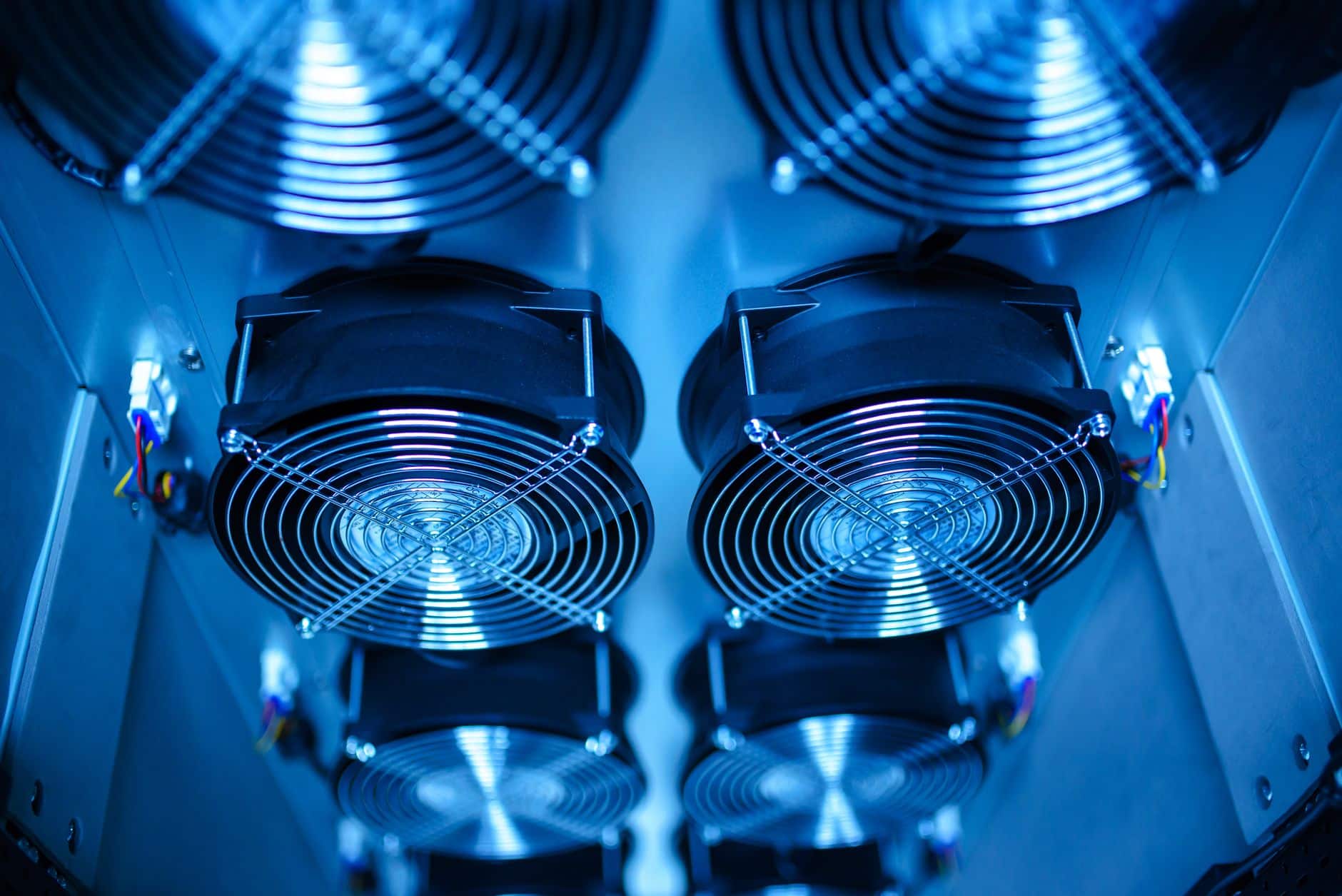
BESS now beats gas generators on speed‑to‑power and cost per MWh for data centers, but still lags on long‑duration backup and continuous prime power.
2 min read
Solar energy storage lets Israel capture excess photovoltaic (PV) power and use it when the sun isn’t shining, cutting electricity bills and boosting grid reliability. This guide explains how storage works, the key technologies and players, costs in NIS, regulations, and what the future holds for rooftop and utility‑scale systems.
BESS now beats gas generators on speed‑to‑power and cost per MWh for data centers, but still lags on long‑duration backup and continuous prime power.
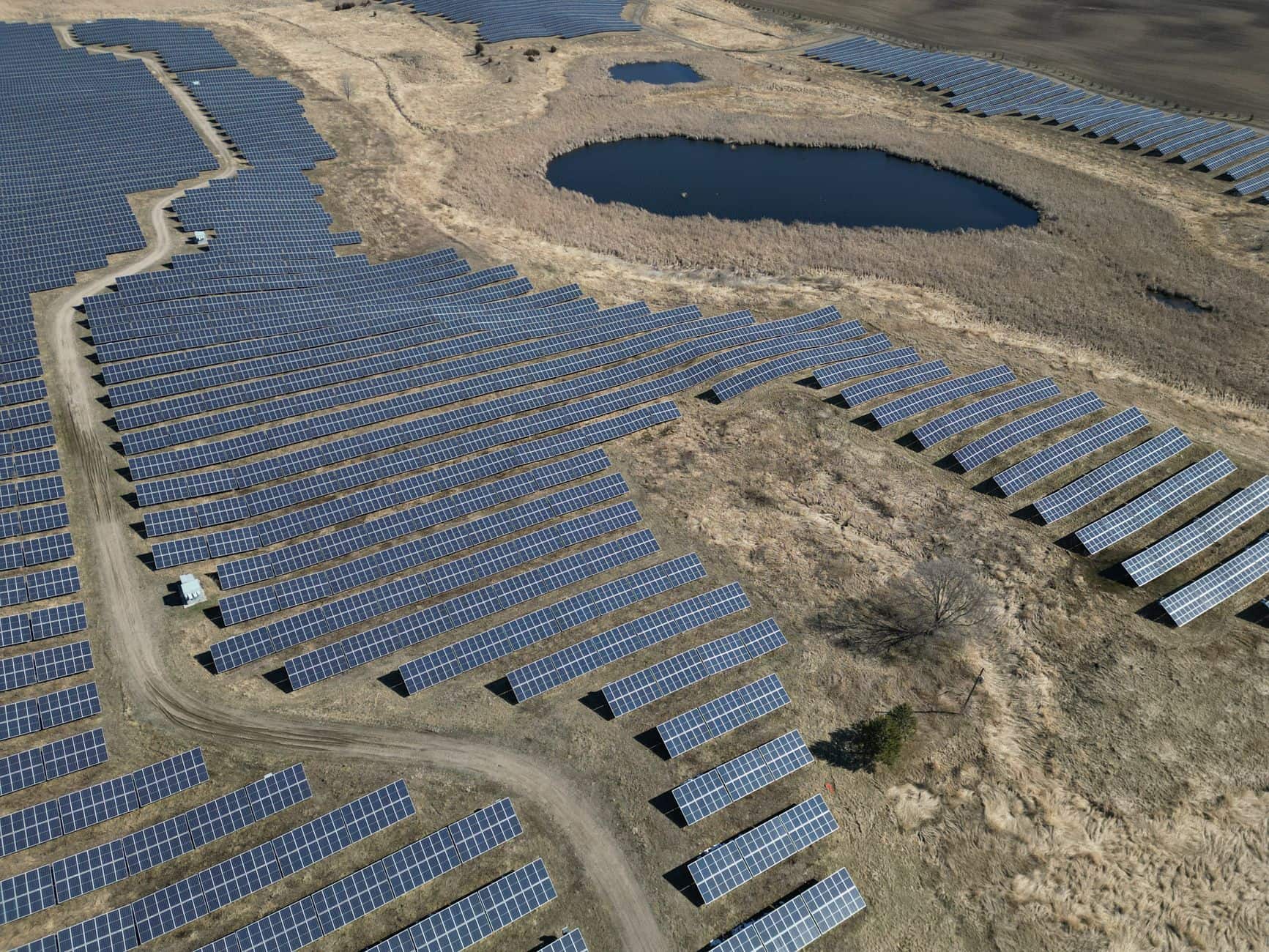
Latvenergo aims to add 600 MW of new wind and solar by 2026 and is already developing over 250 MW of battery storage, a move that highlights how hybrid projects can boost renewable growth and grid stability.
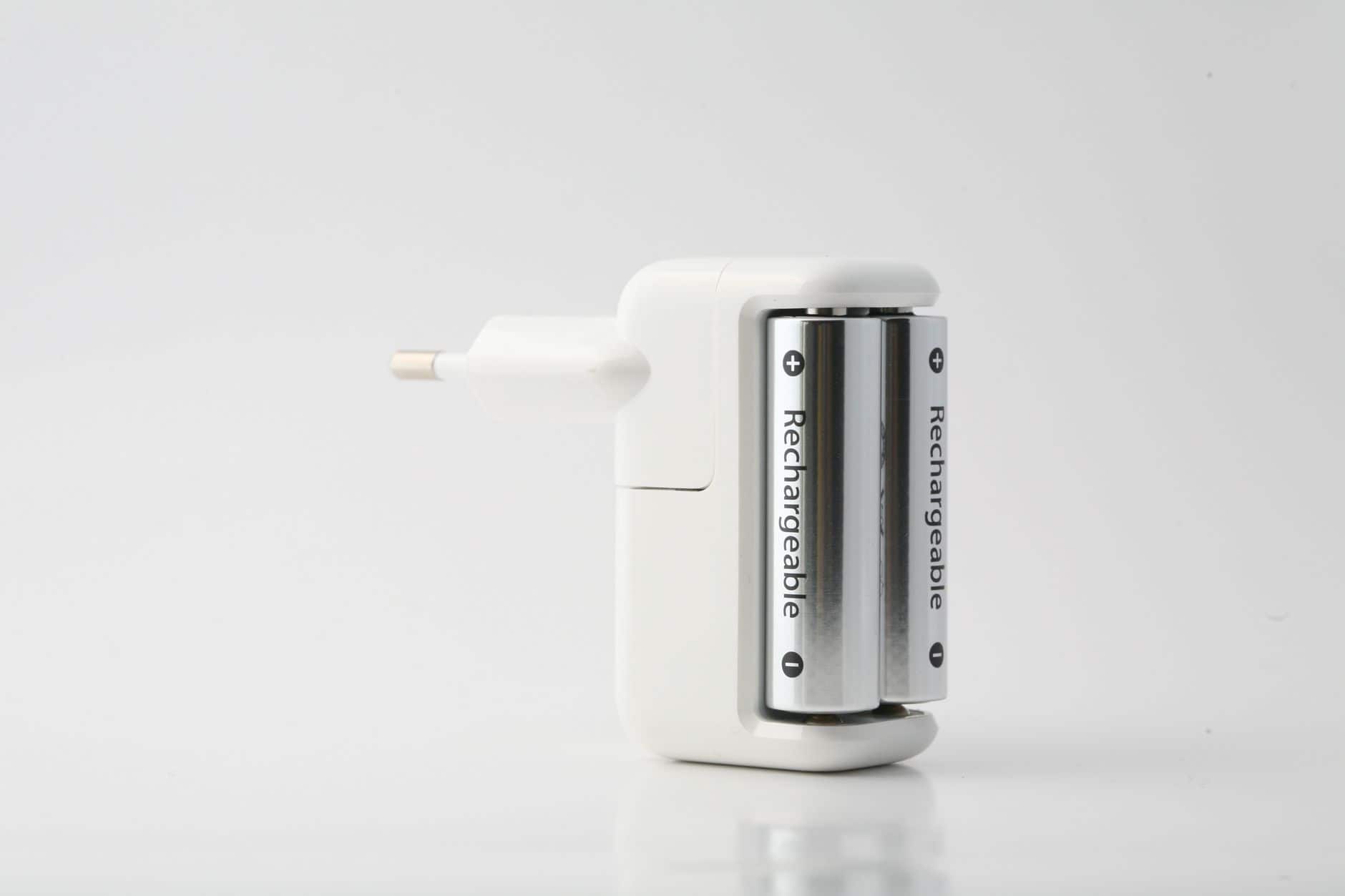
Rabot Energy’s plug‑in 2 kWh battery, sold at cost, lets German apartment renters save about €120 a year by charging during cheap grid periods and discharging at price spikes.

Fraunhofer ISE’s new thick‑film electrodes boost lithium‑ion, sodium‑ion and zinc‑ion cell energy density by up to 15 % without extra weight, while cutting production cost and eliminating PFAS chemicals.
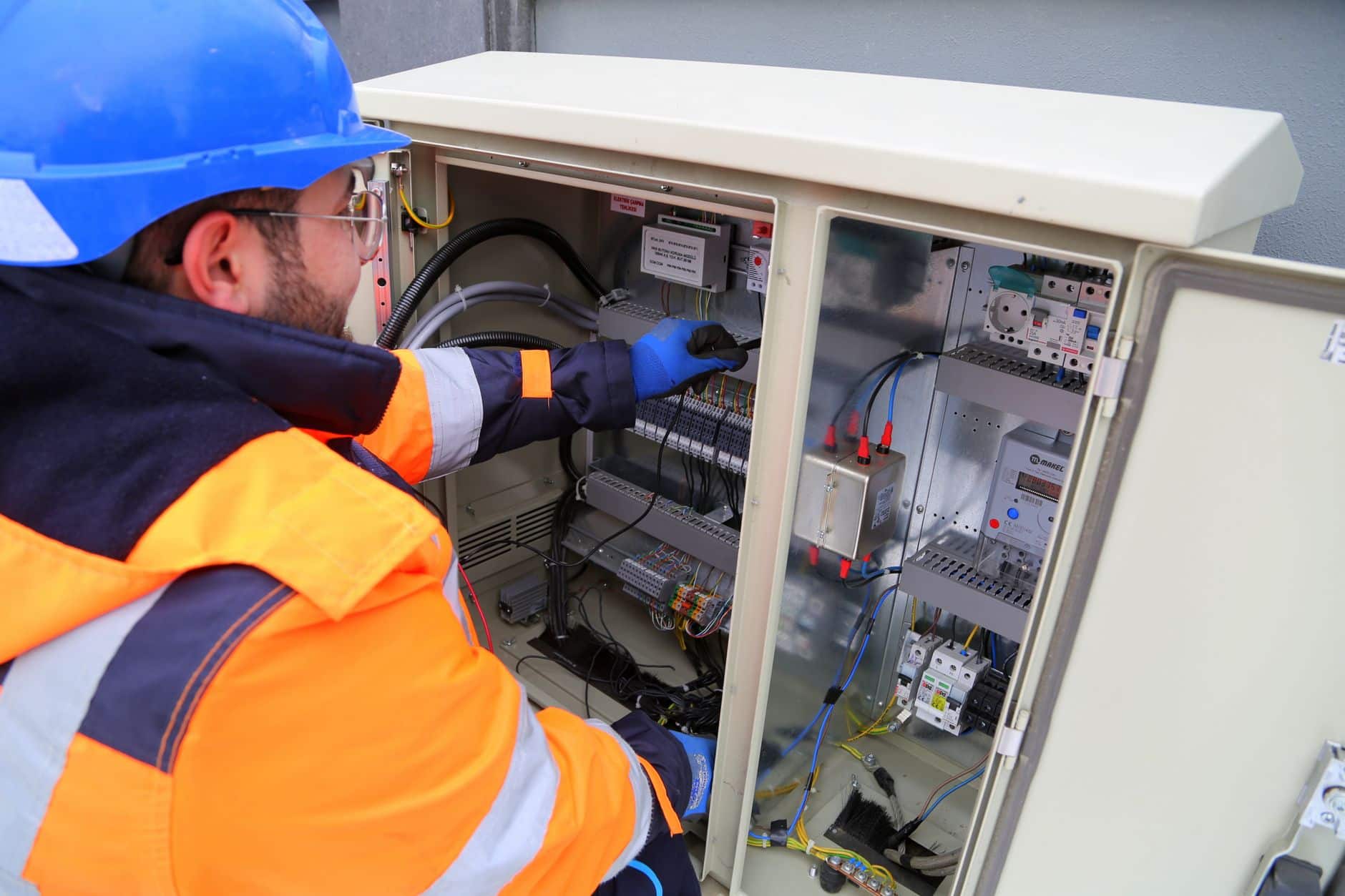
Sungrow will source Samsung SDI LFP battery cells for its U.S. energy‑storage systems, a three‑year, multi‑gigawatt‑hour deal aimed at bypassing China‑linked supply‑chain restrictions.
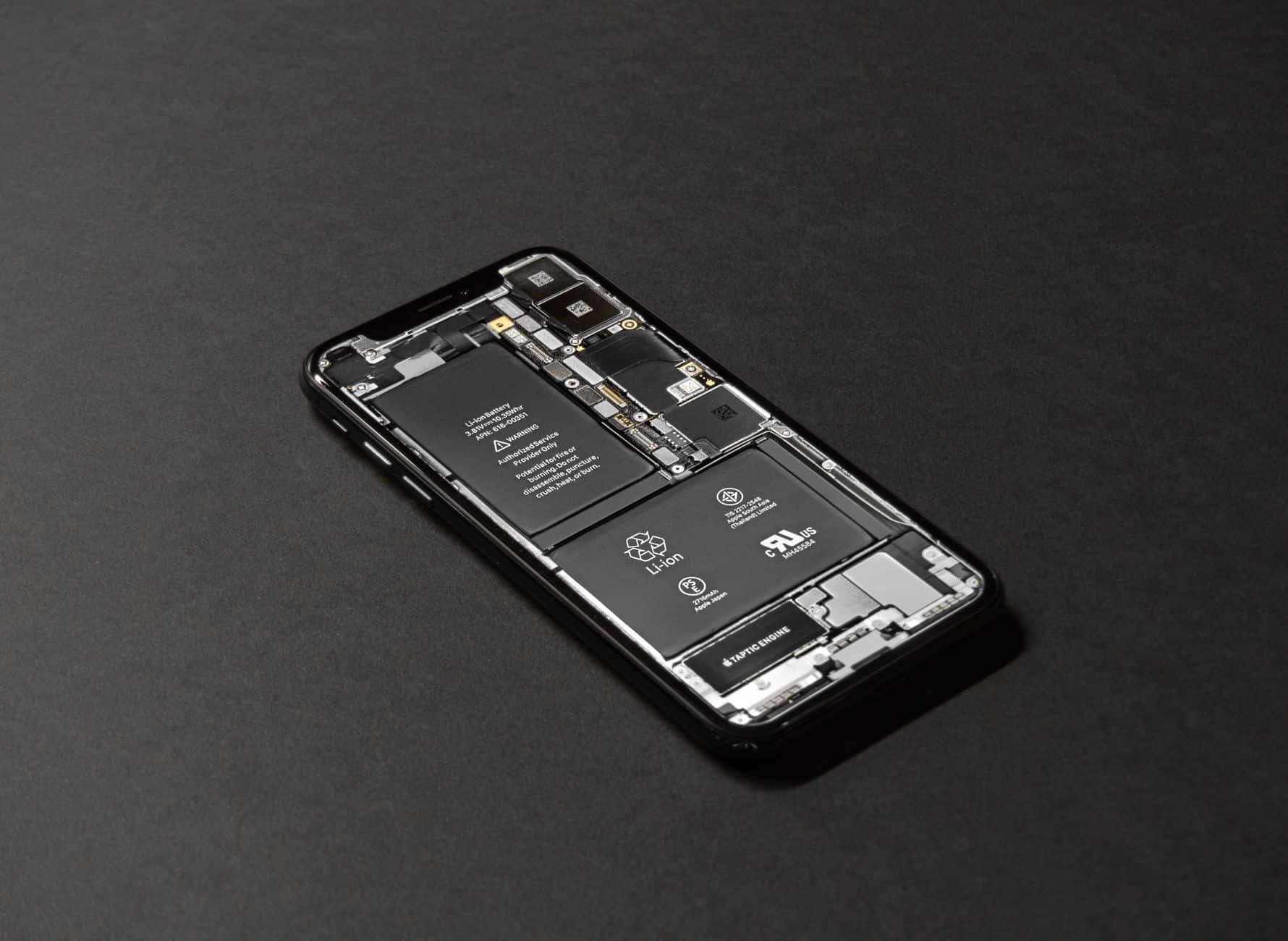
HiNa Battery signed a five‑year deal to supply South Korea’s Volta with up to 10 GWh of sodium‑ion batteries, expanding the earlier 15 MWh pilot and marking a major GWh‑scale order for the Korean market.
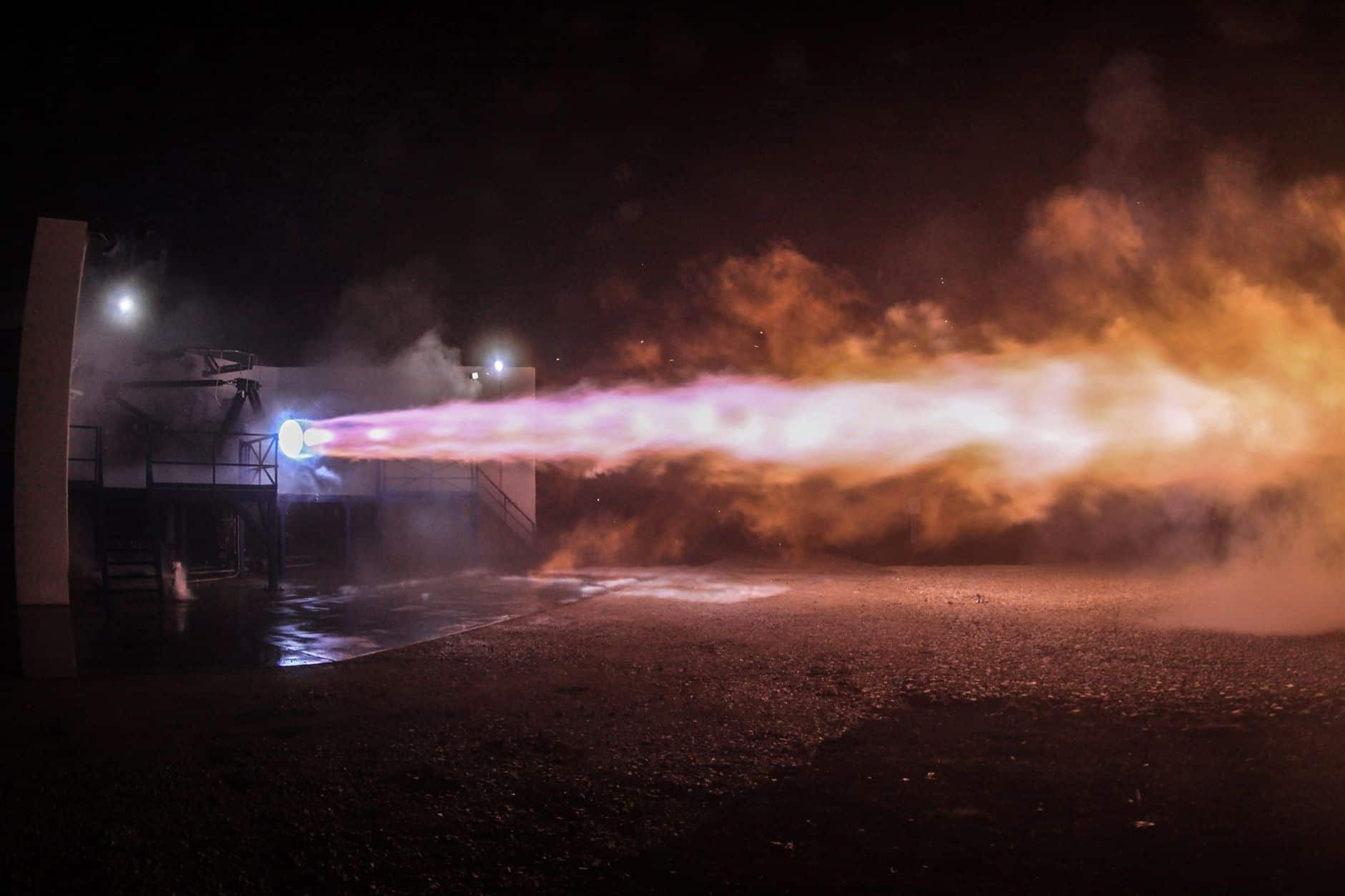
Great Power’s 5 MWh liquid‑cooled battery passed a 16‑hour full‑scale fire test without spreading flames, earning TÜV Rheinland certification and setting a new safety benchmark for large‑scale storage.

Chinese inverter makers posted mixed H1 2026 results, but storage now accounts for half of total sales, reshaping the global solar market.

Norway’s battery storage market remains blocked by double grid tariffs and a pre‑qualification cap, despite new regulatory reviews aimed at clarifying licensing and market rules.

South Korean researchers proved that a compact solar‑thermal storage tank paired with a dual‑source heat pump can heat a greenhouse at an average COP of 4.1, delivering 55 % storage efficiency and offering a pathway to lower heating costs.
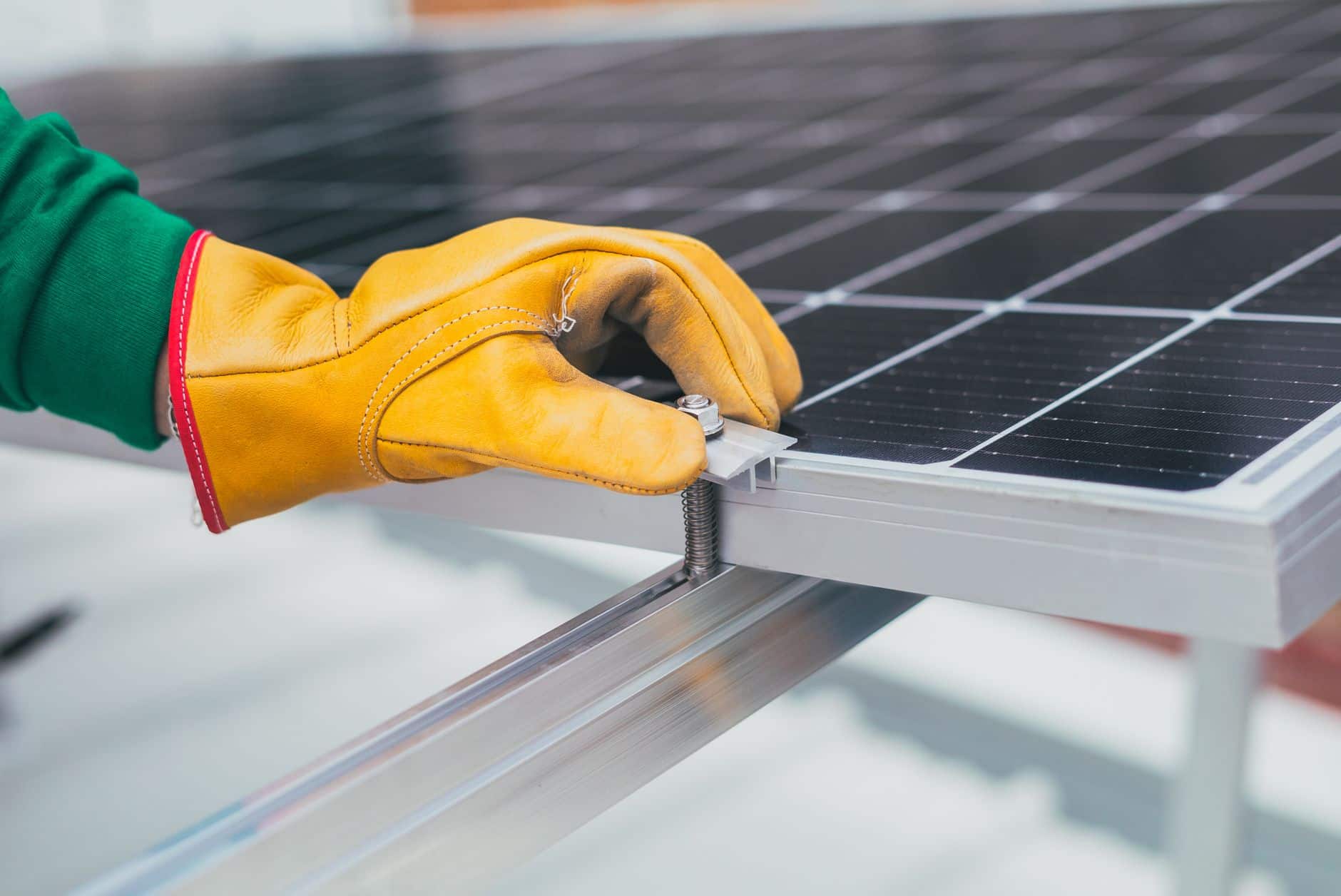
Saudi Arabia’s Red Sea project is now fully operational, delivering a 358 MW solar plant and a 1.225 GWh battery that powers an isolated utility for resorts, desalination and cooling.
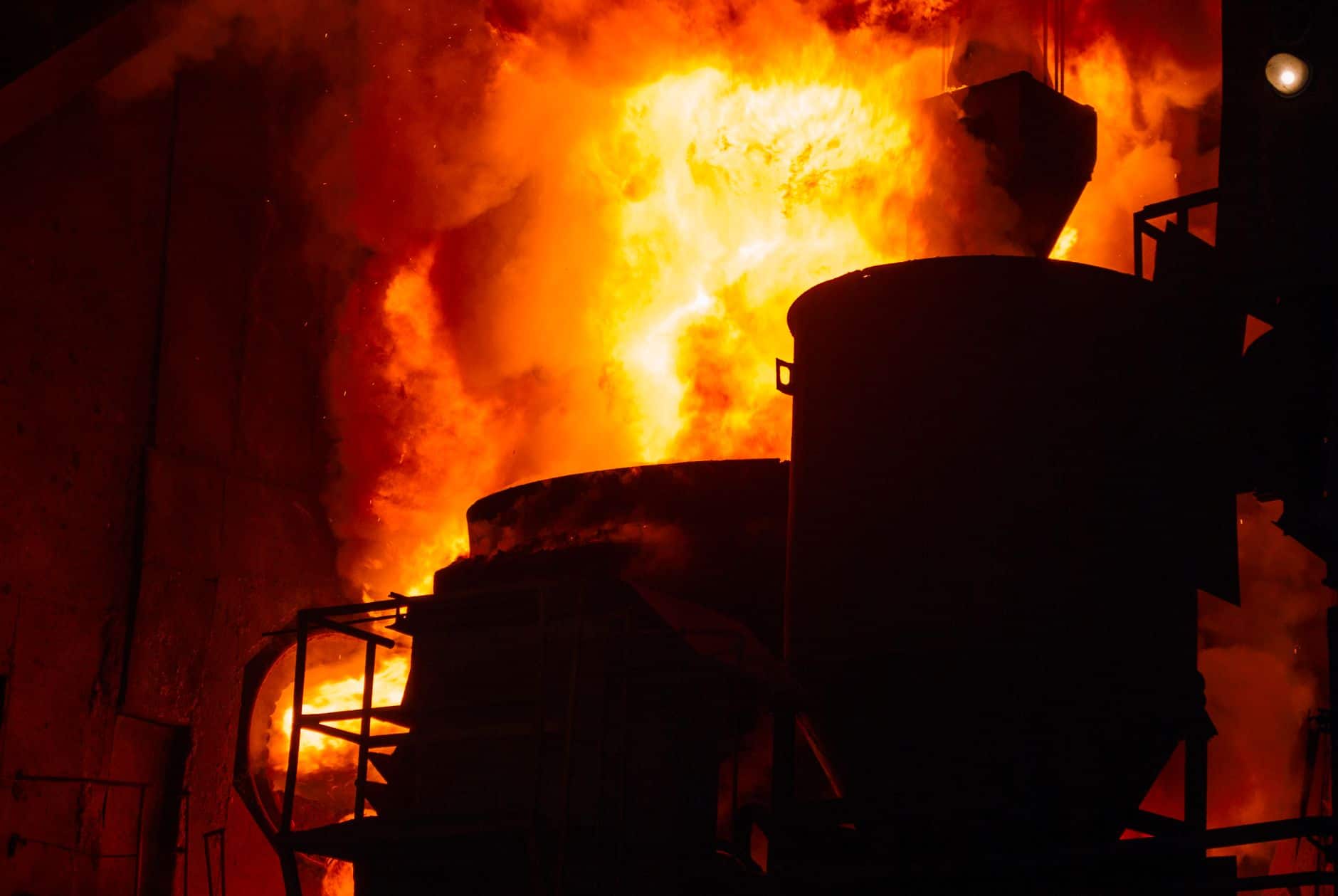
The Joule Hive Thermal Battery stores cheap electricity as high‑temperature heat with >98 % efficiency, letting solar‑heavy grids replace natural‑gas heat wherever gas costs exceed €30/MWh.
Send us a message — a demo, a question about the system, a partnership or anything else. We'll get back to you.