Storage
Baltic Utility Boosts Solar & Storage to 600 MW
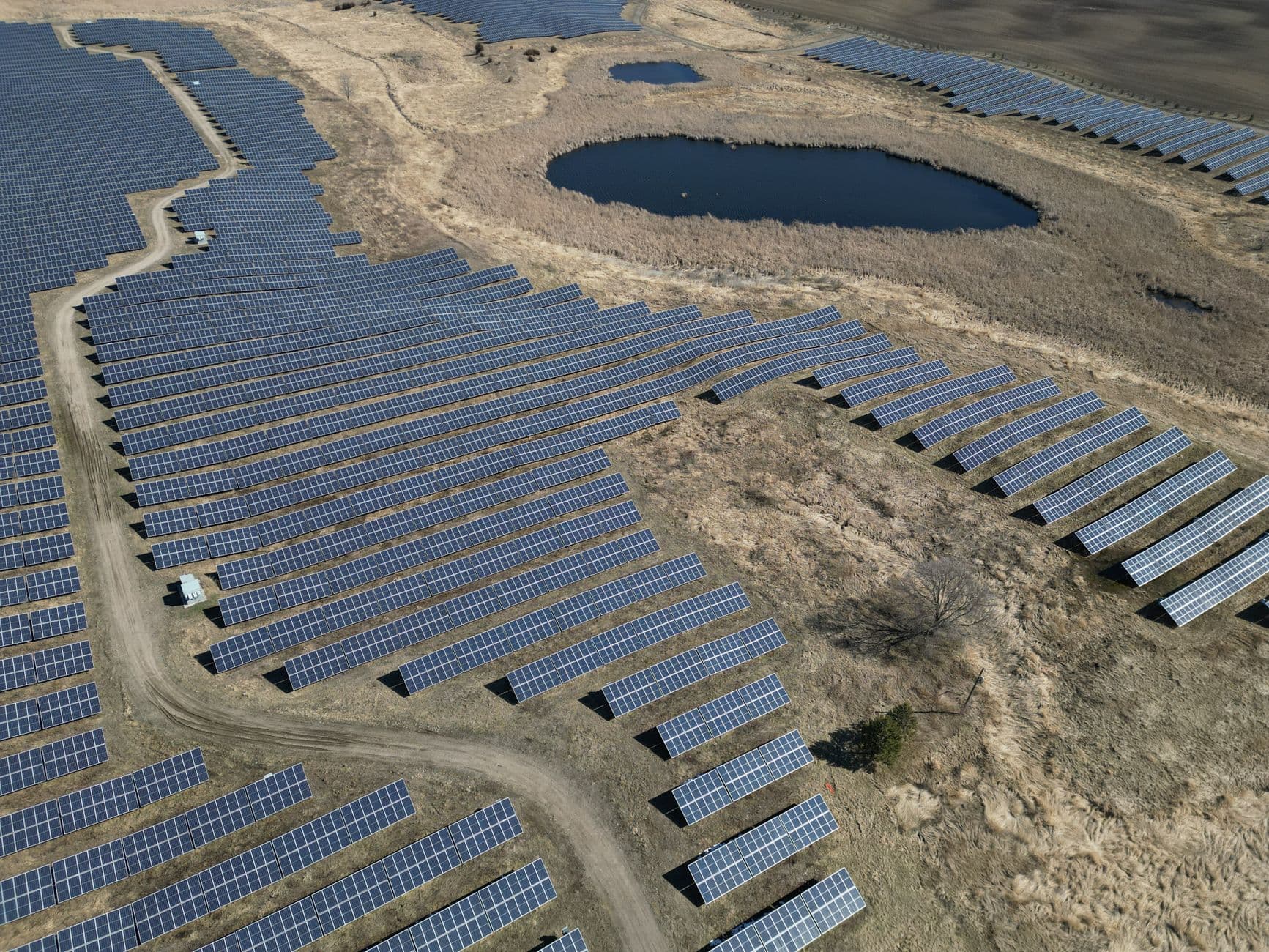
Latvenergo targets 600 MW of new wind and solar by 2026
Latvenergo has pledged to add 600 MW of fresh wind and solar capacity before the end of 2026, a clear signal that the Latvian state utility is accelerating its clean‑energy rollout. The figure appears in the company’s half‑year 2026 report and sits alongside a broader portfolio that already totals 1,144 MW of renewable assets.
The utility’s medium‑term plan calls for a mix of ready‑to‑build projects and operating turbines no older than five years, meaning the new capacity could be online within the next two to three years. By locking in projects now, Latvenergo hopes to meet its long‑term goal of 2,300 MW of renewable generation after 2030.
Battery storage pipeline now exceeds 250 MW of power
Latvenergo’s battery‑storage ambitions are equally aggressive: the company is developing seven BESS projects that together provide 233.4 MW of power and 551.2 MWh of energy, plus two smaller installations already finished (10.6 MW/21.9 MWh). In February 2025 the firm announced a 250 MW/500 MWh storage target for 2030, which works out to 2 MWh of energy per MW of power – a ratio that places the Baltic portfolio among the most flexible in Europe.
These storage assets will be co‑located with existing hydro and combined‑heat‑and‑power plants, allowing the utility to balance intermittent wind and solar output while providing grid‑stability services.
Hybrid projects blend wind, solar, and storage
One of the most visible examples of Latvenergo’s hybrid strategy is the Priekule project, which combines an 11.5 MW wind farm under construction, a 9 MW solar plant, and a 2 MW battery system already in operation. Although the battery’s energy capacity wasn’t disclosed, the hybrid layout mirrors the utility’s broader vision of “wind‑solar‑storage” clusters that can respond quickly to demand spikes.
The company also recently acquired the 124 MW Telšiai wind farm in Lithuania, built with 20 Vestas turbines at a cost of roughly €200 million, and slated to host a 28.51 MW/57.02 MWh battery. A second acquisition, the 147 MW Pienava wind farm, is moving from foundation completion to turbine installation, while a 109 MW Laflora Energy wind project began generating during the same reporting period.
Baltic energy security drives utility consolidation
Latvenergo’s expansion is not happening in a vacuum. After the Baltic states disconnected from the Russian‑controlled grid in February 2025 and synchronized with the Continental European network, domestic generation became a strategic priority. Utility‑led consolidation, backed by state capital, is now the dominant model: KPMG data shows 62 M&A transactions in the Baltic renewable sector over the past year, a modest dip from the previous period but still a sign of active market reshuffling.
By acquiring projects from private developers, Latvenergo secures control over both generation and storage, reducing reliance on cross‑border imports and bolstering regional energy resilience.
What it means for Israel’s solar market
For Israeli readers, Latvenergo’s numbers illustrate how scale and storage can drive economics. A typical 10 kWp residential system in central Israel yields about 17,000 kWh per year (≈ ₪8,160 at the residential tariff of ₪0.48/kWh) and costs roughly ₪31,500 to install (≈ ₪3,150/kWp). That translates to a payback period of just under 4 years – a figure that mirrors the rapid ROI seen in Baltic utility projects where upfront capital is offset by long‑term tariff guarantees.
If Israeli utilities pursued a similar hybrid model, pairing rooftop solar with utility‑scale batteries, the combined output could smooth midday peaks and reduce peak‑hour prices. Our own solar ROI calculator can help estimate the impact of adding storage to a residential system.
The Baltic example also underscores the value of policy certainty: Latvenergo’s long‑term targets are backed by state guarantees and a clear grid‑integration roadmap. Israel’s 30 % renewable electricity target for 2030 (and the interim 20 % for 2025) could benefit from similar utility‑driven aggregation, especially as the Electricity Authority tightens interconnection standards for storage.
Looking ahead, Latvenergo plans to keep adding wind, solar, and storage capacity well beyond 2026, aiming for a 2,300 MW renewable footprint after 2030. For Israel, the lesson is clear – coordinated utility investment, backed by stable tariffs and storage integration, can accelerate the clean‑energy transition while delivering attractive returns for investors and households alike.
FAQ
How much new renewable capacity is Latvenergo planning?
The utility targets **600 MW of additional wind and solar** capacity by the end of 2026.
What is the size of Latvenergo’s battery‑storage pipeline?
Latvenergo is developing **over 250 MW of power and about 570 MWh of energy** in battery projects.
Which hybrid project combines wind, solar and storage?
The **Priekule hybrid** includes an 11.5 MW wind farm, a 9 MW solar plant and a 2 MW battery system.
Why is the Baltic region focusing on utility‑led renewables?
After disconnecting from the Russian grid in 2025, Baltic states need domestic generation for energy security, prompting state utilities to acquire private projects.
How does this news relate to Israeli solar owners?
Latvenergo’s scale shows that pairing solar with storage can cut payback to under 4 years – similar to a typical Israeli 10 kWp home system that pays back in about 3.9 years.
Share this post
More from Storage
6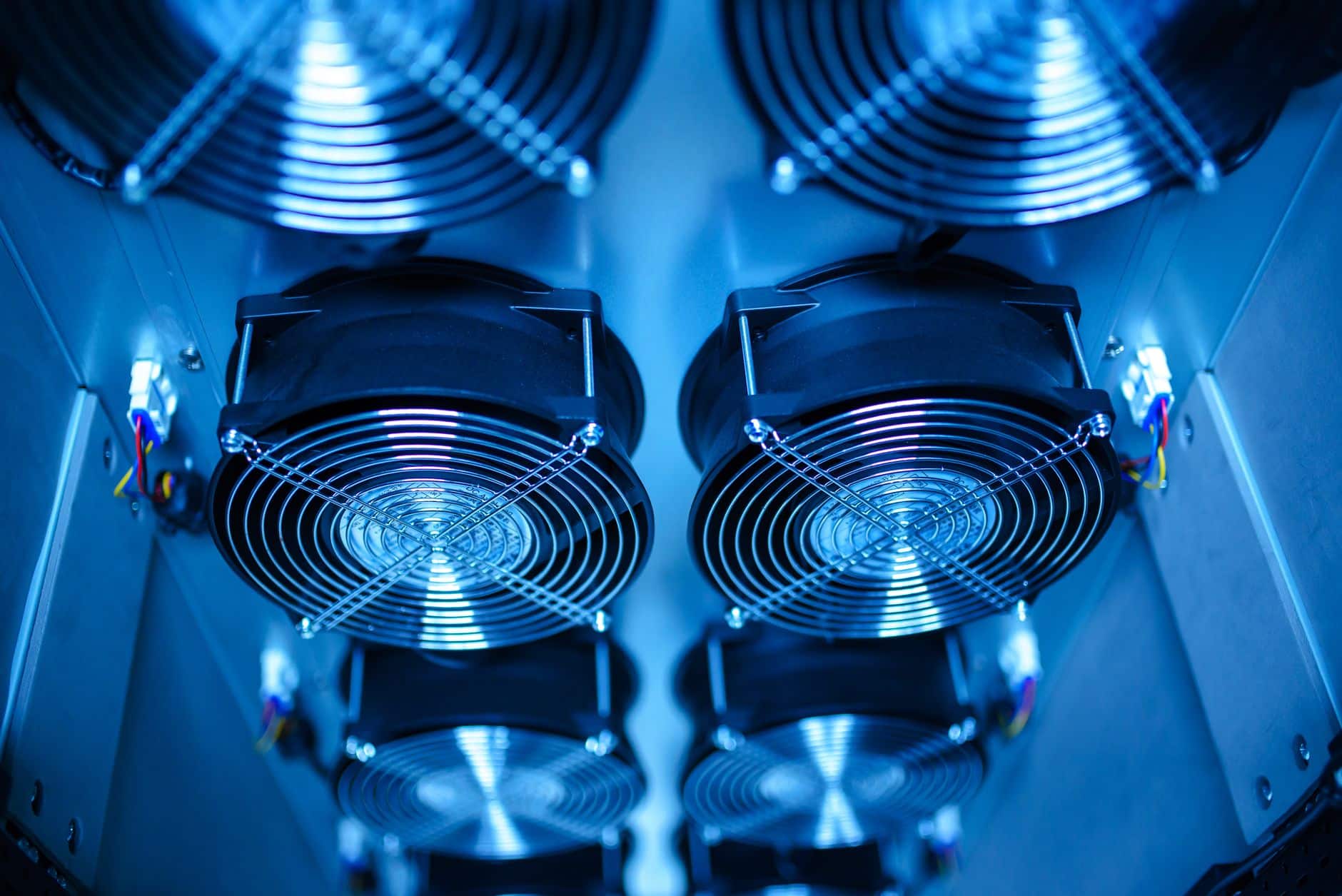
BESS Gains Speed Edge in Data Centers
BESS now beats gas generators on speed‑to‑power and cost per MWh for data centers, but still lags on long‑duration backup and continuous prime power.
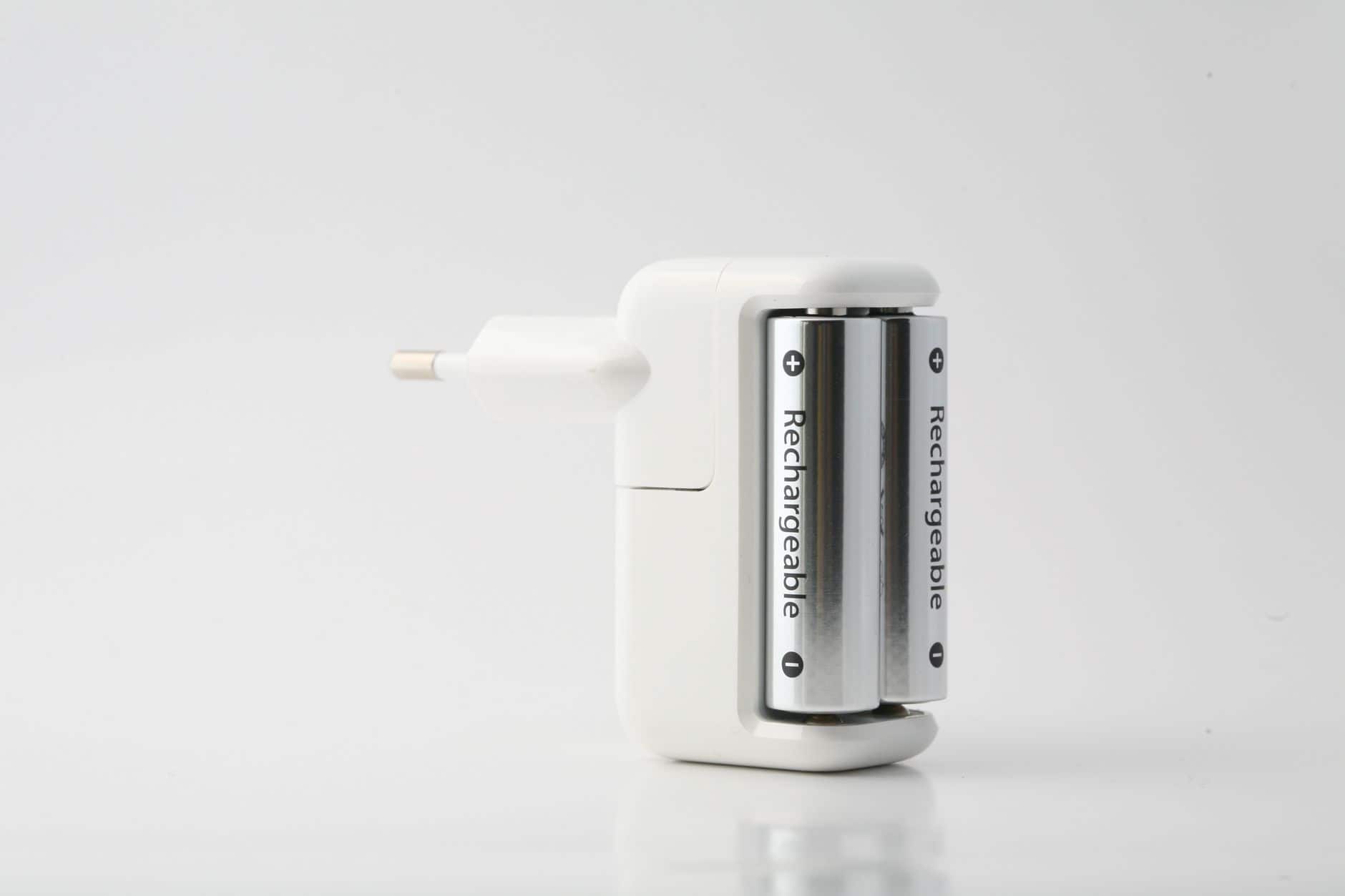
Plug‑in Battery Saves German Renters €120/yr
Rabot Energy’s plug‑in 2 kWh battery, sold at cost, lets German apartment renters save about €120 a year by charging during cheap grid periods and discharging at price spikes.

Thicker Battery Electrodes Boost Energy Density 15%
Fraunhofer ISE’s new thick‑film electrodes boost lithium‑ion, sodium‑ion and zinc‑ion cell energy density by up to 15 % without extra weight, while cutting production cost and eliminating PFAS chemicals.
Sungrow Chooses Samsung SDI Cells US Storage
Sungrow will source Samsung SDI LFP battery cells for its U.S. energy‑storage systems, a three‑year, multi‑gigawatt‑hour deal aimed at bypassing China‑linked supply‑chain restrictions.

HiNa Battery Secures 10 GWh Sodium‑Ion Deal in Korea
HiNa Battery signed a five‑year deal to supply South Korea’s Volta with up to 10 GWh of sodium‑ion batteries, expanding the earlier 15 MWh pilot and marking a major GWh‑scale order for the Korean market.
Fire‑Safe 5 MWh Battery Passes Full‑Scale Test
Great Power’s 5 MWh liquid‑cooled battery passed a 16‑hour full‑scale fire test without spreading flames, earning TÜV Rheinland certification and setting a new safety benchmark for large‑scale storage.