TTechnology
Floating Solar Tracker Boosts Yield by 20%
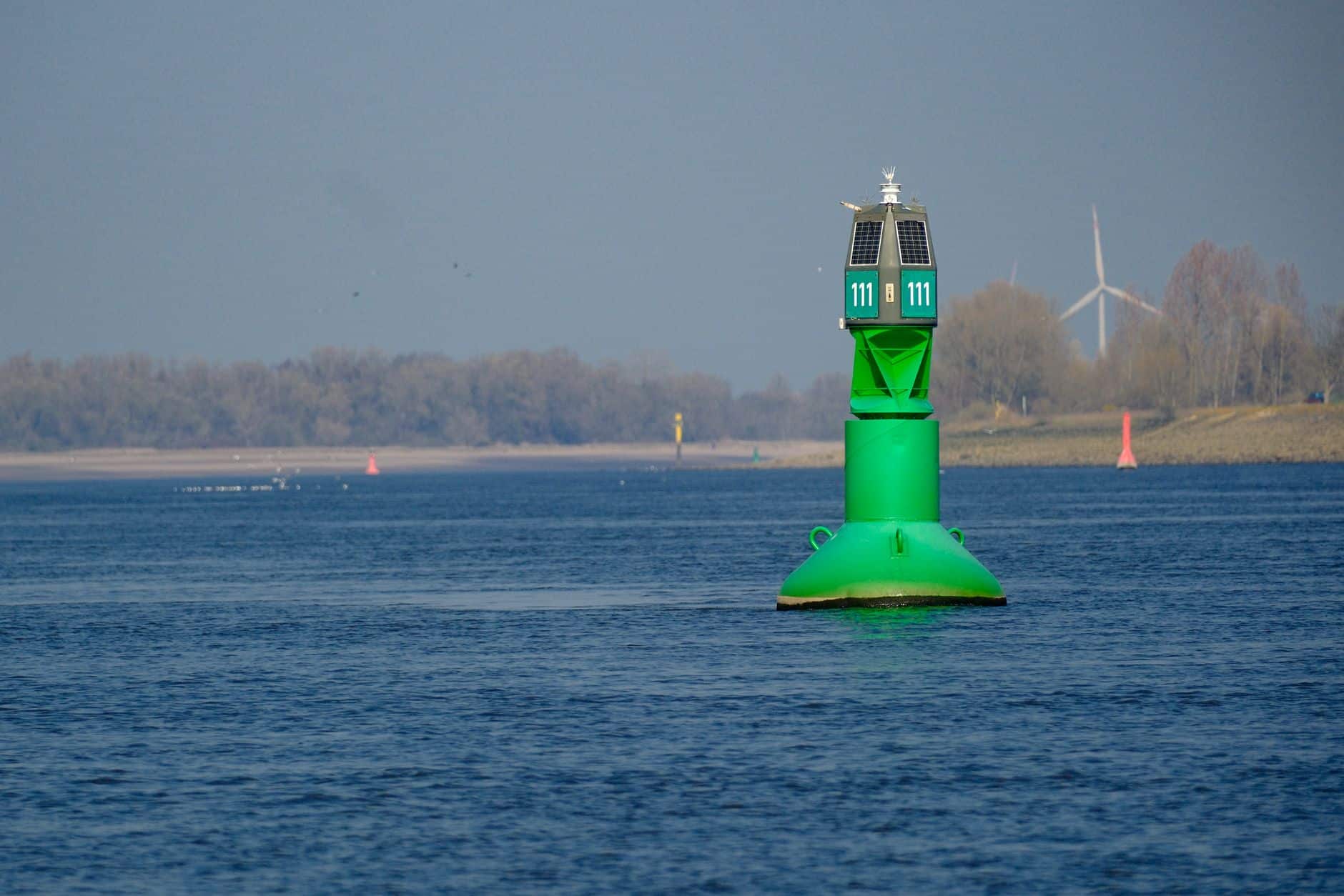
Noria Energy’s Airon floating‑solar tracker promises up to 20 % more electricity than fixed‑tilt FPV systems at similar cost, with commercial shipments slated for mid‑2027.
3 min read
Solar energy converts sunlight into electricity using photovoltaic (PV) panels, and when paired with battery storage it provides reliable, clean power for homes and businesses across Israel. Today Israel boasts over 1.2 GW of installed solar capacity and aims for 5 GW by 2025, making solar the fastest‑growing renewable source in the country.
Noria Energy’s Airon floating‑solar tracker promises up to 20 % more electricity than fixed‑tilt FPV systems at similar cost, with commercial shipments slated for mid‑2027.
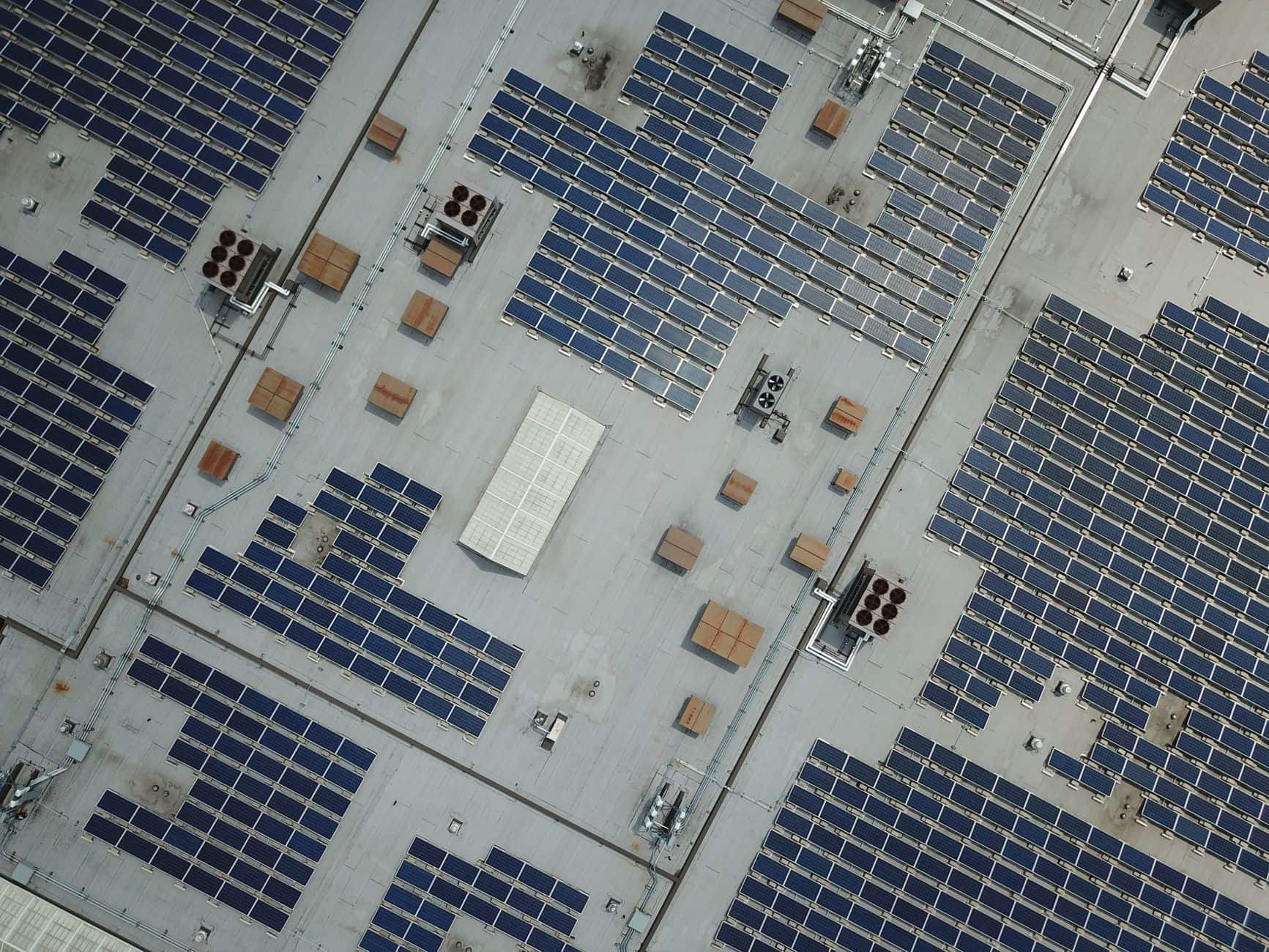
Osem Nestlé has become the first Israeli food‑industry company to run entirely on renewable electricity, showcasing how solar power and green contracts can cut costs and emissions.

Source Energy’s silicon solar modules can be built for under $5 per watt, slashing space‑power costs and opening new opportunities for Israeli satellite firms.
Array Technologies opened a $50 million Albuquerque factory that triples its U.S. solar‑tracker capacity, creates 300 jobs and could help lower tracker prices for Israeli rooftop installations.

Hanna König says inclusive, safe‑to‑disagree workplaces are essential to close the solar sector’s talent gap and accelerate the energy transition.
Super El Niño 2026 created a pronounced north‑south solar split in South America, with sunnier conditions in the north and reduced irradiance in the south, while rare Atacama snowstorms threatened desert PV output.

The space‑solar market could be worth $2 trillion by 2040, with crystalline‑silicon and perovskite panels now challenging traditional III‑V cells and opening new opportunities for Israeli manufacturers.
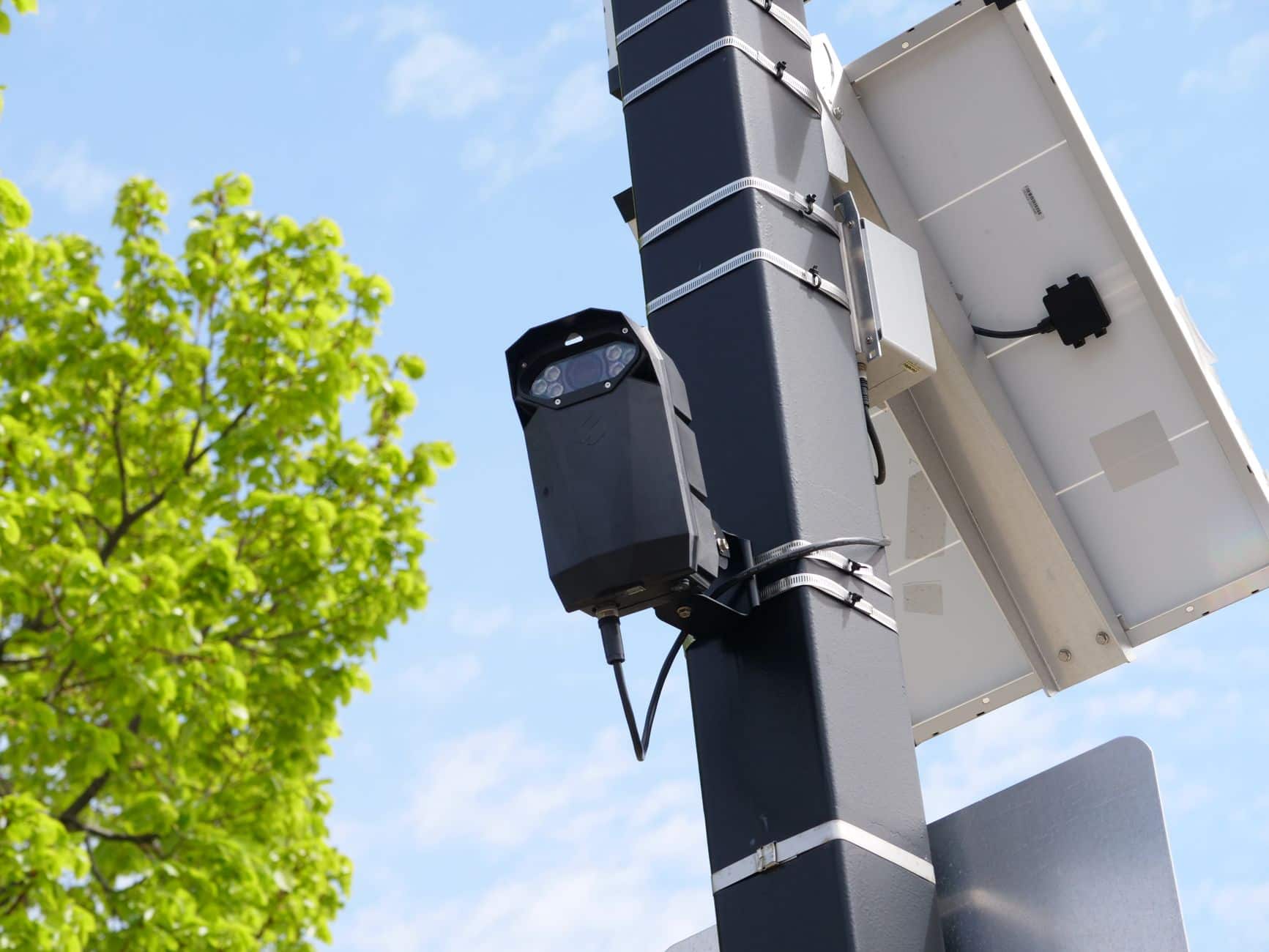
An Israeli defense contractor is now offering high‑tech security and monitoring solutions for solar farms across Tuscany, marking a crossover from spy‑base technology to renewable energy.
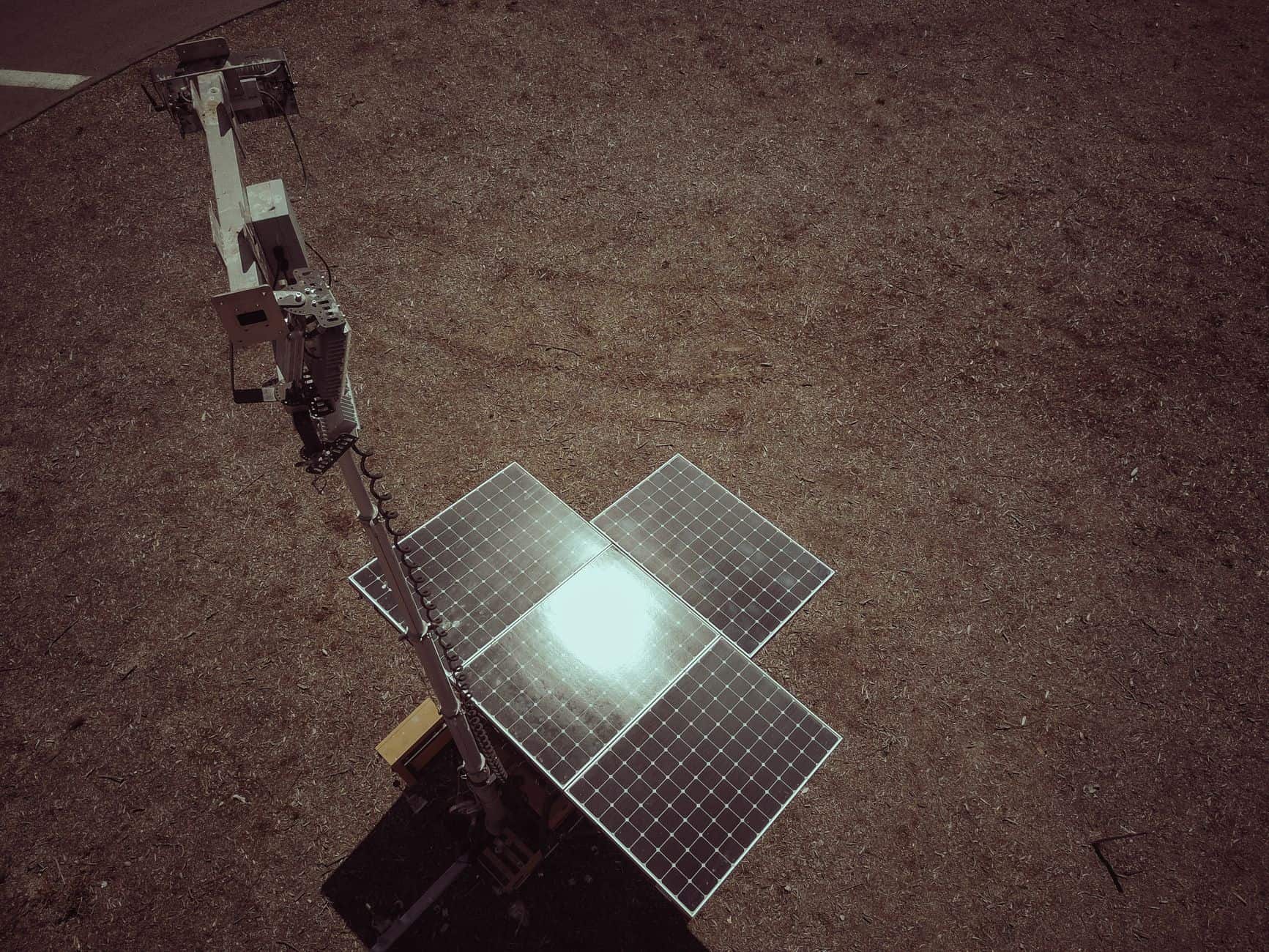
Hybrid solar‑diesel projects in Madagascar are reducing diesel fuel use, lowering electricity costs and improving reliability, offering a model for Africa.
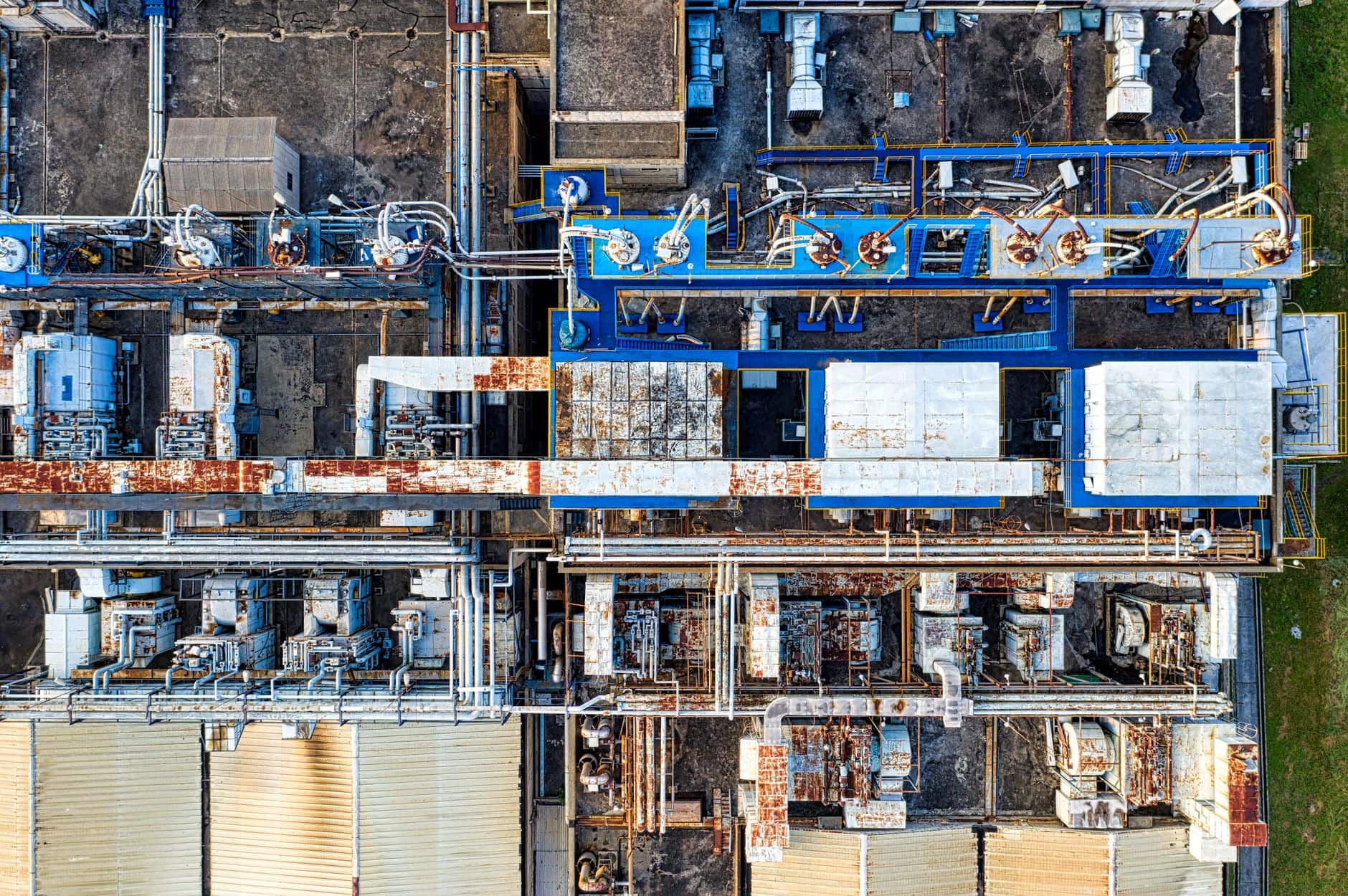
Midsummer AB and Indonesia’s PT Metalogika have signed a deal to build a 20 MW‑per‑year CIGS thin‑film solar plant, with a roadmap to expand to 200 MW, supporting Indonesia’s 100 GW solar ambition.

Idemitsu Kosan has opened the first U.S. lab dedicated to space‑grade CIGS solar cells, aiming to prototype and mass‑produce ultra‑light, radiation‑hard panels for satellites by 2027.
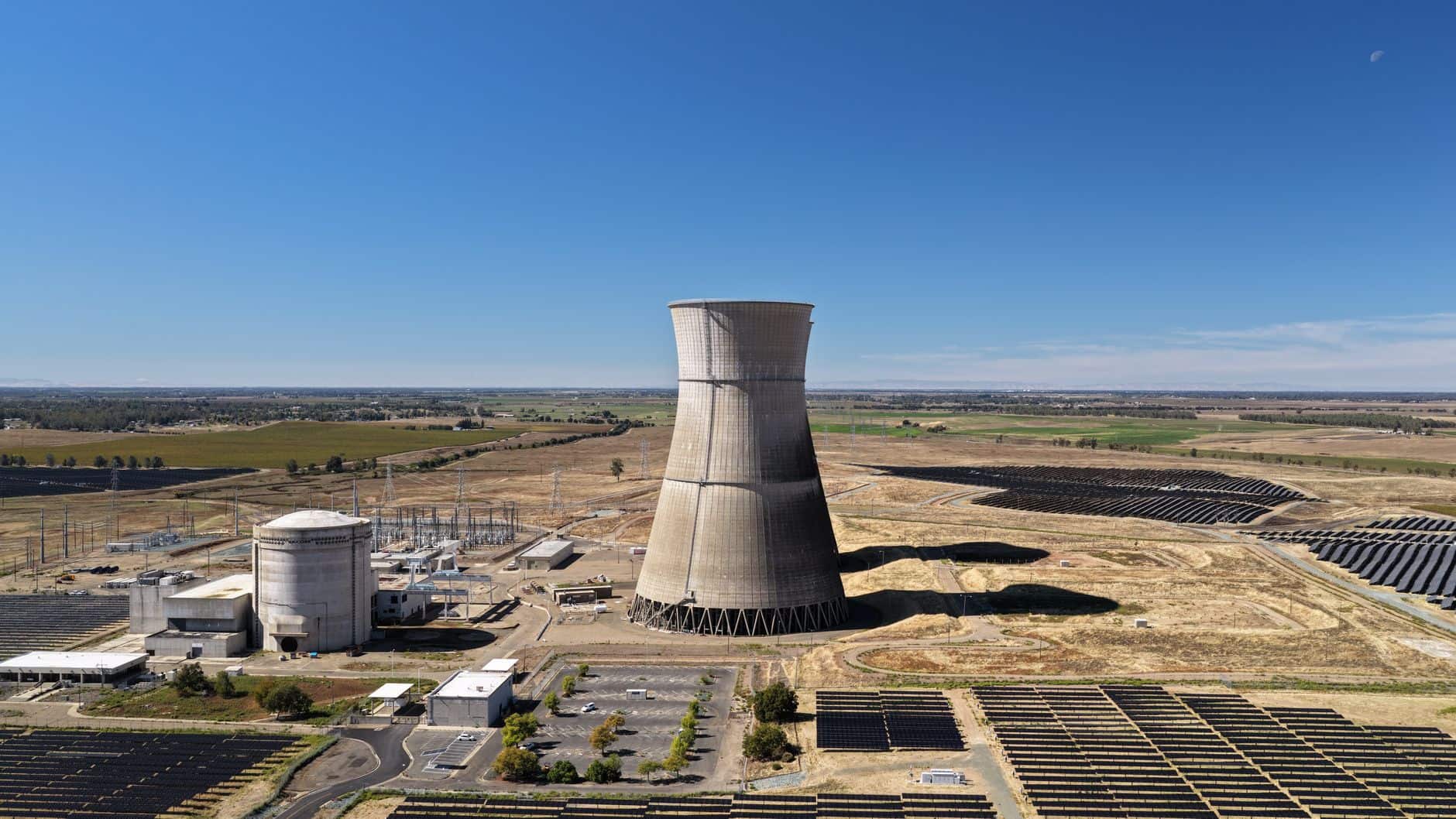
WattPower’s new 506 kW grid‑forming inverter reaches 99.1% efficiency, uses a 1,000 V AC bus to cut balance‑of‑system costs, and could generate about ₪413,000 a year for an Israeli utility‑scale plant.
Send us a message — a demo, a question about the system, a partnership or anything else. We'll get back to you.