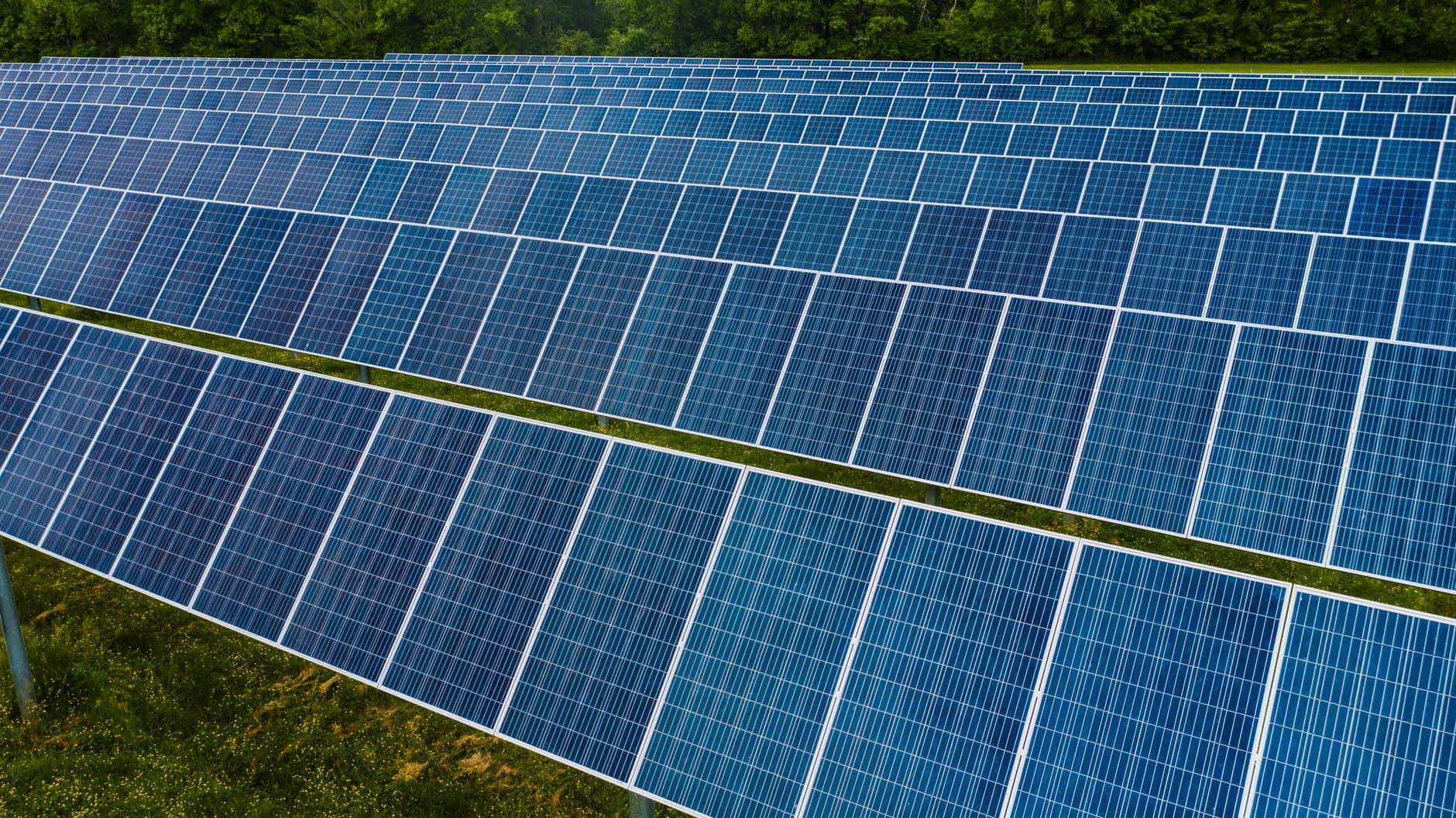
South Korea to Add 3.5 GW Solar in 2026
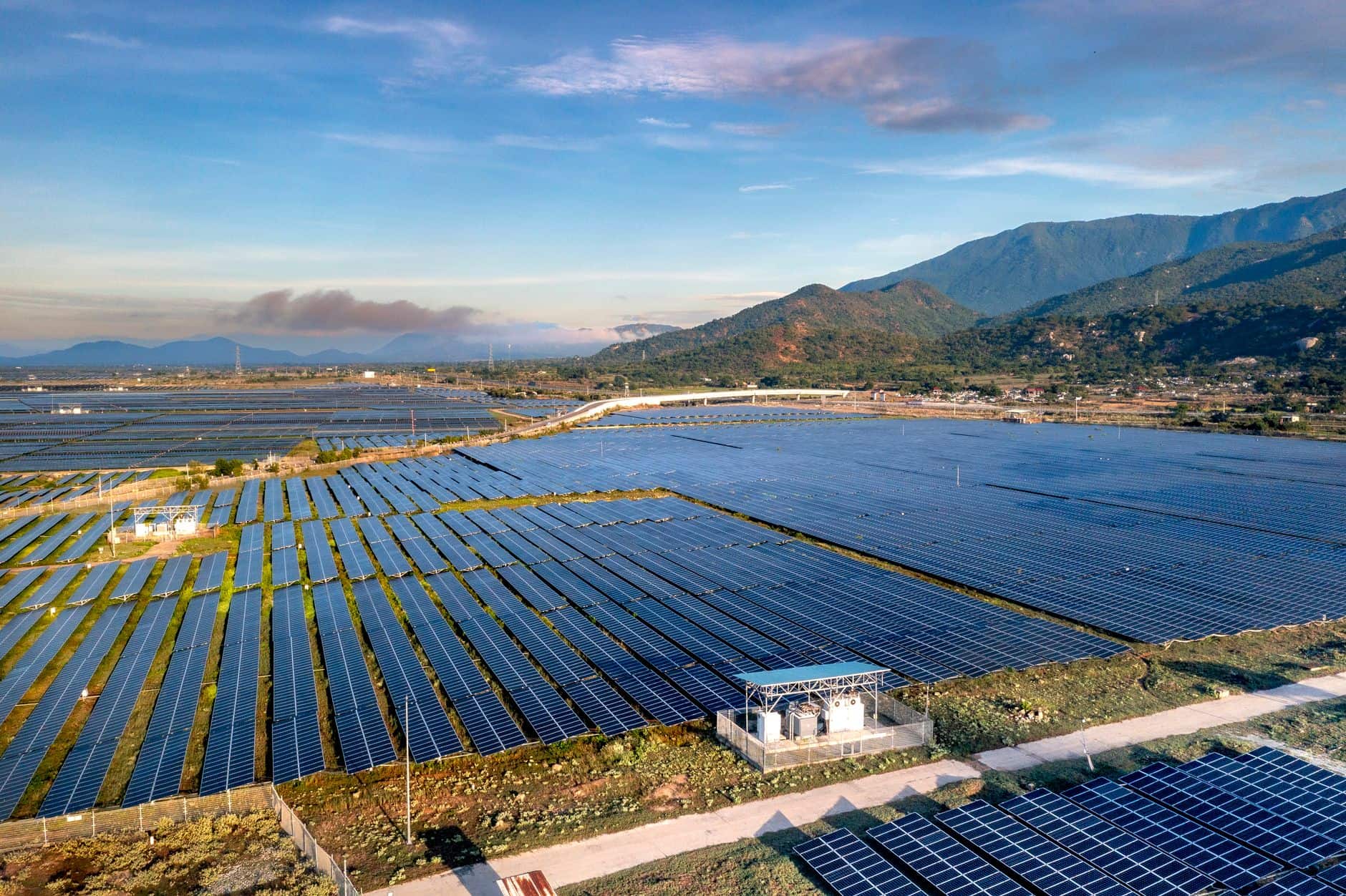
South Korea will install about 3.5 GW of new solar capacity in 2026, surpassing the 3.1 GW added in 2025, as part of a broader push that includes community‑solar villages and line‑side storage.
Israel’s solar energy market is rapidly expanding, now delivering over 4 GW of photovoltaic capacity and accounting for roughly 10 % of the nation’s electricity mix. Strong government targets, falling panel prices, and a surge in battery storage are reshaping both utility‑scale and rooftop solar opportunities.

South Korea will install about 3.5 GW of new solar capacity in 2026, surpassing the 3.1 GW added in 2025, as part of a broader push that includes community‑solar villages and line‑side storage.

U.S. Section 232 tariffs are expected to modestly raise solar module prices, adding a small extra cost to Israeli rooftop systems and slightly extending payback times.

Tongwei has received antitrust clearance to acquire Qinghai Lihao, a fast‑growing polysilicon producer, paving the way for expanded low‑carbon silicon capacity that could help lower solar‑module prices worldwide.

The United States installed 19.2 GW of solar PV in the first half of 2026, driven mainly by a 61 % surge in utility‑scale projects, while residential solar slipped and permitting bottlenecks loom.

Chile curtailed a record 2,680 GWh of solar and wind power in the first seven months of 2026, while battery storage capacity surged to over 2.6 GW, highlighting a growing flexibility gap.

The Hormuz crisis has cut about 9 million barrels per day of oil, pushing Brent up 20 % and gas prices 40‑60 % higher, while making rooftop solar in Israel financially more attractive than ever.

Africa will boost solar panel manufacturing to about 3.5 GW in 2026, driven by new factories in Egypt and Tanzania that mainly target the U.S. market.

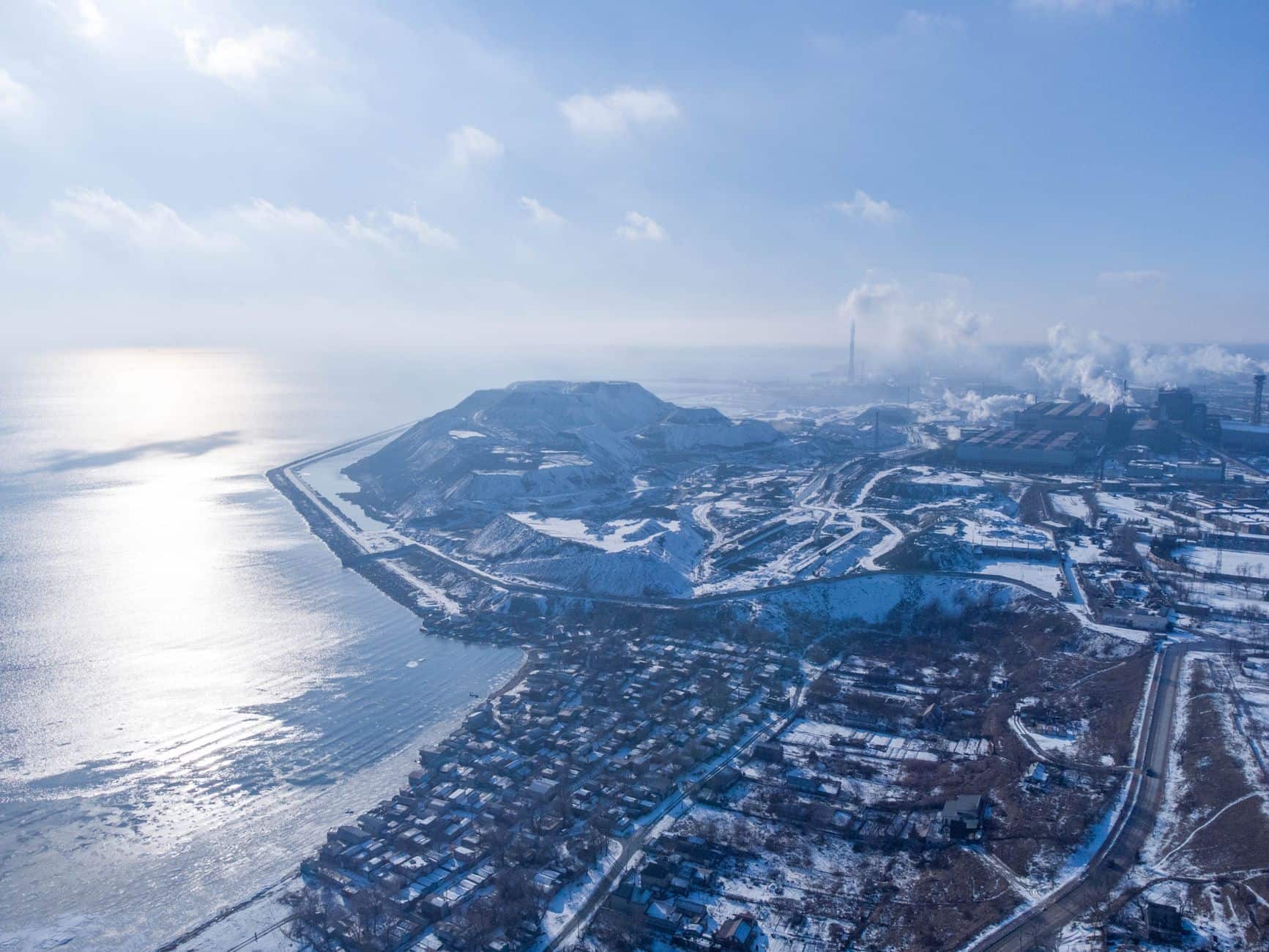
Ukraine’s generation capacity was heavily damaged, yet solar and storage are growing fast, offering a market for resilient “peace energy”. In Israel, a 10 kWp rooftop system can pay back in under four years, highlighting the financial appeal of decentralized solar.

France connected 3 GW of new solar capacity in the first half of 2026, raising its total PV stock to 34 GW and pushing Q2 generation up 18 % to 14.1 TWh.

The EU installed 33.8 GW of solar in the first half of 2026, saving about €30 billion in gas‑import costs, while grid bottlenecks threaten further expansion.

Europe set new September solar‑generation records last week, yet electricity prices surged above €100 /MWh, driven by hot weather, low wind and rising gas costs.

Nigeria has opened a 100 MW solar tender in Niger State, with financing sought from the Islamic Development Bank and a pre‑qualification deadline of 13 October 2024.
Send us a message — a demo, a question about the system, a partnership or anything else. We'll get back to you.