Markets
Europe’s Solar Surge Sets Record Prices
Record Solar Production Across Southern Europe
Europe’s solar output hit unprecedented levels last week, with five countries breaking their September records. Portugal generated a record 31 GWh on September 2, Spain posted 267 GWh on September 3, France produced 155 GWh on September 4, Italy delivered 143 GWh the same day, and Germany topped the week with 389 GWh on September 6. Together, these nations supplied ≈985 GWh of solar electricity in a single week – enough to power a large number of Israeli homes for a year.
Electricity Prices Spike as Gas Costs Rise
The surge in solar did not tame power prices; instead, weekly average electricity prices stayed above €100 /MWh across the major European markets, with Italy soaring to €202.89 /MWh – the highest since the start of 2023. Daily peaks also hit new highs: Italy reached €212.71 /MWh on September 2 and €218.93 /MWh on September 7, while Portugal and Spain saw daily prices over €170 /MWh.
Hot Weather and Low Wind Amplified the Surge
AleaSoft explains that an unusually hot spell in Spain lifted electricity demand, while a sharp drop in wind generation across Spain and Portugal reduced low‑cost supply. The combination forced the grid to rely more on gas‑fired plants, pushing prices upward.
Gas Market Pressures Add Fuel to the Fire
European gas futures (TTF) hit €73.63 /MWh on September 2 – the highest since early 2023 – after tensions in the Strait of Hormuz curtailed LNG flows from Qatar and the UAE. Higher gas costs translated directly into higher electricity prices, as gas‑fired generators set the market price in many countries.
What It Means for Israel
For Israeli households, the European price spike underscores the value of the country’s generous feed‑in tariffs. A typical 10 kW rooftop system in central Israel yields about 17,000 kWh / year (≈ 1,700 kWh per kW installed). At the residential tariff of ₪0.48 /kWh, that electricity is worth roughly ₪8,160 per year. With a turnkey cost of ₪3,150 /kW, the system costs about ₪31,500 to install, delivering a simple payback of ~3.9 years – far quicker than the 25‑year system life.
Comparing the two markets, Europe’s average price of about €0.10 /kWh is lower than Israel’s residential tariff, meaning Israeli rooftop owners earn more per kilowatt‑hour than the average European consumer pays for grid electricity.
For readers wanting a personalized estimate, our solar ROI calculator can translate these figures to your specific roof size and location, while our market data page tracks real‑time price trends across Israel and Europe.
Looking Ahead
Analysts expect the European gas market to remain tight, keeping electricity prices elevated. Meanwhile, the record solar output shows that renewable capacity can still expand rapidly when weather conditions align. For Israel, the lesson is clear: continued support for rooftop solar and stable tariffs will keep the sector profitable, even as global energy markets swing.
Sources: analysis by AleaSoft Energy Forecasting reported in PV Magazine.
FAQ
Which European countries set September solar records last week?
Portugal, Spain, France, Italy and Germany all broke their September solar‑generation records, together producing about 985 GWh in one week.
What was the highest electricity price in Europe during that week?
Italy recorded the highest daily price at €218.93 /MWh on September 7, with a weekly average of €202.89 /MWh.
Why did electricity prices stay high despite the solar surge?
Hot weather raised demand, wind output fell sharply, and gas prices jumped to their highest since early 2023, all of which pushed market prices up.
How does the European price compare to Israel’s solar feed‑in tariff?
Europe’s average price of about €0.10 /kWh (≈ ₪0.38) is lower than Israel’s residential tariff of ₪0.48 /kWh, meaning Israeli rooftop owners earn more per kilowatt‑hour.
What is the typical payback time for a home solar system in Israel?
A standard 10 kW system costs roughly ₪31,500 and generates about ₪8,160 per year, giving a simple payback of around 3.9 years.
Share this post
More from Markets
6
South Korea to Add 3.5 GW Solar in 2026
South Korea will install about 3.5 GW of new solar capacity in 2026, surpassing the 3.1 GW added in 2025, as part of a broader push that includes community‑solar villages and line‑side storage.

US Tariffs Push Solar Module Prices Up
U.S. Section 232 tariffs are expected to modestly raise solar module prices, adding a small extra cost to Israeli rooftop systems and slightly extending payback times.

Tongwei Clears Antitrust Hurdle for Lihao Deal
Tongwei has received antitrust clearance to acquire Qinghai Lihao, a fast‑growing polysilicon producer, paving the way for expanded low‑carbon silicon capacity that could help lower solar‑module prices worldwide.
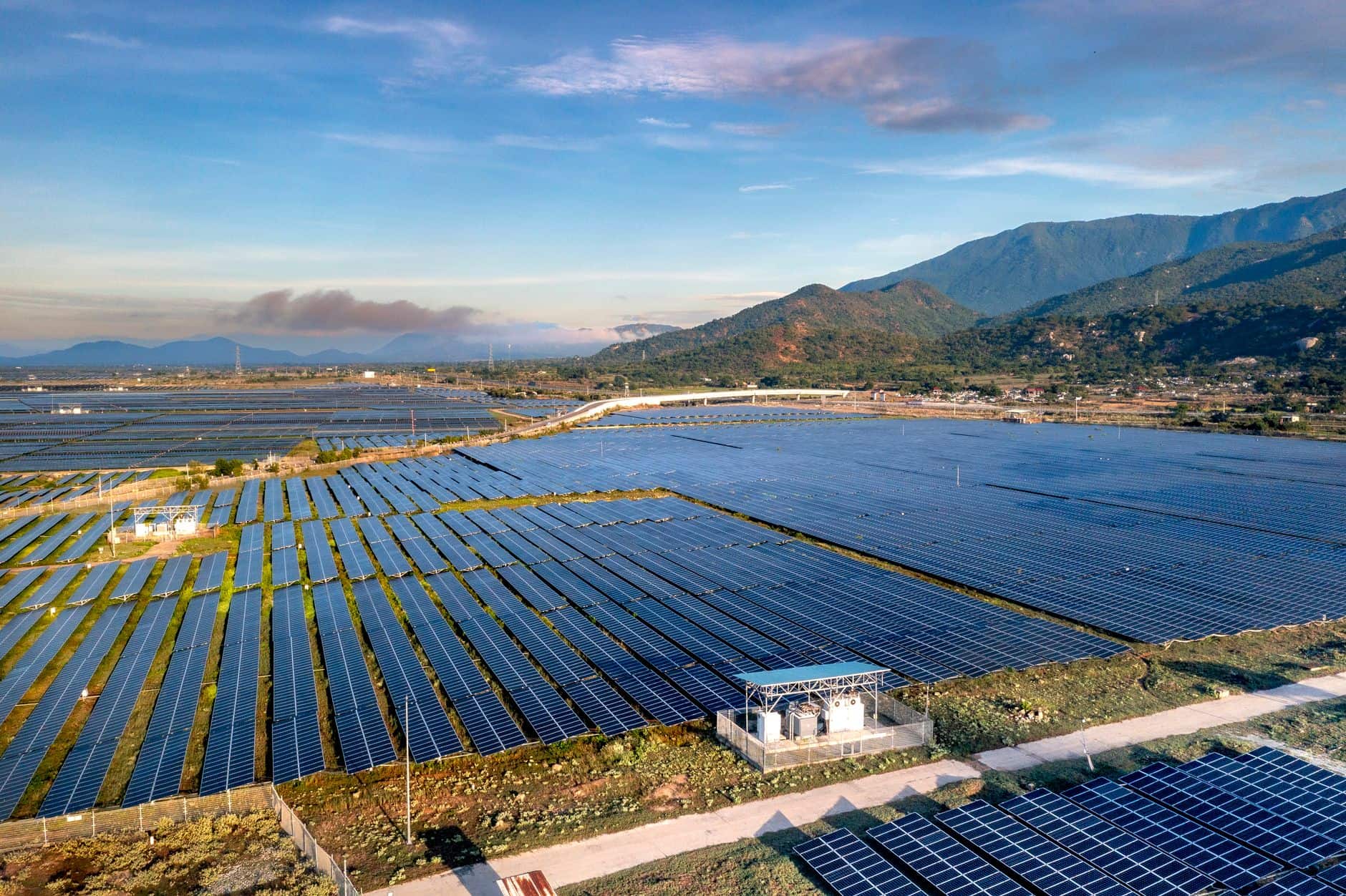
US Solar Adds 19.2 GW in H1 2026
The United States installed 19.2 GW of solar PV in the first half of 2026, driven mainly by a 61 % surge in utility‑scale projects, while residential solar slipped and permitting bottlenecks loom.
Chile’s Solar Curtailment Hits Record, Storage Ramps Up
Chile curtailed a record 2,680 GWh of solar and wind power in the first seven months of 2026, while battery storage capacity surged to over 2.6 GW, highlighting a growing flexibility gap.

Hormuz Crisis Sends Oil Prices 20% Higher
The Hormuz crisis has cut about 9 million barrels per day of oil, pushing Brent up 20 % and gas prices 40‑60 % higher, while making rooftop solar in Israel financially more attractive than ever.