Storage
Fire‑Safe 5 MWh Battery Passes Full‑Scale Test
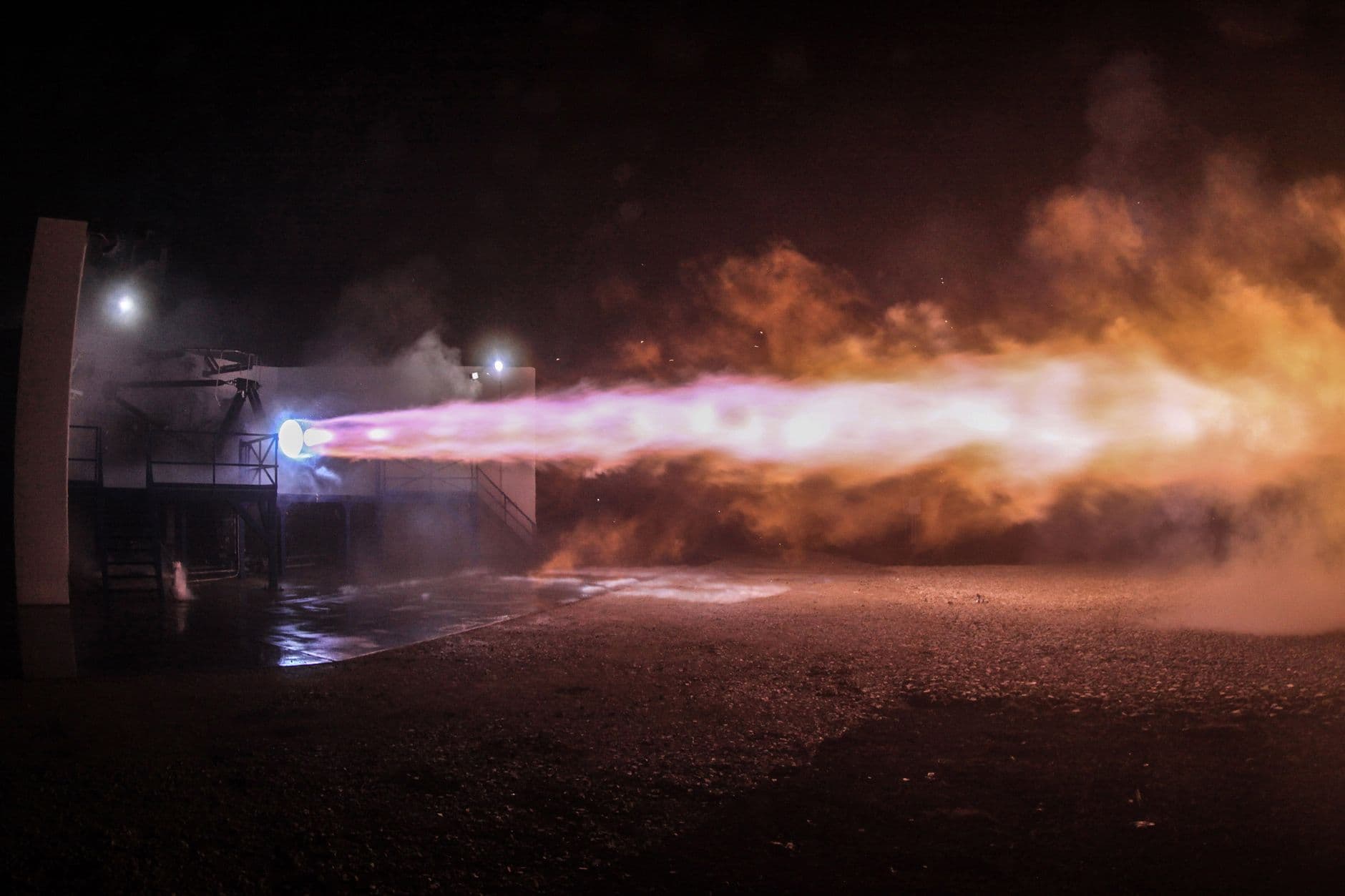
Great Power’s 5 MWh battery survives a 16‑hour fire without spreading
Great Power’s Max‑20HC‑5000 liquid‑cooled container, a 5 MWh lithium‑iron‑phosphate (LFP) system, completed a full‑scale fire test that lasted 16 hours and did not ignite any neighboring units. The test, performed at 100 % state of charge with doors closed and fire‑suppression disabled, showed that the container’s thermal isolation kept peak temperatures in adjacent modules below 70 °C – well under the venting threshold.
Test followed the strict ANSI/CAN/UL 9540A standard and proved no structural collapse
The fire scenario was designed according to the ANSI/CAN/UL 9540A:2026 protocol, which evaluates the impact of a worst‑case fire on nearby storage containers and building structures. Seven cameras inside the burning container and seven outside recorded the event, confirming that flames stayed confined to the initiating module and self‑extinguished after 16 hours. No thermal runaway was observed in any adjacent module, and the container’s optimized heat‑dissipation path performed as intended.
Certification from TÜV Rheinland validates the safety design
After the successful test, Great Power obtained a safety certificate from TÜV Rheinland, confirming compliance with international fire‑safety criteria. The company also holds an EN 9100:2018 aerospace and defense quality management certification for its Zhuhai manufacturing base, underscoring its commitment to high‑quality, automated production processes.
Why fire safety matters for large‑scale storage and solar integration
Large‑scale battery systems like Great Power’s 5 MWh unit are increasingly paired with solar farms and industrial micro‑grids to smooth intermittent generation. A fire‑safe design reduces the risk of cascading failures that could jeopardize nearby solar arrays or critical infrastructure. According to industry analysis, robust fire protection is a key factor for utilities and developers when selecting storage partners.
What it means for Israel’s renewable push
Israel aims for 30 % renewable electricity by 2030, and storage is essential to balance solar generation, especially in the sunny south where yields are around 1,880 kWh/kWp/year. A 5 MWh battery can store several hours of generation from a multi‑megawatt solar plant, allowing excess midday output to be used during evening peaks. At the typical residential feed‑in tariff of ₪0.48/kWh, a full discharge would generate a revenue of several thousand shekels, improving the economics of solar‑plus‑storage projects.
Future outlook: scaling safety standards worldwide
Great Power’s test demonstrates that high‑energy‑density LFP containers can meet stringent fire‑safety standards without sacrificing performance. As more jurisdictions adopt UL 9540A or equivalent criteria, manufacturers will likely prioritize liquid‑cooling and thermal‑isolation designs. For Israeli developers, this translates into greater confidence that imported storage solutions will integrate safely with local solar farms and comply with Electricity Authority regulations.
Bottom line
The 16‑hour fire test proved that Great Power’s Max‑20HC‑5000 can contain a worst‑case fire, avoid propagation, and maintain structural integrity, earning TÜV Rheinland certification and setting a benchmark for safe, large‑scale energy storage – a critical component for Israel’s renewable‑energy ambitions.
FAQ
What was the outcome of Great Power’s fire test?
The 5 MWh Max‑20HC‑5000 container endured a 16‑hour fire without spreading to adjacent units, and no structural collapse occurred.
Which safety standard was used for the test?
The test followed the ANSI/CAN/UL 9540A:2026 standard, the industry benchmark for fire safety of energy‑storage systems.
How does this test impact solar projects in Israel?
A fire‑safe 5 MWh battery can store excess solar output, helping Israel meet its 30 % renewable target and providing up to ₪2 400 per full discharge at residential tariffs.
What certification did Great Power receive after the test?
Great Power earned a safety certificate from TÜV Rheinland, confirming compliance with international fire‑safety criteria.
Why is fire safety critical for large‑scale batteries?
Fire‑safe designs prevent cascading failures that could damage nearby solar arrays or grid infrastructure, making storage more reliable for utilities and developers.
Share this post
More from Storage
6
BESS Gains Speed Edge in Data Centers
BESS now beats gas generators on speed‑to‑power and cost per MWh for data centers, but still lags on long‑duration backup and continuous prime power.
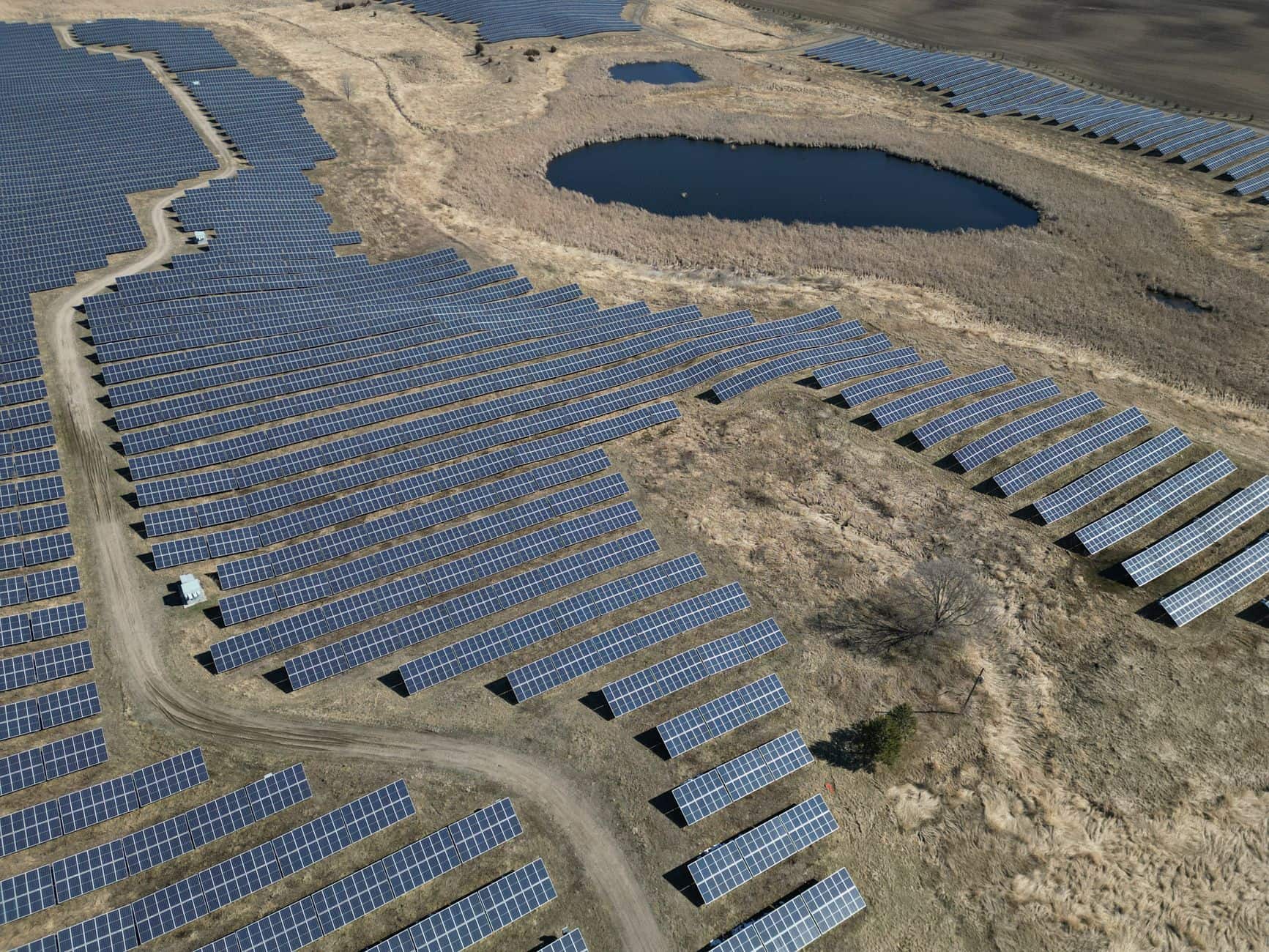
Baltic Utility Boosts Solar & Storage to 600 MW
Latvenergo aims to add 600 MW of new wind and solar by 2026 and is already developing over 250 MW of battery storage, a move that highlights how hybrid projects can boost renewable growth and grid stability.
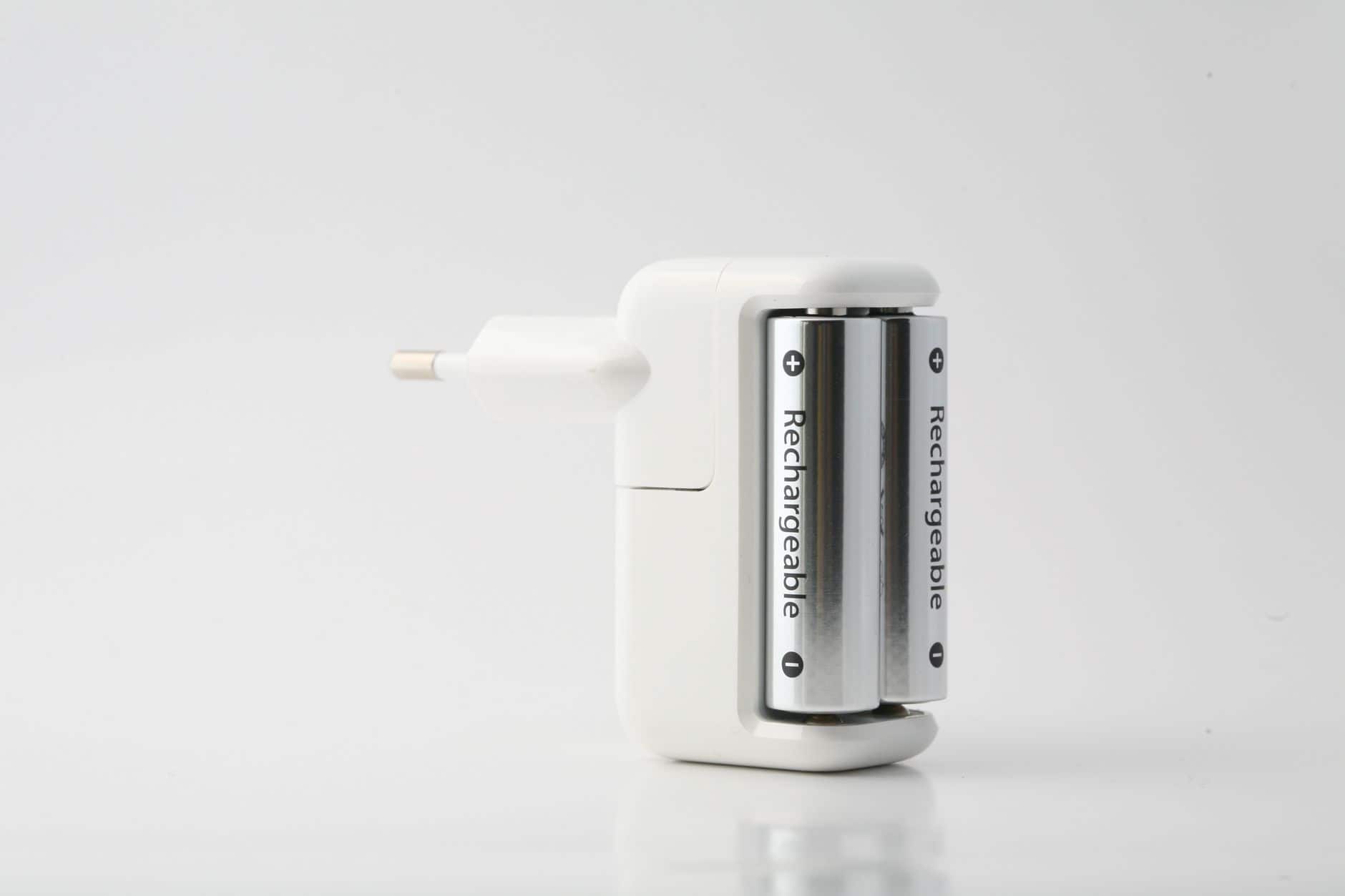
Plug‑in Battery Saves German Renters €120/yr
Rabot Energy’s plug‑in 2 kWh battery, sold at cost, lets German apartment renters save about €120 a year by charging during cheap grid periods and discharging at price spikes.

Thicker Battery Electrodes Boost Energy Density 15%
Fraunhofer ISE’s new thick‑film electrodes boost lithium‑ion, sodium‑ion and zinc‑ion cell energy density by up to 15 % without extra weight, while cutting production cost and eliminating PFAS chemicals.
Sungrow Chooses Samsung SDI Cells US Storage
Sungrow will source Samsung SDI LFP battery cells for its U.S. energy‑storage systems, a three‑year, multi‑gigawatt‑hour deal aimed at bypassing China‑linked supply‑chain restrictions.
HiNa Battery Secures 10 GWh Sodium‑Ion Deal in Korea
HiNa Battery signed a five‑year deal to supply South Korea’s Volta with up to 10 GWh of sodium‑ion batteries, expanding the earlier 15 MWh pilot and marking a major GWh‑scale order for the Korean market.