Storage
Plug‑in Battery Saves German Renters €120/yr
Quick Take: Renters can earn about €120 a year with a plug‑in 2 kWh battery that charges when electricity is cheap and discharges at price spikes.
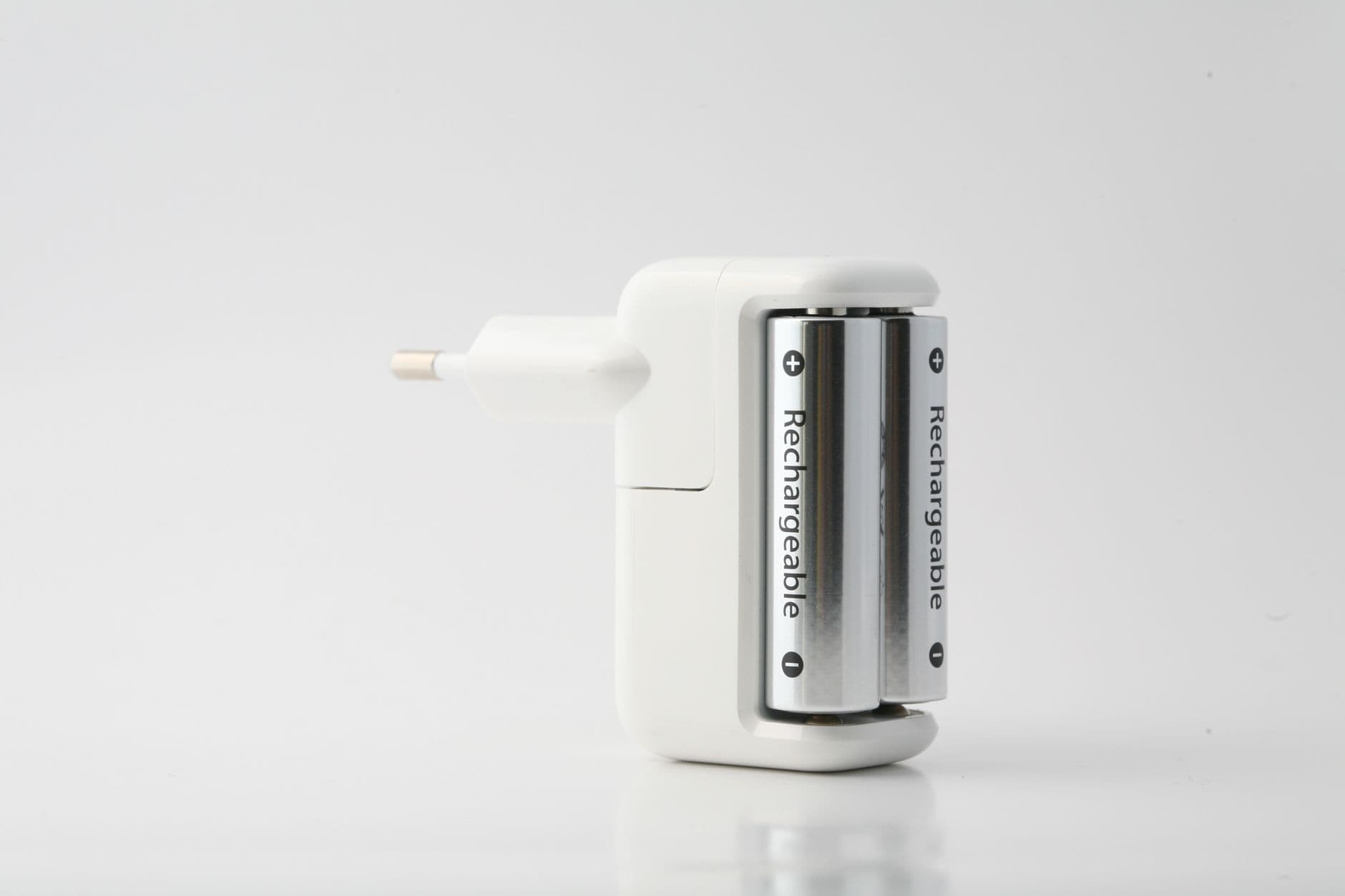
Rabot Energy’s new Rabot Flow is a 2.12 kWh lithium‑iron‑phosphate (LFP) battery that plugs straight into a wall socket – no electrician, no smart meter, no rooftop panels. By linking the battery to Rabot’s dynamic tariff app, renters automatically charge during low‑price periods (including the roughly 1,000 hours of negative or zero prices Germany saw in 2023) and discharge when spot‑market prices surge, delivering a flat‑rate saving of €120–€130 per year per unit.
How the Plug‑in Battery Works: Simple hardware, smart software.
The Rabot Flow is an AC‑only module that draws power from the grid and stores it in a 2 kWh internal battery. It connects to the Rabot Energy app via a dedicated cloud API built by Marstek, allowing the system to schedule charging and discharging without any on‑site hardware. Because the device is limited to 800 W output – the legal ceiling for standalone storage in Germany – it can’t capture the full height of very short price spikes, but running several units on different circuits can overcome that limitation, as Rabot’s COO Konrad Schade explains.
Economic Case: €120 a year is realistic, not hype.
Rabot sells the battery at cost (€400) and adds no profit margin. The company guarantees the €120‑year saving as a flat credit to the customer’s account, bypassing the need for a smart meter or a lengthy installation process. Independent analysis from ESS News confirms that the savings stem from arbitraging the negative‑price windows that occurred on days like May 1st, 2023, when German spot prices fell to ‑€0.40 /kWh. The same figures are echoed by Clean Energy Wire, which notes that German renters historically missed out on rooftop PV benefits and that such plug‑in storage can close that “solar gap”.
Regulatory Landscape: Why the battery can be installed by anyone.
Recent German regulations lifted the requirement for a certified electrician on storage units under 800 W, and clarified that energy stored and later fed back to the grid is classified as “stored grid energy”, exempt from double grid‑fee billing. This legal clarity enables Rabot to ship the battery directly to renters, who simply plug it in and activate it through the app. The company had to negotiate with ≈800 distribution system operators (DSOs) to ensure the corrected billing works, as noted by Schade, but the effort paid off: the battery can be deployed immediately under standard load‑profile tariffs.
Comparison with Solar‑plus‑Battery Systems.
Traditional German home‑energy setups combine rooftop PV with larger, grid‑tied batteries. Those systems face EEG accounting complexities and require additional meters, making them uneconomical for apartment tenants. Rabot’s grid‑only approach sidesteps those hurdles while delivering comparable financial benefits: the €120 annual saving is roughly the same order of magnitude as the yearly profit a small 2 kW PV system would generate for a German homeowner after feed‑in tariffs, according to the German Solar Association.
What It Means for Israel: A comparable ROI for residential solar.
While Israel does not yet have a plug‑in battery market identical to Germany’s, the financial logic is familiar. Using the typical Israeli residential tariff of ₪0.48 /kWh and a turnkey installation cost of ₪3,150 /kWp, a 10 kWp rooftop PV system produces about 17,000 kWh/year (≈₪8,160 revenue) and pays back in ~3.9 years – a figure published in the Israeli solar‑energy handbook. The Rabot Flow’s €120/yr saving translates to roughly ₪450 /yr at today’s exchange rate, which is about 5 % of the annual revenue of a modest 10 kWp Israeli system. For Israeli renters who cannot install PV, a similar plug‑in battery could therefore offer a quick‑payback, low‑cost entry into grid‑flexibility services, especially as Israel’s dynamic tariffs evolve. Interested readers can run their own calculations on our solar ROI calculator.
Outlook: Scaling beyond Germany.
Rabot Energy already serves ≈180,000 customers and plans to roll out the Flow in Austria and Poland. The company’s strategy hinges on customer retention: over 90 % of buyers who connect the battery to the app stay with Rabot long‑term, turning a modest €120 saving into a powerful loyalty tool. As more European utilities adopt dynamic tariffs and relax storage regulations, plug‑in batteries could become a standard offering for the rental market, delivering both consumer savings and grid‑stability benefits.
For more on Germany’s evolving storage market, see the full interview with Konrad Schade at the IFA 2026 exhibition.
FAQ
How does the Rabot Flow battery charge without solar panels?
It plugs into a regular wall socket and charges from the grid during low‑price hours, then discharges when spot‑market prices rise.
Do renters need a smart meter for the battery to work?
No. The battery works with standard load‑profile tariffs, and the Rabot app schedules charging automatically.
What is the expected annual saving?
Rabot guarantees a flat‑rate saving of €120–€130 per year per battery.
Can the battery be moved to a new apartment?
Yes. Weighing only 22 kg, the AC‑only unit is portable and can be re‑plugged in a new rental.
Is this model profitable for Rabot Energy?
Rabot sells the hardware at cost and uses the battery to boost customer retention, turning modest savings into long‑term loyalty.
Could a similar battery work in Israel?
Yes – a plug‑in battery paired with dynamic tariffs could give Israeli renters a quick‑payback, similar to the 5 % annual return a 10 kWp PV system provides.
Share this post
More from Storage
6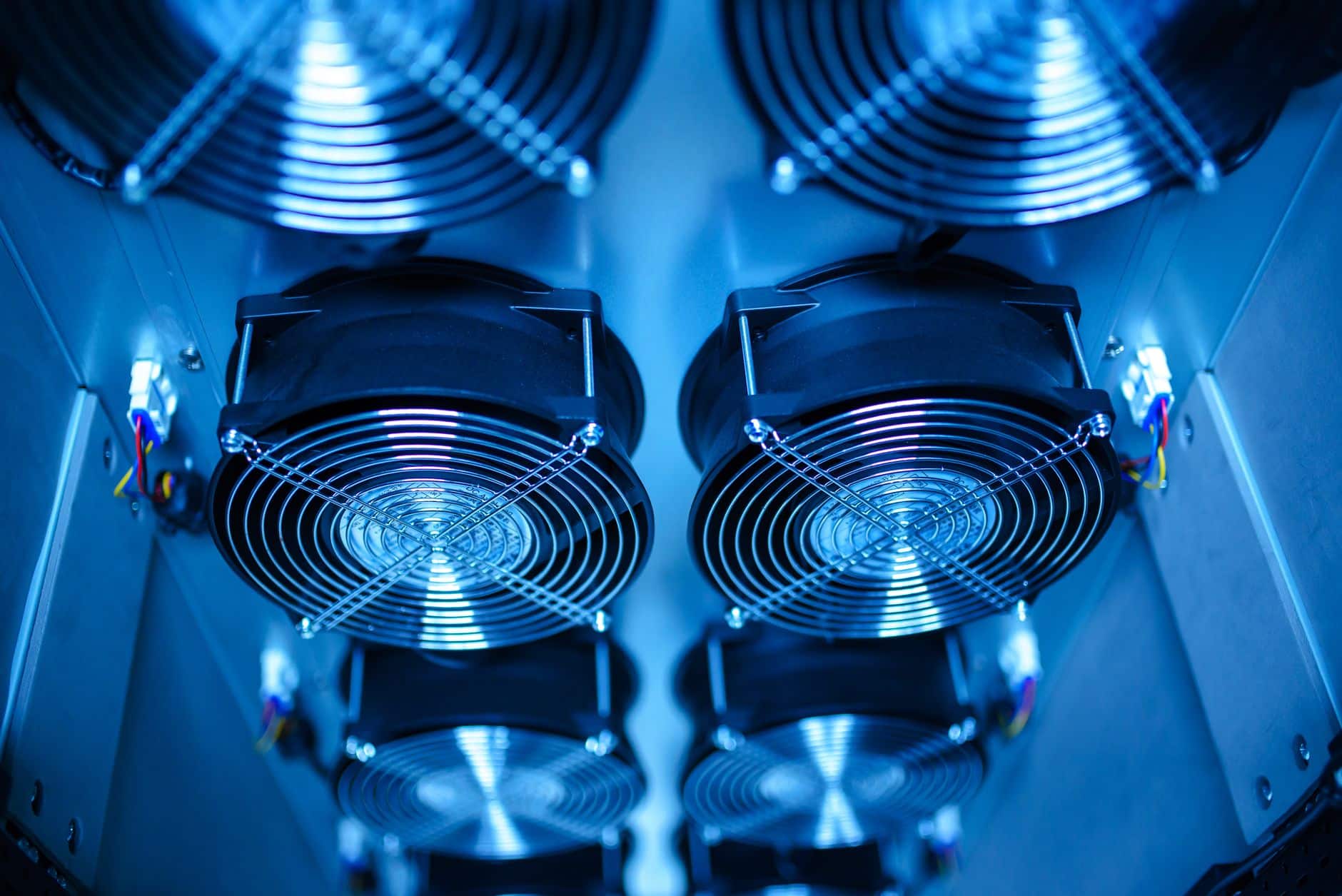
BESS Gains Speed Edge in Data Centers
BESS now beats gas generators on speed‑to‑power and cost per MWh for data centers, but still lags on long‑duration backup and continuous prime power.

Baltic Utility Boosts Solar & Storage to 600 MW
Latvenergo aims to add 600 MW of new wind and solar by 2026 and is already developing over 250 MW of battery storage, a move that highlights how hybrid projects can boost renewable growth and grid stability.

Thicker Battery Electrodes Boost Energy Density 15%
Fraunhofer ISE’s new thick‑film electrodes boost lithium‑ion, sodium‑ion and zinc‑ion cell energy density by up to 15 % without extra weight, while cutting production cost and eliminating PFAS chemicals.
Sungrow Chooses Samsung SDI Cells US Storage
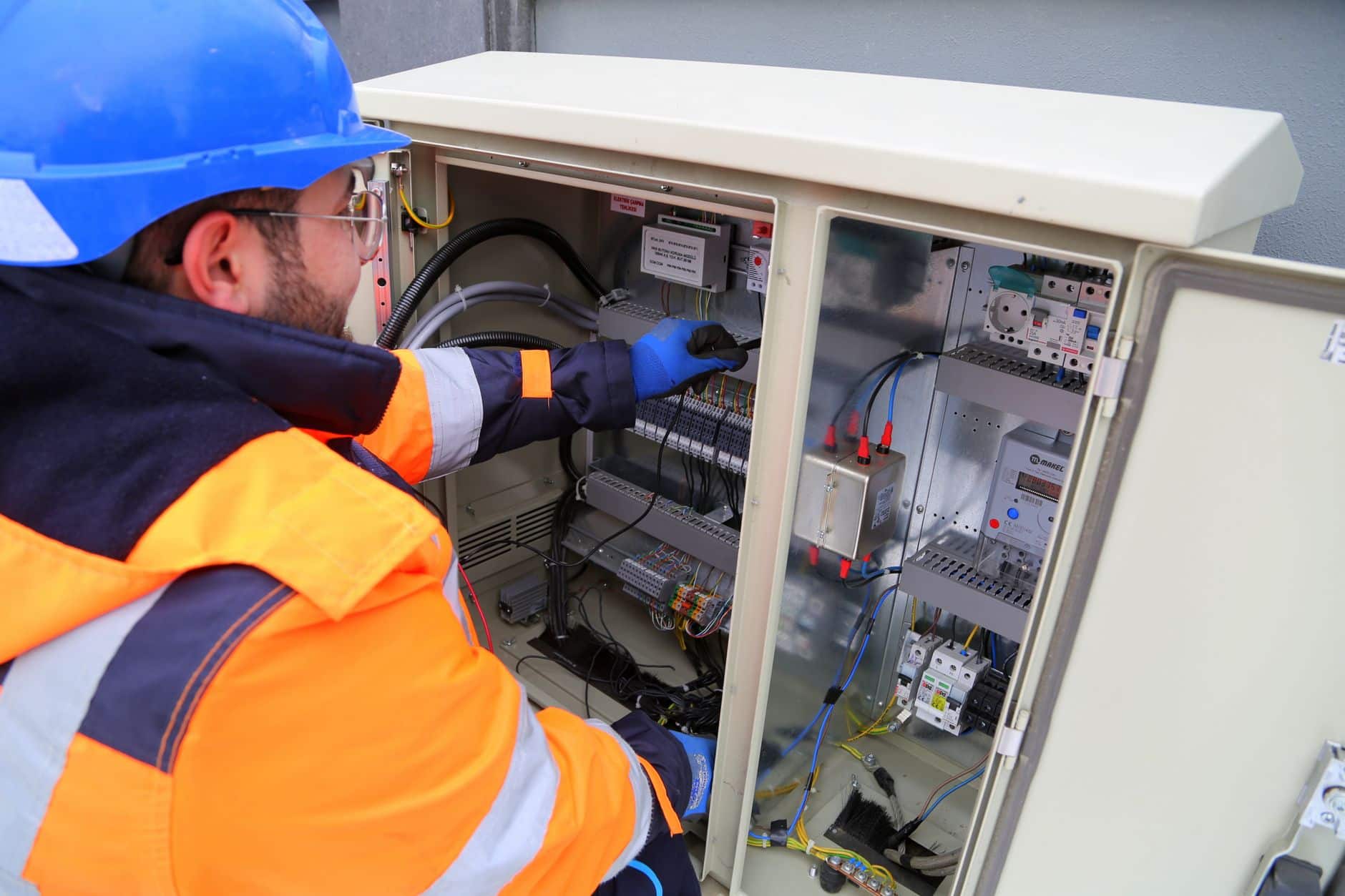
Sungrow will source Samsung SDI LFP battery cells for its U.S. energy‑storage systems, a three‑year, multi‑gigawatt‑hour deal aimed at bypassing China‑linked supply‑chain restrictions.
HiNa Battery Secures 10 GWh Sodium‑Ion Deal in Korea
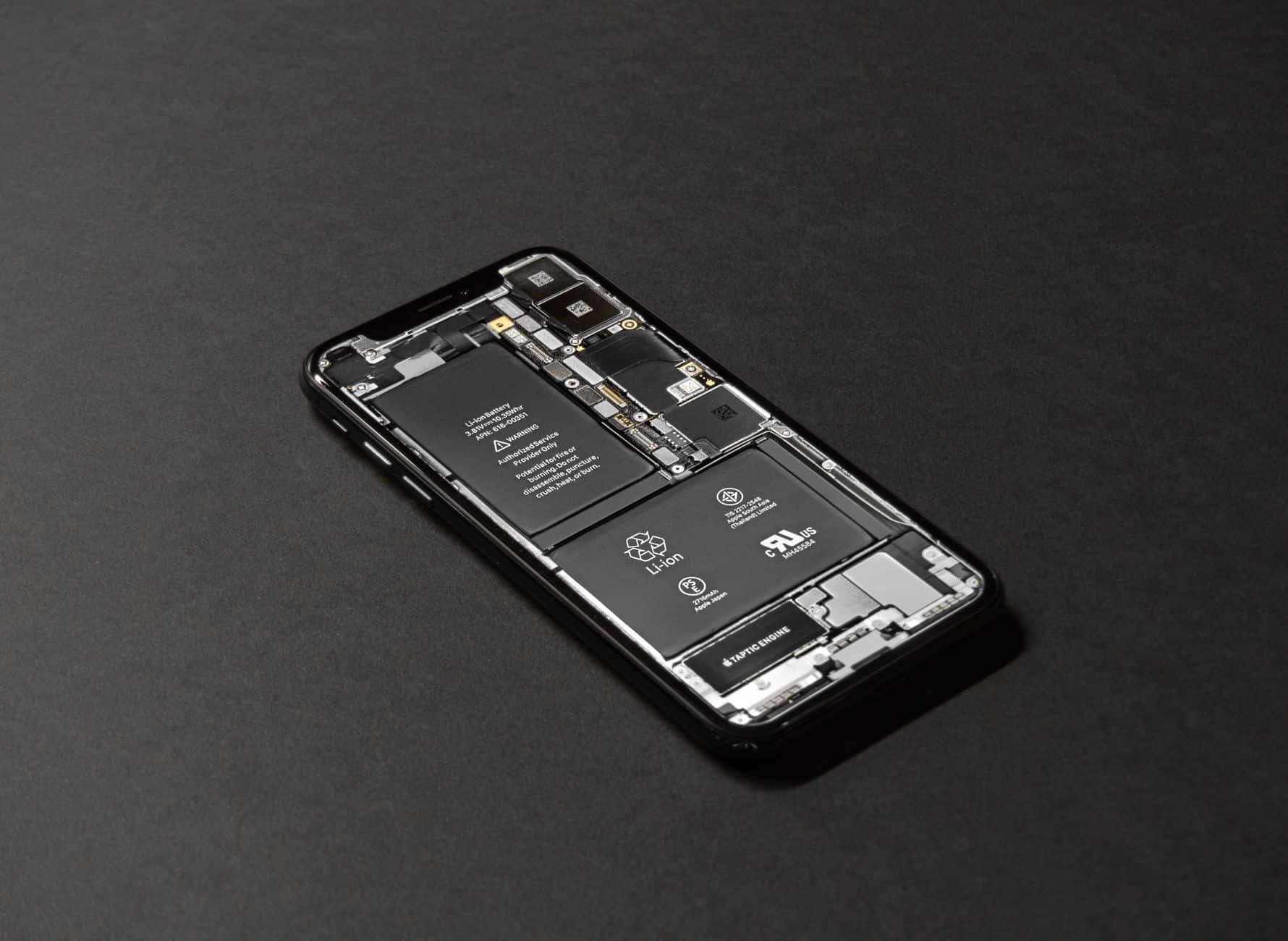
HiNa Battery signed a five‑year deal to supply South Korea’s Volta with up to 10 GWh of sodium‑ion batteries, expanding the earlier 15 MWh pilot and marking a major GWh‑scale order for the Korean market.

Fire‑Safe 5 MWh Battery Passes Full‑Scale Test
Great Power’s 5 MWh liquid‑cooled battery passed a 16‑hour full‑scale fire test without spreading flames, earning TÜV Rheinland certification and setting a new safety benchmark for large‑scale storage.