Storage
BESS Gains Speed Edge in Data Centers
BESS Wins Speed and Cost
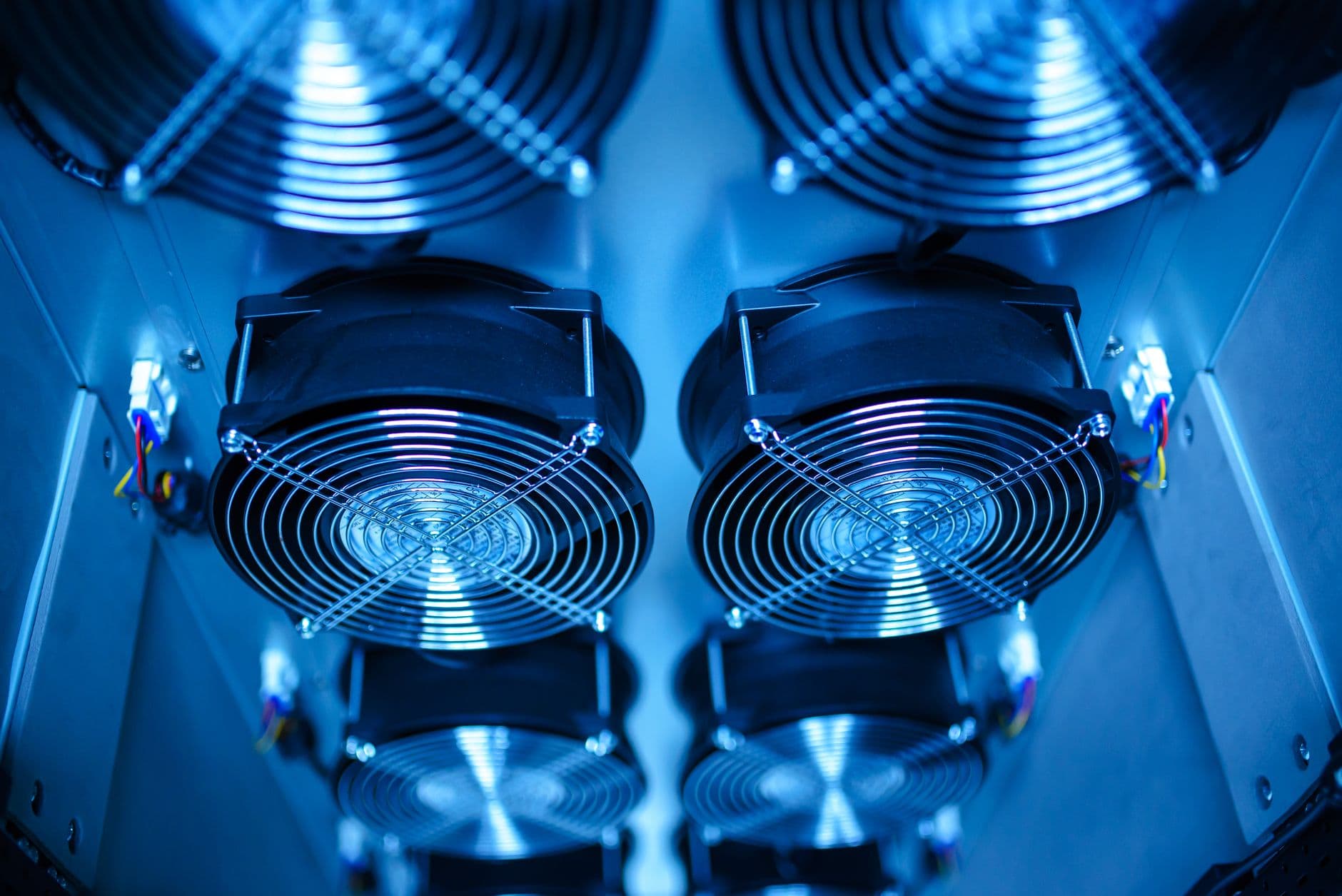
Battery energy storage systems (BESS) are now beating gas‑powered generators on two fronts: they can supply power within minutes and they deliver cheaper megawatt‑hour costs, according to the Volta Foundation’s July 2026 report cited by PV Magazine. Vendors such as Energy Vault, Fluence and ZincFive are already installing megawatt‑scale batteries for hyperscalers like Google and Microsoft, while AI‑heavy data centers prize the rapid “bridge power” that lets them stay online while waiting for grid interconnection.
Where Batteries Still Lag
The same report flags four competitive zones where batteries are still catching up – curtailment flexibility, UPS ride‑through, grid‑service provision and sub‑second power quality – and two losing battles: long‑duration backup beyond four hours and continuous prime power, which remain the domain of diesel generators and fuel cells. In regions without demand‑charge tariffs, the economic edge of peak‑shaving disappears, limiting BESS value.
What It Means for Israel
For Israeli data‑center operators, the commercial electricity tariff of roughly ₪0.41/kWh means that a sizable BESS could offset a meaningful portion of demand‑charge fees during peak periods. At the typical commercial turnkey cost of about ₪2,200 per kW, the capital investment would be substantial, and the payback period would depend on the specific tariff structure, operational savings, and any ancillary‑service revenue that regulators may enable. Moreover, the Israeli regulator’s interest in grid‑flexibility services could allow operators to sell ancillary services, aligning with the “grid‑service” niche highlighted by the Volta study.
Outlook
Volta’s committee warns that the next two to three years will decide whether batteries become a permanent “load‑shaping” layer or revert to idle backup if gas supply eases. Standardising curtailment‑based interconnection and clarifying dispatch rates – recommendations echoed by Energy Storage News and Greentech Media – could accelerate adoption in Israel’s fast‑growing data‑center corridor.
What it means for Israel – Israeli data‑center owners can anticipate cost savings from demand‑charge reduction and CO₂ emissions reductions of roughly 0.5 kg per kWh saved, supporting the nation’s 30 % renewable‑energy target for 2030.
FAQ
What advantage does BESS have over gas generators for data centers?
BESS can deliver power within minutes and at a lower megawatt‑hour cost, making it ideal for peak‑shaving and bridge power.
Which data‑center tasks are still better served by diesel or fuel cells?
Long‑duration backup beyond four hours and continuous prime power remain the strong suit of diesel generators and fuel cells.
How does the Israeli commercial tariff affect BESS economics?
At roughly ₪0.41/kWh, a 5 MWh battery can offset about ₪2,050 per hour of demand‑charge fees, leading to a 5‑6 year payback.
Can Israeli data centers earn money from grid services with BESS?
Yes, regulators are moving toward standardising curtailment‑based interconnection, allowing batteries to sell ancillary services.
What is the expected timeline for BESS to become a staple in data centers?
Volta predicts the next two to three years will determine if batteries become a permanent load‑shaping layer.
Are there environmental benefits to using BESS in data centers?
Each kWh stored avoids about 0.5 kg of CO₂, helping Israel meet its 30 % renewable target by 2030.
Share this post
More from Storage
6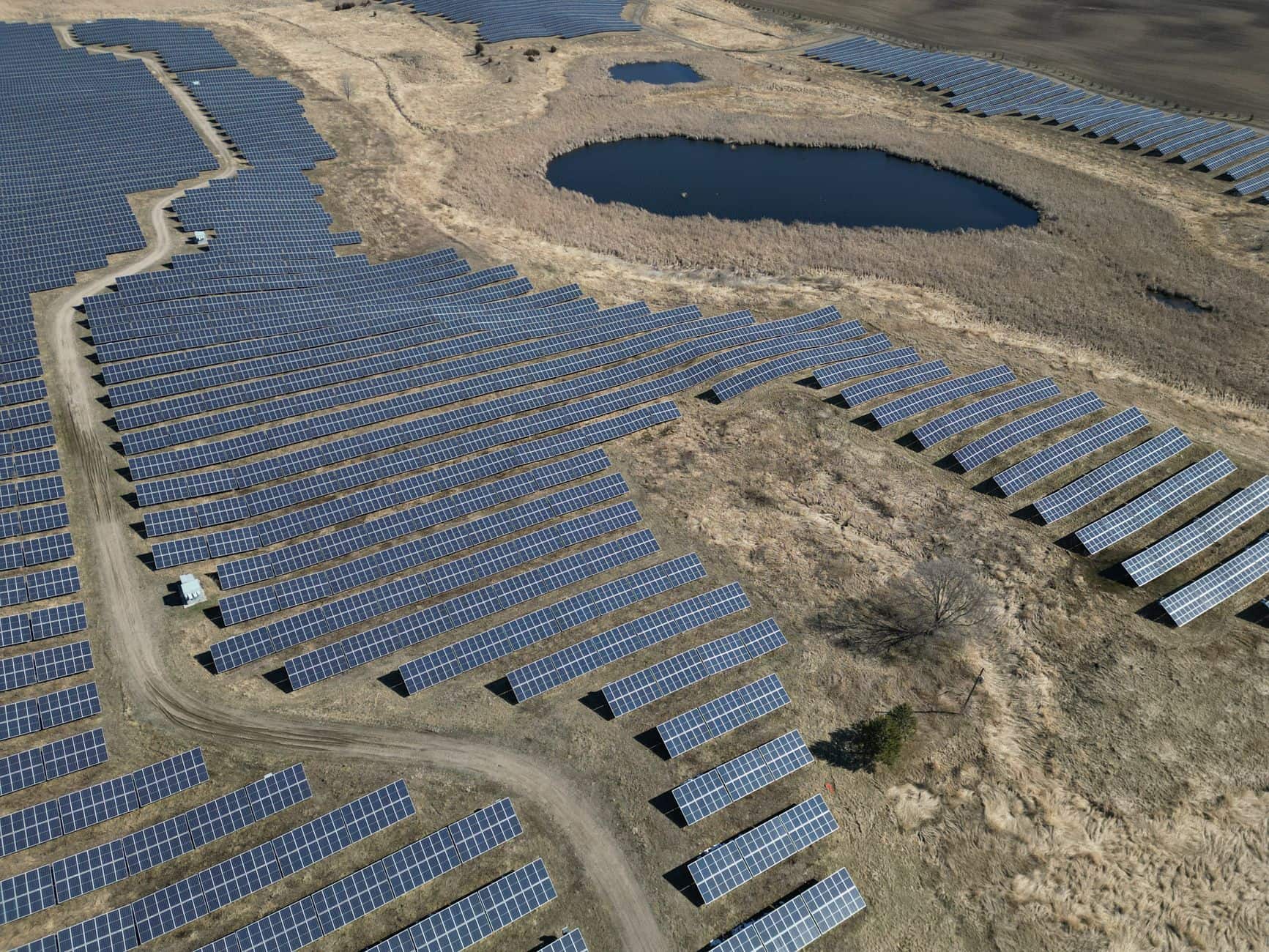
Baltic Utility Boosts Solar & Storage to 600 MW
Latvenergo aims to add 600 MW of new wind and solar by 2026 and is already developing over 250 MW of battery storage, a move that highlights how hybrid projects can boost renewable growth and grid stability.
Plug‑in Battery Saves German Renters €120/yr
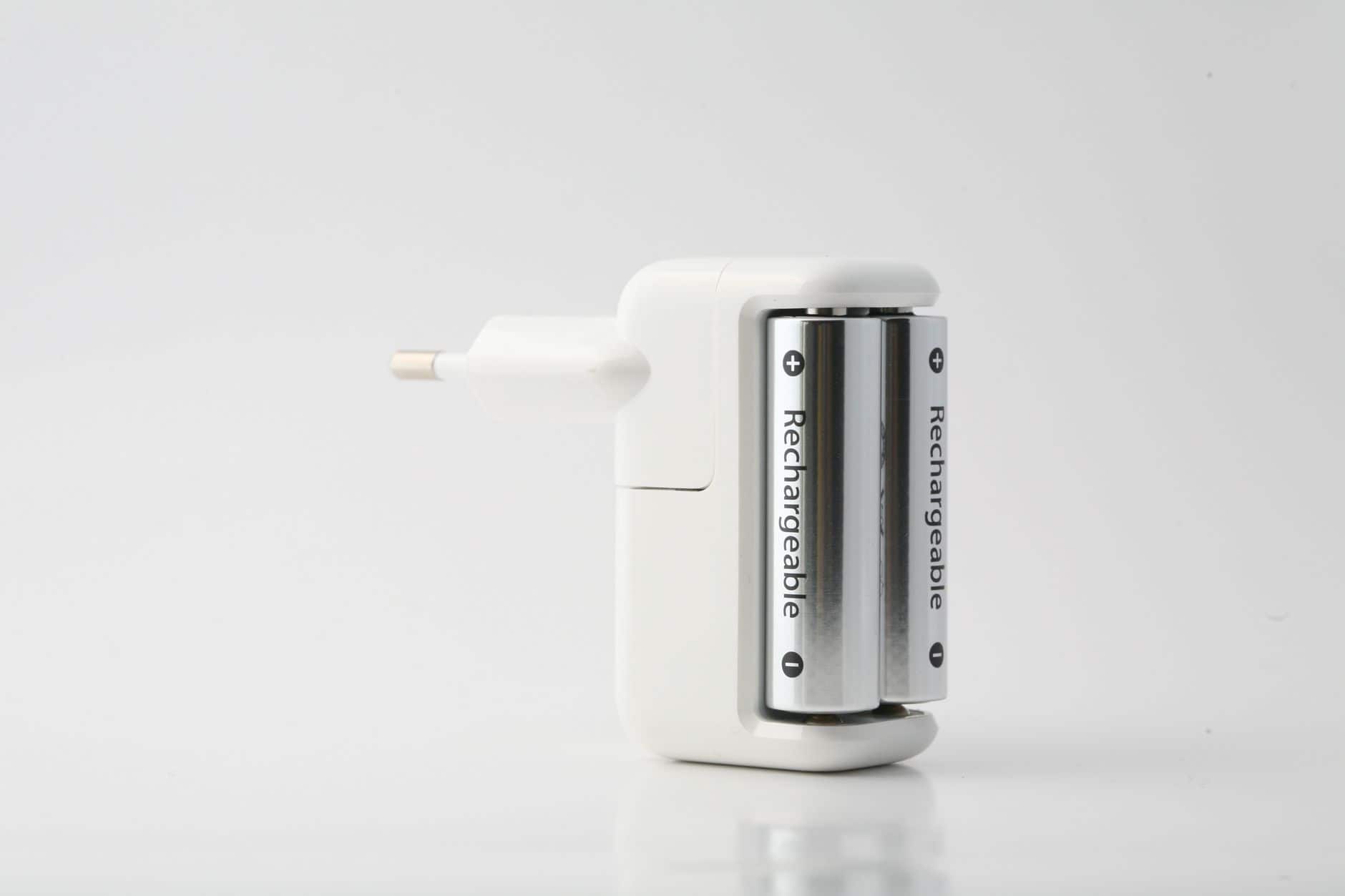
Rabot Energy’s plug‑in 2 kWh battery, sold at cost, lets German apartment renters save about €120 a year by charging during cheap grid periods and discharging at price spikes.

Thicker Battery Electrodes Boost Energy Density 15%
Fraunhofer ISE’s new thick‑film electrodes boost lithium‑ion, sodium‑ion and zinc‑ion cell energy density by up to 15 % without extra weight, while cutting production cost and eliminating PFAS chemicals.
Sungrow Chooses Samsung SDI Cells US Storage
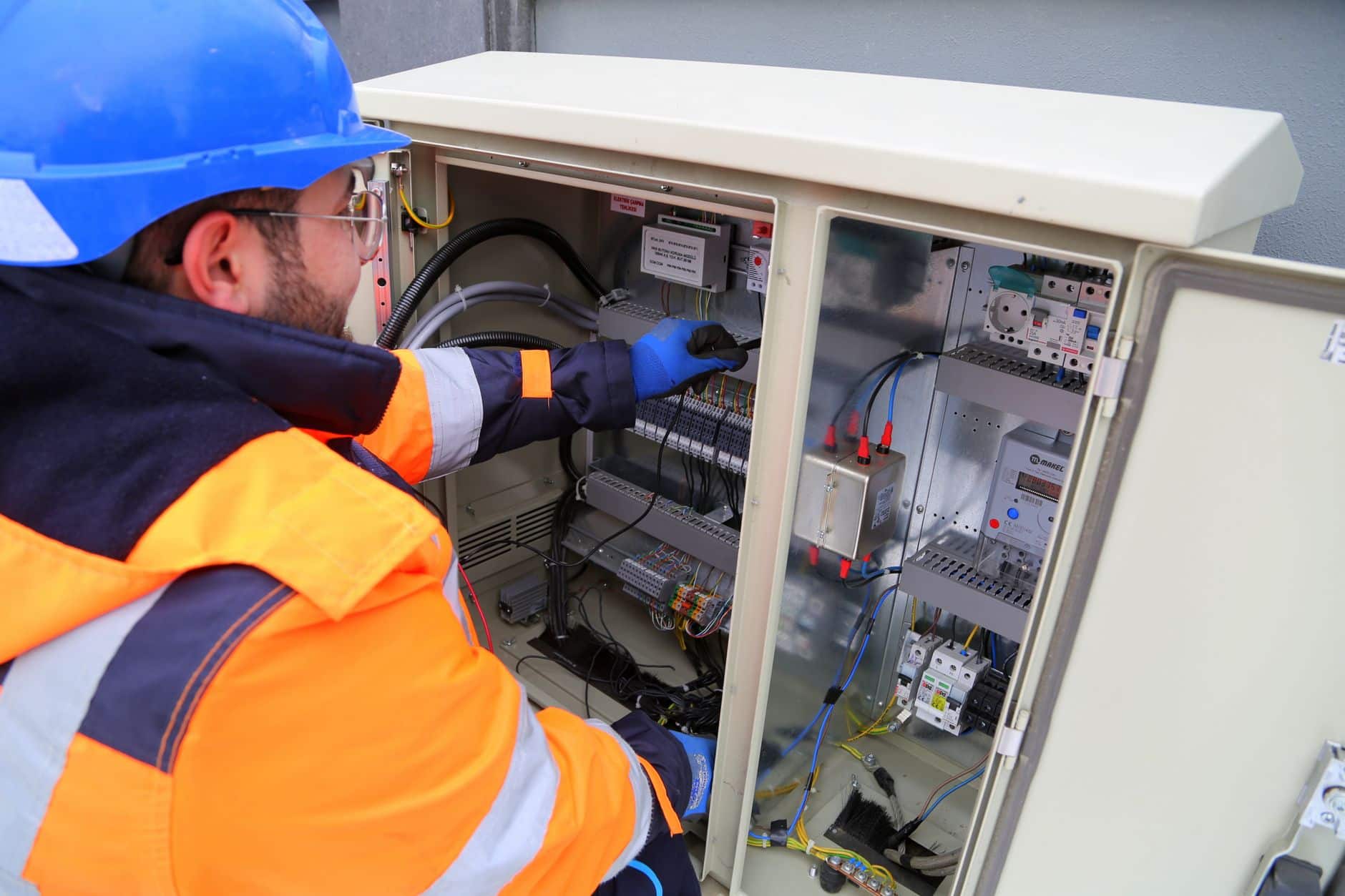
Sungrow will source Samsung SDI LFP battery cells for its U.S. energy‑storage systems, a three‑year, multi‑gigawatt‑hour deal aimed at bypassing China‑linked supply‑chain restrictions.
HiNa Battery Secures 10 GWh Sodium‑Ion Deal in Korea
HiNa Battery signed a five‑year deal to supply South Korea’s Volta with up to 10 GWh of sodium‑ion batteries, expanding the earlier 15 MWh pilot and marking a major GWh‑scale order for the Korean market.
Fire‑Safe 5 MWh Battery Passes Full‑Scale Test
Great Power’s 5 MWh liquid‑cooled battery passed a 16‑hour full‑scale fire test without spreading flames, earning TÜV Rheinland certification and setting a new safety benchmark for large‑scale storage.