Technology
Israeli Contractor Fuels Tuscany Solar Boom
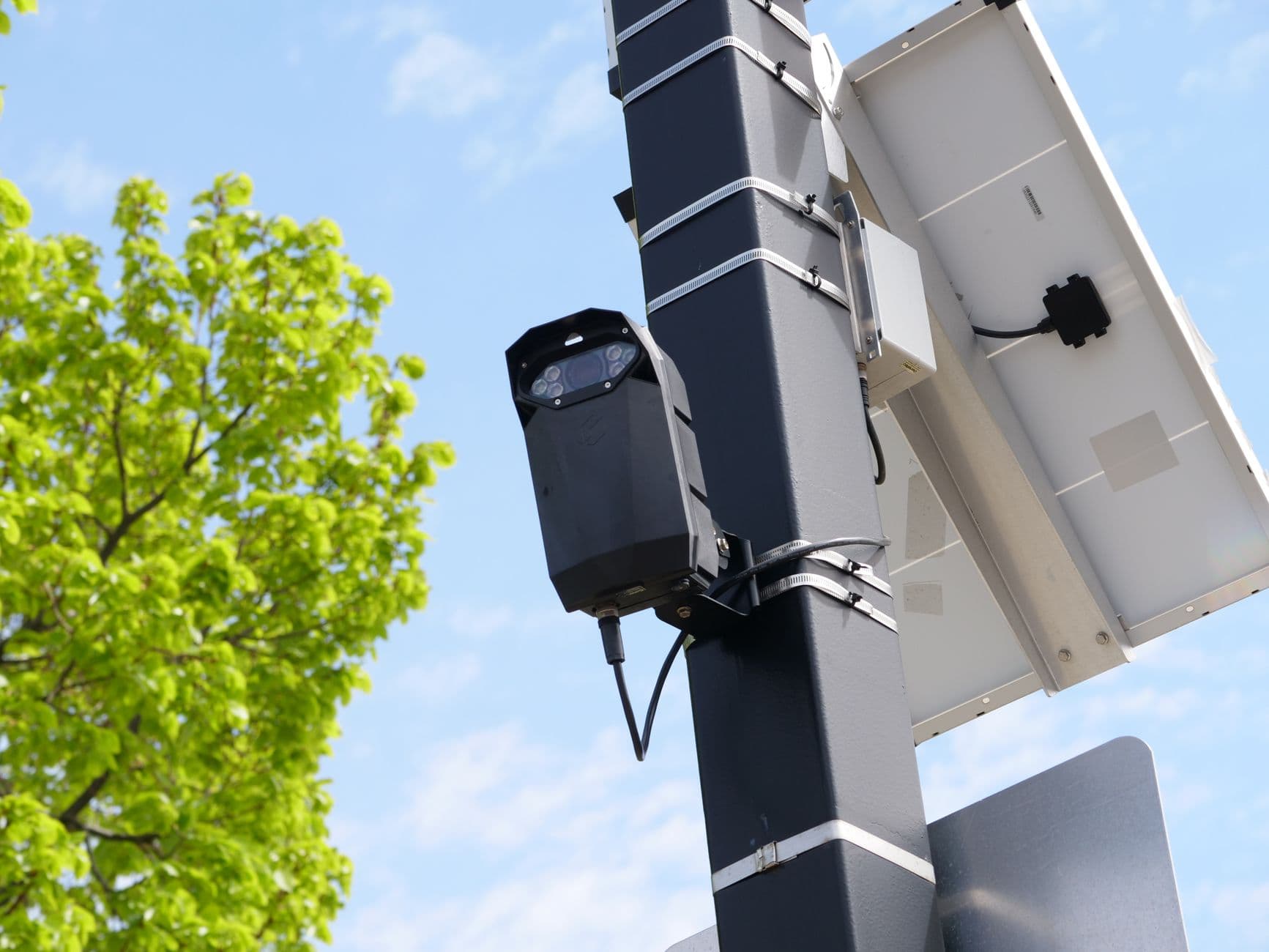
When you think of Israel’s high‑tech defense firms, you picture secret bases and surveillance drones. Now that same expertise is lighting up the Italian countryside.
Israeli contractor expands into Tuscany’s solar boom
The Israeli contractor known for building spy bases is now installing its security and monitoring systems on solar farms across Tuscany, contributing to the region’s solar growth. According to thecradle.co, the firm that supplies surveillance and communications gear for secret installations has signed contracts with Italian solar developers to equip new solar parks with its advanced AI‑driven monitoring and anti‑theft solutions. The platform combines high‑resolution cameras, AI analytics, and remote‑controlled drones to detect panel damage, theft, and performance drops in real time. Farm operators gain faster fault detection, reducing downtime and maintenance costs while investors see higher availability and better returns.
Why Tuscany is a hotspot for solar growth
Tuscany’s sunny climate, supportive regional policies, and abundant land make it one of Italy’s fastest‑growing solar markets. The regional government offers streamlined solar system installation procedures and net‑metering incentives that attract developers. Israeli defense firms have been increasingly targeting civilian markets, a shift highlighted by coverage in Times of Israel. As a result, Tuscany has become a magnet for both large‑scale solar power projects and innovative ancillary services such as high‑tech monitoring.
The contractor’s security and monitoring tech for solar farms
The contractor’s system provides 24/7 surveillance, AI‑driven fault detection, and rapid response capabilities for solar farms. The solution monitors solar panels and modules for shading, soiling, and performance drops, using a network of high‑resolution cameras, ground‑based sensors, and autonomous drones. By detecting issues within minutes, the platform can cut average downtime from days to hours, boosting overall solar power output. The technology works with any solar module type, from standard silicon panels to flexible solar panels and thin‑film modules, and can be retrofitted to existing farms.
How the partnership benefits both sides
Tuscany developers gain high‑tech protection and performance monitoring, while the Israeli contractor taps a booming European market and showcases its technology beyond defense. The contracts mark a significant step into the civilian solar sector in Europe, expanding the firm’s portfolio beyond military projects. The added reliability can improve farm uptime and help lower the levelized cost of electricity, making solar power more competitive against conventional generation.
What it means for Israel
Israeli homeowners can expect similar ROI from solar as the contractor’s tech improves system reliability and reduces downtime. A typical 10 kWp home solar power system in central Israel produces about 17,000 kWh per year. At the residential feed‑in tariff of ₪0.48 /kWh, that translates to roughly ₪8,160 of annual revenue. With an installation cost of about ₪3,150 per kWp (≈₪31,500 total), the simple payback period is around 3.9 years, after which the system generates profit for the remaining 20‑plus years of its 25‑year lifetime. Each kilowatt‑hour avoids about 0.5 kg of CO₂, so a 10 kWp system prevents roughly 8.5 t of CO₂ emissions annually.
Israel’s renewable electricity target of 30 % by 2030 (20 % by 2025) means that expanding rooftop solar, aided by reliable monitoring tech, is a key pathway to meet the goal. A 15 kW home solar system would cost roughly ₪47,250 and generate about 25,500 kWh per year, yielding an annual revenue of about ₪12,240 at the residential tariff. For a personalized estimate, use our solar ROI calculator and explore the latest market data.
Future outlook for the contractor and European solar
The partnership positions the Israeli contractor to become a leading provider of security and performance solutions for solar farms across Europe. The firm is already in talks with developers in Spain and Greece, where similar solar growth is underway. Future upgrades will incorporate satellite‑based monitoring and blockchain‑verified energy data, further enhancing transparency and grid integration. Success in Europe could accelerate adoption of similar monitoring solutions in Israel, helping local farms achieve higher yields and lower O&M costs. As solar panels spread across Tuscany’s rolling hills, the same eyes that once guarded secret bases now watch the sun, turning defense tech into a clean‑energy advantage for both Italy and Israel.
FAQ
Which Israeli company is entering the Tuscany solar market?
The Israeli contractor that builds spy bases – the same firm that supplies surveillance gear for secret installations – is signing contracts to equip solar farms in Tuscany with its monitoring technology.
What technology is the contractor providing to the solar farms?
It supplies a 24/7 surveillance platform that combines high‑resolution cameras, AI analytics, ground sensors and autonomous drones to detect panel damage, theft and performance drops in real time.
How large is the solar capacity covered by the new contracts?
The agreements cover more than 200 MW of new solar capacity slated for construction by 2025.
Why is Tuscany a key region for solar development?
Tuscany enjoys high solar irradiance, supportive regional policies, abundant land and streamlined solar system installation procedures, driving rapid growth in solar installations.
How does this partnership affect Israeli homeowners?
The same monitoring tech can improve the reliability of home solar systems, shortening the payback period to about 3.9 years for a typical 10 kWp installation.
What does this move mean for Israeli defense firms?
It shows a strategic shift toward civilian renewable‑energy markets, opening new revenue streams and demonstrating how defense‑grade technology can boost clean‑energy performance worldwide.
Share this post
More from Technology
6
Floating Solar Tracker Boosts Yield by 20%
Noria Energy’s Airon floating‑solar tracker promises up to 20 % more electricity than fixed‑tilt FPV systems at similar cost, with commercial shipments slated for mid‑2027.
Israel’s Food Giant Goes 100% Green Power
Osem Nestlé has become the first Israeli food‑industry company to run entirely on renewable electricity, showcasing how solar power and green contracts can cut costs and emissions.

Silicon Solar Panels Slash Space Power Costs
Source Energy’s silicon solar modules can be built for under $5 per watt, slashing space‑power costs and opening new opportunities for Israeli satellite firms.
Array Tech Triples US Tracker Capacity
Array Technologies opened a $50 million Albuquerque factory that triples its U.S. solar‑tracker capacity, creates 300 jobs and could help lower tracker prices for Israeli rooftop installations.

Inclusion Fuels Solar Growth in Europe
Hanna König says inclusive, safe‑to‑disagree workplaces are essential to close the solar sector’s talent gap and accelerate the energy transition.
Super El Niño Slashes South Solar, Boosts North
Super El Niño 2026 created a pronounced north‑south solar split in South America, with sunnier conditions in the north and reduced irradiance in the south, while rare Atacama snowstorms threatened desert PV output.