Technology
Inclusion Fuels Solar Growth in Europe
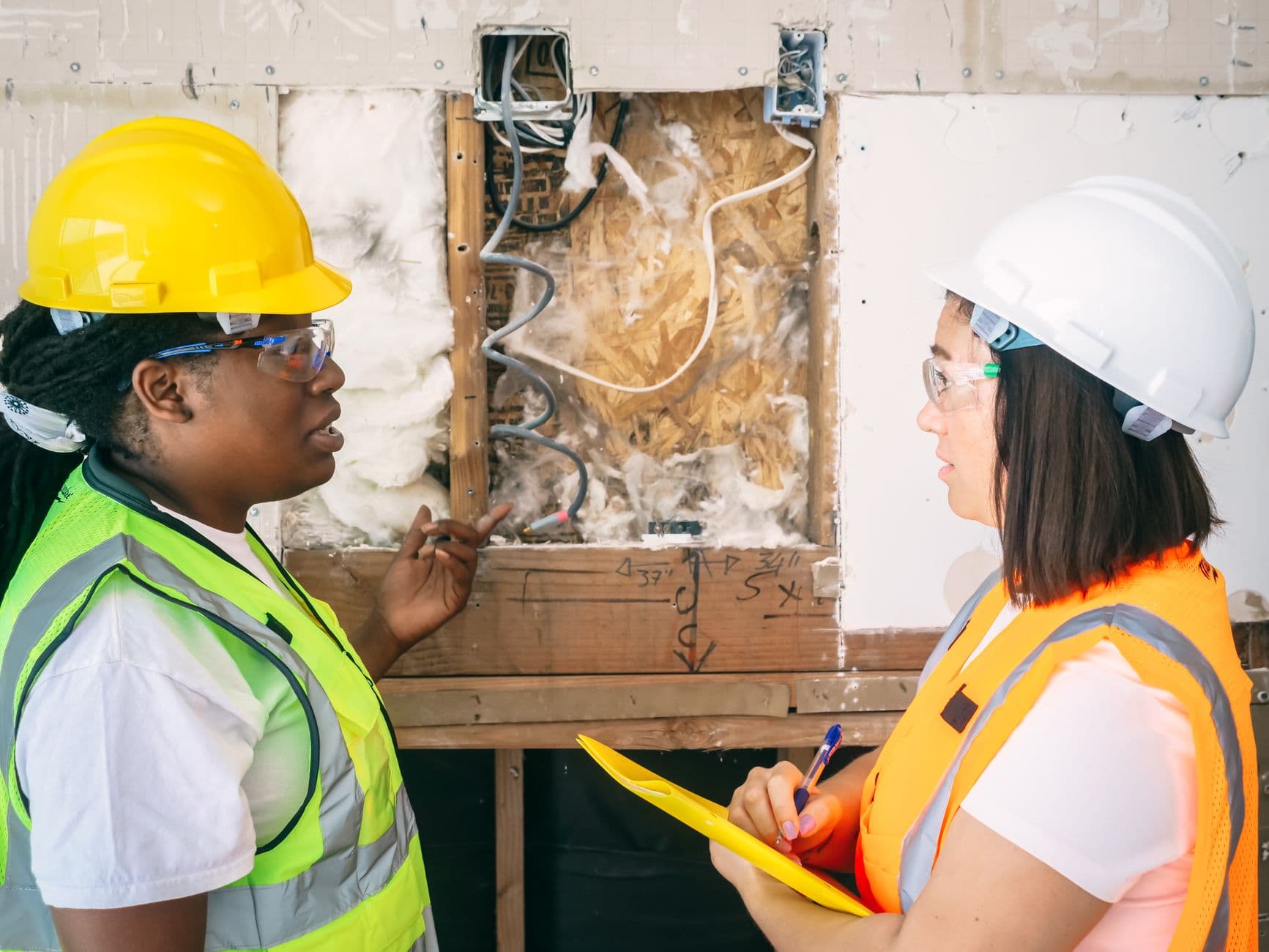
Inclusion fuels solar talent pipeline – diverse, safe workplaces are essential to meet the sector’s skill shortage
Hanna König, Head of Division Project Execution at Germany’s Enertrag SE, says the most critical factor for a thriving solar industry is an organisational culture where anyone feels safe to voice ideas, even when they clash with senior opinions. She stresses that the renewable‑energy field suffers from a chronic shortage of qualified professionals – especially electrical engineers – and that widening the talent pool through genuine inclusion is an economic imperative, not just a moral one. This view is echoed by industry analysts who note a growing skills gap as solar capacity expands worldwide Renewable Energy World and by reports that warn the sector will need many new specialists to keep pace with deployment goals SolarPower Europe. In short, without a truly inclusive culture, the industry cannot deliver the energy transition.
Safe disagreement boosts innovation – leaders who welcome critical questions accelerate project delivery
König explains that leaders must consistently thank employees for asking tough questions. She notes that a single negative reaction can outweigh many positive ones, so leaders need to demonstrate repeatedly that thoughtful disagreement is valued. By openly admitting her own mistakes, König creates a feedback loop where uncertainty is discussed rather than hidden, leading to faster problem‑solving and fewer costly re‑works on wind, solar PV, battery storage and electro‑lysis projects. This practice aligns with research that suggests teams encouraging constructive conflict can outperform those that avoid it Harvard Business Review. The takeaway: safety for dissent is a catalyst for higher‑quality, on‑time project execution.
Women leaders share practical advice – standing out as a minority can be a career advantage
According to König, being one of the few women in a predominantly male room can be turned into a strategic asset. She advises newcomers to "treat that difference as an advantage" because it makes you memorable – provided you back the visibility with expertise and results. This mirrors research highlighting that women who leverage their unique perspectives can add valuable insights in tech‑driven sectors European Institute for Gender Equality. The core message: diversity is not a box‑ticking exercise; it is a lever for personal branding and impact.
Why Israel should care – inclusive hiring can help meet the 30% renewable target
Israel aims for 30 % renewable electricity by 2030 and already faces a shortage of skilled solar engineers, a gap that mirrors the broader talent crunch. By adopting the inclusive practices championed by König, Israeli firms can tap under‑utilised talent pools – women, minorities, and career‑switchers – to accelerate the rollout of rooftop and utility‑scale solar. Using the verified Israeli figures, a typical 10 kWp home system in the central region yields about 17,000 kWh / year, worth roughly ₪8,160 at the residential tariff of ₪0.48 /kWh. Expanding solar deployment to meet the 30 % target will create many new jobs in installation and maintenance. Inclusive recruitment therefore directly supports both the climate goal and economic growth.
What it means for Israeli homeowners – a quick ROI snapshot
Applying the typical Israeli numbers, a 10 kWp rooftop system costs about ₪31,500 (₪3,150 /kWp) and generates ≈ ₪8,160 in annual electricity savings. Simple payback is therefore ≈ 3.9 years, after which the system continues to produce clean energy for the remaining 20‑plus years of its life, avoiding roughly 8.5 t CO₂ per year (0.5 kg CO₂ /kWh × 17,000 kWh). For homeowners, the financial case is clear; for the industry, scaling such installations hinges on having enough qualified installers – a need that inclusive hiring can fulfil.
For more on how to calculate your own solar ROI, visit our calculator. Detailed market data is available on our data page.
FAQ
Why is inclusion important for the solar industry?
Because the sector lacks enough qualified engineers and installers, and a diverse talent pool can fill that gap while driving innovation.
What does Hanna König suggest leaders do to encourage disagreement?
She advises leaders to thank people for critical questions, admit their own mistakes, and consistently show that thoughtful dissent is valued.
How can women turn being a minority into an advantage?
By building deep expertise, being visible, and using the uniqueness of their perspective to stand out and drive results.
What is Israel’s renewable electricity target?
Israel aims for 30 % renewable electricity by 2030, with an interim goal of 20 % by 2025.
What is the typical payback period for a 10 kWp home solar system in Israel?
Around 3.9 years, based on a typical install cost of ₪3,150/kWp and a residential tariff of ₪0.48/kWh.
Share this post
More from Technology
6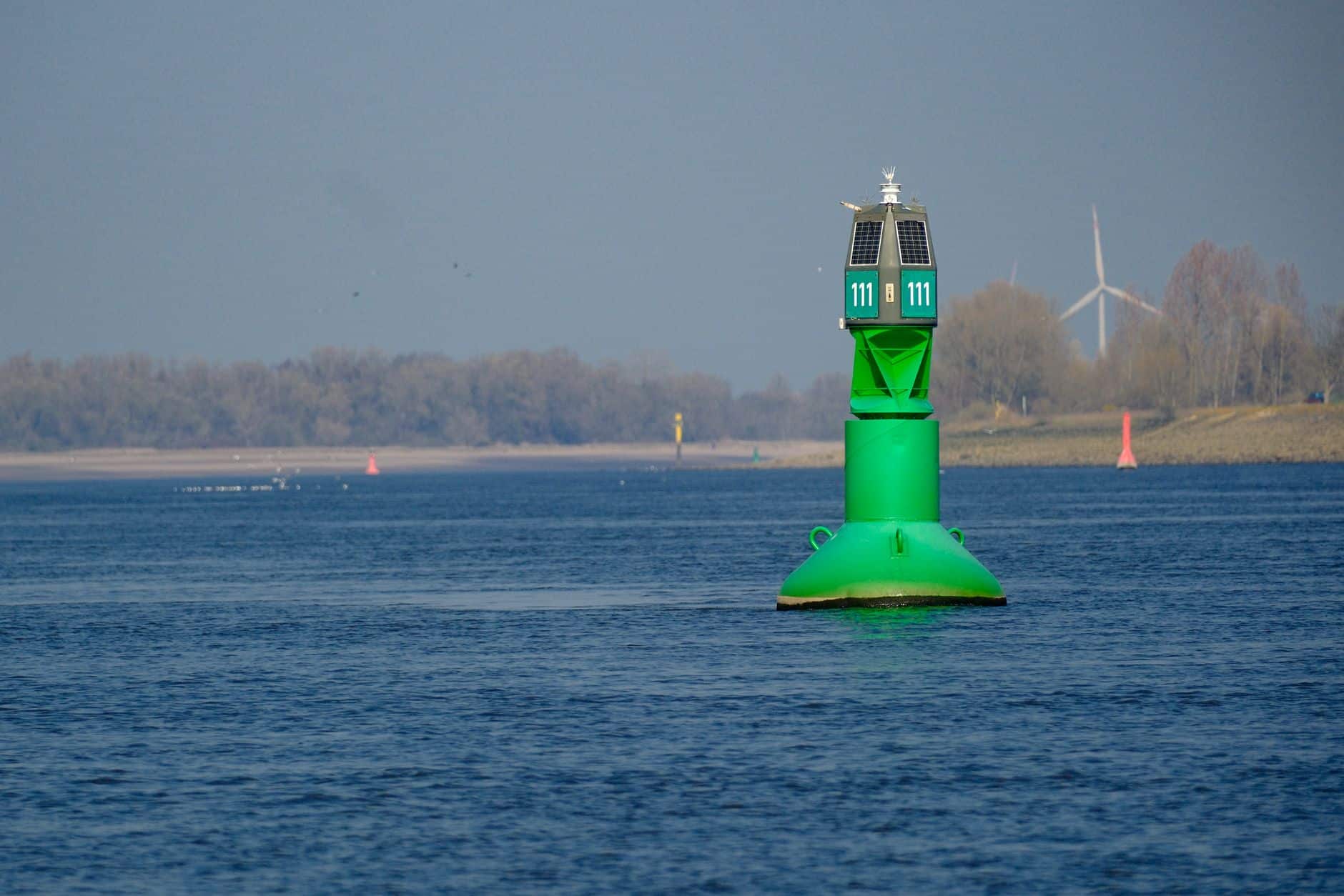
Floating Solar Tracker Boosts Yield by 20%
Noria Energy’s Airon floating‑solar tracker promises up to 20 % more electricity than fixed‑tilt FPV systems at similar cost, with commercial shipments slated for mid‑2027.
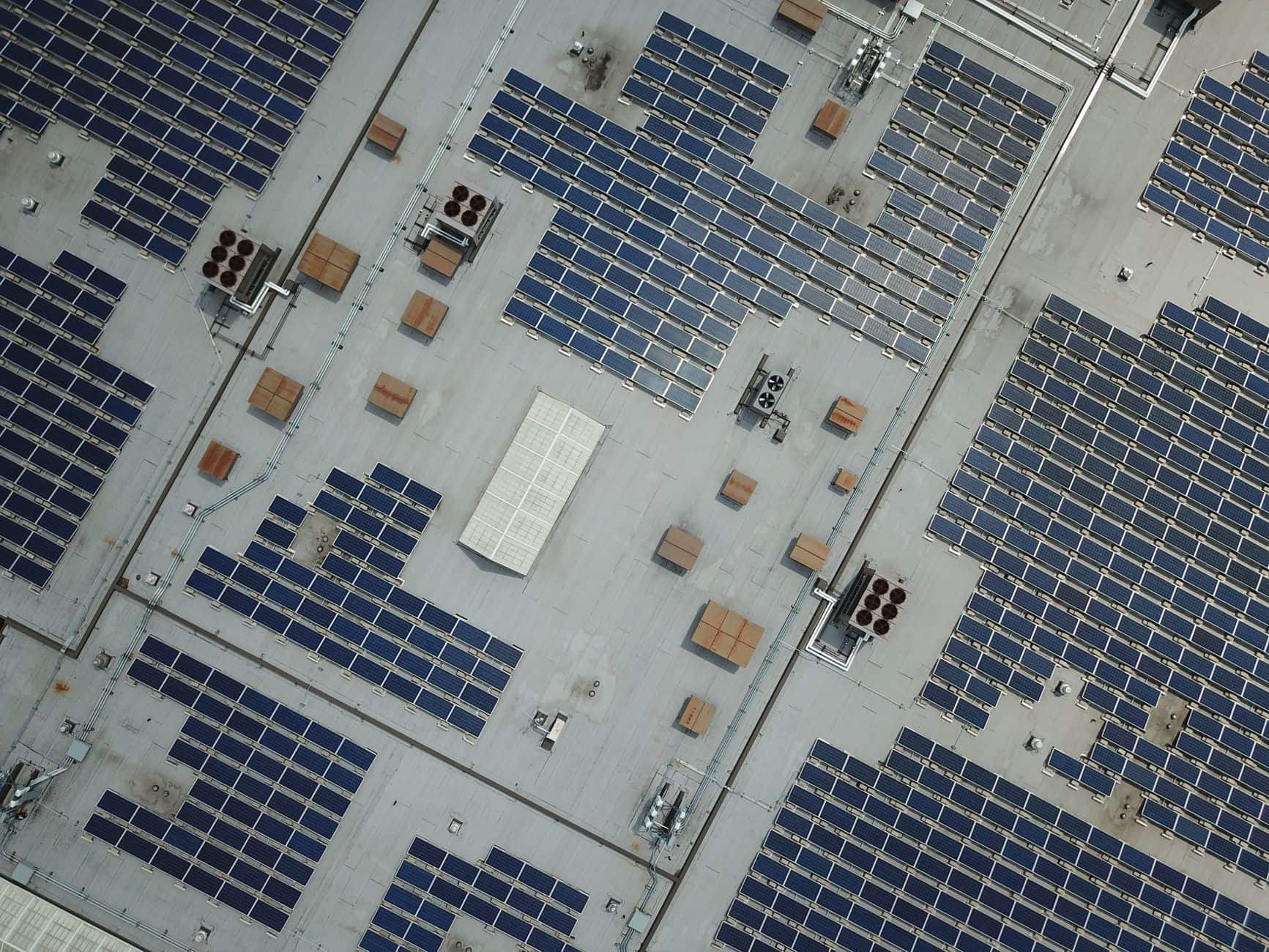
Israel’s Food Giant Goes 100% Green Power
Osem Nestlé has become the first Israeli food‑industry company to run entirely on renewable electricity, showcasing how solar power and green contracts can cut costs and emissions.

Silicon Solar Panels Slash Space Power Costs
Source Energy’s silicon solar modules can be built for under $5 per watt, slashing space‑power costs and opening new opportunities for Israeli satellite firms.
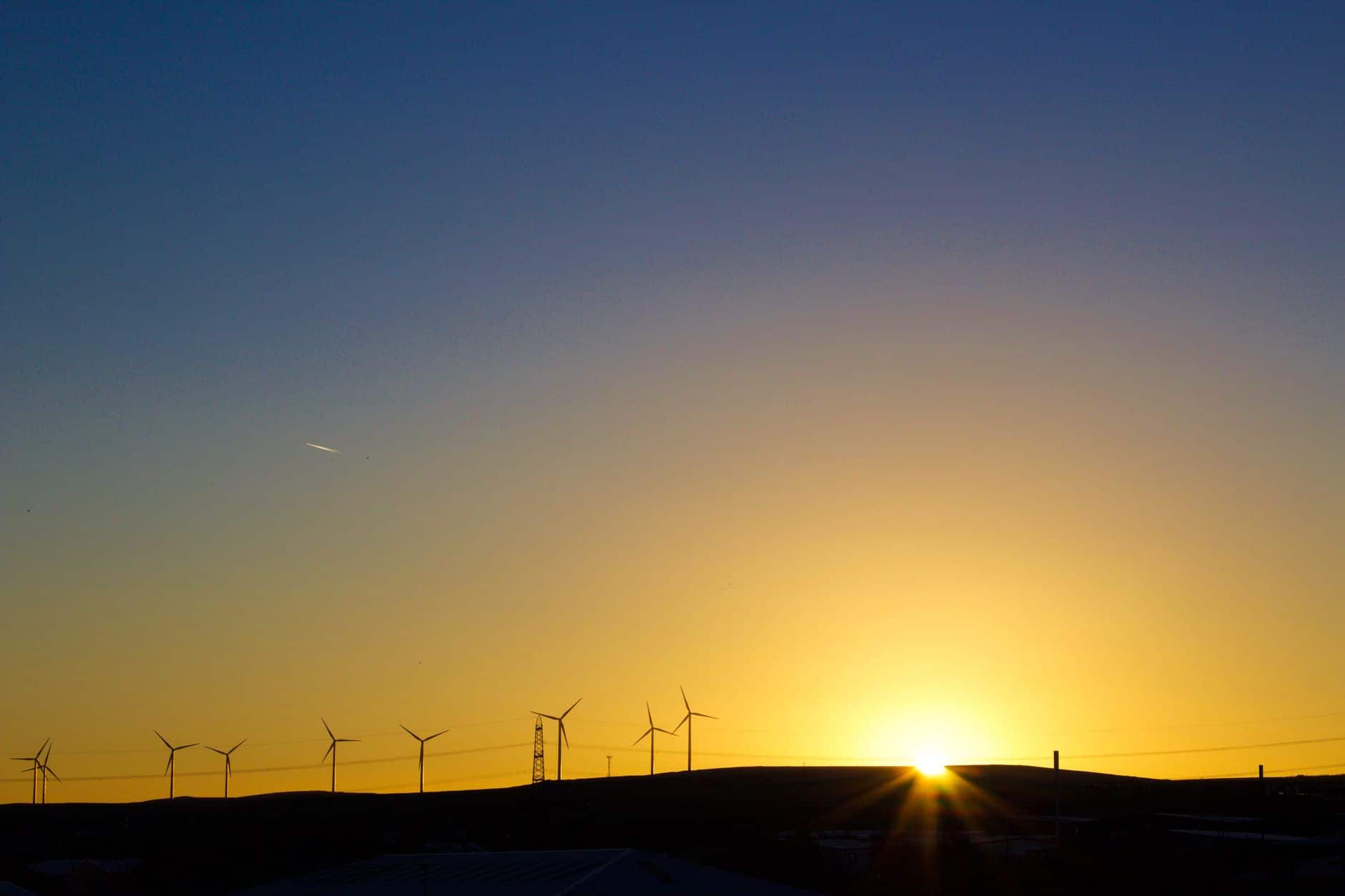
Array Tech Triples US Tracker Capacity
Array Technologies opened a $50 million Albuquerque factory that triples its U.S. solar‑tracker capacity, creates 300 jobs and could help lower tracker prices for Israeli rooftop installations.
Super El Niño Slashes South Solar, Boosts North
Super El Niño 2026 created a pronounced north‑south solar split in South America, with sunnier conditions in the north and reduced irradiance in the south, while rare Atacama snowstorms threatened desert PV output.
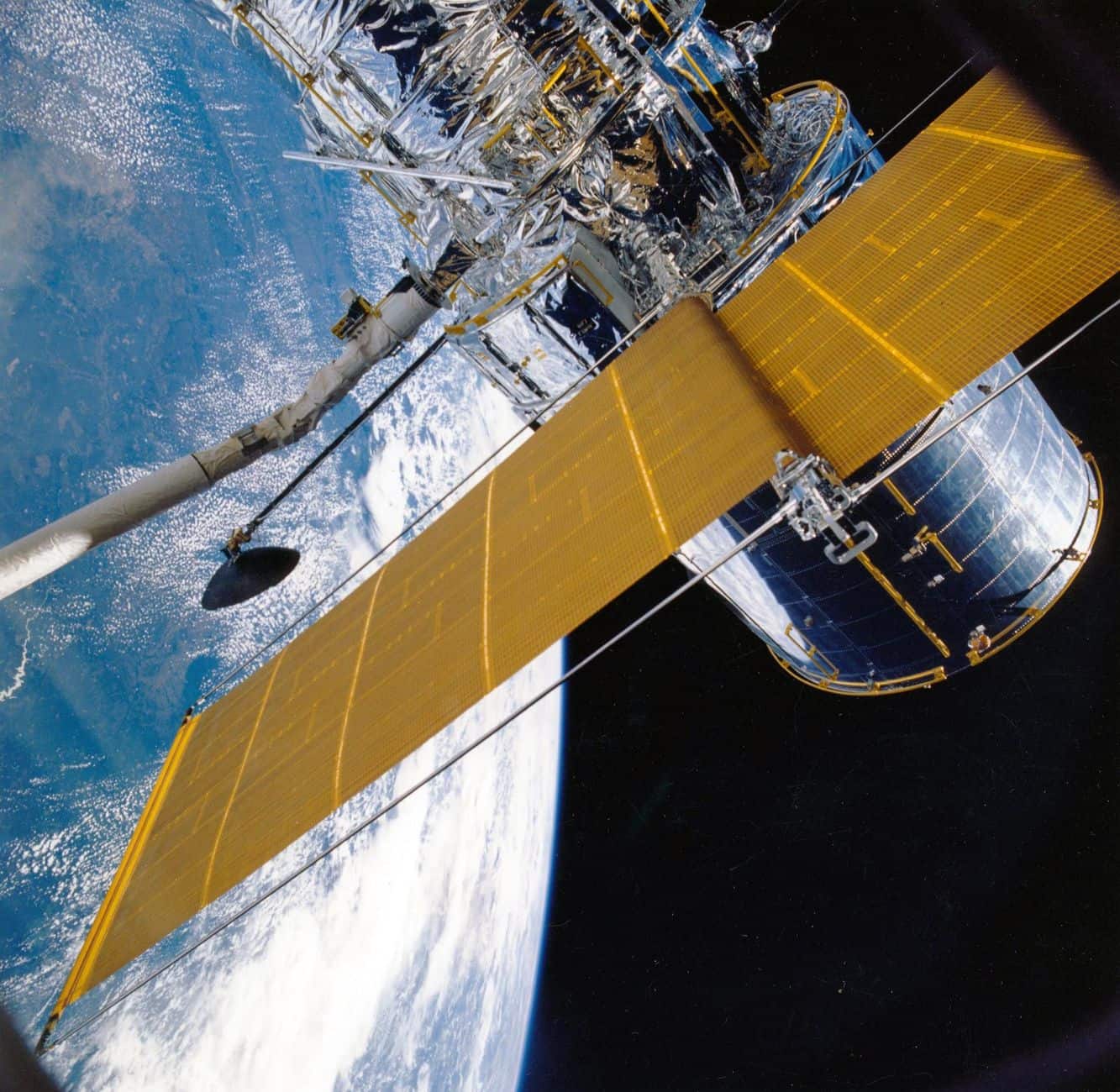
Space Solar Race: New Tech Fuels $2T Market
The space‑solar market could be worth $2 trillion by 2040, with crystalline‑silicon and perovskite panels now challenging traditional III‑V cells and opening new opportunities for Israeli manufacturers.