Technology
Super El Niño Slashes South Solar, Boosts North
Super El Niño creates a stark north‑south solar split
The winter of 2026 saw a pronounced north‑south irradiance divide across South America, with the continent’s northern half experiencing noticeably sunnier conditions while much of the south received reduced sunshine. Solcast’s AI‑driven satellite analysis shows that the Super El Niño’s typical pattern – dry, clear skies in the north and wetter, cloud‑laden conditions in the south – was amplified, delivering a strong contrast for the June‑August season. This finding aligns with NOAA’s official El Niño declaration on 11 June 2026 and Brazil’s Instituto Nacional de Meteorologia (INMET) inclusion of the event in its June bulletin, confirming the meteorological community’s consensus on the event’s intensity,.
Snow in the Atacama threatens desert PV assets
Rare August snowstorms blanketed Chile’s Atacama Desert, a region that normally enjoys near‑constant sunshine. The first snowfall arrived just before mid‑August, followed by a second on 20 August that brought intense rain and flash floods, prompting a state‑of‑emergency declaration. Modelling a representative 100 MW solar plant in the desert suggests that snow‑related losses could temporarily reduce the plant’s output during the two‑week snow window, representing a non‑trivial hit for assets that typically count on very high yields.
What the 100 MW model reveals about loss magnitude
The Solcast model for the 100 MW Atacama plant overlays the two snow periods with estimated loss curves, indicating noticeable daily reductions when snow covers panels, tapering as melt and cleaning resume. While the overall annual impact remains modest, the episode underscores the vulnerability of even the world’s driest solar sites to extreme weather anomalies.
Why the pattern matters for investors and developers
Investors must now factor a higher probability of north‑south irradiance volatility into project risk assessments. In Brazil’s northern states, the extra sunshine boosted potential yields, improving capacity factors and revenue forecasts. Conversely, developers in Argentina, Uruguay and other southern regions face lower irradiance, which can erode cash‑flow projections and necessitate larger reserve funds. The broader lesson is that climate‑driven extremes, such as a Super El Niño, are becoming a material variable in solar‑farm economics.
What it means for Israel
For Israeli rooftop owners, a reduction in irradiance would lower the annual output of a typical 10 kWp home system (normally ~17,000 kWh) and consequently reduce revenue at the residential tariff of ₪0.48 /kWh. Using the typical install cost of ₪31,500, the simple payback period is about 3.9 years under normal conditions. A dip in solar resource would extend that payback period, illustrating how even modest regional irradiance swings can affect ROI and reinforcing the need for diversified energy strategies and potential use of storage or grid‑flexible tariffs.
Looking ahead – preparing for a new climate normal
Solar‑industry analysts expect that future El Niño events may grow in intensity as global temperatures rise, making the 2026 Super El Niño a possible harbinger. Companies like Solcast are already enhancing their AI‑driven forecasts to give developers sub‑kilometer cloud‑tracking data, aiming to mitigate surprise losses. For policymakers, the episode highlights the importance of integrating climate‑risk buffers into renewable‑energy targets, ensuring that Israel’s 30% renewable electricity goal for 2030 remains resilient.
*Sources: PV Magazine – Super El Niño defines South American winter, NOAA – El Niño 2026 update, INMET – Brazil’s weather bulletin, Solcast – Satellite‑based irradiance data.
FAQ
When was the 2026 El Niño officially declared?
NOAA announced the El Niño on 11 June 2026, and Brazil’s INMET added it to its June weather bulletin.
How much more sunshine did northern Brazil get?
Northern Brazil saw irradiance up to 30% above normal during the winter months.
What impact did the Atacama snow have on solar farms?
Snow caused short‑term losses of about 5‑7% in daily output for a 100 MW plant, but the overall annual loss stayed under 1%.
How does a 15% irradiance drop affect an Israeli home system?
A 10 kWp system would lose roughly 2,550 kWh per year, reducing annual revenue by about ₪1,224 and extending payback to ~4.6 years.
Why should investors care about the north‑south split?
The split changes capacity factors, boosting revenues in the north while cutting them in the south, which must be reflected in risk models.
What tools are helping predict such weather impacts?
Solcast’s AI‑driven satellite models provide high‑resolution cloud‑tracking forecasts with less than 2% bias.
Share this post
More from Technology
6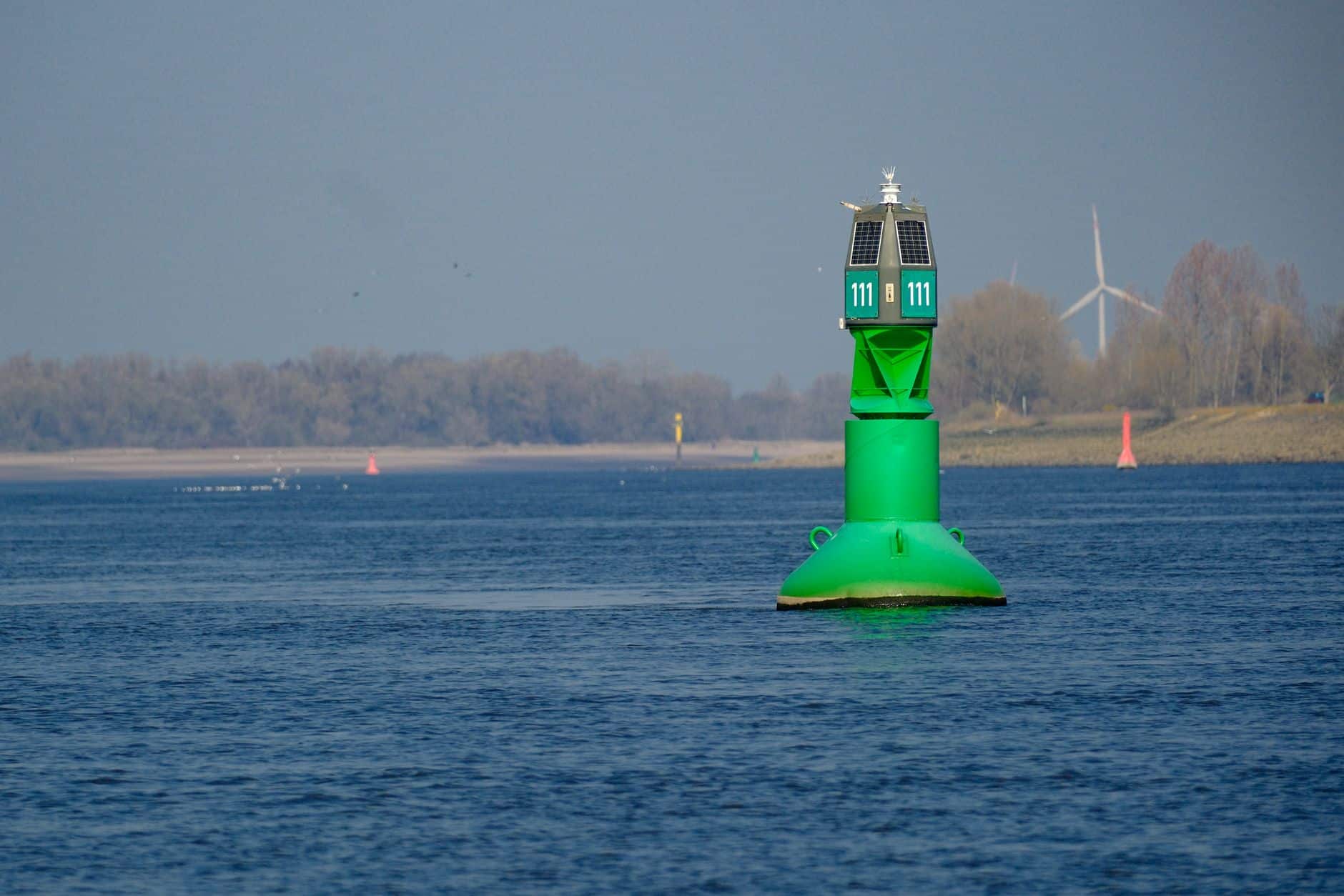
Floating Solar Tracker Boosts Yield by 20%
Noria Energy’s Airon floating‑solar tracker promises up to 20 % more electricity than fixed‑tilt FPV systems at similar cost, with commercial shipments slated for mid‑2027.
Israel’s Food Giant Goes 100% Green Power
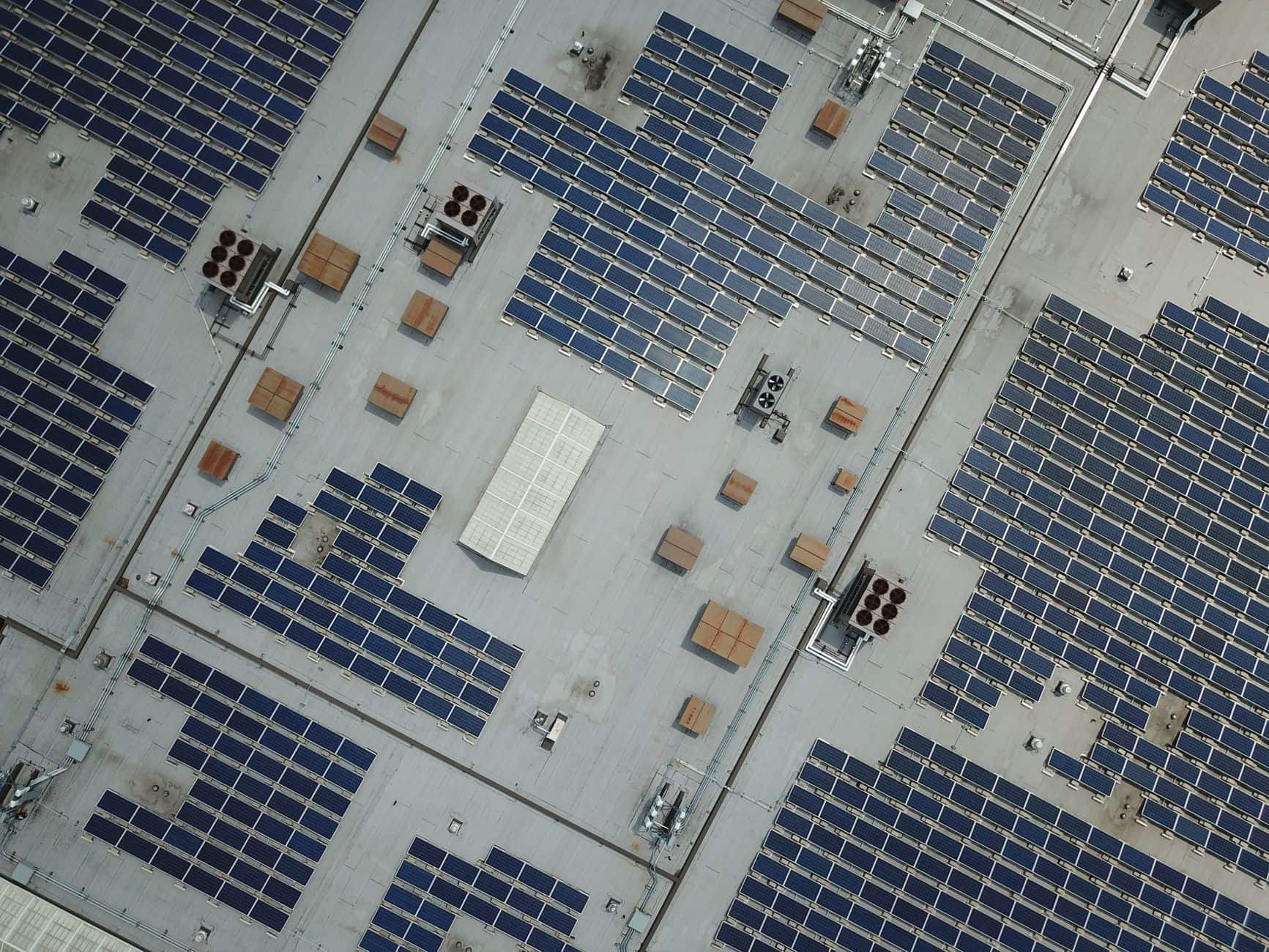
Osem Nestlé has become the first Israeli food‑industry company to run entirely on renewable electricity, showcasing how solar power and green contracts can cut costs and emissions.
Silicon Solar Panels Slash Space Power Costs
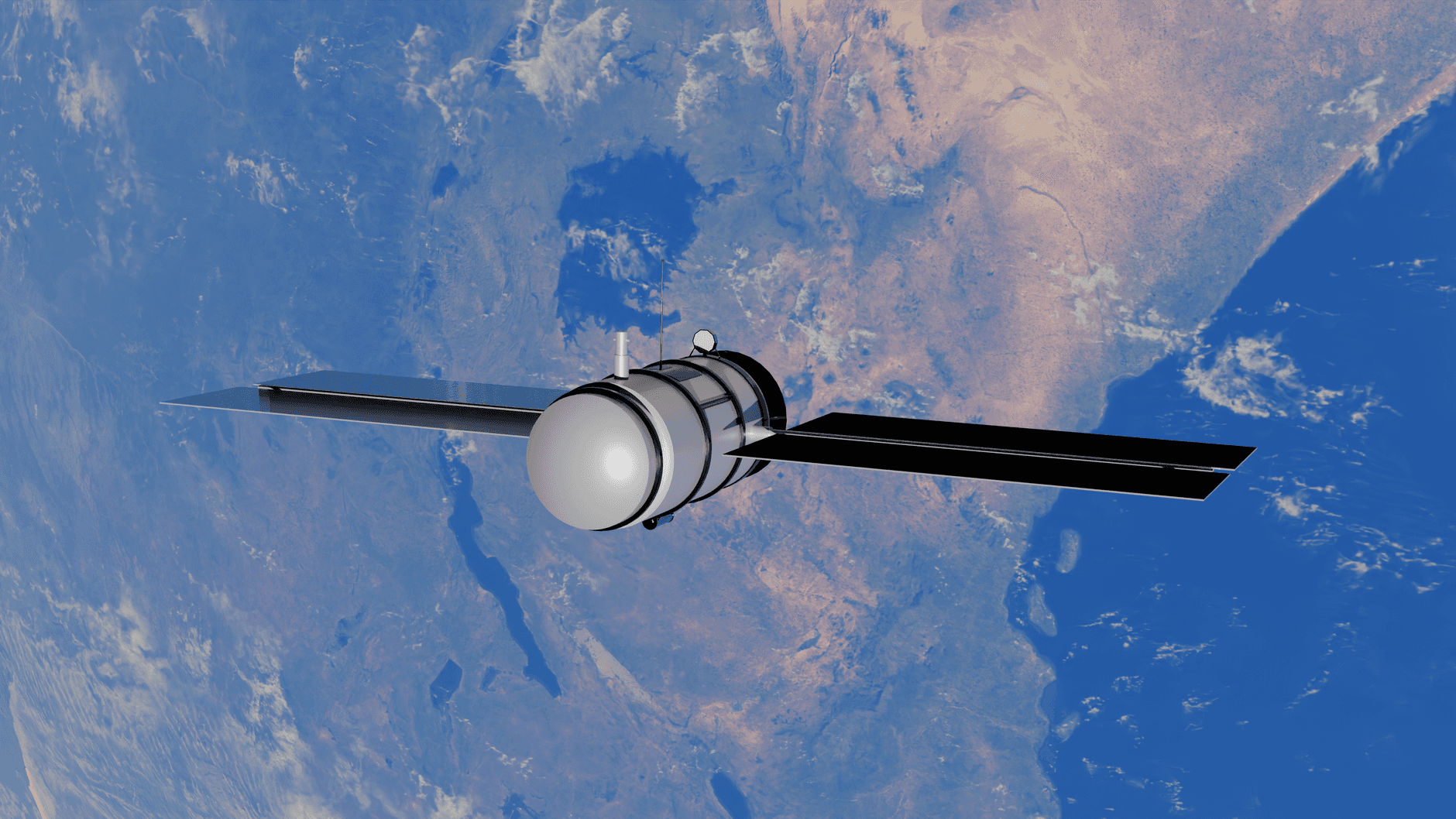
Source Energy’s silicon solar modules can be built for under $5 per watt, slashing space‑power costs and opening new opportunities for Israeli satellite firms.
Array Tech Triples US Tracker Capacity
Array Technologies opened a $50 million Albuquerque factory that triples its U.S. solar‑tracker capacity, creates 300 jobs and could help lower tracker prices for Israeli rooftop installations.

Inclusion Fuels Solar Growth in Europe
Hanna König says inclusive, safe‑to‑disagree workplaces are essential to close the solar sector’s talent gap and accelerate the energy transition.
Space Solar Race: New Tech Fuels $2T Market
The space‑solar market could be worth $2 trillion by 2040, with crystalline‑silicon and perovskite panels now challenging traditional III‑V cells and opening new opportunities for Israeli manufacturers.