Technology
Space Solar Race: New Tech Fuels $2T Market
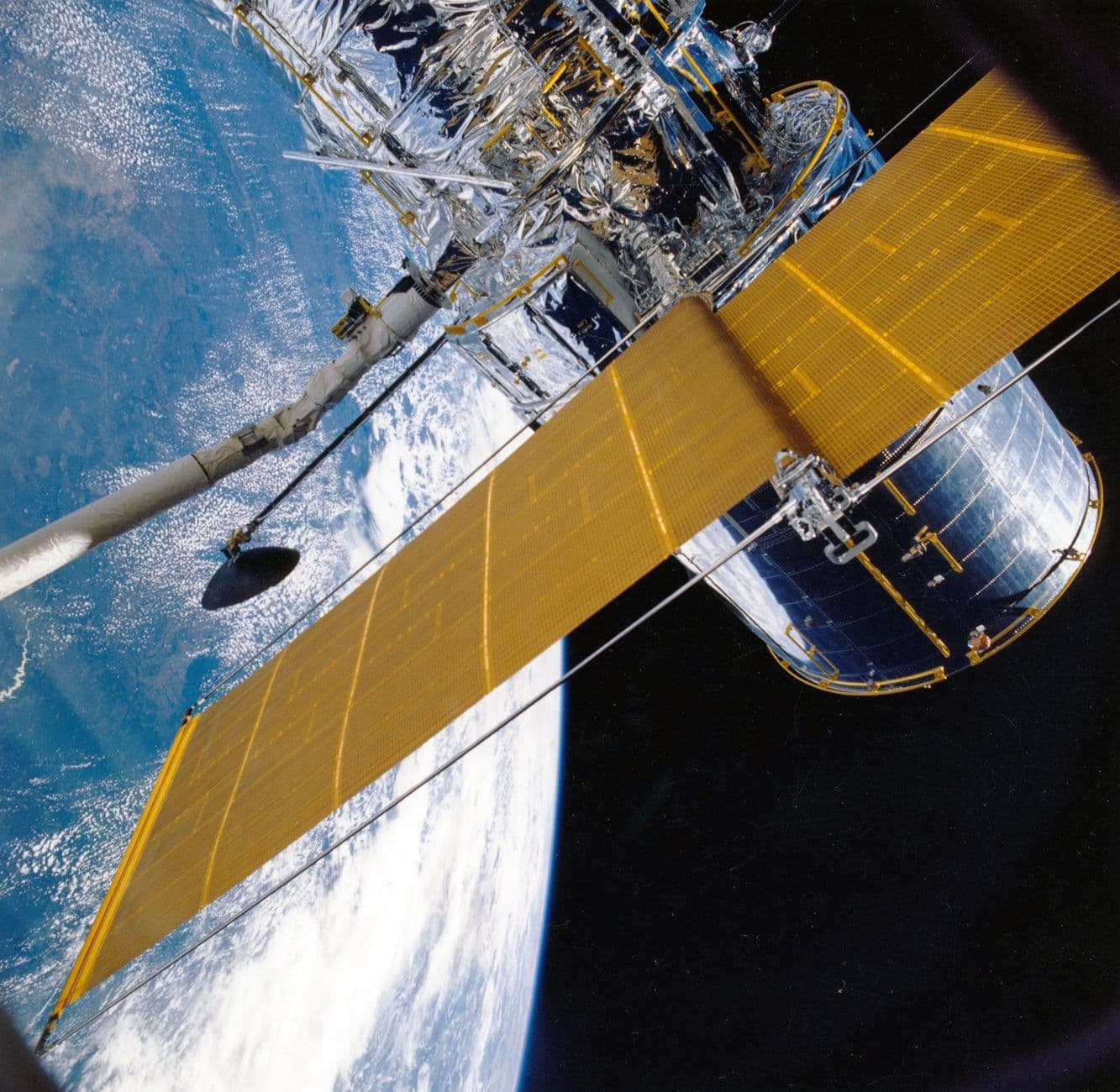
Space solar could be a $2 trillion market by 2040
The space economy is projected to reach $2 trillion by 2040, and solar power will be its backbone, according to a recent PwC study. New crystalline‑silicon (c‑Si) and perovskite photovoltaics are now challenging the long‑dominant III‑V cells, opening the door to cheaper, higher‑volume production for satellites and other orbital assets.
Traditional III‑V cells still lead but are capacity‑constrained
III‑V semiconductor solar cells, especially gallium arsenide (GaAs), have efficiencies above 30 % and can survive the intense proton and electron radiation in high‑orbit environments. However, the annual production capacity is under 5 MW and lead times are long, limiting how quickly new satellite constellations can be powered – a point highlighted at the Space Power Workshop in Torrance PV Magazine.
Crystalline‑silicon and perovskite chips are gaining ground
Recent activity includes acquisitions and the development of ultra‑thin (≈ 60 µm) c‑Si substrates that enable low‑temperature, lightweight cell production. Perovskite developers are also showcasing promising laboratory efficiencies, suggesting a potential path to lower‑cost, high‑performance space PV at events such as the SPRAT conference in Cleveland Space Foundation.
Investment flow and launch‑cost drop make the business case stronger
Significant private capital is flowing into space firms, with a mix of venture, corporate and sovereign investors supporting the sector. Meanwhile, reusable‑rocket technology has driven LEO launch prices to roughly $2,000 per kg, a steep decline over the past 15 years PwC report. These lower launch costs are making the deployment of multi‑kilowatt space‑solar modules increasingly feasible.
U.S. Department of Energy backs the next‑generation supply chain
The DOE announced a $12 million grant for the Space Photovoltaic Research and Development Program, managed by TechWerx, to accelerate domestic manufacturing and testing of space‑grade PV U.S. DOE grant. The program aims to close the gap between laboratory breakthroughs and flight‑ready hardware, especially for c‑Si and perovskite tandems.
What it means for Israel
Israel already enjoys one of the world’s highest solar‑irradiance levels, and the country’s 30 % renewable‑electricity target for 2030 drives rapid rooftop‑PV deployment. Using the typical Israeli figures (₪0.48 /kWh residential tariff, ₪3,150 /kWp install cost), a 10 kWp home system generates ~17,000 kWh / year, worth ≈ ₪8,160 annually and pays back in ≈ 3.9 years [Verified Israeli Solar Facts]. If Israeli satellite firms adopt c‑Si or perovskite panels, the lower launch‑cost environment could enable space‑solar services as a new export opportunity.
Outlook: a race to the sun above Earth
The convergence of cheaper launch, new PV materials, and substantial private funding suggests that the space‑solar market will expand far beyond the traditional III‑V niche. Over the next few years we can expect:
- Growth of c‑Si production to meet satellite‑constellation demand.
- Flight‑qualified perovskite tandems emerging on LEO platforms, pending durability validation.
- Increased government‑backed R&D in the U.S. and Europe, with Israel poised to join through its strong PV R&D ecosystem.
The sky is no longer the limit – it’s the next frontier for solar power.
What it means for Israel
Israel’s high solar irradiance and mature rooftop market mean that domestic PV expertise can be leveraged for space applications. A typical 10 kWp home system earns about ₪8,160 per year and pays back in under four years, illustrating the profitability of terrestrial solar. Translating that expertise to c‑Si or perovskite space panels could open export opportunities, as launch costs become more favorable for high‑value satellite missions. Israeli firms that master thin‑film heterojunction processes are therefore well‑positioned to capture a slice of the emerging $2 trillion space‑solar market.
For a deeper dive into Israeli solar economics, try our solar ROI calculator and explore the latest market data on our data page.
FAQ
How big is the projected space‑solar market?
PwC estimates the overall space economy will reach about $2 trillion by 2040, and solar power is seen as a foundational technology for that growth.
Why are crystalline‑silicon panels now being considered for satellites?
c‑Si cells are lighter, cheaper to produce, and LEO satellites face less radiation, so the performance‑to‑cost ratio is becoming attractive.
What are the efficiency numbers for perovskite solar cells in space research?
Perovskite developers reported lab efficiencies above 30 % at the SPRAT conference, rivaling the best III‑V devices.
How much does it cost to launch a 10 kW space‑solar module?
At roughly $2,000 per kilogram, a 10 kW module (about 50 kg) would cost around $100,000 to launch.
Can Israeli solar companies benefit from this trend?
Yes – Israel’s expertise in thin‑film and heterojunction PV can be applied to c‑Si and perovskite space panels, creating a high‑value export niche.
What is the payback time for a typical Israeli rooftop system?
A 10 kWp residential system pays back in about 3.9 years, earning roughly ₪8,160 per year at the current residential tariff.
Share this post
More from Technology
6
Floating Solar Tracker Boosts Yield by 20%
Noria Energy’s Airon floating‑solar tracker promises up to 20 % more electricity than fixed‑tilt FPV systems at similar cost, with commercial shipments slated for mid‑2027.
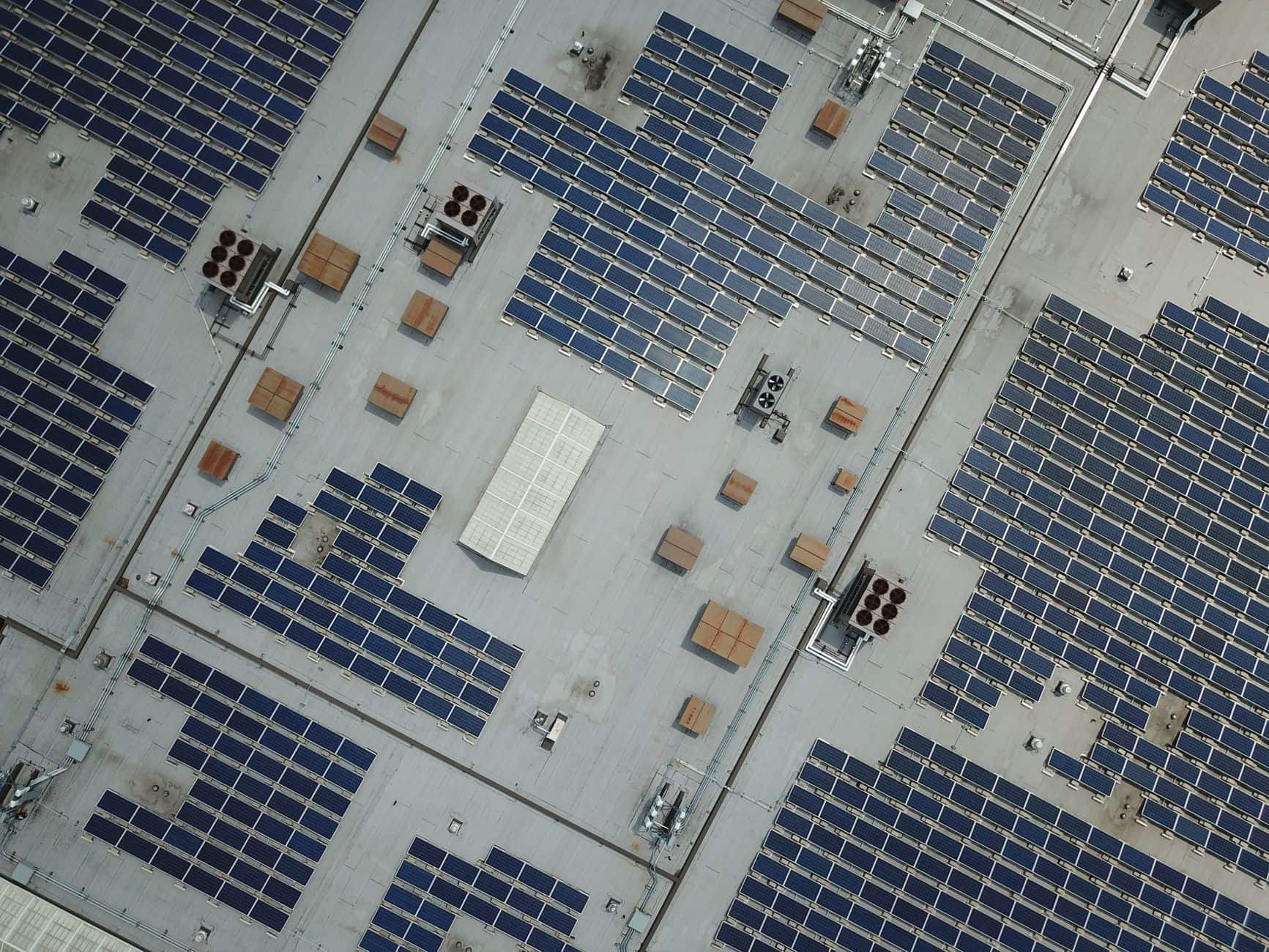
Israel’s Food Giant Goes 100% Green Power
Osem Nestlé has become the first Israeli food‑industry company to run entirely on renewable electricity, showcasing how solar power and green contracts can cut costs and emissions.

Silicon Solar Panels Slash Space Power Costs
Source Energy’s silicon solar modules can be built for under $5 per watt, slashing space‑power costs and opening new opportunities for Israeli satellite firms.
Array Tech Triples US Tracker Capacity
Array Technologies opened a $50 million Albuquerque factory that triples its U.S. solar‑tracker capacity, creates 300 jobs and could help lower tracker prices for Israeli rooftop installations.

Inclusion Fuels Solar Growth in Europe
Hanna König says inclusive, safe‑to‑disagree workplaces are essential to close the solar sector’s talent gap and accelerate the energy transition.
Super El Niño Slashes South Solar, Boosts North
Super El Niño 2026 created a pronounced north‑south solar split in South America, with sunnier conditions in the north and reduced irradiance in the south, while rare Atacama snowstorms threatened desert PV output.