South Korea to Add 3.5 GW Solar in 2026
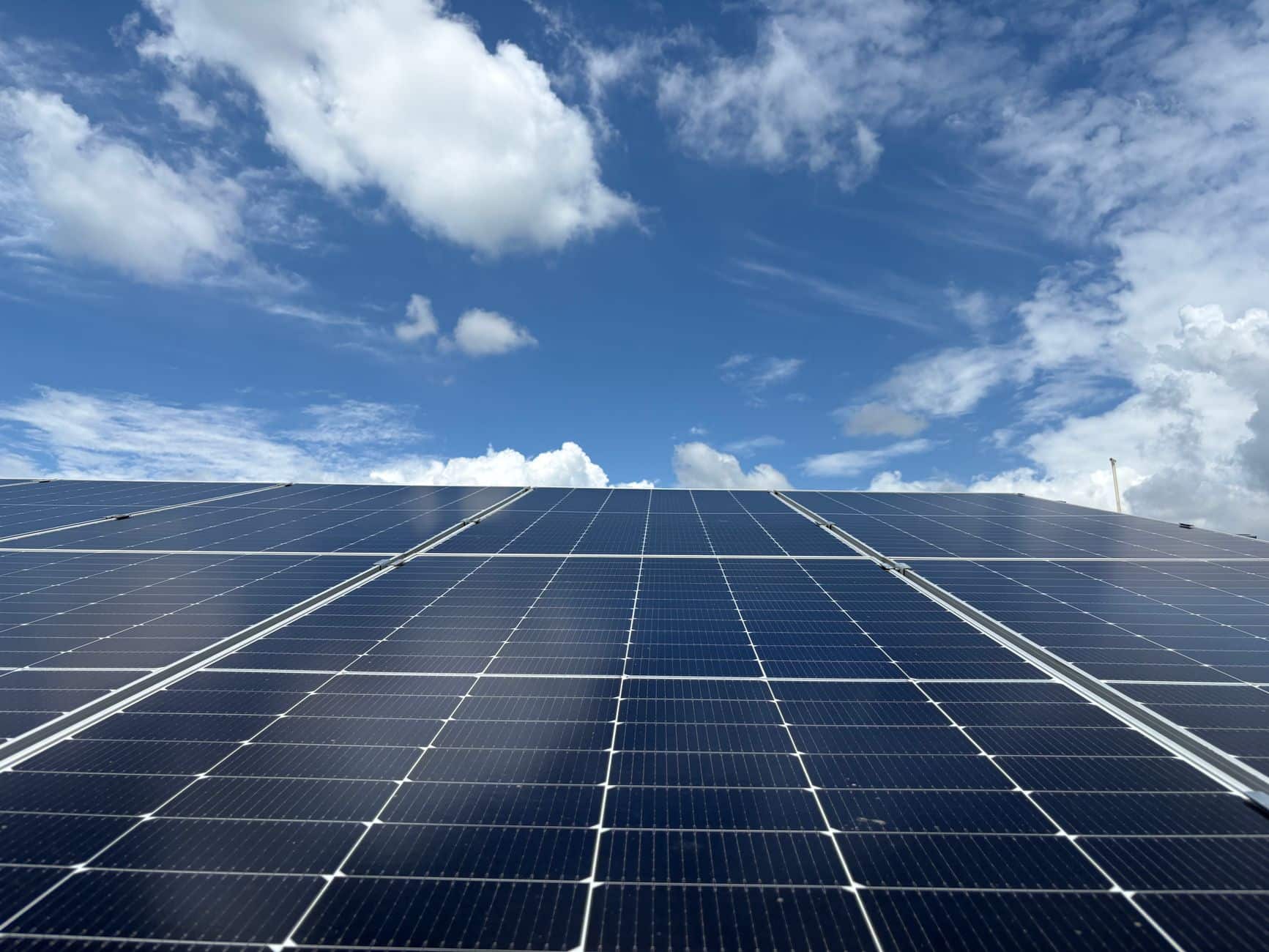
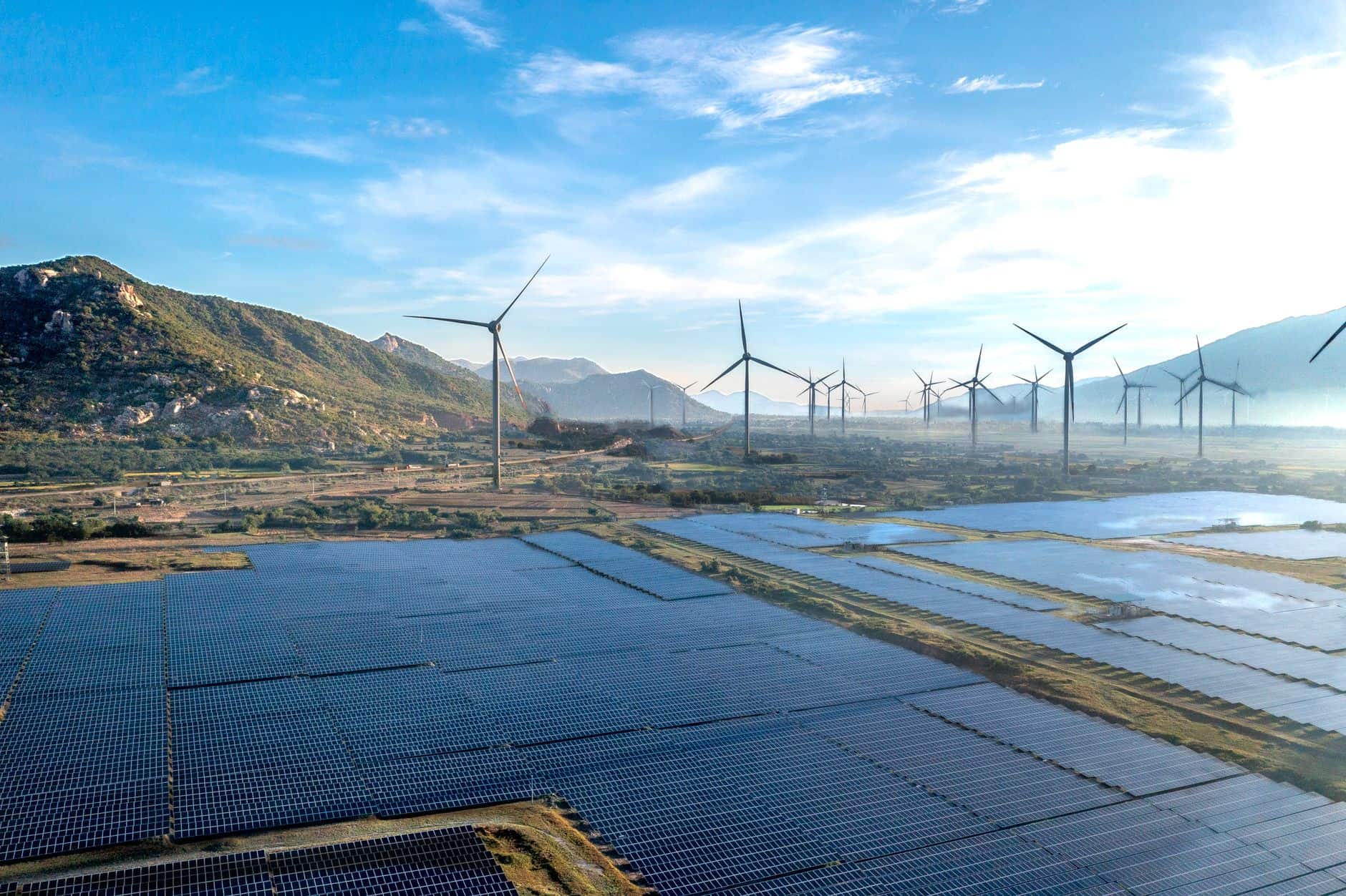
South Korea will install about 3.5 GW of new solar capacity in 2026, surpassing the 3.1 GW added in 2025, as part of a broader push that includes community‑solar villages and line‑side storage.
Articles tagged

South Korea will install about 3.5 GW of new solar capacity in 2026, surpassing the 3.1 GW added in 2025, as part of a broader push that includes community‑solar villages and line‑side storage.

WattPower’s new 506 kW grid‑forming inverter reaches 99.1% efficiency, uses a 1,000 V AC bus to cut balance‑of‑system costs, and could generate about ₪413,000 a year for an Israeli utility‑scale plant.

Fraunhofer ISE’s new thick‑film electrodes boost lithium‑ion, sodium‑ion and zinc‑ion cell energy density by up to 15 % without extra weight, while cutting production cost and eliminating PFAS chemicals.

France connected 3 GW of new solar capacity in the first half of 2026, raising its total PV stock to 34 GW and pushing Q2 generation up 18 % to 14.1 TWh.

Nigeria has opened a 100 MW solar tender in Niger State, with financing sought from the Islamic Development Bank and a pre‑qualification deadline of 13 October 2024.

Israel aims for 35% renewable electricity by 2035, relying on a massive solar build‑out, grid upgrades, storage, and supportive tariffs.

Ireland’s LEAP forces data centres over 10 MW to generate at least 80 % of their power on‑site, backed by a €18.9 billion grid upgrade and a projected 3.3 GW of solar capacity by 2026.

China’s solar PV capacity reached 1.286 TW at the end of July, overtaking coal for the first time and now makes up about 31.5 % of the country’s total installed power capacity.

South Korea’s electricity demand peaked at 95.3 GW on Aug 7, with solar power covering about one‑quarter of the load and a new storage programme aiming to add 700 MW by 2030.

Australia needs 42,000 new energy workers by 2026, and hiring more women could help address the gap, a lesson Israel must heed to meet its solar targets.

The EU has approved a €2 billion Islands Decarbonisation Fund to fund grid links, solar PV, storage and EV charging across Greece’s islands, aiming to replace diesel generators.

The UK recorded a historic 8,150 heat‑pump grant applications in July 2026, driven by a new £9,000 incentive for heating‑oil homes, while Israel can learn from the subsidy’s impact on payback times for clean energy.

Namibia’s Walvis Bay hub, the continent’s first fully integrated solar‑powered hydrogen plant, is now producing green H₂ for trucks and generators, and plans to scale to 500 MW.

Spain will require data centres of 1 MW or more to source at least 80 % of their electricity from new renewables each hour, with grid access tied to compliance.

Ecoprogetti has revived a stalled PV module line in South Africa, boosting its output to about 200 MW and adding 650 W utility panels and 500 W off‑grid modules for local markets.

Argentina’s solar capacity has surged to about 2.6 GW, driven by mining, grid connections, self‑consumption and the first battery‑storage tenders, but transmission limits and financing gaps still hold the market back.

Portugal’s 220 MW Solara4 solar farm entered administration in June 2026 after under‑producing and facing collapsing wholesale prices, highlighting the risks of merchant‑only solar projects.

Renewable energy, led by a solar boom in Iran, has become the unexpected winner of the Iran‑Israel conflict, reshaping investment and offering fast pay‑back for Israeli rooftop systems.

POWEROAD’s 50 kW/559 kWh battery system has operated over 800 days at 5,200 m on Everest, delivering instant 24‑hour backup for scientific research.

India’s SECI set a record low tariff of $0.068/kWh for four‑hour peak solar power, a price about half of Israel’s typical residential feed‑in tariff.

JCB’s Hydromax set a new world land‑speed record of 406.3 mph, becoming the fastest hydrogen‑powered vehicle ever, and highlighting hydrogen’s growing role in high‑performance transport.

Enlight Renewable Energy is negotiating to buy a German renewable‑energy developer for hundreds of millions of euros, a move that would instantly expand its European solar and storage portfolio.

Brookfield Renewable Partners and La Caisse completed a $9 billion acquisition of Boralex, paying $37.25 per share and securing a 3.8 GW renewable portfolio.

Neom’s 2.2 GW green‑hydrogen plant has started commissioning and is set for 2027 output, while Germany cancels a 2.1 GW electrolyser project and Europe rolls out new AEM and PEM technologies.

Grid connections in Europe now take 7‑10 years, dwarfing the 18‑24 month construction timeline, prompting data‑centre operators to turn to on‑site solar for faster, cheaper power.

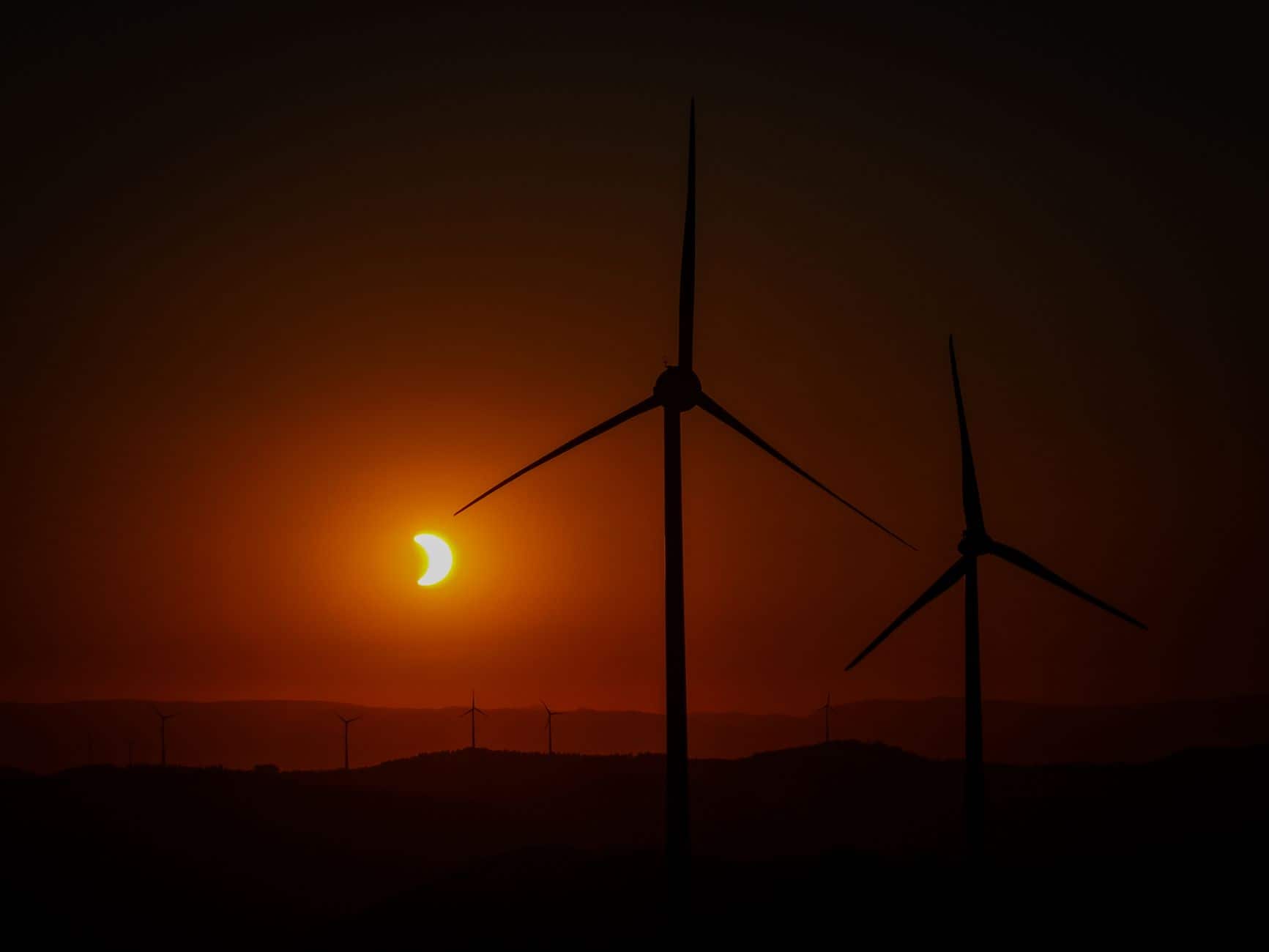
The August 12 eclipse trimmed daily solar output similarly across Europe and North America, but electricity‑price reactions varied widely, showing that obscuration alone doesn’t predict market impacts.

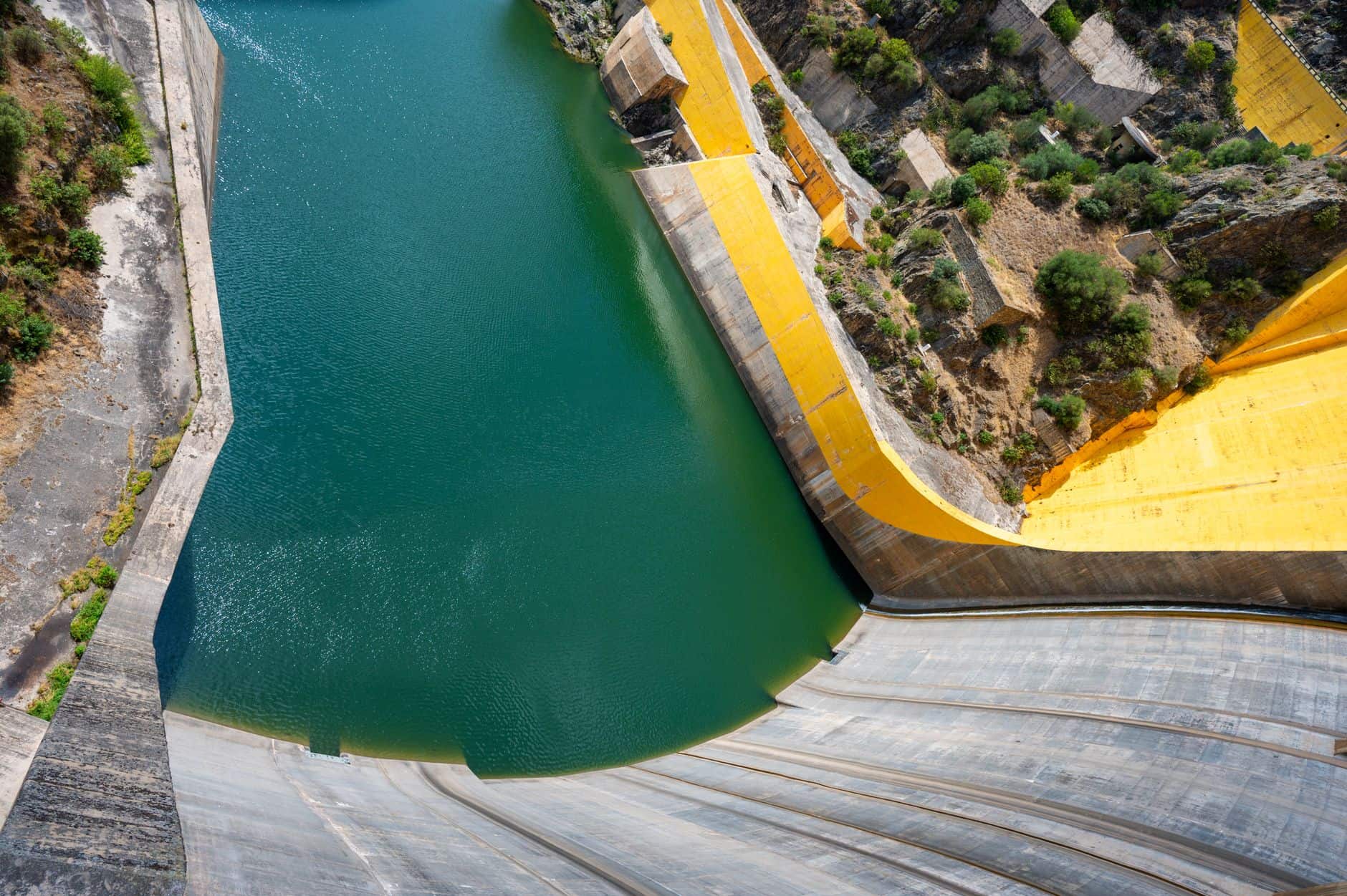
Off‑river pumped hydro provides up to 86 million GWh of cheap, long‑life storage – enough for many millions of homes – offering a powerful complement to solar and wind.

Colombia’s 7.4‑magnitude quake left up to 18% of electricity demand unmet, but none of the country’s utility‑scale solar farms were damaged, highlighting the gap between generation resilience and grid vulnerability.

France connected about 2.9 GW of new solar PV in the first half of 2026, a modest rise over the same period last year, despite a growing 10 GW connection backlog.

France will lower its renewable‑curtailment threshold from 10 MW to 1 MW, expanding the rule to many additional solar and wind farms starting December 2026.

South Korea’s 400 MW Haenam solar complex, due in 2028, will produce 529 GWh annually – enough for 130,000 homes – and includes a 10 MW agrivoltaics array and a community profit‑sharing scheme.

Finland’s ecogrid.energy is launching a 300 MW green energy park that couples solar, storage and smart software to let data centres flex power use and earn market revenue.

Latvia’s solar capacity hit 1,521 MW in 2026, a record that makes solar the country’s biggest electricity source in May‑June and could double over the next three years.

Enlight Renewable Energy’s 2024 revenue jumped 53 % to $399 million, propelled by a 200 MW solar PPA with Google and sizable U.S. solar‑plus‑storage projects.

Kazakhstan’s solar‑PV capacity hit 1.375 GW by Q2 2026, boosting total renewables to over 3.7 GW and underscoring the power of auctions and stable tariffs.

State Power Investment Corp shipped a record 3,750 tonnes of green ammonia to South Korea, proving that renewable‑powered ammonia can be exported at commercial scale.
Send us a message — a demo, a question about the system, a partnership or anything else. We'll get back to you.