Technology
Namibia’s First Solar‑Powered Hydrogen Hub Goes Live
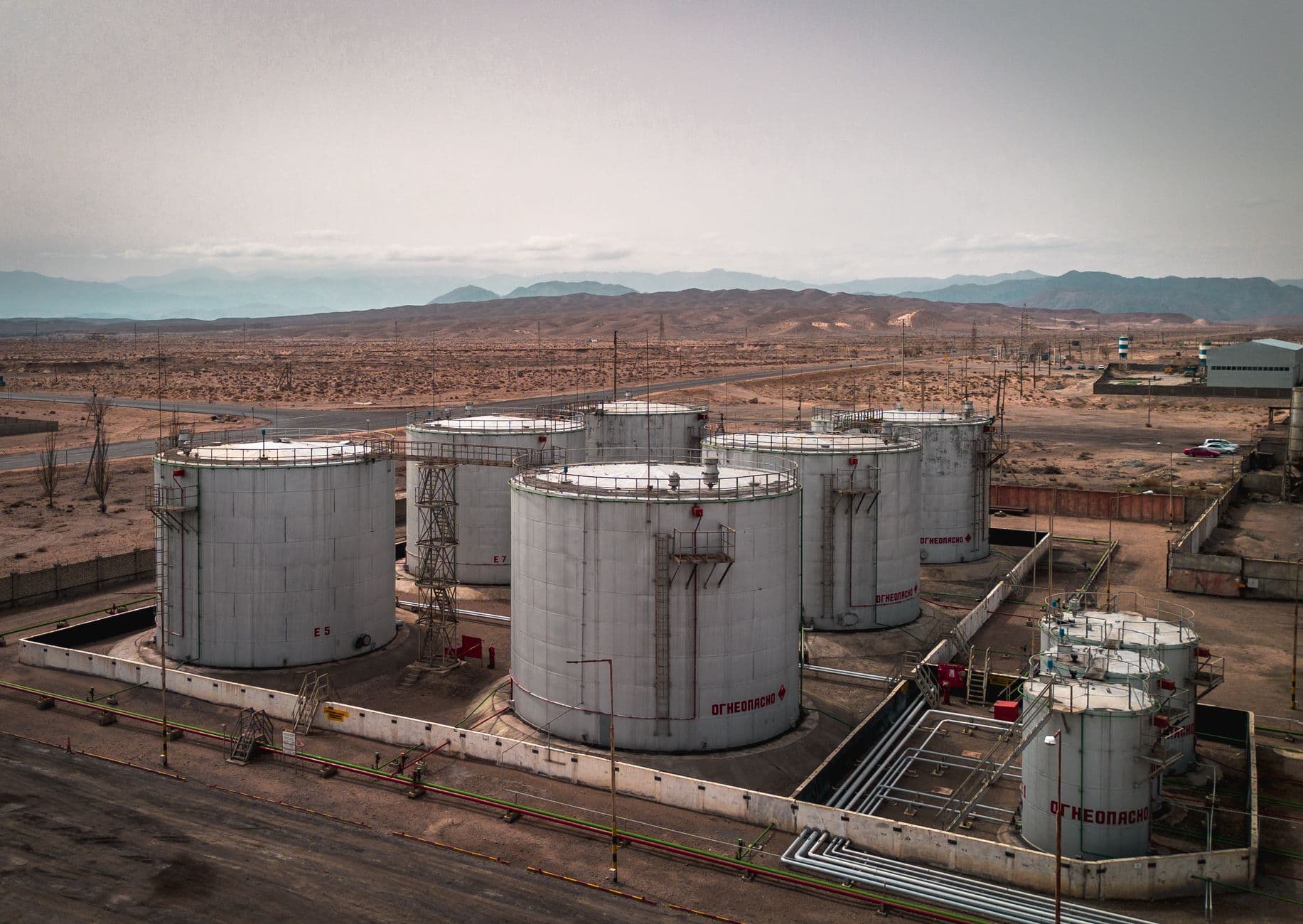
Africa’s First PV‑Driven Hydrogen Hub Is Operational
The 5 MW solar‑plus‑electrolyzer plant in Walvis Bay, Namibia, is now producing green hydrogen for trucks, generators and future rail‑ and maritime‑fuel applications. The facility, built by Cbm‑Tech together with the Ohlthaver & List Group, combines 5 MW of off‑grid solar panels, a 5 MW PEM electrolyzer and 5.9 MWh of battery storage on 6.5 ha of desert land.
Technical Specs in Plain Numbers
- Solar array: ~7,000 photovoltaic modules delivering 5 MW peak power.
- Electrolyzer: 5 MW proton‑exchange‑membrane (PEM) unit, sized to run directly off the solar output.
- Battery: 5.9 MWh of lithium‑ion storage smooths the solar‑to‑hydrogen conversion, allowing the electrolyzer to operate at a roughly 70 % capacity factor.
- Hydrogen output: Using a typical PEM efficiency of 65 %, the plant can generate about 600 tonnes of H₂ per year (≈20 GWh of hydrogen energy). This estimate is derived from the electricity supplied to the electrolyzer (5 MW × 24 h × 365 days × 0.7 ≈ 30.7 GWh) multiplied by the conversion efficiency.
The whole system was supplied and integrated by Siemens, which provided the electrical, automation and safety architecture, as well as a on‑site hydrogen refueling station and a training centre for local technicians.
Scaling Ambitions – From 5 MW to 500 MW
Cbm‑Tech says the pilot will be expanded in two phases: first to 250 MW and eventually to 500 MW of combined solar‑electrolyzer capacity. At 500 MW, the hub could produce roughly 60,000 tonnes of green hydrogen annually – enough to fuel a fleet of freight locomotives and supply a regional green‑ammonia plant for maritime fuel.
The project follows Namibia’s broader hydrogen push, exemplified by HyIron’s Oshivela plant that began producing green hydrogen in March 2025 with a 12 MW electrolyzer powered by a 25 MW solar field.
Market Context – Why This Matters for Africa
Africa’s abundant solar irradiance makes PV‑driven hydrogen a cost‑effective pathway to decarbonise transport and industry. The Walvis Bay hub demonstrates a fully integrated model: solar generation, short‑term storage, electrolytic conversion, refueling and skills development all in one site. Analysts note that such “all‑in‑one” hubs can cut capex by up to 30 % compared with separate solar farms and electrolyzer plants (see analysis by PV Magazine).
What It Means for Israel
Israel already enjoys high solar irradiance and a mature rooftop‑solar market. Using the same 5 MW capacity on a typical Israeli site would cost about ₪15.8 million (5 000 kW × ₪3 150/kW). At an average yield of 1 700 kWh/kW·year, the array would generate roughly 8.5 GWh of electricity annually, worth about ₪4.1 million at the residential tariff of ₪0.48/kWh. That translates to a simple pay‑back of just under 4 years – the same order of magnitude as the 10 kW home example used by the Electricity Authority.
If Israel were to pair such solar farms with PEM electrolyzers, the 5 MW plant could similarly produce ~600 tonnes of hydrogen per year. At today’s market price of roughly ₪30 000 per tonne for green H₂ (a figure quoted by the Israeli Ministry of Energy), the annual revenue potential would be about ₪18 million, far exceeding the electricity‑sale value and making green hydrogen an attractive export commodity for the country’s Mediterranean ports.
Forward Look – From Pilot to Continental Network
The Walvis Bay hub is a proof‑of‑concept that could catalyse a network of similar installations across the Sahara and the Horn of Africa, linking solar‑rich regions to European and Asian hydrogen markets via maritime shipping. As more investors recognise the lower‑cost, lower‑emission profile of PV‑driven hydrogen, scaling to the 500 MW target could happen within the next five years, positioning Namibia as a key node in the emerging global green‑hydrogen supply chain.
For Israeli readers wanting to explore the economics of a home or commercial solar‑hydrogen system, try our interactive solar ROI calculator and browse the latest market data on our data page.
FAQ
How much hydrogen does the Walvis Bay hub produce each year?
Around 600 tonnes per year, based on a 5 MW PEM electrolyzer running at a 70 % capacity factor with 65 % efficiency.
What solar capacity is used at the Namibia hydrogen hub?
The hub uses a 5 MW photovoltaic array made up of roughly 7,000 solar modules.
Why is battery storage needed in the hub?
The 5.9 MWh battery smooths the intermittent solar output so the electrolyzer can run continuously, improving overall hydrogen yield.
Can Israel build a similar plant?
Yes – a 5 MW solar‑hydrogen system in Israel would cost about ₪15.8 million, generate ~8.5 GWh of electricity a year and could produce the same ~600 tonnes of hydrogen.
What are the future plans for the Walvis Bay facility?
Cbm‑Tech aims to expand the pilot first to 250 MW and eventually to 500 MW, adding green‑ammonia production for maritime fuel.
How does this project affect Africa’s renewable energy goals?
It showcases a low‑cost, integrated route to decarbonise transport and industry, helping the continent meet its emerging hydrogen export ambitions.
Share this post
More from Technology
6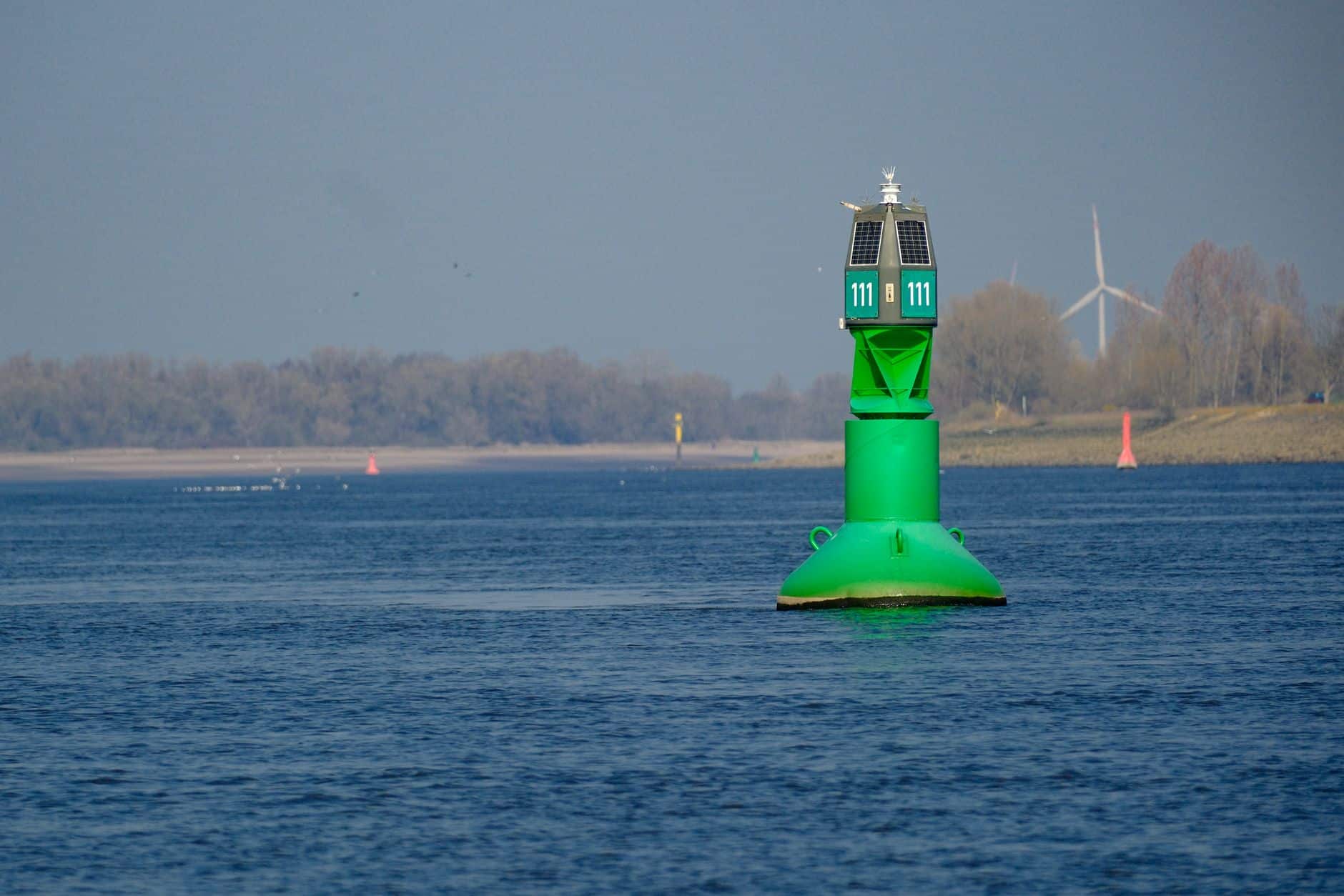
Floating Solar Tracker Boosts Yield by 20%
Noria Energy’s Airon floating‑solar tracker promises up to 20 % more electricity than fixed‑tilt FPV systems at similar cost, with commercial shipments slated for mid‑2027.
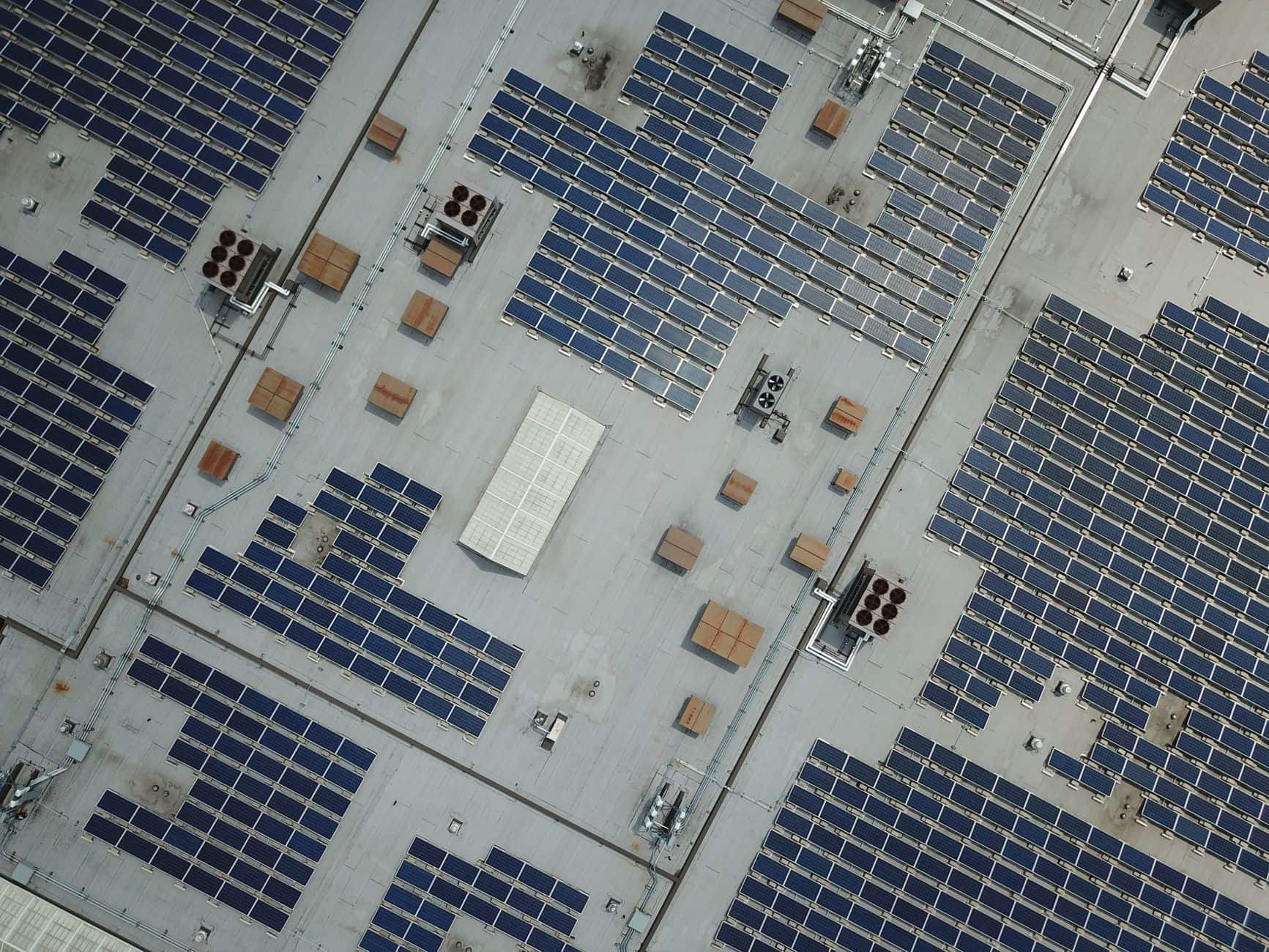
Israel’s Food Giant Goes 100% Green Power
Osem Nestlé has become the first Israeli food‑industry company to run entirely on renewable electricity, showcasing how solar power and green contracts can cut costs and emissions.
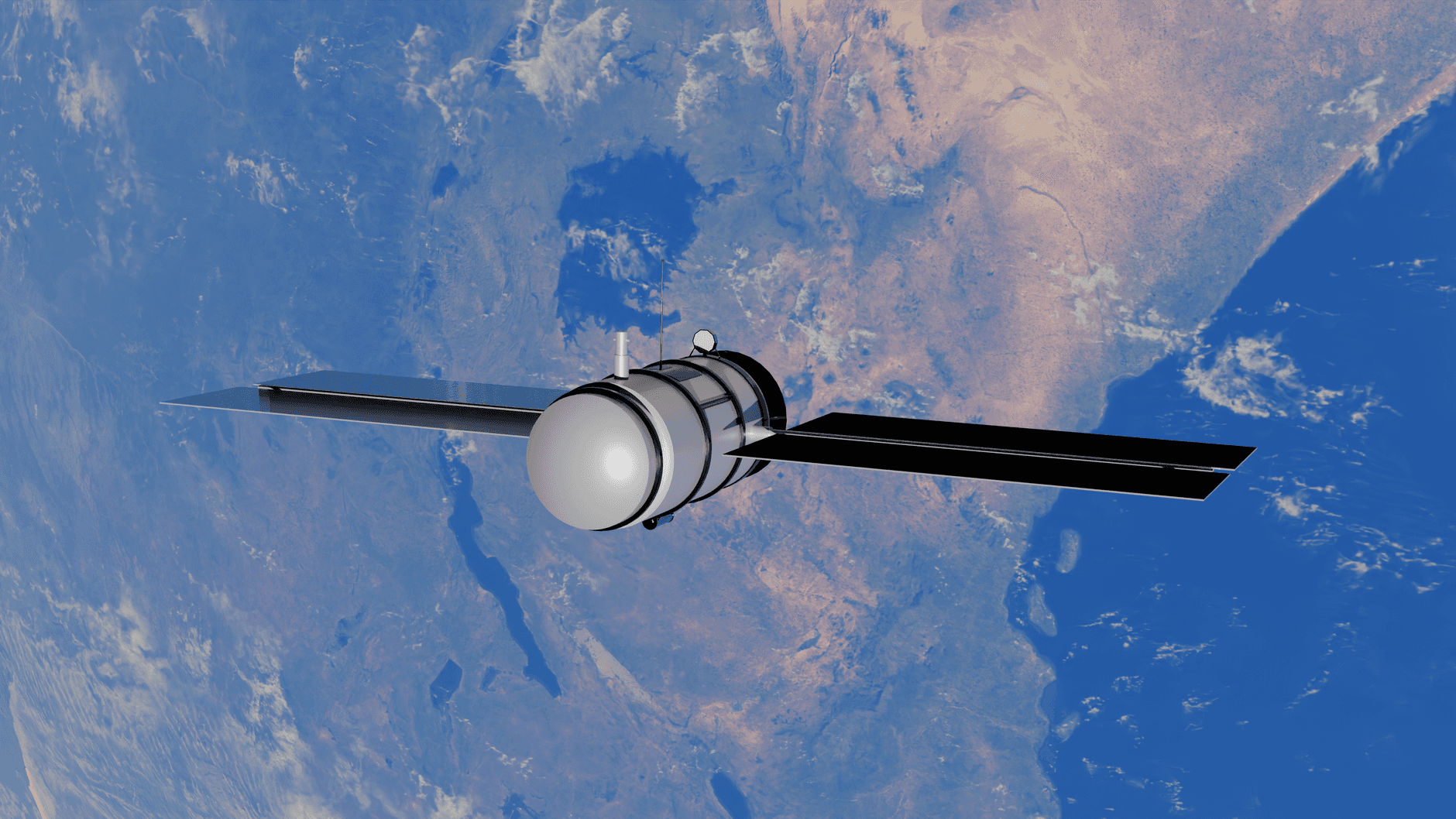
Silicon Solar Panels Slash Space Power Costs
Source Energy’s silicon solar modules can be built for under $5 per watt, slashing space‑power costs and opening new opportunities for Israeli satellite firms.
Array Tech Triples US Tracker Capacity
Array Technologies opened a $50 million Albuquerque factory that triples its U.S. solar‑tracker capacity, creates 300 jobs and could help lower tracker prices for Israeli rooftop installations.

Inclusion Fuels Solar Growth in Europe
Hanna König says inclusive, safe‑to‑disagree workplaces are essential to close the solar sector’s talent gap and accelerate the energy transition.
Super El Niño Slashes South Solar, Boosts North
Super El Niño 2026 created a pronounced north‑south solar split in South America, with sunnier conditions in the north and reduced irradiance in the south, while rare Atacama snowstorms threatened desert PV output.