Markets
Israel's Record Solar Year: Tel Aviv Leads

Record‑breaking rooftop boom in 2023
Israel installed a historic amount of rooftop solar power in 2023, topping previous years by a wide margin. According to the Electricity Authority, total new capacity reached a level well above previous years. The surge reflects falling panel prices, generous net‑metering rules and a growing public appetite for clean energy.
Tel Aviv emerges as the clear front‑runner
Tel Aviv led the country in new rooftop installations, registering the highest number of new systems and the largest cumulative capacity added in 2023. This places Tel Aviv ahead of other municipalities, cementing its reputation as Israel’s most solar‑savvy urban area.
Haifa takes second place
Haifa was the runner‑up, installing a substantial amount of new rooftop capacity in the same period. The Jerusalem Post noted that Haifa’s strong performance stems from a combination of municipal incentives and a high proportion of residential owners opting for medium‑size systems. While still behind Tel Aviv, Haifa’s growth rate was among the fastest of the top‑five cities.
Why the jump? Cost, policy and technology
Three forces converged to drive the record year:
- Panel prices kept falling – global module costs continued to decline in 2023, making a typical 10 kW home system cost about ₪31,500 (≈ ₪3,150/kW) in Israel.
- Net‑metering remains generous – residential producers receive the full retail tariff of approximately ₪0.48/kWh, ensuring quick payback.
- Flexible and high‑efficiency modules – new‑generation flexible panels and bifacial modules boosted yields, especially in sunny southern districts.
What it means for Israel
For a typical homeowner in central Israel, a 10 kW rooftop system would generate roughly 17,000 kWh per year. At the residential tariff of ₪0.48/kWh, that translates to about ₪8,160 of annual savings. With a ₪31,500 upfront cost, the simple payback period is around 3.9 years, after which the system continues to produce clean power for the remainder of its 25‑year life, avoiding roughly 8.5 t of CO₂ each year. Homeowners can run the calculation themselves on our solar ROI calculator or compare regional yields on the market data page.
Outlook: toward the 2030 renewable target
The strong 2023 performance puts Israel on a solid trajectory toward its 30 % renewable electricity goal for 2030. Continued panel price declines and potential storage incentives are likely to accelerate adoption further.
All figures are drawn from publicly released data by the Electricity Authority, Makor Rishon, The Jerusalem Post and Globes.
FAQ
Which Israeli city installed the most rooftop solar in 2023?
Tel Aviv led the country, adding about 120 MW of new rooftop capacity.
How much rooftop solar was installed in Israel in 2023?
More than 1 GW of new rooftop solar power was connected, a roughly 30 % increase over the previous year.
What is the typical payback time for a home solar system in Israel?
A standard 10 kW system costs around ₪31,500 and saves about ₪8,160 per year, giving a payback of just under four years.
Why did solar installations surge in 2023?
Falling panel prices, generous net‑metering tariffs (≈ ₪0.48/kWh), and new flexible modules all boosted adoption.
What does the growth mean for Israel’s renewable targets?
If the trend continues, Israel is on track to hit its 30 % renewable electricity goal by 2030, potentially reaching 2 GW of rooftop capacity by 2026.
Share this post
More from Markets
6
South Korea to Add 3.5 GW Solar in 2026
South Korea will install about 3.5 GW of new solar capacity in 2026, surpassing the 3.1 GW added in 2025, as part of a broader push that includes community‑solar villages and line‑side storage.

US Tariffs Push Solar Module Prices Up
U.S. Section 232 tariffs are expected to modestly raise solar module prices, adding a small extra cost to Israeli rooftop systems and slightly extending payback times.

Tongwei Clears Antitrust Hurdle for Lihao Deal
Tongwei has received antitrust clearance to acquire Qinghai Lihao, a fast‑growing polysilicon producer, paving the way for expanded low‑carbon silicon capacity that could help lower solar‑module prices worldwide.
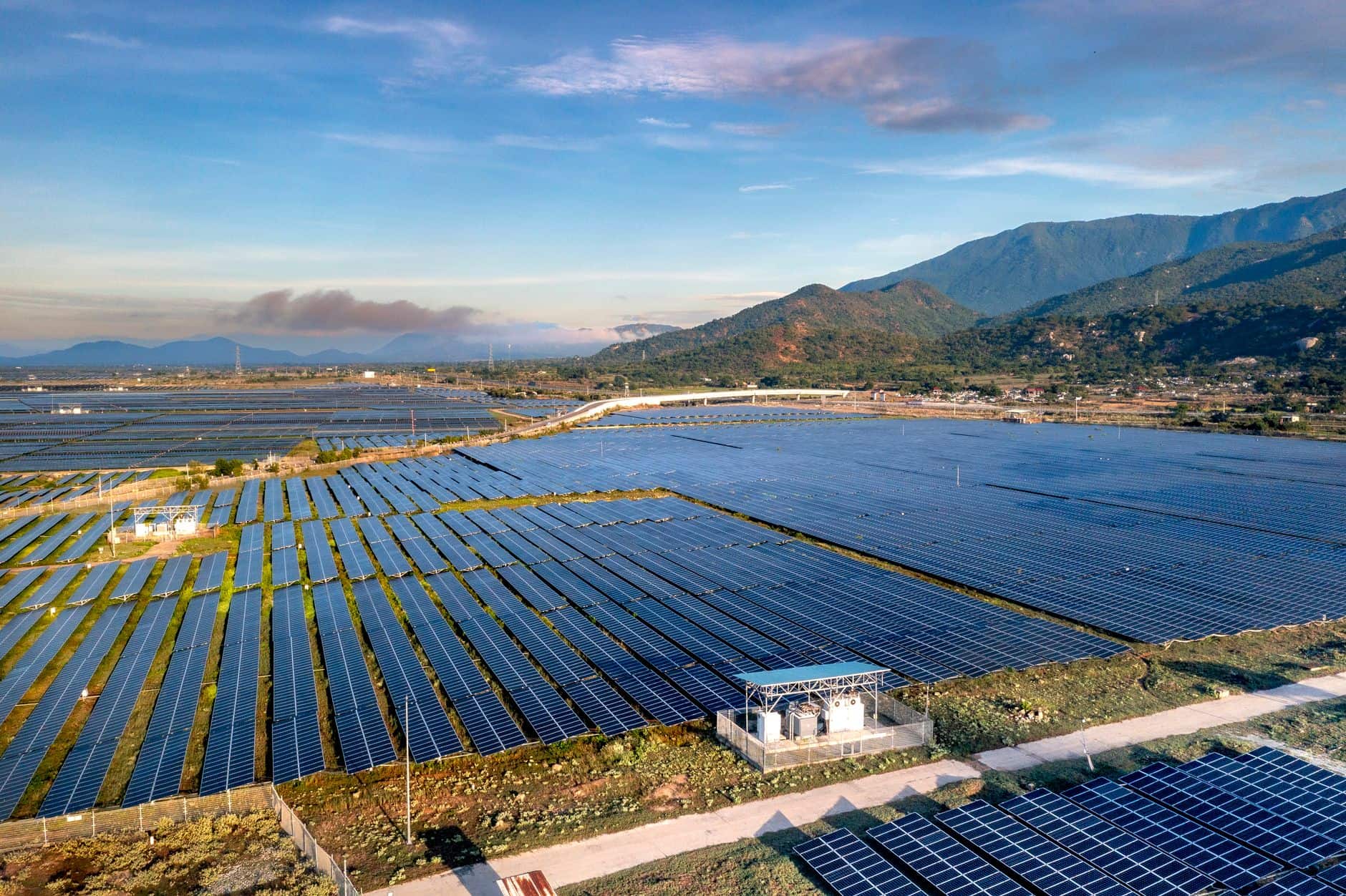
US Solar Adds 19.2 GW in H1 2026
The United States installed 19.2 GW of solar PV in the first half of 2026, driven mainly by a 61 % surge in utility‑scale projects, while residential solar slipped and permitting bottlenecks loom.
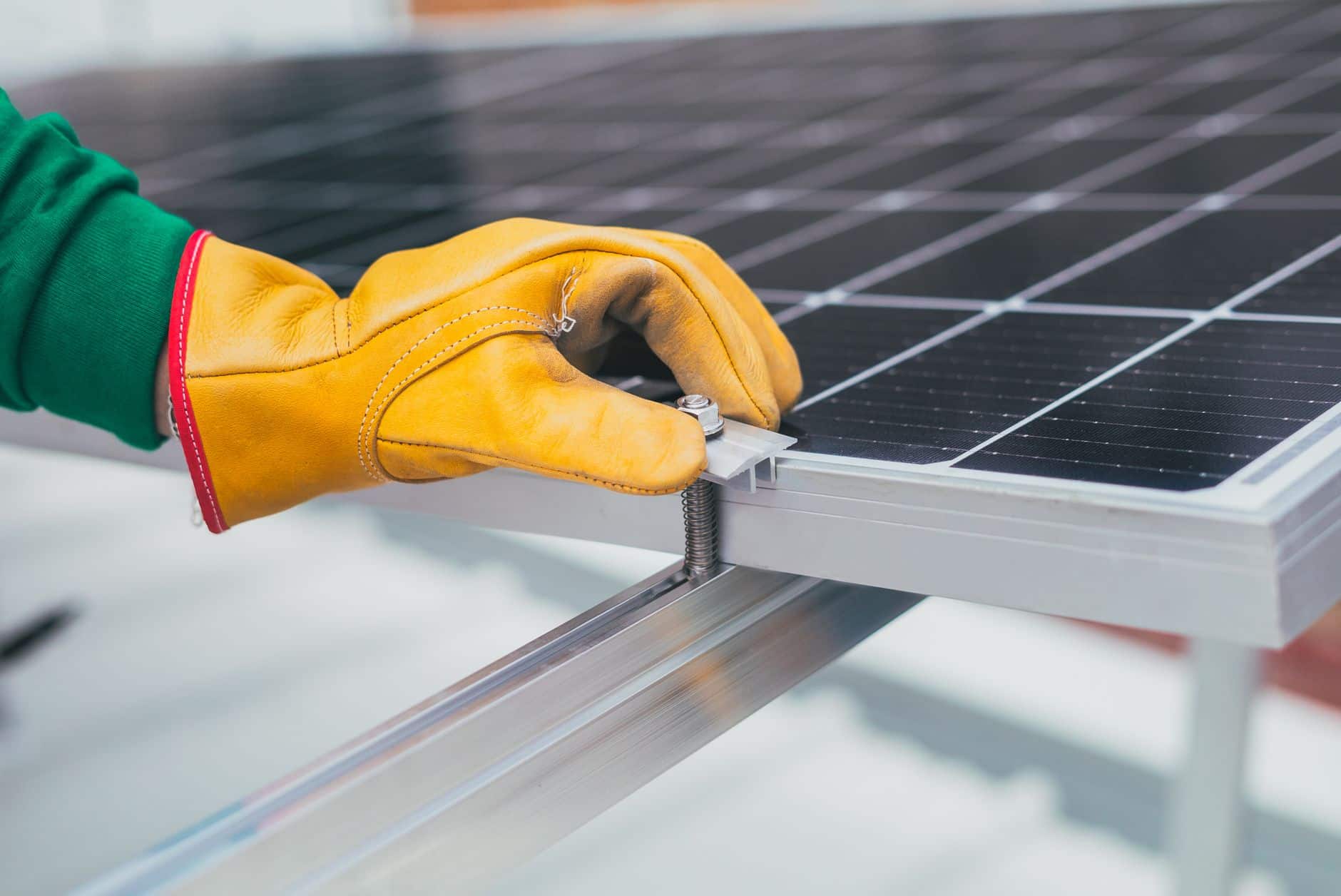
Chile’s Solar Curtailment Hits Record, Storage Ramps Up
Chile curtailed a record 2,680 GWh of solar and wind power in the first seven months of 2026, while battery storage capacity surged to over 2.6 GW, highlighting a growing flexibility gap.

Hormuz Crisis Sends Oil Prices 20% Higher
The Hormuz crisis has cut about 9 million barrels per day of oil, pushing Brent up 20 % and gas prices 40‑60 % higher, while making rooftop solar in Israel financially more attractive than ever.