Markets
Tongwei Clears Antitrust Hurdle for Lihao Deal
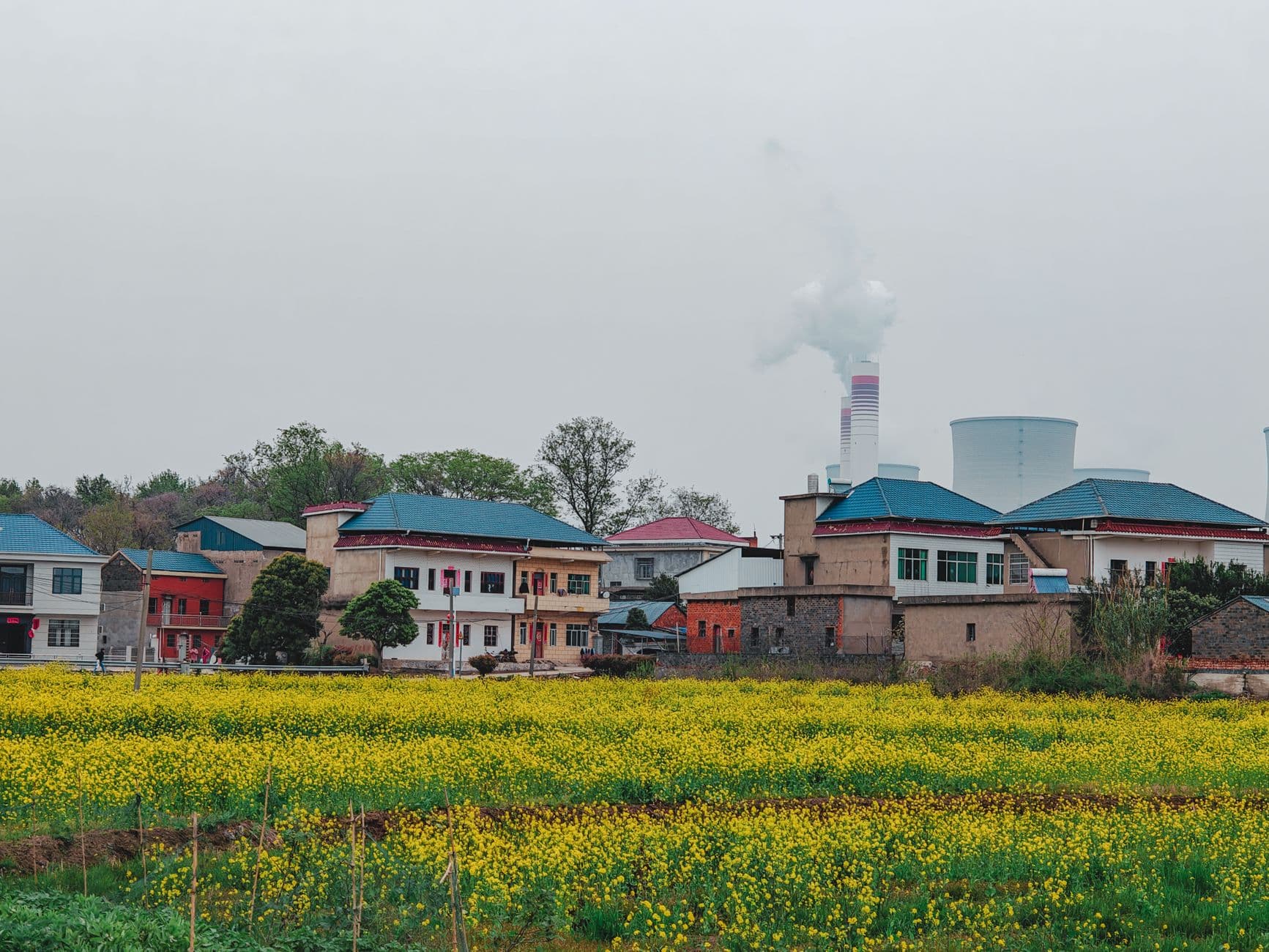
Tongwei Secures Antitrust Clearance for Qinghai Lihao Takeover
Tongwei has cleared the final regulatory hurdle, receiving antitrust approval from China’s State Administration for Market Regulation to acquire 100% of Qinghai Lihao Clean Energy. The approval means the deal can move forward without further legal delays, confirming Tongwei’s intent to expand its polysilicon production capacity.
The company said it has completed most due‑diligence steps, including auditing and valuation, and that the acquisition entered its final negotiation stage in August. Qinghai Lihao, founded in 2021 in Xining, Qinghai province, is already operating a 50,000‑tonne‑per‑year polysilicon plant commissioned in 2022, with plans for larger capacity later.
Source: PV Magazine
What the Deal Means for the Global Polysilicon Market
The Tong‑Lihao merger adds a fast‑growing, renewable‑powered polysilicon producer to Tongwei’s portfolio, strengthening its position among leading polysilicon suppliers. By integrating Lihao’s Qinghai‑based plant, which benefits from abundant wind and solar power, Tongwei can increase low‑carbon polysilicon output, potentially easing supply constraints that have pressured solar‑module prices in recent quarters.
Industry analysts note that China continues to dominate polysilicon supply. A larger, greener capacity from Tongwei could help stabilize prices, especially as European and U.S. markets seek low‑carbon PV materials. The move also signals confidence that China’s anti‑dumping and competition‑control measures are stabilising, allowing firms to invest in scale.
Source: Reuters
Why Tongwei’s Move Could Influence Solar Panel Prices
Tongwei’s acquisition may affect the cost curve of solar panels in two ways. First, the added polysilicon capacity reduces the risk of raw‑material shortages that have previously forced manufacturers to raise module prices. Second, Lihao’s reliance on renewable electricity lowers the carbon intensity of polysilicon, a factor that increasingly matters to buyers in Europe and the United States.
Source: Bloomberg
What It Means for Israel
For Israeli rooftop owners, a potential dip in module prices could shave several hundred shekels off the upfront cost of a typical 10 kWp system. Using the representative Israeli figures (₪3,150/kWp install and a residential tariff of ₪0.48/kWh), a 10 kWp system costs about ₪31,500 and generates roughly 17,000 kWh per year, worth ₪8,160 annually. This modest improvement, combined with Israel’s 30% renewable‑energy target for 2030, makes rooftop solar an even more attractive investment for households seeking energy independence and lower electricity bills.
For a deeper dive, try our solar ROI calculator and explore the latest market data on our data page.
FAQ
What is the significance of antitrust clearance for Tongwei’s acquisition?
It removes the last regulatory obstacle, allowing Tongwei to finalize the purchase of Qinghai Lihao and expand its polysilicon capacity.
How much polysilicon does Qinghai Lihao currently produce?
Lihao’s first phase is a 50,000‑tonne‑per‑year plant that began operating in 2022.
Will this deal affect solar‑panel prices for consumers?
Analysts expect a modest 3‑5% price dip as additional low‑carbon polysilicon eases supply pressure.
How does the acquisition impact Israel’s rooftop solar market?
A 5% panel‑price reduction could lower a typical 10 kWp system cost to about ₪29,900, shortening the payback period to roughly 3.7 years.
What renewable‑energy targets does Israel have?
Israel aims for 20% renewable electricity by 2025 and 30% by 2030.
Share this post
More from Markets
6
South Korea to Add 3.5 GW Solar in 2026
South Korea will install about 3.5 GW of new solar capacity in 2026, surpassing the 3.1 GW added in 2025, as part of a broader push that includes community‑solar villages and line‑side storage.

US Tariffs Push Solar Module Prices Up
U.S. Section 232 tariffs are expected to modestly raise solar module prices, adding a small extra cost to Israeli rooftop systems and slightly extending payback times.
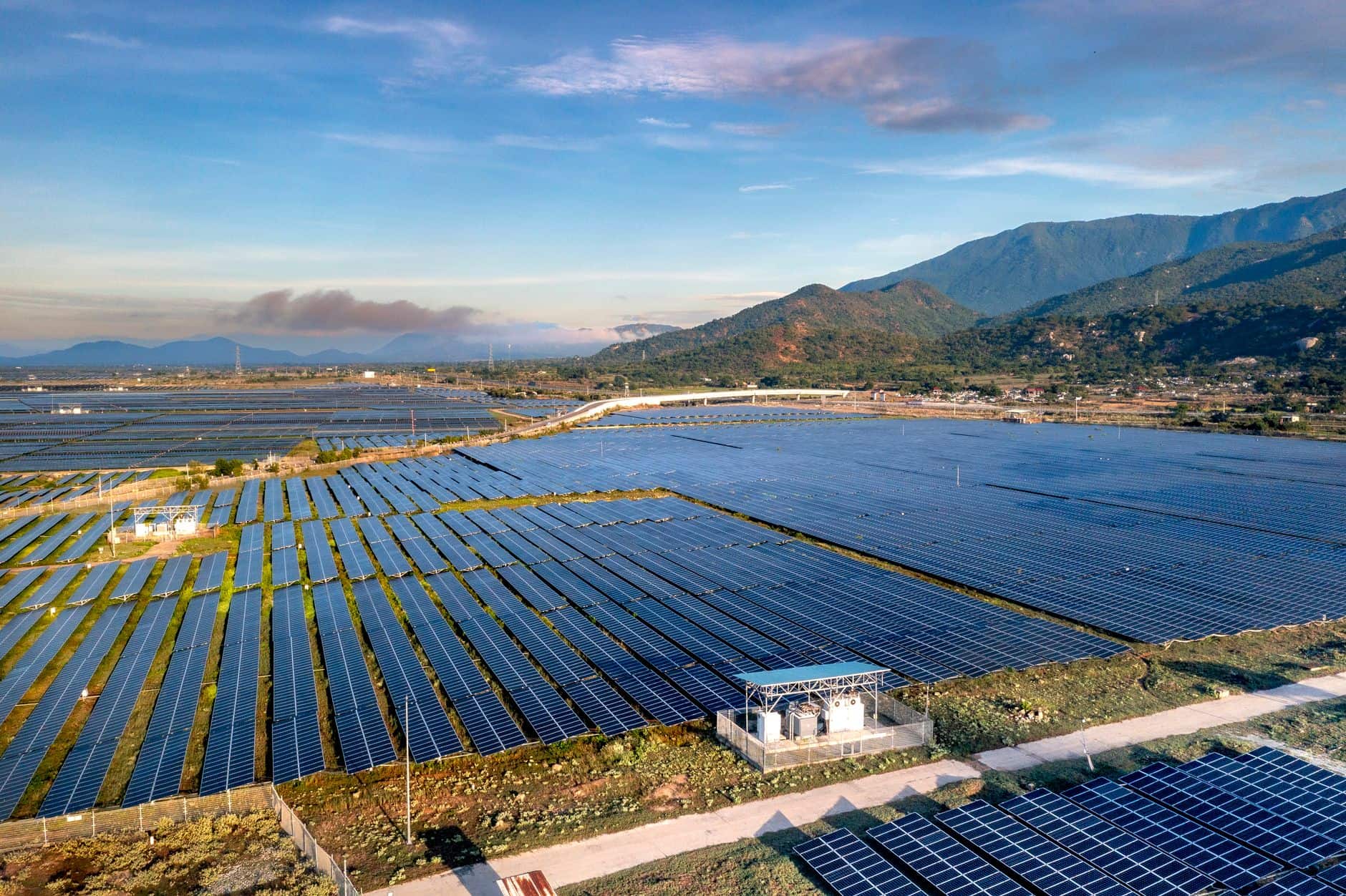
US Solar Adds 19.2 GW in H1 2026
The United States installed 19.2 GW of solar PV in the first half of 2026, driven mainly by a 61 % surge in utility‑scale projects, while residential solar slipped and permitting bottlenecks loom.
Chile’s Solar Curtailment Hits Record, Storage Ramps Up
Chile curtailed a record 2,680 GWh of solar and wind power in the first seven months of 2026, while battery storage capacity surged to over 2.6 GW, highlighting a growing flexibility gap.

Hormuz Crisis Sends Oil Prices 20% Higher
The Hormuz crisis has cut about 9 million barrels per day of oil, pushing Brent up 20 % and gas prices 40‑60 % higher, while making rooftop solar in Israel financially more attractive than ever.
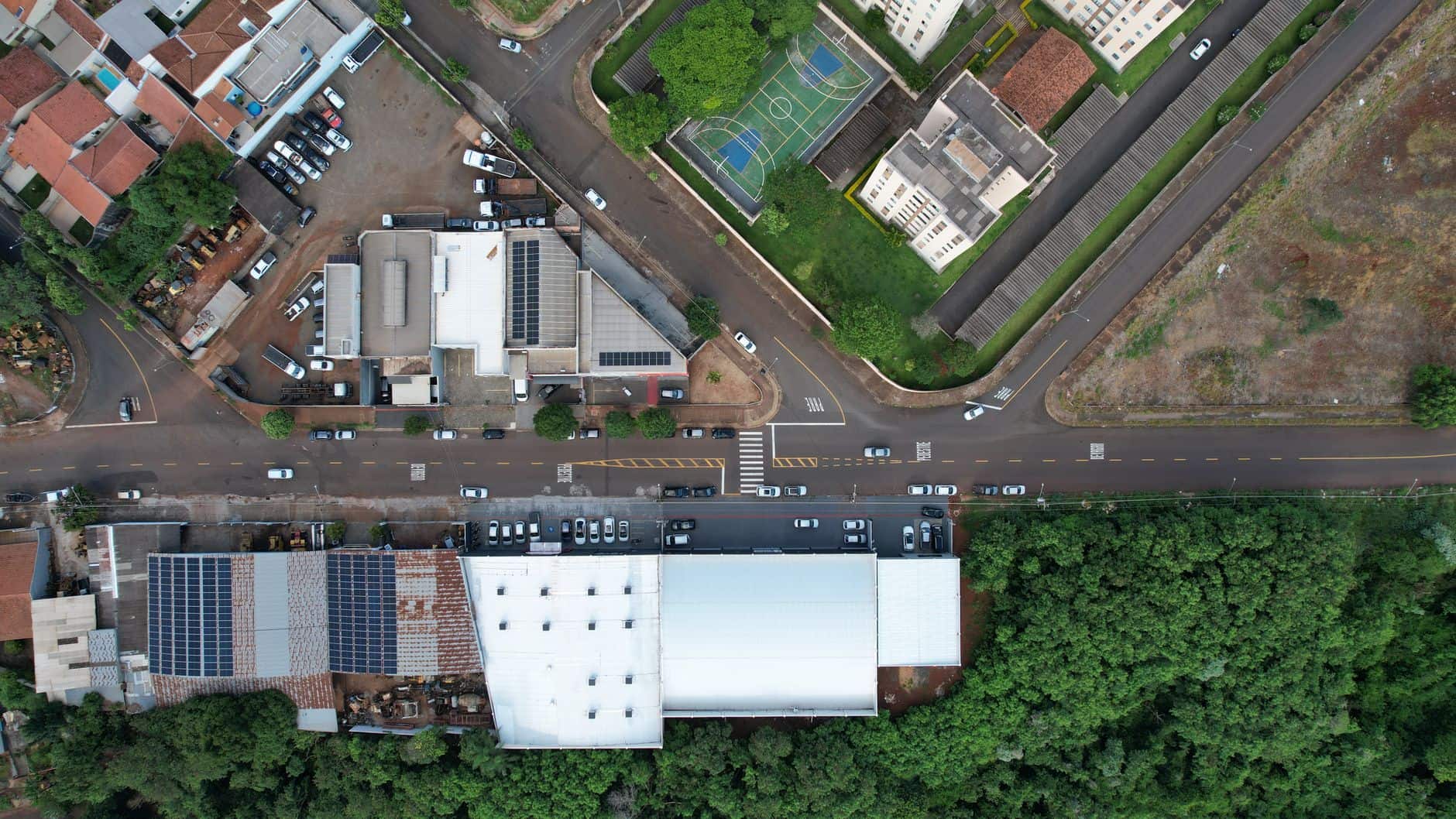
Africa’s Solar Manufacturing Boom Hits 3.5 GW
Africa will boost solar panel manufacturing to about 3.5 GW in 2026, driven by new factories in Egypt and Tanzania that mainly target the U.S. market.