Markets
Nigeria Launches 100 MW Solar Tender
Nigeria Opens 100 MW Solar Tender – Key Facts
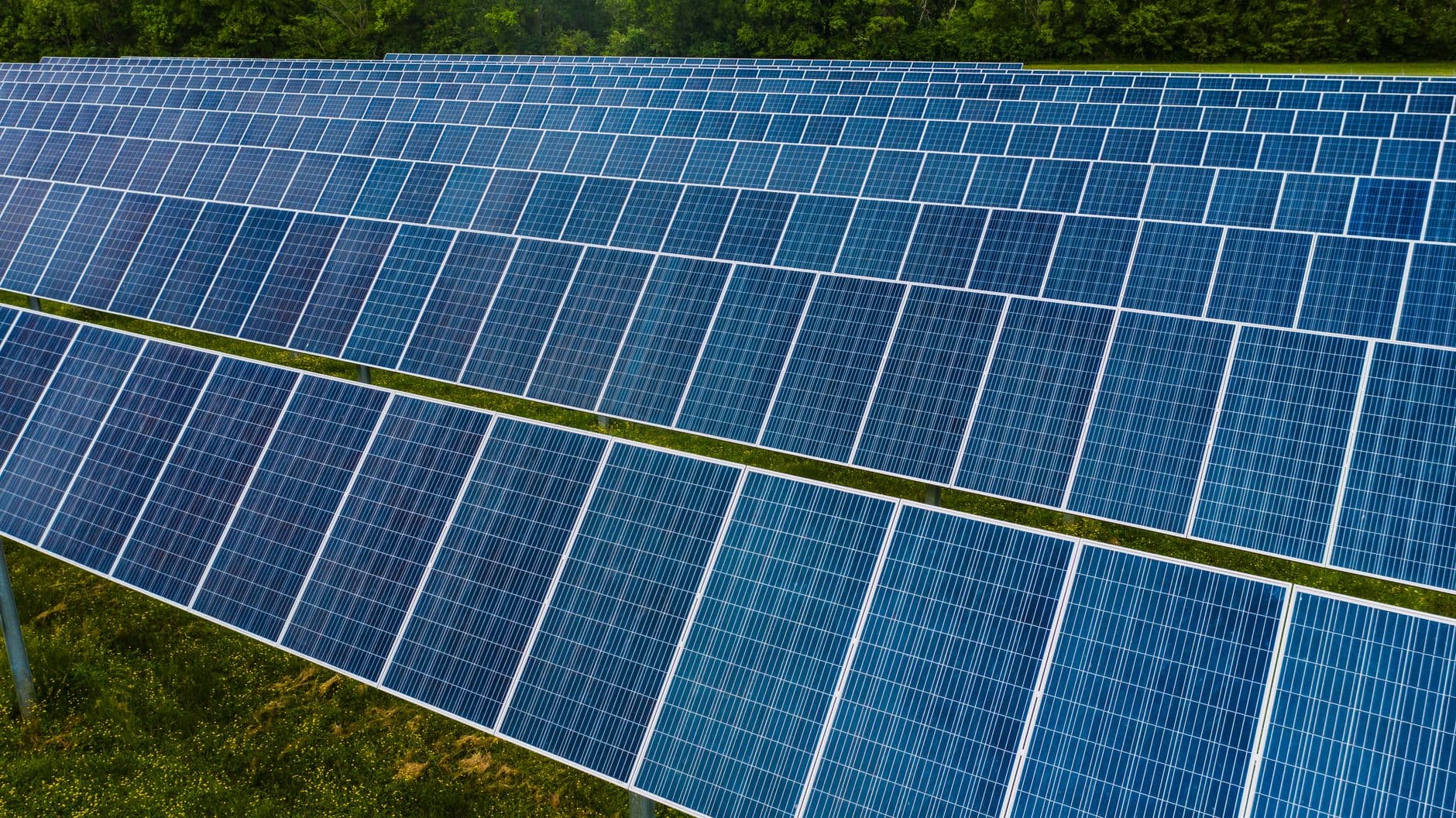
Nigeria’s federal government has announced a competitive tender for a 100 MW solar power plant in Maikunkele, Niger State, with pre‑qualification closing on 13 October 2024. The project is split into two lots – one for the construction and installation of the solar plant and another for grid‑interconnection works – and the bid invitation is slated for January 2027.
The tender documents can be purchased for NGN 250,000 (≈ $200) and must be submitted by post. The government plans to tap financing from the Islamic Development Bank (IsDB) to fund the development, allocating part of the loan to cover tender payments.
Project Structure and Timeline
The 100 MW project is divided into two distinct lots. Lot 1 covers the engineering, procurement, and construction (EPC) of the solar farm, including panel installation, inverters, and balance‑of‑system equipment. Lot 2 focuses on the civil works needed to connect the plant to the national grid, such as substation upgrades and transmission lines.
The contract will set the delivery schedule in accordance with the tender documents.
Financing and International Support
Nigeria has formally applied to the Islamic Development Bank for project financing, a move that signals multilateral interest in the country’s renewable‑energy expansion. The IsDB’s involvement is expected to enhance the attractiveness of the tender to regional and international developers.
According to the Africa Solar Industry Association (AFSIA), Nigeria already operates about 4.9 GW of solar capacity, with an additional 188 MW under construction. The new 100 MW plant would increase the nation’s operational solar base by roughly 2 % and help diversify its energy mix away from diesel‑generated power.
Nigeria’s Solar Landscape – Current Capacity
AFSIA’s online database lists 4.9 GW of operational solar in Nigeria and 188 MW under construction as of 2024. Nigeria’s solar capacity continues to expand, supported by a range of policies aimed at encouraging clean‑energy development.
The Niger State Solar Energy Development Project, of which this tender is a part, aims to create a regional hub that can supply clean electricity to both industrial zones and nearby rural communities.
What it means for Israel
For Israeli investors, the Nigerian tender illustrates the expanding appetite for large‑scale solar in emerging markets. Using Israel’s typical residential tariff of ₪0.48/kWh and a central‑region yield of 1,700 kWh/kWp · year, a 100 MW (100,000 kWp) plant would generate roughly 170 GWh annually. At the Israeli residential rate, that energy would be worth about ₪81.6 million per year.
If a comparable 100 MW plant were built in Israel at the average turnkey cost of ₪2,200/kWp for commercial projects, the capital outlay would be ₪220 million. With a simple payback of just under 2.7 years (ignoring financing costs), the economics are highly attractive – a useful benchmark for Israeli firms considering joint‑ventures or equipment‑supply contracts in Nigeria.
For a quick, customized ROI estimate, Israeli readers can use our solar ROI calculator and compare regional yields on our market data page.
Outlook and Opportunities
The tender’s January 2027 invitation date gives developers roughly two years to assemble consortia, secure financing, and submit detailed proposals. Given the IsDB’s backing, the project is likely to attract a mix of African EPC firms and international investors.
If awarded, the 100 MW plant will contribute to Nigeria’s renewable‑energy objectives and may create local jobs in construction, operations, and maintenance. It signals a broader trend: African nations are increasingly turning to large‑scale solar to meet rising electricity demand while reducing carbon emissions.
Stay tuned for the bid results in early 2027 and watch how this flagship project shapes the region’s clean‑energy future.
FAQ
When is the deadline to submit pre‑qualification documents for Nigeria’s 100 MW solar tender?
The pre‑qualification deadline is 13 October 2024, and documents must be sent by post.
How much does it cost to obtain the tender documents?
Prospective bidders pay a non‑refundable fee of NGN 250,000 (about US $200) for the full pre‑qualification packet.
What are the two lots in the Nigerian solar tender?
Lot 1 covers the solar‑plant EPC work, while Lot 2 handles grid‑interconnection and evacuation infrastructure.
Which international bank is Nigeria approaching for project financing?
Nigeria has applied to the Islamic Development Bank (IsDB) for financing to support the tender.
How much solar capacity does Nigeria already have?
According to the Africa Solar Industry Association, Nigeria operates about 4.9 GW of solar capacity, with another 188 MW under construction.
What could a 100 MW plant mean for Israeli investors?
At Israel’s typical residential tariff, a 100 MW plant would generate roughly ₪81.6 million worth of electricity per year, offering a payback under three years for comparable local projects.
Share this post
More from Markets
6
South Korea to Add 3.5 GW Solar in 2026
South Korea will install about 3.5 GW of new solar capacity in 2026, surpassing the 3.1 GW added in 2025, as part of a broader push that includes community‑solar villages and line‑side storage.
US Tariffs Push Solar Module Prices Up
U.S. Section 232 tariffs are expected to modestly raise solar module prices, adding a small extra cost to Israeli rooftop systems and slightly extending payback times.
Tongwei Clears Antitrust Hurdle for Lihao Deal
Tongwei has received antitrust clearance to acquire Qinghai Lihao, a fast‑growing polysilicon producer, paving the way for expanded low‑carbon silicon capacity that could help lower solar‑module prices worldwide.
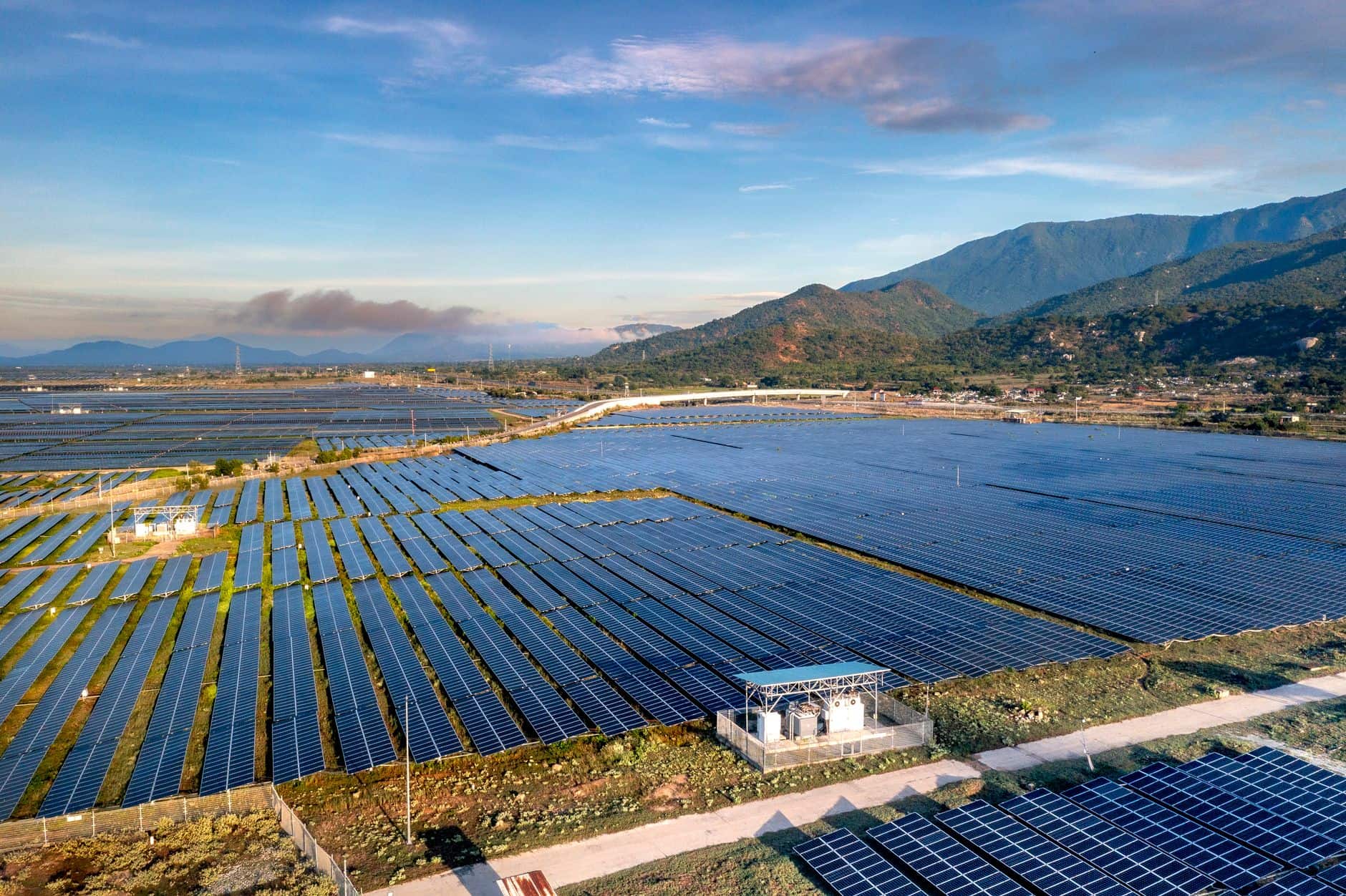
US Solar Adds 19.2 GW in H1 2026
The United States installed 19.2 GW of solar PV in the first half of 2026, driven mainly by a 61 % surge in utility‑scale projects, while residential solar slipped and permitting bottlenecks loom.
Chile’s Solar Curtailment Hits Record, Storage Ramps Up
Chile curtailed a record 2,680 GWh of solar and wind power in the first seven months of 2026, while battery storage capacity surged to over 2.6 GW, highlighting a growing flexibility gap.
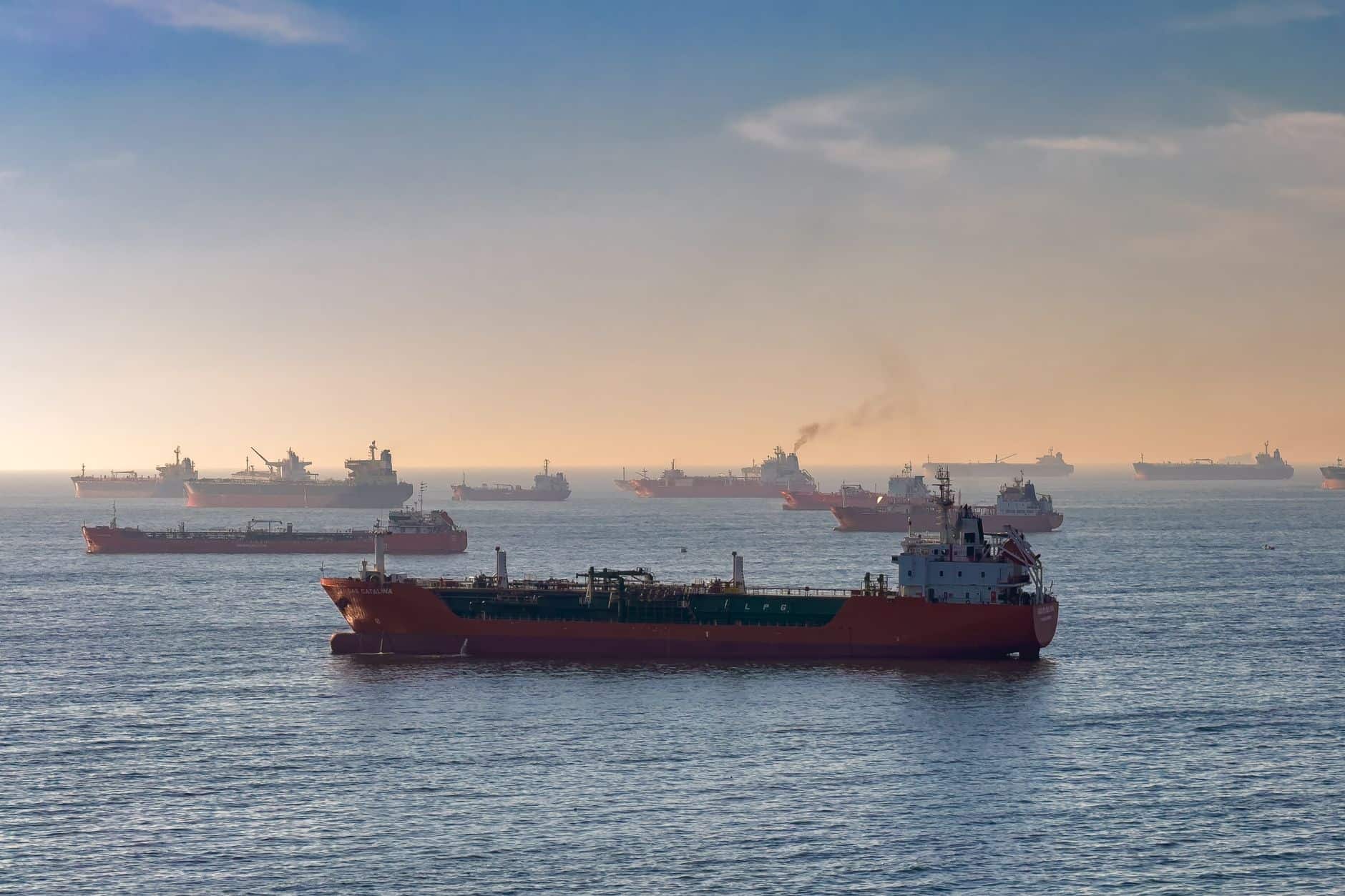
Hormuz Crisis Sends Oil Prices 20% Higher
The Hormuz crisis has cut about 9 million barrels per day of oil, pushing Brent up 20 % and gas prices 40‑60 % higher, while making rooftop solar in Israel financially more attractive than ever.