Policy
US 15% Polysilicon Tariff Hits Solar Prices
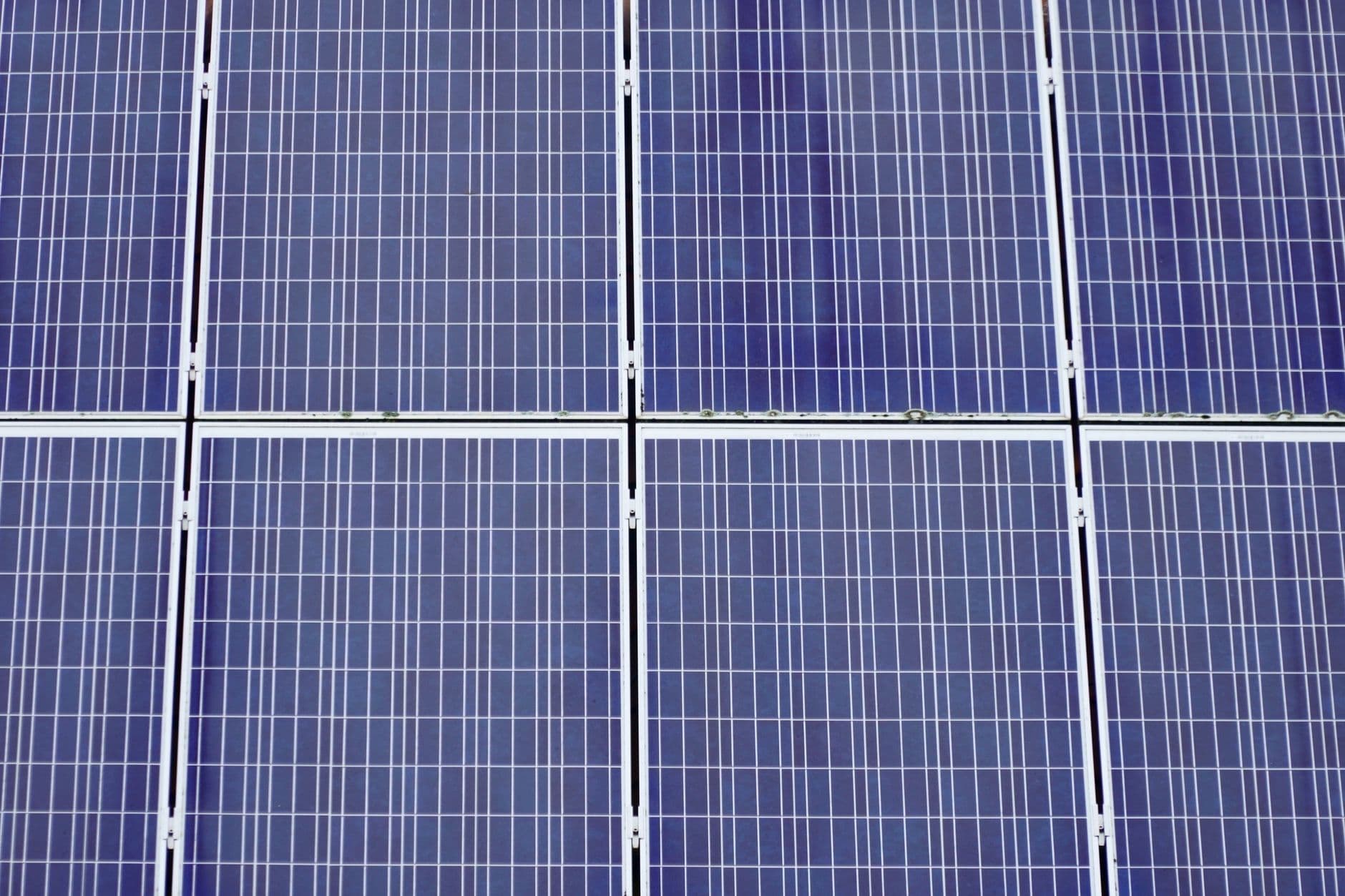
The US has slapped a 15% ad‑valorem tariff on all polysilicon imports
On August 6, 2026 the White House announced that a 15% tariff will apply to every import of silicon ingots, wafers, cells and modules, together with minimum import price thresholds. The move closes the Section 232 investigation that concluded foreign‑supplied polysilicon was harming U.S. manufacturers.
U.S. manufacturers see a short‑term cost squeeze, but capacity may rebound
The tariff immediately raises the landed cost of raw polysilicon for U.S. ingot and wafer producers, prompting many to pause expansion plans while they adjust supply contracts. Analysts expect a short‑term dip in U.S. cell output, followed by a rebound as domestic polysilicon projects come online under the new price floor. The policy also discourages cheap shipments that previously undercut U.S. prices.
Global solar‑module prices are likely to climb modestly
Because polysilicon is a key input for modules, the tariff is expected to lift module prices worldwide to some degree. The price lift will be passed on to downstream distributors and, ultimately, to installers.
Israeli rooftop‑solar owners may feel a modest price bump
Israel imports most of its PV modules from Asian manufacturers that source polysilicon from the same global pool. A modest increase in module cost would add a small amount to the price of a typical 10 kWp residential system (based on the typical ₪3 150/kWp turnkey cost). While the jump is small compared to the overall investment, it would only slightly extend the simple‑payback period.
What this means for a typical Israeli home system
Using the representative figures for central Israel (≈₪0.48/kWh tariff, 1 700 kWh/kWp annual yield, ₪3 150/kWp install), a 10 kWp system generates ~17 000 kWh/year, worth ~₪8 160 in electricity savings. A modest rise in module cost would raise the total install cost by a small margin and lengthen the payback by only a fraction of a year. Over a 25‑year life the extra cost is easily recouped, and the system still avoids roughly 8.5 t of CO₂ annually.
Long‑term outlook: policy ripple effects and industry adaptation
The Section 232 tariff is intended to nurture a domestic polysilicon industry, but its global side‑effects could spur higher recycling rates and more investment in alternative feedstocks such as silicon‑on‑glass. Over the next few years, analysts anticipate that U.S. polysilicon capacity could grow, which may eventually ease price pressure on imported modules and bring Israeli system costs back down.
What it means for Israel
Even a modest price increase nudges Israeli homeowners to act sooner rather than later, especially as the nation pushes toward its 30 % renewable‑electricity target for 2030. The extra cost is quickly offset by the high residential feed‑in tariff (≈₪0.48/kWh) and the strong solar yield in the south and Arava (up to 1 950 kWh/kWp/year). For commercial and municipal owners, the impact is even smaller because their larger‑scale purchases dilute the per‑kilowatt price rise.
For a quick estimate of your own system’s ROI, try our solar ROI calculator. For up‑to‑date market data, visit our solar data hub.
FAQ
What is the Section 232 tariff on polysilicon?
It is a 15% ad‑valorem duty on all imported silicon ingots, wafers, cells and modules, plus minimum price floors, announced by the White House on Aug 6 2026.
How will the tariff affect solar‑panel prices?
Because polysilicon is a key raw material, analysts expect finished‑module prices to rise 2‑3% globally.
Will Israeli homeowners pay more for solar?
A typical 10 kWp residential system could cost about ₪90‑₪120 more, shortening the payback by roughly 0.1‑0.2 years.
Is the extra cost worth it in Israel?
Yes – with a residential tariff of ₪0.48/kWh the system still saves ~₪8 160 per year and avoids about 8.5 t of CO₂ annually.
When will the price pressure ease?
U.S. polysilicon capacity is expected to grow 10‑15% over the next five years, which could later bring module prices back down.
Share this post
More from Policy
6
Lebanon Fast‑Tracks Solar Up to 1.5 MW
Lebanon’s new interim rules let PV systems up to 1.5 MW bypass the Energy Ministry, shifting permitting and safety oversight to municipalities and engineers, a move that could speed up solar deployment across the country.
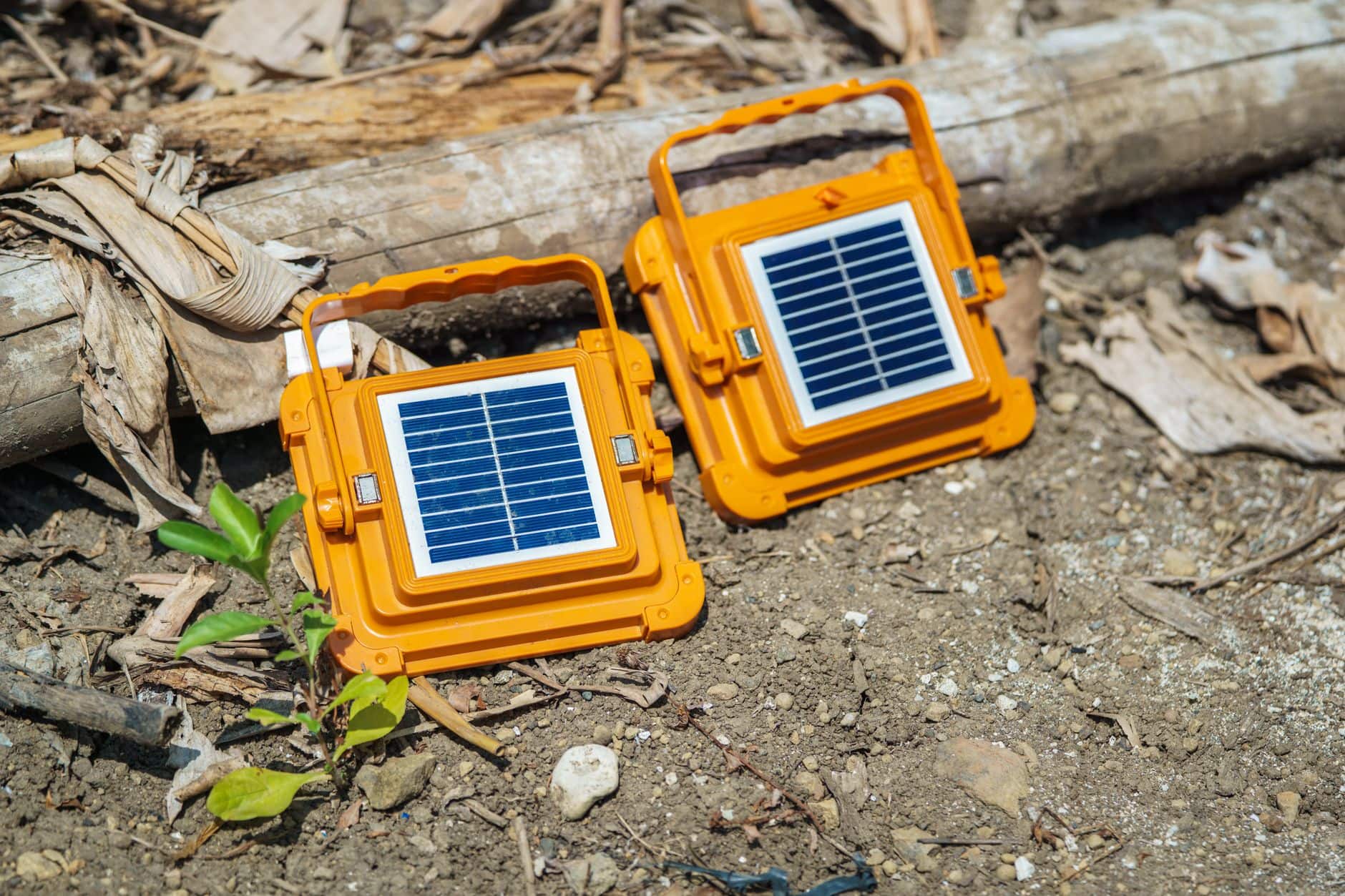
Plug‑in Solar Legal in 10 US States
A wave of U.S. state legislation now permits plug‑in solar on balconies and patios, offering renters an affordable, portable power solution, while Israel’s typical 1 kW system can deliver notable savings and a payback period of about four years.
Romania Allocates €650M for Solar‑Storage
Romania will allocate €650 million to fully fund solar‑plus‑storage projects on public buildings, with up to €10 million per beneficiary and a deadline of 2029.
South Korea Sets Solar Committee Boost Industry
South Korea has formed a Solar Industry Competitiveness Committee to rebuild its domestic solar supply chain and target 56.2 GW of new capacity by 2030, with a focus on ≥35 % efficient tandem cells.
US Renewable Projects Face Record Opposition
The U.S. recorded a record 888 renewable‑energy restrictions in 2025, but new rules slowed to 70, while cancellations surged to 9.8 GW – the biggest single‑year loss on record.
France Calls for Thin‑Film Solar Recycling
France’s Soren has opened a call for thin‑film solar recyclers, prioritizing a 1,300‑tonne CdTe batch, with projected waste rising to 15,000 t by 2037.