Policy
South Korea Sets Solar Committee Boost Industry
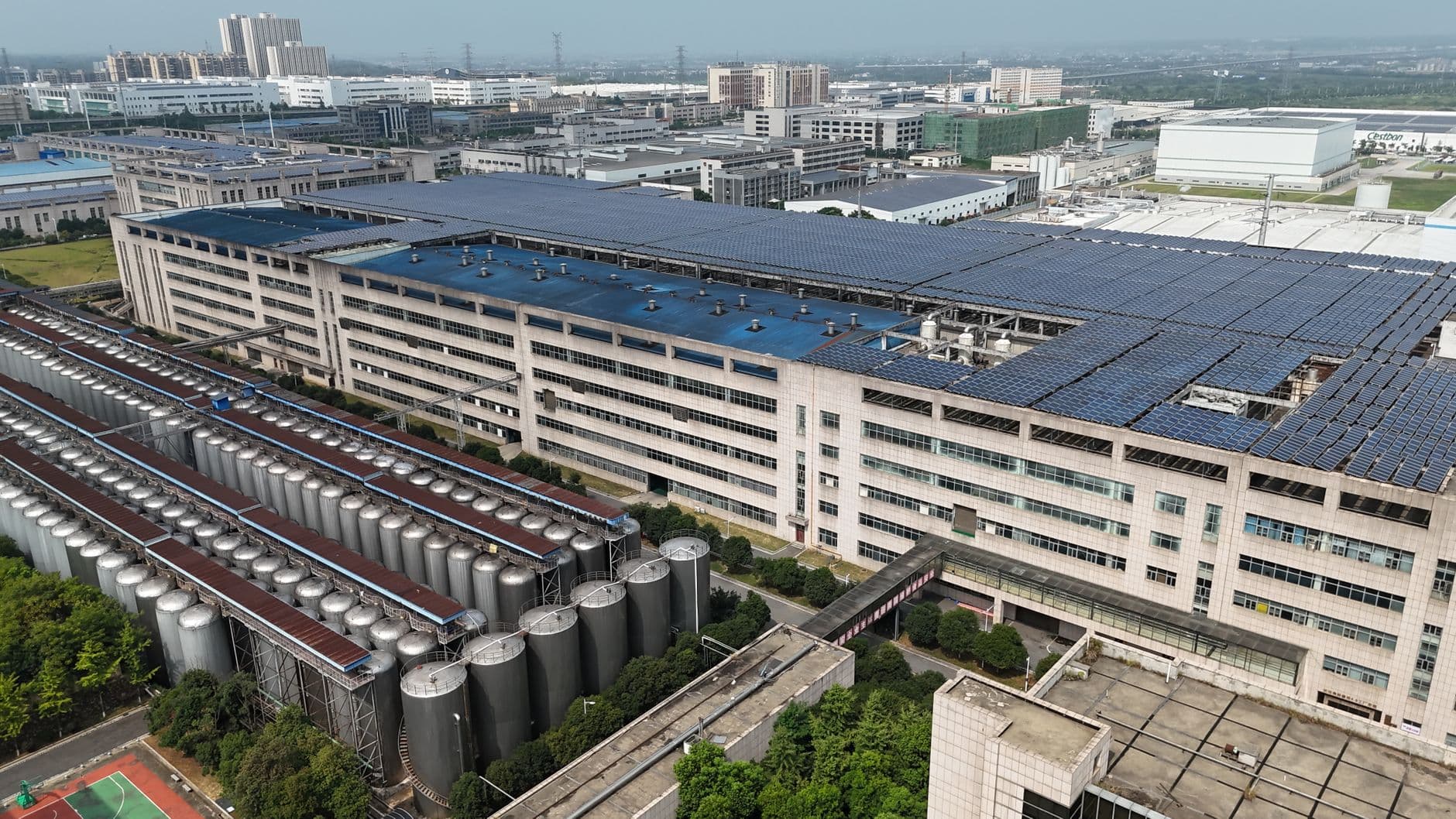
South Korea launches a new solar committee to revive domestic manufacturing
South Korea’s Ministry of Climate, Energy and Environment (MCEE) announced on Sept. 10 that it has formed a Solar Industry Competitiveness Committee to rebuild the country’s domestic solar supply chain and secure a foothold in next‑generation cell technology. The committee brings together government ministries, public research institutes, industry players, academia and civil‑society groups, and will collect feedback from companies on localisation challenges, design cooperation models across the value chain, and plan large‑scale demonstration sites for tandem cells and advanced inverters.
Committee targets 56.2 GW of new solar capacity by 2030, with a focus on tandem cells
The MCEE’s First Renewable Energy Basic Plan, released in May, sets a national goal of 100 GW of renewable capacity by 2030, up from about 37 GW at the time of the plan. Of that, roughly 56.2 GW of new solar must be added – split between 12 GW of large grid‑connected complexes and 44.2 GW from designated sites such as industrial rooftops, agrivoltaic farms, floating installations, transport corridors and public buildings. The committee will steer the rollout of perovskite‑silicon tandem modules aiming for ≥35 % efficiency by 2028, well above the International Technology Roadmap for Photovoltaic’s forecast of 28.8 % for mass‑production tandem cells in the same year.
Chinese modules now dominate South Korean market, prompting policy response
Data from the Korea Energy Agency show that Chinese‑made modules accounted for 69.3 % of installed capacity in 2025, up from a minority share in 2019 when domestic modules held 78.4 % of the market. The same figures indicate that about 95 % of cells and 60 % of modules sold domestically are Chinese‑made. This rapid shift has spurred the government to introduce a domestic production tax credit tied to output volumes, and to back the committee’s work with broader industry‑support measures.
Government incentives include a new Kepco subsidiary and a tax credit for local manufacturers
In late August, state utility Korea Electric Power Corp. (Kepco) launched Kepco Technology Holdings, initially capitalised at KRW 20 billion (≈US$14.9 million) with a plan to grow to KRW 100 billion over five years. The subsidiary will commercialise public‑sector patents and partner with seven domestic inverter manufacturers, creating a supply‑chain anchor for the nascent solar ecosystem. Parallel announcements detail a tax credit that rewards manufacturers based on the volume of locally produced cells and modules, reinforcing the committee’s mandate to rebuild the industry.
How South Korea’s solar push compares to Israel’s renewable targets
Israel aims for 30 % renewable electricity by 2030 (20 % by 2025). South Korea’s plan calls for 56.2 GW of new solar capacity. Both nations rely on government‑backed incentives, but South Korea is explicitly targeting next‑generation tandem technology, whereas Israel’s policy focus remains on expanding rooftop and utility‑scale PV under existing feed‑in tariffs.
What it means for Israel
For Israeli investors and installers, South Korea’s aggressive support for tandem cells signals a fast‑moving global market for high‑efficiency modules. If Korean manufacturers achieve ≥35 % efficiency at scale, the cost per watt could potentially decrease, making similar technology attractive for Israel’s high‑irradiance Arava region (annual yield ~1,950 kWh/kWp). Using Israel’s typical residential tariff of ₪0.48/kWh and a turnkey cost of ₪3,150/kWp, a 10 kWp home system would generate about 17,000 kWh/year, worth ≈₪8,160 annually, and pay back in ≈3.9 years. Should Korean‑produced tandem panels reach comparable prices, Israeli homeowners could see shorter payback periods and higher energy yields, accelerating the country’s path to its 30 % renewable target. Stakeholders should watch the committee’s demonstration projects for early‑adopter opportunities and consider partnering with Korean firms to import next‑gen modules once commercialised.
For deeper analysis of Israeli solar economics, try our solar ROI calculator and explore the latest market data on our data page.
FAQ
Why did South Korea create a new solar committee?
The government wants to rebuild a domestic supply chain that’s been overtaken by Chinese manufacturers and to secure a leadership position in next‑generation tandem‑cell technology.
What solar capacity does South Korea plan to add by 2030?
The First Renewable Energy Basic Plan calls for about **56.2 GW of new solar capacity**, split between large grid‑connected farms and rooftop, agrivoltaic, floating and public‑building installations.
How much of South Korea’s solar market is now Chinese‑made?
Chinese modules made up **69.3 % of installed capacity in 2025**, and roughly **95 % of cells and 60 % of modules** sold domestically are Chinese‑manufactured.
What efficiency target has South Korea set for tandem cells?
The committee aims for **≥35 % efficiency** for perovskite‑silicon tandem modules by 2028, well above the global industry forecast of about 28 % for that year.
How could this affect Israeli homeowners?
If Korean tandem panels reach comparable prices, Israeli rooftop systems could see higher yields and shorter payback—potentially under **3 years** versus the current **≈3.9 years** for standard panels.
What financial incentives is South Korea offering?
A domestic production tax credit linked to output volumes and a new state‑owned subsidiary, Kepco Technology Holdings, funded up to **KRW 100 billion** to commercialise patents and partner with local inverter makers.
Share this post
More from Policy
6
Lebanon Fast‑Tracks Solar Up to 1.5 MW
Lebanon’s new interim rules let PV systems up to 1.5 MW bypass the Energy Ministry, shifting permitting and safety oversight to municipalities and engineers, a move that could speed up solar deployment across the country.
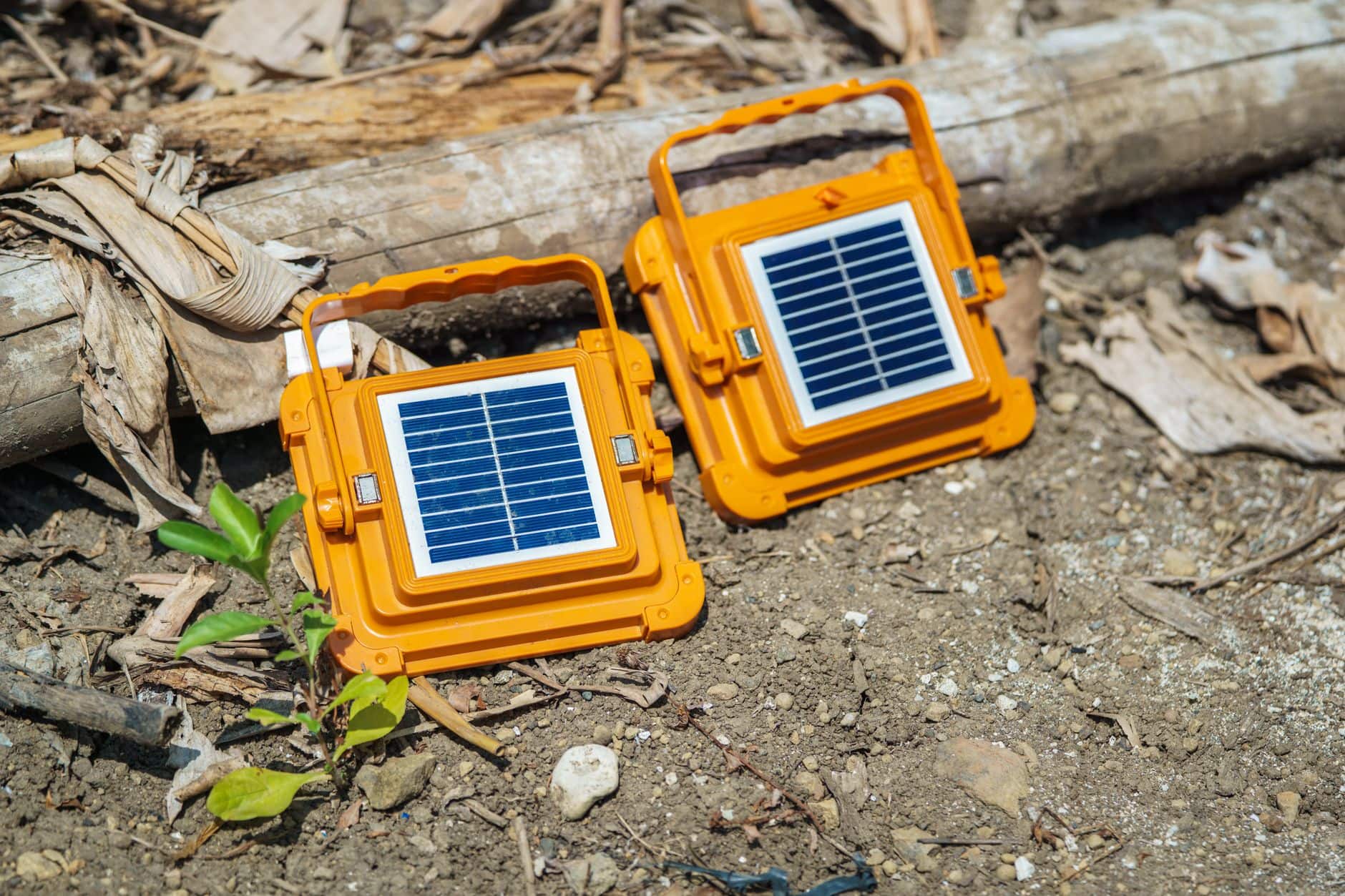
Plug‑in Solar Legal in 10 US States
A wave of U.S. state legislation now permits plug‑in solar on balconies and patios, offering renters an affordable, portable power solution, while Israel’s typical 1 kW system can deliver notable savings and a payback period of about four years.
Romania Allocates €650M for Solar‑Storage
Romania will allocate €650 million to fully fund solar‑plus‑storage projects on public buildings, with up to €10 million per beneficiary and a deadline of 2029.
US Renewable Projects Face Record Opposition
The U.S. recorded a record 888 renewable‑energy restrictions in 2025, but new rules slowed to 70, while cancellations surged to 9.8 GW – the biggest single‑year loss on record.
France Calls for Thin‑Film Solar Recycling
France’s Soren has opened a call for thin‑film solar recyclers, prioritizing a 1,300‑tonne CdTe batch, with projected waste rising to 15,000 t by 2037.
UK Grid Reform Misses Deadlines, Ofgem Finds
Ofgem found that the UK’s grid‑connection reform missed deadlines, gave developers inaccurate offers, and suffered digital portal glitches, though NESO performed well on most other objectives.