Policy
Romania Allocates €650M for Solar‑Storage
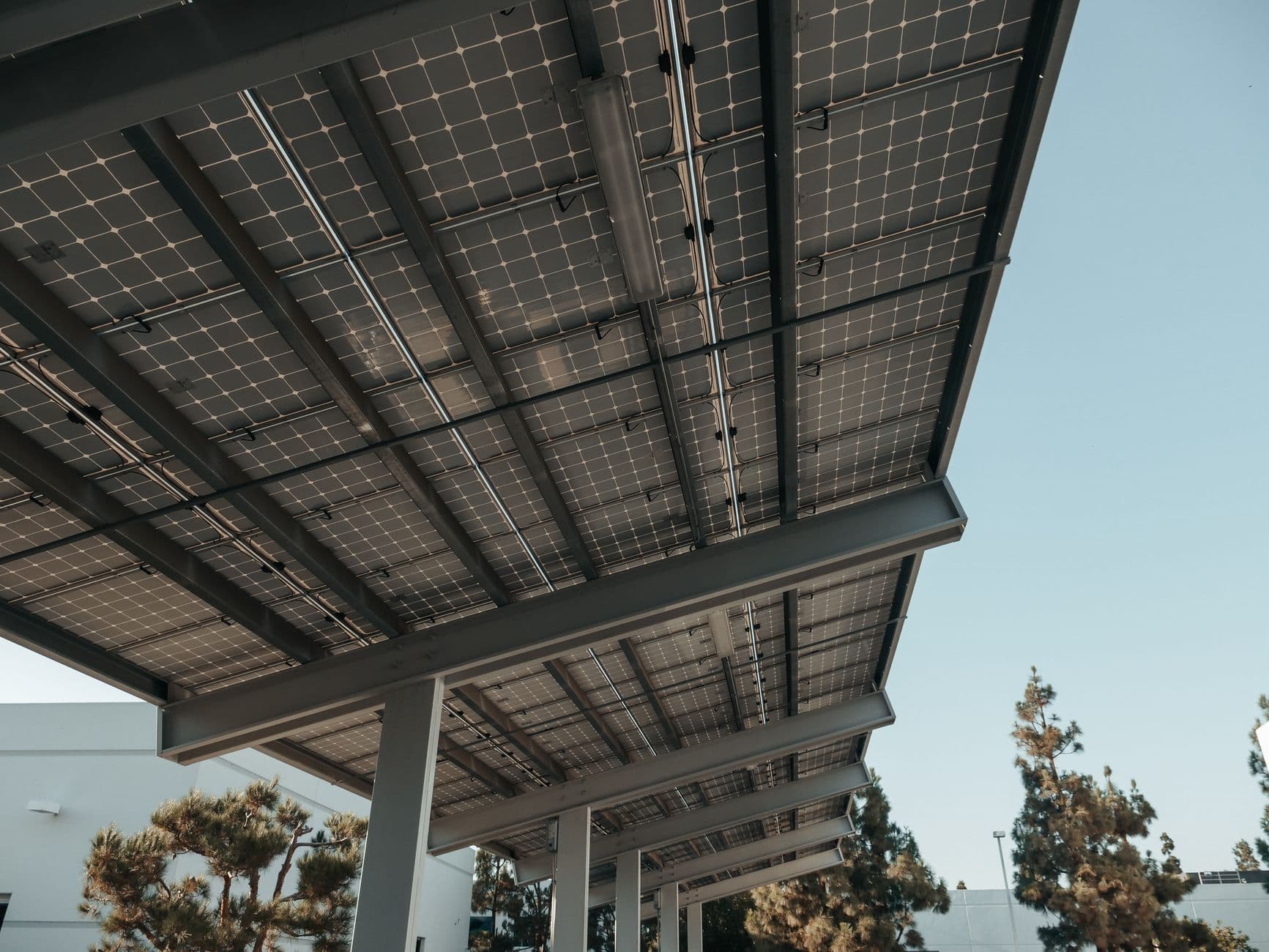
Romania’s €650 million solar‑plus‑storage drive hits public sector
Romania will pour a total of €650 million into solar‑plus‑storage projects on public buildings, covering up to 100 % of eligible costs. The money is split between a €500 million program for new installations with mandatory batteries and a €150 million scheme to add storage to existing PV plants.
The caretaker prime minister Ilie Bolojan signed off the two programmes this week, confirming that the funds come from the EU‑backed Modernisation Fund. The move follows Romania’s rapid solar expansion – the country topped 8.5 GW of installed capacity in early 2026, adding about 1.8 GW in the first half of the year alone.
Funding structure and who can apply
The €500 million tranche targets new self‑consumption solar plants that must include battery storage sized for 2‑4 hours of operation. Projects may also bundle heat‑pump upgrades, creating hybrid energy solutions for schools, hospitals and municipal offices.
The €150 million tranche is a retro‑fit programme: public entities that already own PV systems can apply for behind‑the‑meter batteries to store their own generation. Both schemes cap funding at €10 million per beneficiary and promise to cover up to 100 % of eligible expenses.
Applications open on 11 September and close on 6 November, or earlier if the budget runs out. Evaluation runs from 9 November to 12 February 2027, with construction required to finish by the end of 2029.
Timeline, eligibility and rollout expectations
Eligible applicants include municipalities, county councils, public hospitals, state universities and other state‑run institutions. The call‑for‑proposals will be published on the Ministry of Energy’s portal, and successful projects will be awarded until the €650 million pool is exhausted.
Industry reports note that the programmes are designed to cut public‑sector electricity bills and ease grid stress during peak demand periods. PV Magazine, Reuters and Euractiv highlight the potential for a domestic supply chain for battery modules and alignment with EU storage targets.
Expected financial impact on public budgets
A solar‑plus‑storage installation is expected to generate a substantial amount of electricity, leading to savings that can help public‑sector budgets meet their financial planning horizons. By covering up to 100 % of eligible costs, the schemes remove the upfront capital barrier, allowing institutions to focus on operational savings and resilience.
What it means for Israel
For Israeli readers, the Romanian scheme illustrates how full‑cost subsidies can accelerate solar‑plus‑storage adoption in the public sector. Using Israel’s typical figures – a residential installation costs about ₪3,150 /kWp and yields ~₪0.48 /kWh – a 10 kWp rooftop system would generate ~17,000 kWh/year, worth roughly ₪8,160 annually. If a similar 10 kWp system with a 4‑hour battery (≈ 40 kWh) were fully funded, the upfront cost of about ₪31,500 could be covered, delivering immediate bill relief and grid‑support benefits without any capital outlay for the municipality.
This mirrors the Romanian approach: by removing the financial barrier, public entities can focus on operational savings and resilience. Israeli municipalities could replicate the model, especially as the Electricity Authority oversees the market and encourages storage to smooth midday peaks.
Outlook and regional implications
Romania’s €650 million commitment positions it among the EU’s most aggressive public‑sector solar‑storage programmes. If the projects meet the 2029 deadline, the country could add a significant amount of combined solar and storage capacity, reinforcing its grid and setting a template for neighboring states.
Analysts expect that the EU’s Modernisation Fund will continue to back similar initiatives across Central and Eastern Europe, helping to drive down battery costs through economies of scale. For Israel, the lesson is clear: decisive, fully‑funded subsidies can fast‑track renewable integration, lower public‑sector energy expenses, and contribute to the national 30 % renewable electricity target for 2030.
What it means for Israel (stand‑alone summary)
If an Israeli municipality were to receive 100 % funding for a 10 kWp solar‑plus‑storage system, the typical ₪31,500 investment would be eliminated, delivering immediate savings of around ₪8,000 per year at the residential tariff. Over the system’s 25‑year life, this would translate into substantial cumulative benefits, while also shaving peak‑hour demand on the grid.
For deeper calculations, visit our solar ROI calculator and explore detailed market data on the solar data page.
FAQ
How much money is Romania allocating for solar‑plus‑storage on public buildings?
Romania is committing a total of €650 million – €500 million for new installations with batteries and €150 million to add storage to existing PV systems.
Who can apply for the Romanian subsidy?
Municipalities, county councils, public hospitals, state universities and other state institutions are eligible to apply.
What battery capacity is required for new projects?
New solar installations must include batteries sized to provide 2 to 4 hours of operation.
When must the Romanian projects be completed?
All awarded projects must be finished and commissioned by the end of 2029.
How could Israeli municipalities benefit from a similar scheme?
With full funding, a typical 10 kWp rooftop system would cost nothing up‑front and could save about ₪8,200 a year in electricity bills, delivering over ₪150,000 in net savings over its 25‑year life.
What is the source of Romania’s funding?
The programmes are financed from the EU’s Modernisation Fund, overseen by Romania’s Ministry of Energy.
Share this post
More from Policy
6
Lebanon Fast‑Tracks Solar Up to 1.5 MW
Lebanon’s new interim rules let PV systems up to 1.5 MW bypass the Energy Ministry, shifting permitting and safety oversight to municipalities and engineers, a move that could speed up solar deployment across the country.
Plug‑in Solar Legal in 10 US States
A wave of U.S. state legislation now permits plug‑in solar on balconies and patios, offering renters an affordable, portable power solution, while Israel’s typical 1 kW system can deliver notable savings and a payback period of about four years.
South Korea Sets Solar Committee Boost Industry
South Korea has formed a Solar Industry Competitiveness Committee to rebuild its domestic solar supply chain and target 56.2 GW of new capacity by 2030, with a focus on ≥35 % efficient tandem cells.
US Renewable Projects Face Record Opposition
The U.S. recorded a record 888 renewable‑energy restrictions in 2025, but new rules slowed to 70, while cancellations surged to 9.8 GW – the biggest single‑year loss on record.
France Calls for Thin‑Film Solar Recycling
France’s Soren has opened a call for thin‑film solar recyclers, prioritizing a 1,300‑tonne CdTe batch, with projected waste rising to 15,000 t by 2037.
UK Grid Reform Misses Deadlines, Ofgem Finds
Ofgem found that the UK’s grid‑connection reform missed deadlines, gave developers inaccurate offers, and suffered digital portal glitches, though NESO performed well on most other objectives.