Policy
US Renewable Projects Face Record Opposition
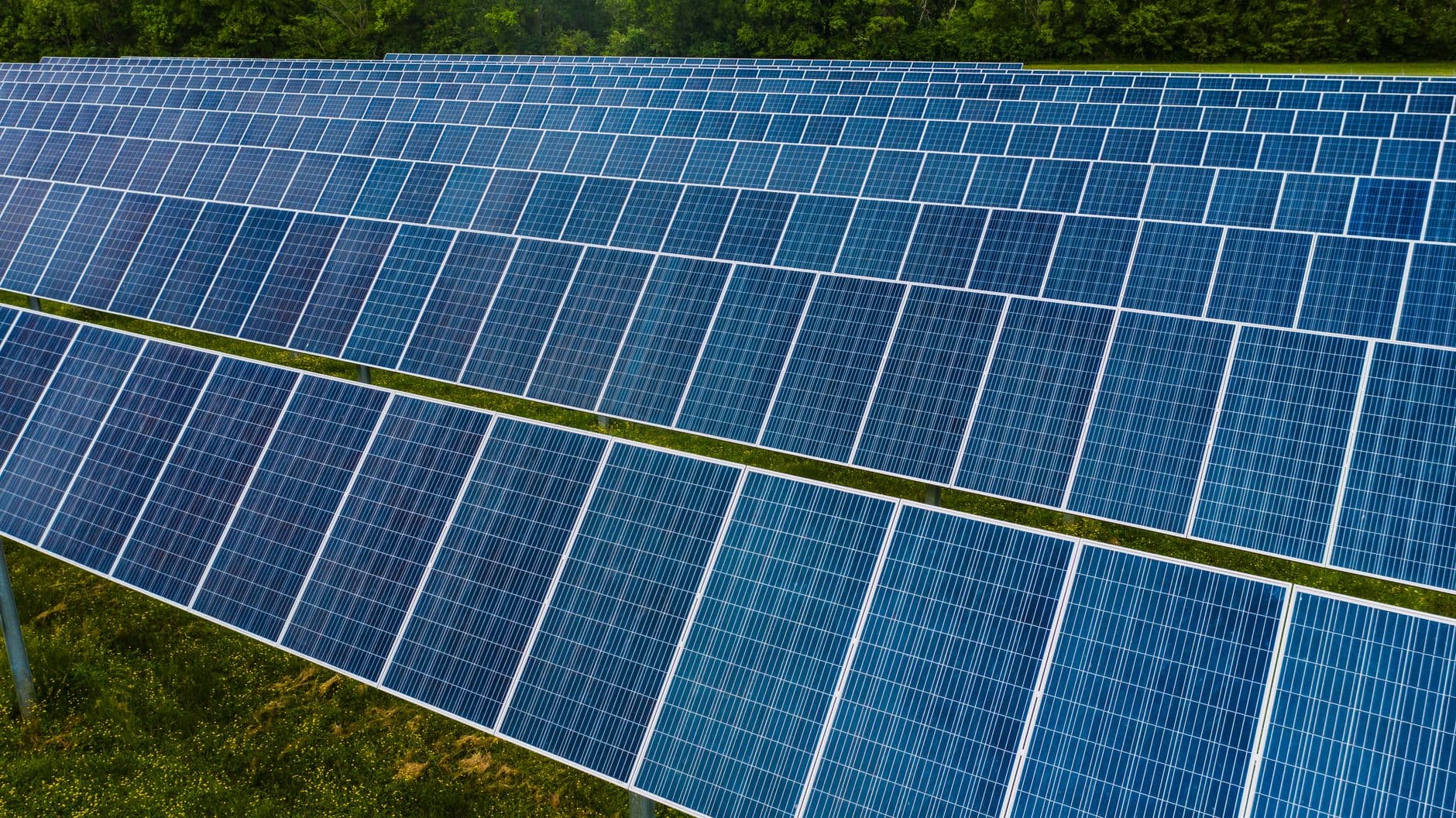
U.S. Opposition Hits Record High, but Growth Slows
The United States logged 888 state and local restrictions on renewable energy projects in 2025, a new peak, yet the pace of new rules fell to 70 – down from 165 in 2023 and 112 in 2024. The Sabin Center’s sixth annual Opposition to Renewable Energy Facilities in the United States report documents this slowdown while still showing a historic total of 865 local restrictions and 23 state‑level actions across 19 states.
Solar Projects Face the Brunt of US Contests
Solar makes up roughly 57 % of all contested projects – 322 of the 567 projects tracked since 2004 have a solar component, compared with 217 wind, 41 battery storage and 17 transmission projects. New York (52 projects) and Virginia (40 projects) lead the nation in the number of contested sites, with California, Michigan and Ohio each hosting more than 30 disputes.
Cancellations Surge: 9.8 GW Lost in 2025
In 2025, 22 projects were canceled, wiping out nearly 9.8 GW of capacity – the largest single‑year cancellation tally on record, eclipsing the previous high of 3.26 GW in 2024. Each canceled project was sizable, often amounting to several hundred megawatts. The biggest loss was the 6.2 GW Esmeralda 7 Solar Project in Nevada, pulled by the Bureau of Land Management in October 2025.
State Laws Shape the Battle Landscape
State‑level statutes both tighten and loosen siting rules. Ohio’s 2014 House Bill 483 imposes a 1,125‑foot buffer around wind turbines, while its 2021 Senate Bill 52 lets counties veto utility‑scale projects and declare “restricted areas” for wind ≥5 MW and solar ≥50 MW – a rule that has led 30 of Ohio’s 88 counties to ban development. New restrictions also appeared in Arkansas (Wind Energy Development Act 2025), Louisiana (House Bill 459 2025) and Maryland (Renewable Energy Certainty Act 2025). Conversely, Delaware Senate Bill 159 2025, Michigan Public Act 233 2023 and Minnesota’s Energy Infrastructure Permitting Act 2024 give state agencies the power to override local bans.
Industry Response: Community Benefits and Political Power
Former SEIA president Abby Hopper urged developers to deepen community engagement and craft “impactful community benefit agreements” that reflect local needs. She also called for a stronger political push, noting that every one of the 888 restrictions was passed by elected officials who will soon face voters.
What It Means for Israel’s Solar Market
Even though the opposition surge is a U.S. story, its ripple effects can reach Israel’s fast‑growing rooftop sector. Slower permitting and higher cancellation risk abroad can tighten global supply chains for solar modules, potentially nudging Israeli panel prices upward. Using typical Israeli figures – a 10 kWp home system in the central region yields ~17,000 kWh/year, valued at ~₪8,160 at the residential ₪0.48/kWh tariff, against a ~₪31,500 installation cost (₪3,150/kWp) – the payback is about 3.9 years. If U.S. cancellations delay new manufacturing capacity, Israeli installers may see modest price pressure, but the strong domestic feed‑in tariff and high yield keep the economics robust. Stakeholders should therefore monitor U.S. policy trends while continuing to push community‑focused projects that align with Israel’s 30 % renewable target for 2030.
Sources: Sabin Center Report (2026), June 2025 Edition, Sabin Center Research Page
Sources & further reading
FAQ
How many renewable‑energy restrictions exist in the United States?
There are 888 state and local restrictions on renewable projects as of 2025, the highest count on record.
What share of contested projects involve solar?
Solar accounts for about 57 % of the 567 contested projects tracked since 2004.
Which states have the most contested renewable projects?
New York leads with 52 projects, followed by Virginia with 40; California, Michigan and Ohio each have over 30.
How much capacity was canceled in 2025?
Nearly 9.8 GW of capacity was canceled in 2025, the largest single‑year cancellation total.
What does this mean for Israeli homeowners?
Even if global supply tightens, a typical 10 kWp Israeli home system still pays back in about 4 years thanks to high tariffs and strong solar yields.
Are there any state laws that help override local opposition?
Yes – Delaware SB 159 2025, Michigan PA 233 2023 and Minnesota’s Energy Infrastructure Permitting Act 2024 give state agencies authority to overrule local bans.
Share this post
More from Policy
6
Lebanon Fast‑Tracks Solar Up to 1.5 MW
Lebanon’s new interim rules let PV systems up to 1.5 MW bypass the Energy Ministry, shifting permitting and safety oversight to municipalities and engineers, a move that could speed up solar deployment across the country.
Plug‑in Solar Legal in 10 US States
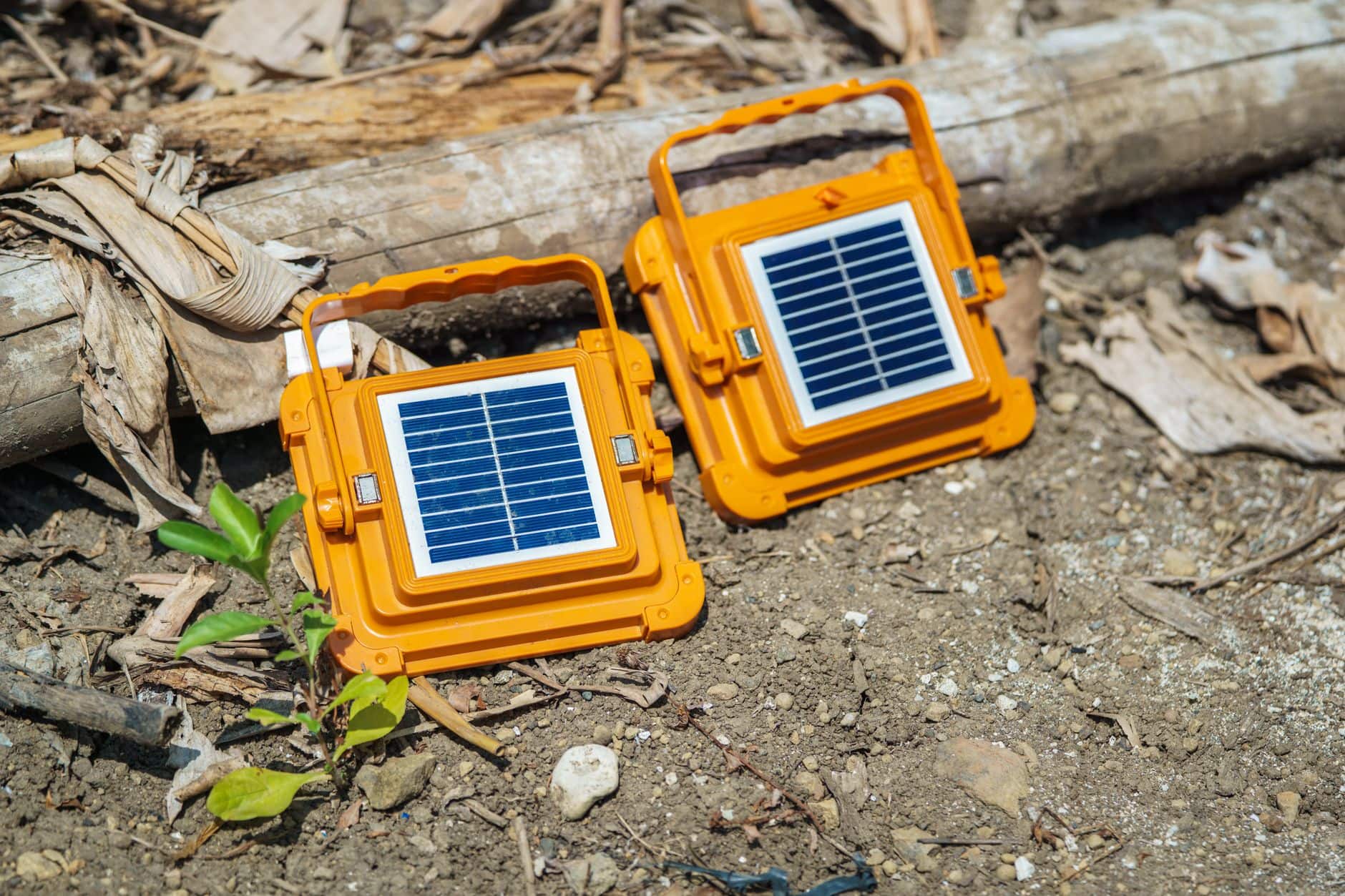
A wave of U.S. state legislation now permits plug‑in solar on balconies and patios, offering renters an affordable, portable power solution, while Israel’s typical 1 kW system can deliver notable savings and a payback period of about four years.
Romania Allocates €650M for Solar‑Storage
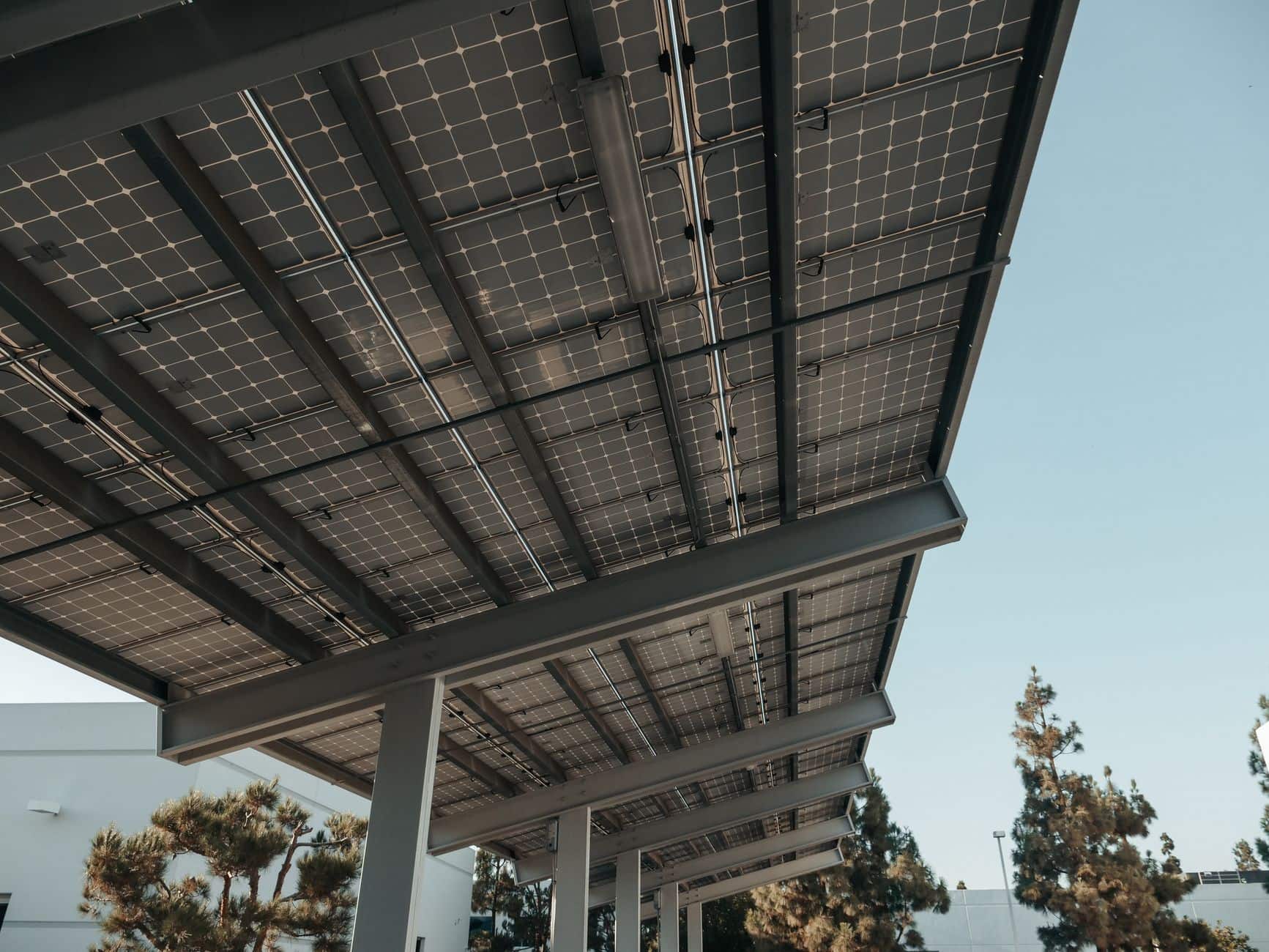
Romania will allocate €650 million to fully fund solar‑plus‑storage projects on public buildings, with up to €10 million per beneficiary and a deadline of 2029.
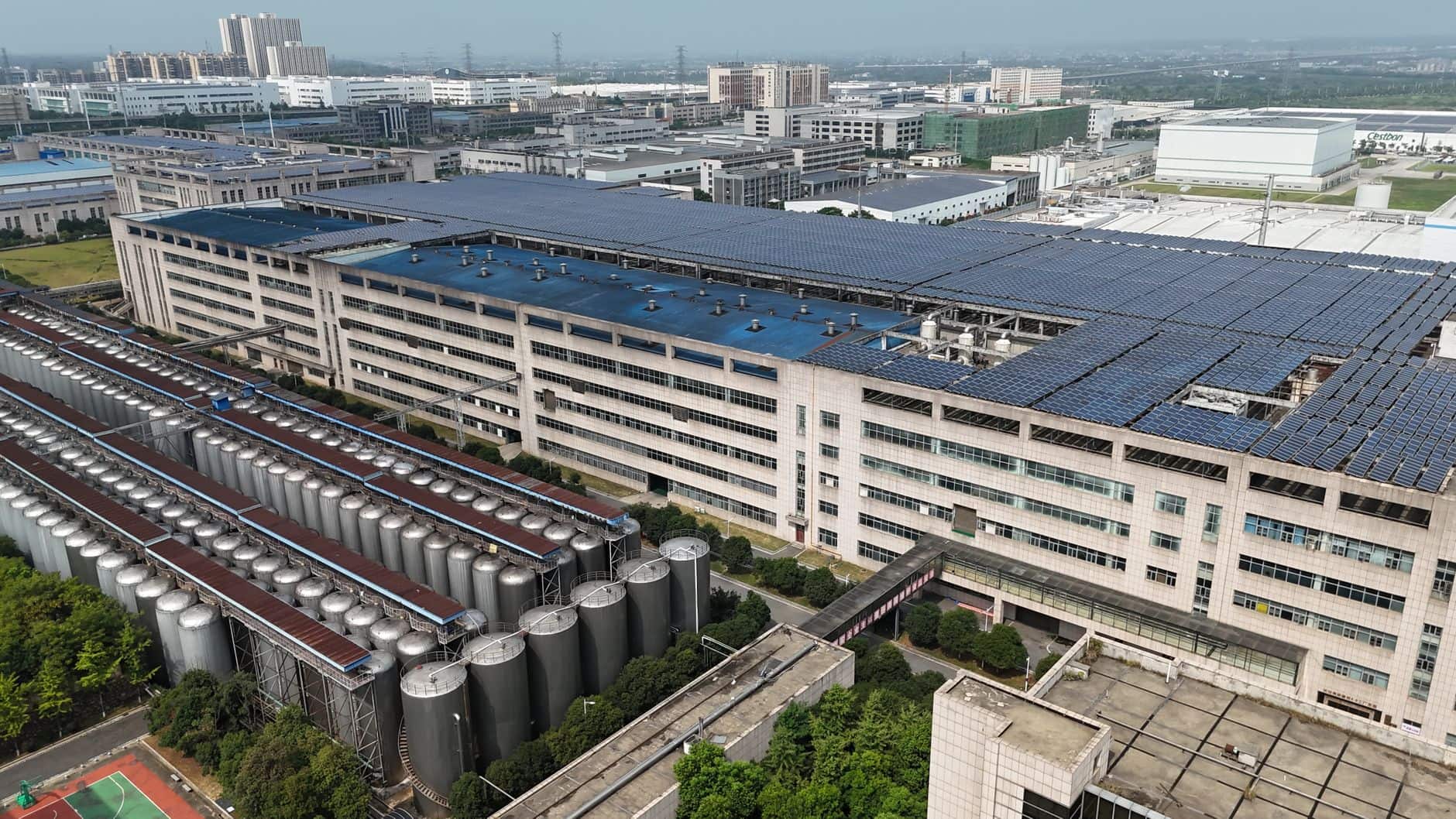
South Korea Sets Solar Committee Boost Industry
South Korea has formed a Solar Industry Competitiveness Committee to rebuild its domestic solar supply chain and target 56.2 GW of new capacity by 2030, with a focus on ≥35 % efficient tandem cells.
France Calls for Thin‑Film Solar Recycling
France’s Soren has opened a call for thin‑film solar recyclers, prioritizing a 1,300‑tonne CdTe batch, with projected waste rising to 15,000 t by 2037.
UK Grid Reform Misses Deadlines, Ofgem Finds
Ofgem found that the UK’s grid‑connection reform missed deadlines, gave developers inaccurate offers, and suffered digital portal glitches, though NESO performed well on most other objectives.