Technology
506 kW Grid‑Forming Inverter for Utility Solar
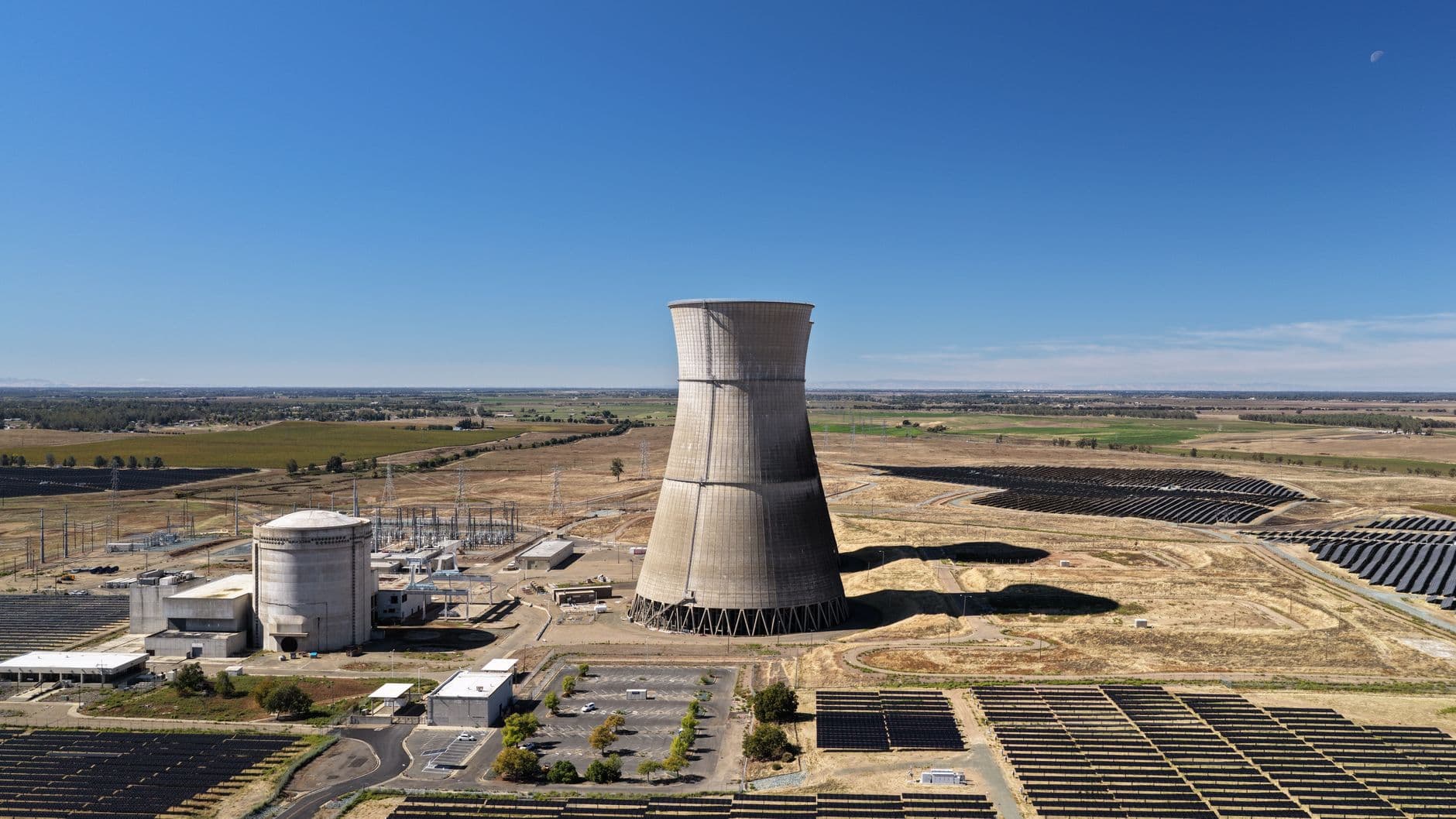
506 kW inverter delivers 99.1% efficiency for utility projects
The new WattPower 506KTL delivers a peak AC output of 506 kW with a maximum conversion efficiency of 99.1% (European efficiency 98.8%). Its six MPPTs each accept up to 105 A, allowing six PV strings per tracker and a total DC input voltage of up to 1,500 V. At full load the inverter supplies 1,000 V AC at a nominal current of 242.5 A, with a short‑circuit capability of 292.2 A. These numbers place the 506KTL among the most efficient string inverters currently on the market, matching the performance claims of the SUN2000‑506KTL‑H1 listed by Green Power.
1,000 V AC architecture cuts balance‑of‑system costs
WattPower’s choice of a 1,000 V AC output can reduce the number of inverters required for a given plant size, because longer DC strings can be run without exceeding inverter voltage limits. Fewer inverters also mean lower wiring losses and a lighter balance‑of‑system (BOS) load, which can help lower overall project capital expenditure.
AI‑enabled monitoring and hybrid cooling keep the plant running
The 506KTL incorporates an AI‑driven monitoring platform that continuously analyses voltage, current and temperature data to flag under‑performance before it becomes a loss event. A hybrid cooling system—combining passive heat‑sink design with an active anti‑icing fan—keeps the inverter within its –25 °C to 60 °C operating envelope even in harsh desert conditions. WattPower’s SSLD2 protection suite adds layer‑2 safety against over‑voltage, over‑current and short‑circuit events, boosting long‑term reliability and availability.
What it means for Israel’s solar market
For Israeli developers, the 506 kW inverter’s high efficiency and 1,000 V AC architecture can contribute to a lower levelised cost of electricity (LCOE) on utility‑scale projects. Using the typical central‑Israel yield of 1,700 kWh kW⁻¹ yr⁻¹, a single 506 kW unit would generate roughly 860 MWh per year. At the residential feed‑in tariff of ₪0.48 /kWh, that translates to about ₪413,000 of annual revenue per inverter. Even if a utility‑scale plant sells at the commercial tariff (≈₪0.41 /kWh), the yearly income would still exceed ₪350,000. The higher‑voltage architecture can also help reduce inverter‑related capital costs, potentially accelerating payback periods for large‑scale solar farms in Israel’s sunny south and Arava regions.
How the 506KTL stacks up against existing utility inverters
Older lower‑voltage string inverters typically have slightly lower efficiencies and require three‑phase 400 V AC output, which can impose tighter string sizing and more frequent inverter changes. The 506KTL’s 99.1% peak efficiency and 1,000 V AC bus simplify system design and improve overall energy conversion, while AI monitoring and robust protection add a reliability edge.
For a deeper dive into Israeli solar economics, try our ROI calculator and explore the latest market data on our data page.
Sources & further reading
- WattPower introduces 506 kW grid-forming inverter for utility-scale solar - Power Wattz Solar | Off Grid Solar Solutions | Battery Backups
- Efficiency Max. Efficiency 99.1% European Efficiency 98.8% Input
- Huawei SUN2000-506KTL-H1 Inverter - Green Power
- Solar Inverters, EV Charging & BESS Solutions | WattPower
- INSTALLATION MANUAL - WattPower Technology
FAQ
What is a grid‑forming inverter?
A grid‑forming inverter can create a stable voltage and frequency on its own, allowing a solar plant to operate even when the main grid is weak or offline.
Why does a 1,000 V AC output matter?
Higher AC voltage lets you run longer DC strings, so you need fewer inverters and less wiring, which reduces both capital and operating costs.
How efficient is the WattPower 506KTL?
It reaches a maximum conversion efficiency of 99.1% and a European efficiency of 98.8% across its full load range.
Can the inverter handle harsh desert conditions?
Yes, it operates from –25 °C to 60 °C, includes an anti‑icing fan and hybrid cooling, and has AI‑driven monitoring to keep performance high.
What revenue could a 506 kW inverter generate in Israel?
At the typical residential tariff of ₪0.48 /kWh, a 506 kW unit producing ~860 MWh/year could earn about ₪413,000 annually.
Is the 506KTL suitable for residential systems?
No, it is designed for utility‑scale projects; residential installations usually use much smaller inverters ranging from 3 kW to 15 kW.
Share this post
More from Technology
6
Floating Solar Tracker Boosts Yield by 20%
Noria Energy’s Airon floating‑solar tracker promises up to 20 % more electricity than fixed‑tilt FPV systems at similar cost, with commercial shipments slated for mid‑2027.
Israel’s Food Giant Goes 100% Green Power
Osem Nestlé has become the first Israeli food‑industry company to run entirely on renewable electricity, showcasing how solar power and green contracts can cut costs and emissions.

Silicon Solar Panels Slash Space Power Costs
Source Energy’s silicon solar modules can be built for under $5 per watt, slashing space‑power costs and opening new opportunities for Israeli satellite firms.

Array Tech Triples US Tracker Capacity
Array Technologies opened a $50 million Albuquerque factory that triples its U.S. solar‑tracker capacity, creates 300 jobs and could help lower tracker prices for Israeli rooftop installations.

Inclusion Fuels Solar Growth in Europe
Hanna König says inclusive, safe‑to‑disagree workplaces are essential to close the solar sector’s talent gap and accelerate the energy transition.
Super El Niño Slashes South Solar, Boosts North
Super El Niño 2026 created a pronounced north‑south solar split in South America, with sunnier conditions in the north and reduced irradiance in the south, while rare Atacama snowstorms threatened desert PV output.