Policy
Women Needed to Fix Energy Workforce Gap
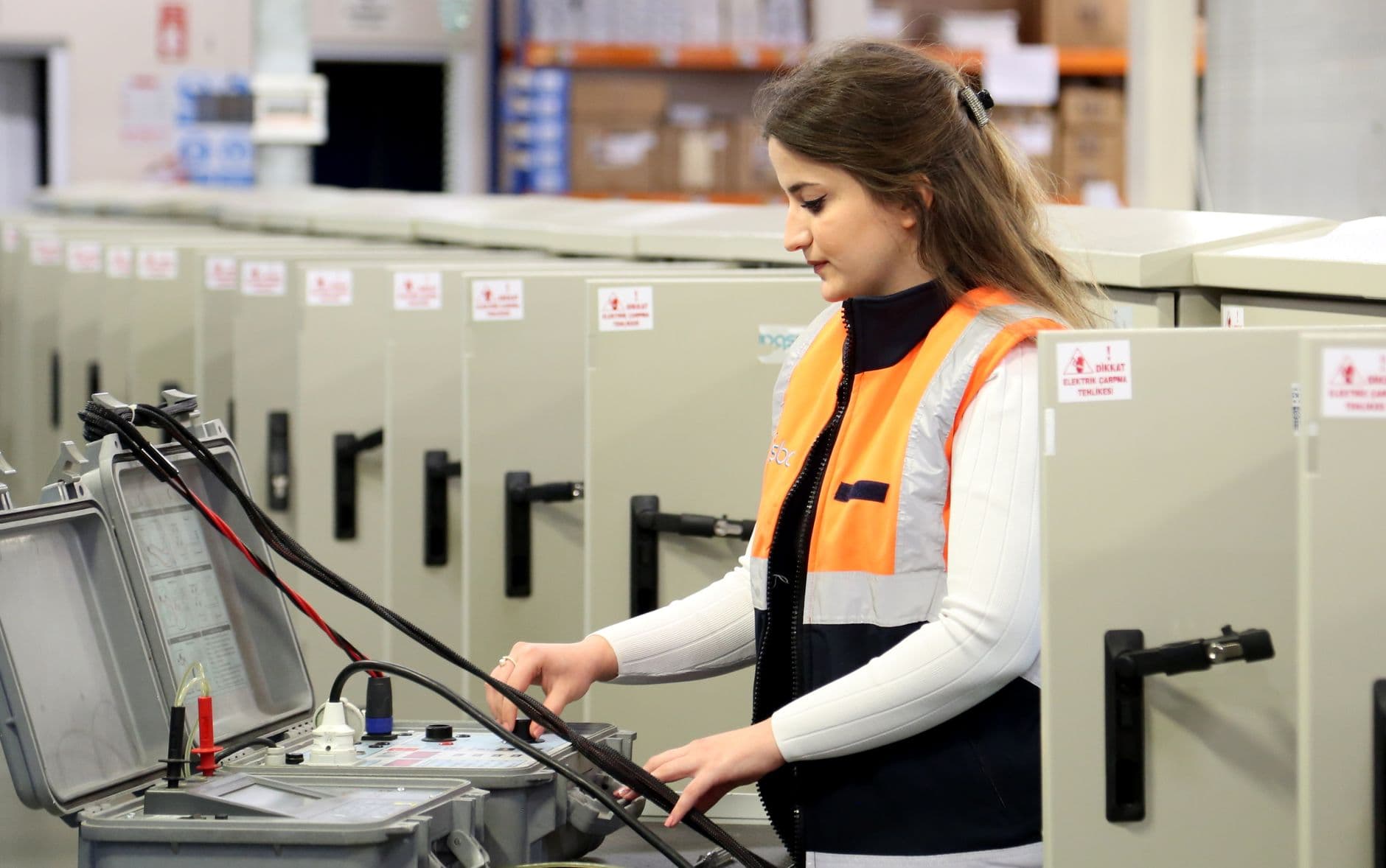
Workforce Shortage Threatens Australia's Energy Transition
The Australian energy sector will need 42,000 new qualified workers by 2026, yet 55% of employers still have vacancies and many positions stay empty for over six months. The Powering Skills Organisation (PSO) warns that without a rapid boost in skilled labour, the rapid expansion of solar, AI‑driven data centres and electrification could stall.
The PSO’s High Load, Short Supply 2026 Targeted Workforce Update surveyed more than 400 stakeholders – from large utilities to small‑scale contractors – and found that limited training capacity and low business confidence are the main bottlenecks. Regional respondents also flagged poor workforce mobility and thin labour markets as persistent challenges.
Women and Diverse Talent Could Help Address the Gap
Hiring more women, First Nations peoples and culturally‑linguistically diverse workers is seen as a practical remedy: the report notes that under‑utilised talent pools could make a significant contribution if inclusive hiring practices are adopted. This is not just a social goal; it directly supports the effort to meet the 42,000‑worker shortfall.
Across the survey, 59% of electrotechnology apprentices drop out in the first year, and a further 26% quit in the second year, highlighting the need for better support and culturally safe workplaces. Completion rates are around 70% when apprentices receive mentorship and clear career pathways.
The Four Cs Framework Gives a Roadmap
PSO proposes a Four Cs framework – Capacity, Capability, Culture, and Confidence – to guide policy and industry action. Capacity defines the scale of the workforce required; Capability focuses on up‑skilling and training; Culture calls for inclusive, safe workplaces; and Confidence aims to attract investment by showing a reliable talent pipeline.
The framework is already being discussed in state‑level supplementary reports, which recommend coordinated apprenticeship funding, targeted recruitment drives for women, and regional mobility incentives.
Why This Matters for Israel’s Solar Ambitions
Israel is racing toward a 30% renewable electricity target by 2030 and a 20% interim goal for 2025. Achieving those milestones will require a massive rollout of rooftop and utility‑scale solar installations. If Australia’s experience is any guide, a shortage of qualified electricians and technicians could slow project timelines, raise installation costs, and ultimately delay the nation’s clean‑energy transition.
Using Israel’s typical figures – a 10 kWp home system yields about 17,000 kWh/year worth ≈₪8,160 at the residential tariff of ₪0.48/kWh, and costs ≈₪31,500 to install – the sector needs roughly ₪3,150 per kWp in labour and materials. Scaling to the gigawatt level required for the 2030 target would require a large number of skilled jobs. Without a pipeline similar to the Four Cs, the country could face bottlenecks comparable to Australia’s vacancy challenges.
To keep Israel on track, policymakers should consider:
- Targeted scholarships and apprenticeships for women and under‑represented groups in electrotechnology.
- Regional training hubs that reduce mobility barriers for workers outside major metros.
- Industry‑government confidence mechanisms, such as guaranteed job placements for graduates, to stimulate private‑sector investment.
What It Means for Israeli Homeowners
For the average Israeli homeowner, a tighter skilled‑labour market could translate into higher solar‑panel prices and longer wait times for installation. Assuming the current ₪3,150/kWp cost holds, a 15 kW system would cost ≈₪47,250. If labour shortages increase costs, the price could rise further, extending the simple payback period under the typical residential tariff.
Homeowners can mitigate this risk by:
- Booking installations early and locking in prices before labour costs rise.
- Choosing certified installers with proven reliability.
- Using tools like our solar ROI calculator to model payback under different cost scenarios.
The Path Forward
Australia’s PSO report makes clear that the energy‑transition workforce is a human bottleneck, not just a technical one. By unlocking the potential of women and other under‑represented groups, the sector can move toward closing the 42,000‑worker gap, keep solar‑panel prices competitive, and accelerate the clean‑energy transition – lessons that are directly applicable to Israel’s ambitious renewable targets.
What it means for Israel – A skilled, inclusive workforce is essential for meeting the nation’s renewable‑energy goals. By adopting the Four Cs framework and investing in diverse apprenticeship pipelines, Israel can avoid the delays and cost spikes that Australia is already experiencing.
Sources & further reading
FAQ
How many new qualified workers does Australia need for the energy transition?
The Powering Skills Organisation estimates about 42,000 new qualified workers are required by 2026.
What percentage of surveyed employers still have vacancies?
55% of employers reported ongoing vacancies, with many positions unfilled for more than six months.
Why are women considered a key solution to the workforce gap?
Women, First Nations peoples and culturally‑linguistically diverse groups represent under‑utilised talent that could supply up to half of the needed workers if hiring practices become more inclusive.
What is the Four Cs framework?
It stands for Capacity, Capability, Culture, and Confidence – a set of four pillars to expand and sustain the energy‑sector workforce.
How could the Australian shortage affect Israel’s solar plans?
A similar skills shortage could delay solar installations, raise panel prices and extend payback periods for Israeli homeowners.
What can Israeli homeowners do to protect themselves?
They can book installations early, choose certified installers with diverse hiring practices, and use our solar ROI calculator to model costs.
Share this post
More from Policy
6
Lebanon Fast‑Tracks Solar Up to 1.5 MW
Lebanon’s new interim rules let PV systems up to 1.5 MW bypass the Energy Ministry, shifting permitting and safety oversight to municipalities and engineers, a move that could speed up solar deployment across the country.
Plug‑in Solar Legal in 10 US States
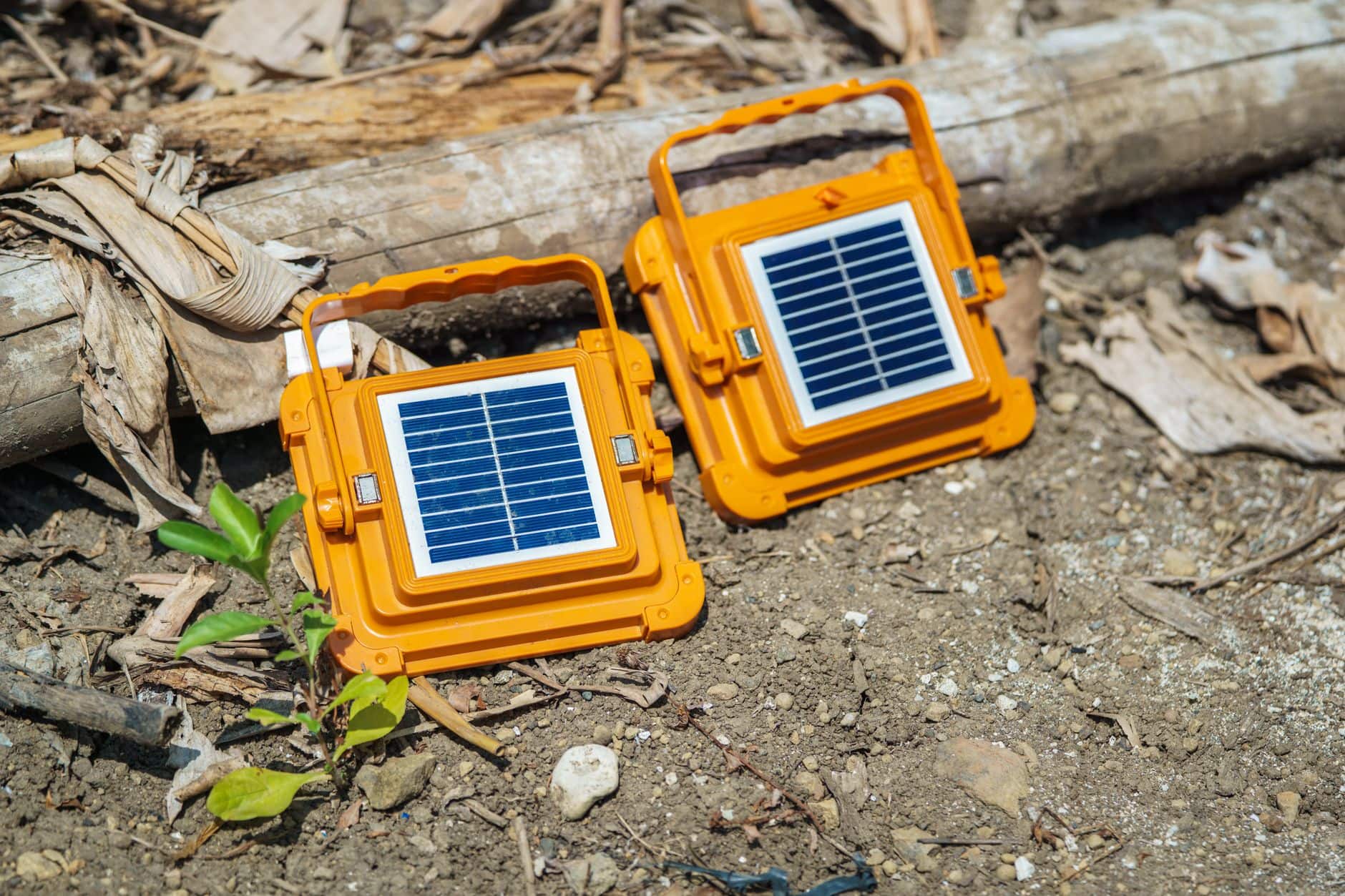
A wave of U.S. state legislation now permits plug‑in solar on balconies and patios, offering renters an affordable, portable power solution, while Israel’s typical 1 kW system can deliver notable savings and a payback period of about four years.
Romania Allocates €650M for Solar‑Storage
Romania will allocate €650 million to fully fund solar‑plus‑storage projects on public buildings, with up to €10 million per beneficiary and a deadline of 2029.
South Korea Sets Solar Committee Boost Industry
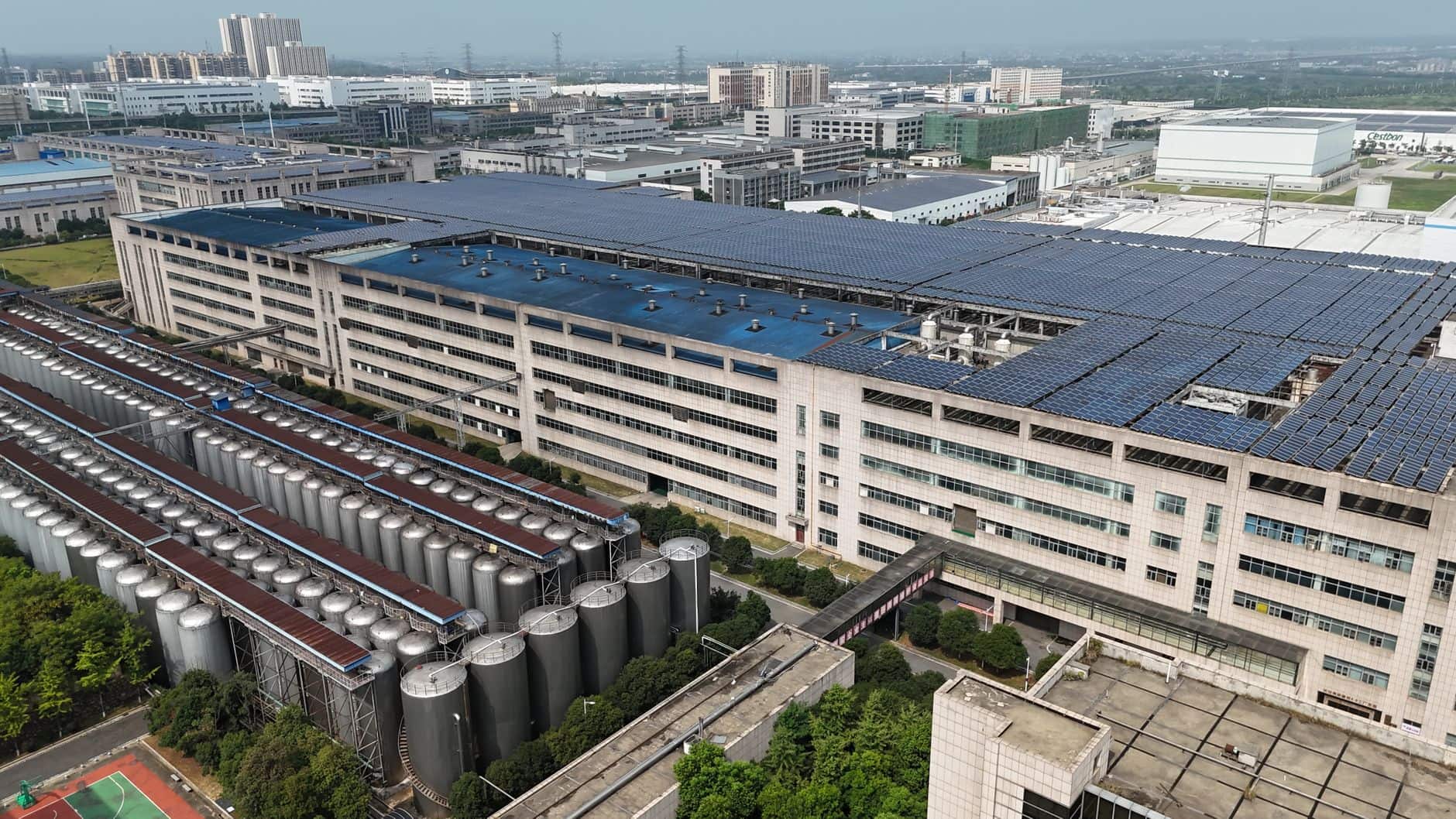
South Korea has formed a Solar Industry Competitiveness Committee to rebuild its domestic solar supply chain and target 56.2 GW of new capacity by 2030, with a focus on ≥35 % efficient tandem cells.
US Renewable Projects Face Record Opposition
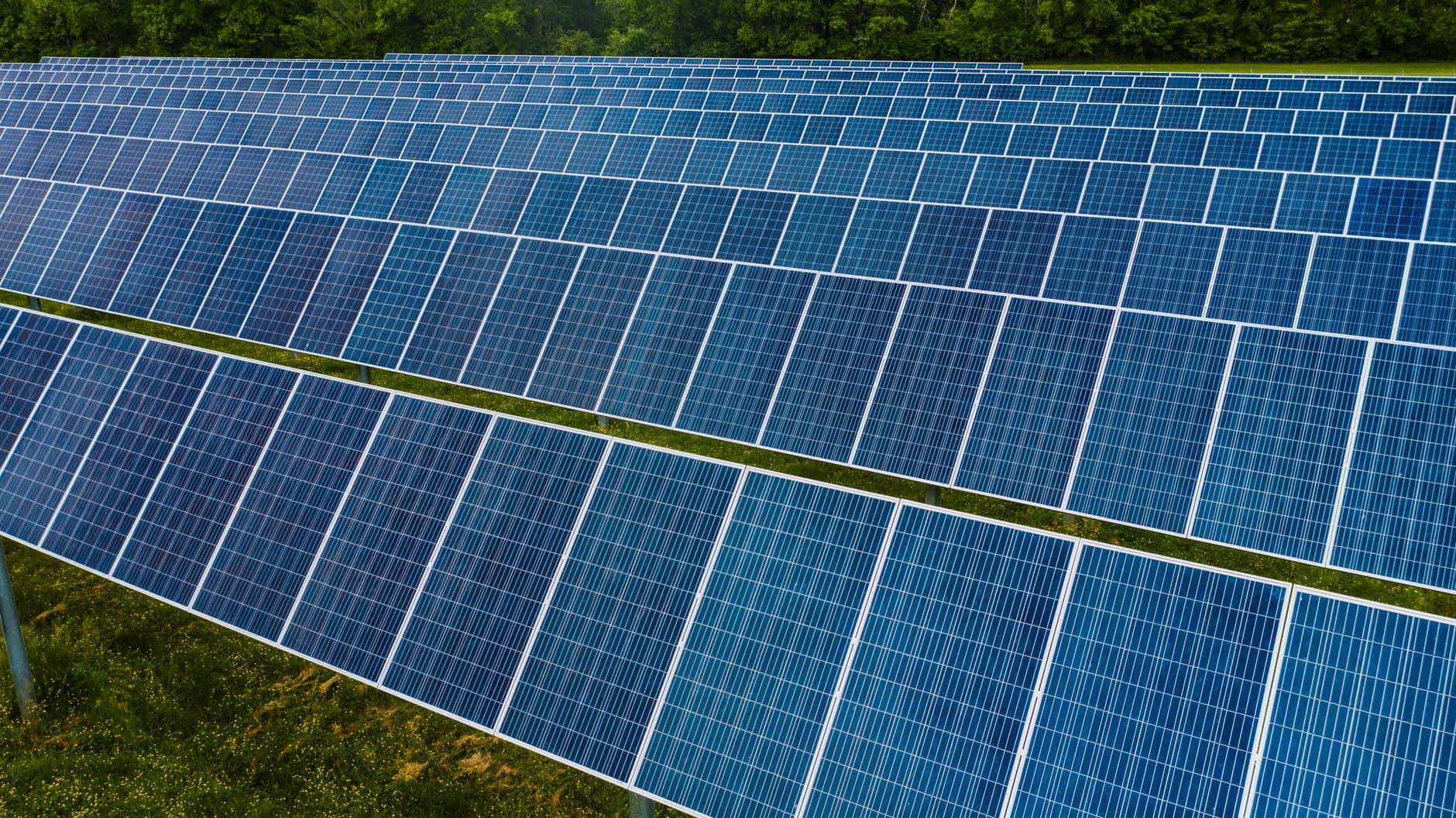
The U.S. recorded a record 888 renewable‑energy restrictions in 2025, but new rules slowed to 70, while cancellations surged to 9.8 GW – the biggest single‑year loss on record.
France Calls for Thin‑Film Solar Recycling
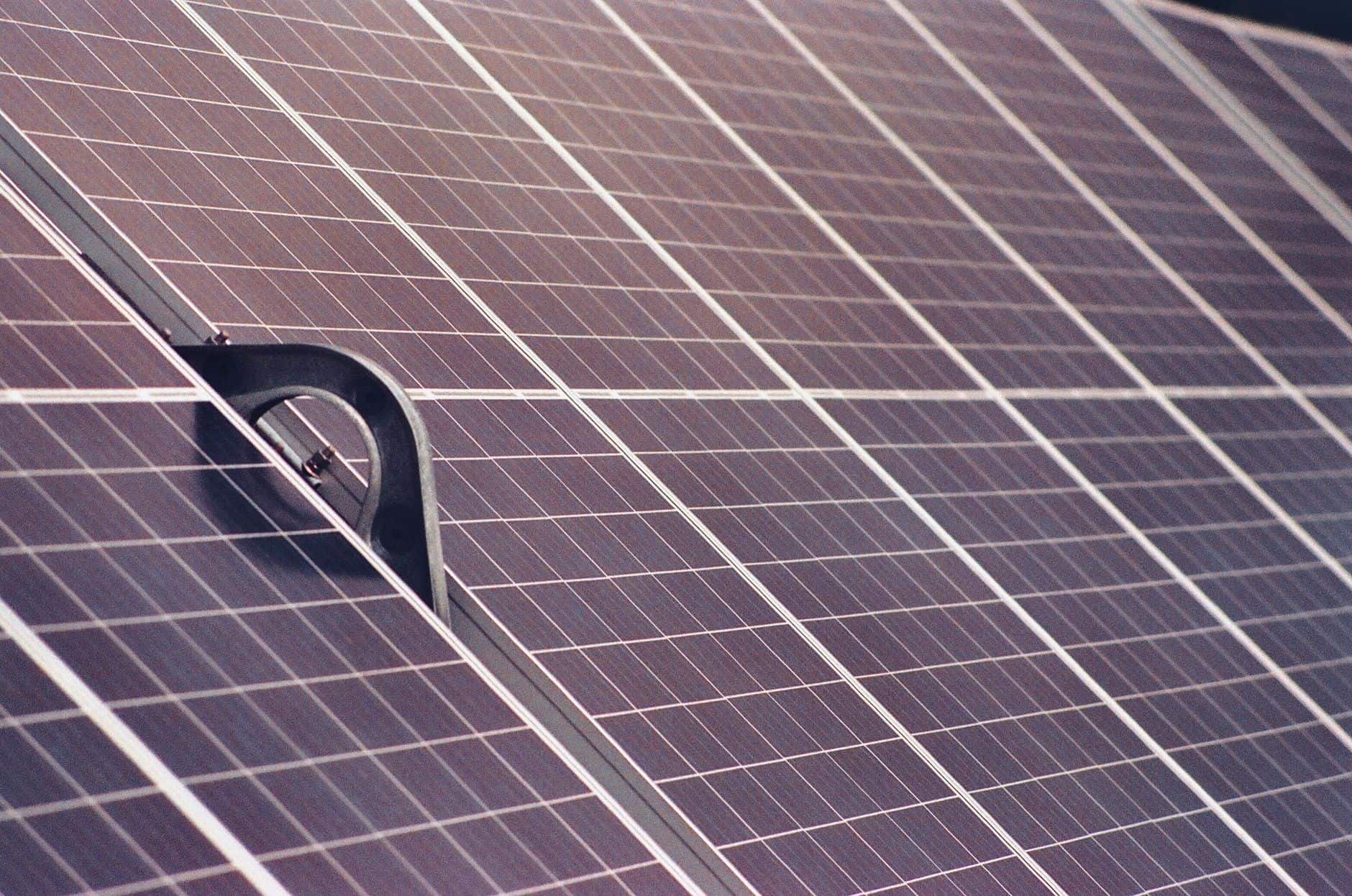
France’s Soren has opened a call for thin‑film solar recyclers, prioritizing a 1,300‑tonne CdTe batch, with projected waste rising to 15,000 t by 2037.