Research
AI Drone Detects Solar Faults Fast
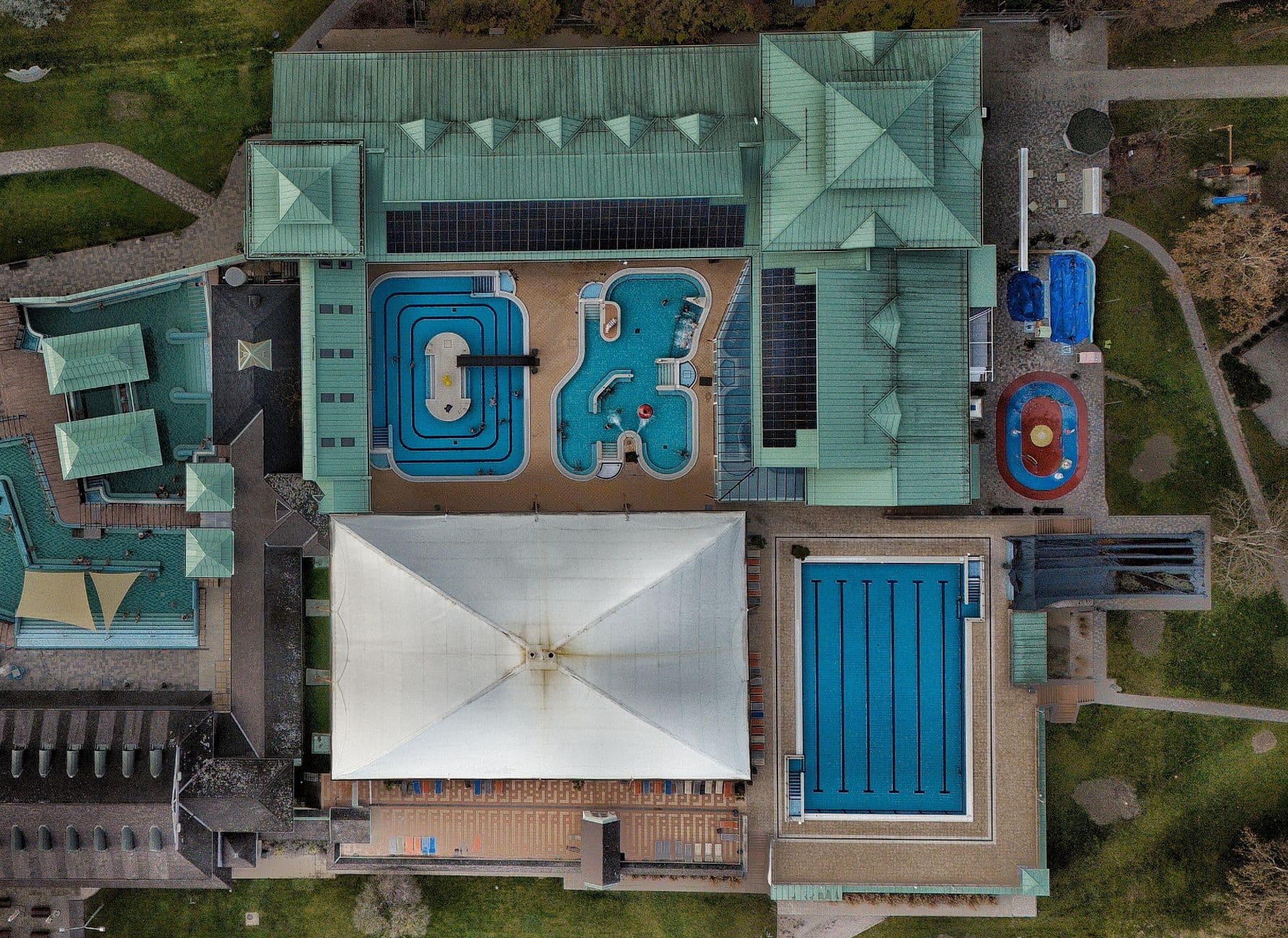
AI‑drone system spots panel problems in seconds
The new autonomous drone platform can locate hot‑spots, dust, sand and bird droppings on photovoltaic (PV) arrays with over 90% precision, cutting inspection time from hours to minutes. The system fuses a FLIR Boson 640 radiometric thermal camera with a MicaSense Altum multispectral sensor, then runs the images through an EfficientNet‑B0 neural network that achieved a macro F1 score of 0.904 in lab tests.
How the drone and AI work together
The hexacopter flies 18‑30 m above the panels, delivering a ground‑sampling distance of 2.5‑4 cm pixel⁻¹, which is fine enough to resolve individual cells. Thermal frames are treated as visual patterns rather than absolute temperature readings; the AI checks each frame against its neighbours to confirm an anomaly across multiple viewing angles. After discarding blurry or over‑exposed shots, the pipeline segments each module, crops it, and feeds it to the CNN. Four architectures were benchmarked – EfficientNet‑B0, ResNet‑18, MobileNetV3‑Small and RegNet‑Y16GF – with EfficientNet‑B0 emerging as the clear winner.
Performance numbers that matter
- Hot‑spot detection: precision = 1.000, recall = 1.000, F1 = 1.000.
- Dust detection (hardest class): precision = 0.711, recall = 0.751, F1 = 0.732.
- Overall weighted F1: 0.927, meaning the model balances accuracy across all defect types. These figures come from a dataset of 1,950 proprietary flight images, 190 Kaggle‑sourced images, and 260 lab‑controlled contamination shots.
Why drones beat manual checks
A human inspector must climb ladders, walk rows, and often miss subtle thermal signatures. The autonomous drone can cover a typical residential array in a single 25‑minute flight, capturing thousands of overlapping images automatically. Multi‑frame analysis eliminates false alarms caused by shadows or reflections, something manual thermography struggles with. The modular design also allows future scaling to coordinated multi‑UAV fleets, promising even higher throughput.
What it means for Israel
A typical 10 kWp residential system in central Israel generates about 17,000 kWh per year, valued at roughly ₪8,000 using the residential tariff of ₪0.48 /kWh. Maintaining that output by promptly identifying defects such as hotspots can contribute to the overall performance of the country's solar fleet, supporting Israel’s goal of reaching a 30 % renewable electricity share by 2030.
Future outlook and next steps
The research team plans to open‑source the dataset and training scripts, inviting other labs to improve dust detection – the current weak spot. They also envision adding LiDAR for precise 3‑D mapping and integrating edge‑computing so the drone can flag defects in‑flight, further slashing post‑processing time. As Israeli utilities and rooftop owners look for cost‑effective O&M tools, AI‑driven drone inspections are poised to become a standard part of the solar‑energy toolbox.
Sources: PV Magazine, Kaggle Solar Panel Images dataset, Rzeszow University of Technology, Valencia Polytechnic University
FAQ
How fast can the drone inspect a typical rooftop solar system?
The hexacopter can scan a 10 kW residential array in a single 25‑minute autonomous flight, capturing thousands of overlapping images.
What types of defects can the AI detect?
It reliably identifies hot‑spots, sand, bird droppings and, with lower accuracy, dust accumulation on PV modules.
Why is dust detection harder for the model?
Dust creates subtle texture changes that are less distinct than temperature spikes, leading to a lower F1 score of 0.732.
Can the system be used on large utility‑scale farms?
Yes – the modular design supports multi‑UAV coordination, allowing high‑throughput monitoring of industrial‑scale installations.
Is the technology ready for commercial use in Israel?
The research team has released the dataset and code, and the cost‑benefit analysis shows a payback in under two inspections for typical Israeli homes.
What future improvements are planned?
Upcoming upgrades include edge‑computing for real‑time defect flagging and LiDAR integration for precise 3‑D panel mapping.
Share this post
More from Research
6
27.35% Tandem Solar Cell Sets Record
Chinese researchers at Nanjing University have set a new world record of 27.35% efficiency for a perovskite‑organic tandem solar cell, while keeping 80% of its performance after 744 hours of continuous illumination.
Record 34% Tandem Solar Cell Boosts Efficiency
Longi and Soochow University have demonstrated a perovskite‑silicon tandem solar cell with a certified 34.0 % efficiency and 2.014 V open‑circuit voltage, while maintaining 84 % of its performance after 2 000 hours.

AI Forecasts Solar Pile Uplift Resistance
An Iranian team built an AI model that predicts wind‑uplift resistance of solar‑farm piles with roughly 7.6 % error, using four straightforward inputs.

Inverter Delays Slash Solar Yield by 1.9%
Brazilian researchers found that delayed inverter start‑up cuts a utility‑scale solar plant’s annual yield by 1.88%, with over half the loss occurring in the first 90 minutes after sunrise.
Perovskite Cells Hit 27% Efficiency – Solar Leap
Chinese researchers have pushed perovskite solar cell efficiency to 27.39 % using a new additive, while bifacial modules retain 99.6 % power after 5,000 h, promising higher output and faster payback for Israeli rooftops.
פֶרוֹוֹוֹקְסִיד 23.5% ללא מייצב – מהפכה בתאורי שמש
חוקרים פיתחו שיטת צמיחה מבוססת זרע שמביאה לתאורי פֶרוֹוֹוֹקְסִיד יעילות של 23.51% ללא מייצבים, עם יציבות של 99% אחרי 3,000 שעות.