Research
Perovskite Cells Hit 27% Efficiency – Solar Leap
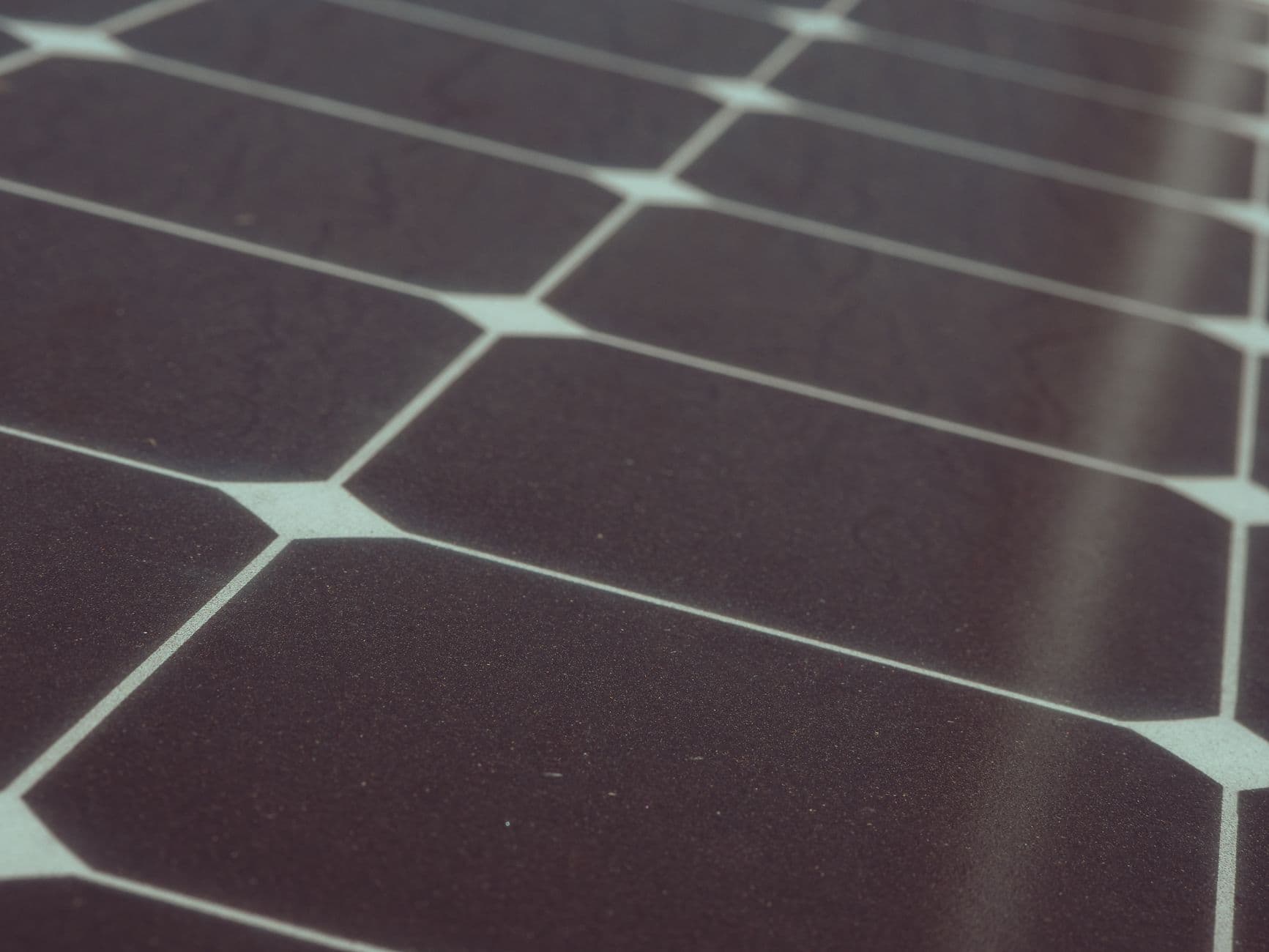
Record‑Breaking Efficiency in One Sentence
Chinese researchers have demonstrated a perovskite solar cell that converts 27.39 % of sunlight into electricity – among the highest reported for an inverted p‑i‑n architecture.
The breakthrough was achieved by adding a specially designed molecular additive, ADA‑DA, that both passivates defects and keeps charge transport unhindered. The result was verified by an independent third‑party lab, and a reference cell without the additive lagged at 26.24 % efficiency.
How the New Additive Works
The core of the advance is a steric‑gated dual‑site chelation (SGDC) strategy. Researchers built a rigid three‑dimensional adamantane scaffold that carries two carboxymethyl arms. These arms simultaneously bind under‑coordinated lead (Pb²⁺) ions while the bulky adamantane core prevents the molecules from packing too tightly at grain boundaries.
“Additive engineering offers a practical strategy to regulate crystallisation while passivating electronic defects, but the additive must not block charge transport,” explains lead author Cong Chen.
Experimental measurements showed strong binding to both lead and iodide ions, a dramatic drop in electron‑ and hole‑trap densities, and a perovskite film with larger grains, fewer boundaries and a smoother surface. The additive distributes throughout the film but concentrates where it matters most – at surfaces and grain boundaries.
The SGDC concept echoes broader trends in perovskite research, where defect‑passivation chemistry is recognised as a key lever for pushing efficiencies past the 26 % barrier . Similar additive‑synergy studies have shown that combining small‑molecule dopants can stabilise perovskite layers for months‑long operation .
From Lab Cells to Bifacial Mini‑Modules
Scaling the ADA‑DA chemistry from a 0.1 cm² test cell to a 163.93 cm² (13‑cell) bifacial module raised the peak power conversion efficiency to 22.21 % under glass/ITO‑side illumination. A 151.32 cm² (12‑cell) module using an IZO transparent electrode reached 22.33 % under IZO‑side illumination.
These bifacial designs let light enter from both sides, a feature prized for building‑integrated photovoltaics (BIPV). More importantly, the 151.32 cm² module was run under continuous white‑LED light for 5,000 h, and its output fell only from 1,028.5 mW to 1,024.1 mW – a 99.6 % power‑retention figure that signals ultra‑stable operation.
Stability has been the Achilles’ heel of perovskites; most reports cite 8‑month lifetimes at best . The 5,000‑hour test pushes the envelope toward commercial viability.
Why This Matters for the Solar Market
The 27.39 % cell efficiency narrows the gap with conventional silicon panels, which typically sit around 20 % for residential rooftop systems. Higher efficiency means more power per square metre, translating into smaller rooftops, lighter structures and lower balance‑of‑system costs.
Additive‑driven defect passivation also tackles the long‑standing issue of perovskite degradation under moisture and heat, a concern highlighted in recent reviews of perovskite stability .
What It Means for Israel
Using the typical Israeli residential yield of 1,700 kWh per kWp per year and a residential feed‑in tariff of ₪0.48/kWh, a standard 10 kWp silicon rooftop (≈20 % efficiency) would generate about 17,000 kWh/year, worth ₪8,160 and pay back in roughly 3.9 years (installation cost ≈ ₪31,500).
If the same roof were equipped with a perovskite panel delivering 27 % efficiency, the energy output would rise proportionally:
- Energy output: 17,000 kWh × (27 % / 20 %) ≈ 22,950 kWh/year
- Annual revenue: 22,950 kWh × ₪0.48 ≈ ₪11,016
- Payback period: ₪31,500 / ₪11,016 ≈ 2.9 years
Thus, perovskite technology could shave about one year off the payback time for a typical home solar system, while delivering roughly 35 % more clean electricity. For a country aiming at 30 % renewable electricity by 2030, such a boost would help meet the target faster and reduce reliance on imported fuels.
Outlook – From Lab to Rooftop
The SGDC additive shows that chemistry can simultaneously lift efficiency and stability, two pillars needed for commercial perovskite modules. The next steps will involve large‑area roll‑to‑roll coating and integration with existing manufacturing lines, as other groups have demonstrated additive‑synergy in scalable processes .
If production ramps up in the coming years, Israeli installers could soon offer high‑efficiency perovskite rooftop kits alongside traditional silicon, giving homeowners a choice that maximises roof space and shortens financial payback.
Key Takeaways
- 27.39 % efficiency in an inverted perovskite cell – among the highest reported for this architecture.
- The steric‑gated dual‑site chelation (ADA‑DA) additive cuts defect density while preserving charge flow.
- Bifacial mini‑modules reach >22 % efficiency and retain 99.6 % power after 5,000 h of continuous light.
- For Israeli homes, a 10 kW perovskite system could earn ~₪11,000 per year, cutting payback to under 3 years.
- Continued scale‑up could bring perovskite panels to the Israeli market before 2030, accelerating the nation’s renewable‑energy goals.
Sources & further reading
- Advancement of technology towards developing perovskite-based solar cells for renewable energy harvesting and energy transformation applications | npj Materials Sustainability
- Dopant-additive synergism enhances perovskite solar modules - PMC
- Perovskite research boosts solar cell efficiency and product life | ScienceDaily
FAQ
How does 27.39% efficiency compare to typical silicon panels?
Silicon rooftop panels usually sit around 20% efficiency, so 27.39% delivers about 35% more electricity per square metre.
What is the steric‑gated dual‑site chelation (SGDC) strategy?
SGDC uses a rigid adamantane core with two carboxymethyl arms that bind lead ions strongly while the bulky core prevents the molecules from crowding, allowing defect passivation without blocking charge flow.
Are perovskite solar cells stable enough for real‑world use?
The new bifacial module kept 99.6% of its power after 5,000 h of continuous LED illumination, showing unprecedented stability compared with earlier perovskite reports that lasted only months.
When could perovskite panels be available for home installations in Israel?
If scale‑up proceeds as planned, commercial‑grade perovskite modules could reach the Israeli market within the next 3‑5 years, complementing existing silicon options.
How much more electricity would a 10 kW perovskite system generate than a silicon one in Israel?
A 10 kW silicon system yields about 17,000 kWh/year; a perovskite system at 27% efficiency would produce roughly 23,000 kWh/year – about 6,000 kWh more.
What environmental benefit does higher perovskite efficiency bring?
More clean electricity per roof area means less reliance on fossil fuels, cutting CO₂ emissions by roughly 0.5 kg per kWh generated.
Share this post
More from Research
6
27.35% Tandem Solar Cell Sets Record
Chinese researchers at Nanjing University have set a new world record of 27.35% efficiency for a perovskite‑organic tandem solar cell, while keeping 80% of its performance after 744 hours of continuous illumination.
Record 34% Tandem Solar Cell Boosts Efficiency
Longi and Soochow University have demonstrated a perovskite‑silicon tandem solar cell with a certified 34.0 % efficiency and 2.014 V open‑circuit voltage, while maintaining 84 % of its performance after 2 000 hours.
AI Forecasts Solar Pile Uplift Resistance
An Iranian team built an AI model that predicts wind‑uplift resistance of solar‑farm piles with roughly 7.6 % error, using four straightforward inputs.

Inverter Delays Slash Solar Yield by 1.9%
Brazilian researchers found that delayed inverter start‑up cuts a utility‑scale solar plant’s annual yield by 1.88%, with over half the loss occurring in the first 90 minutes after sunrise.
AI Drone Detects Solar Faults Fast
An autonomous drone equipped with thermal and multispectral cameras, powered by an EfficientNet‑B0 AI model, can detect PV panel faults with over 90% precision, offering Israeli homeowners a fast way to protect solar output.
פֶרוֹוֹוֹקְסִיד 23.5% ללא מייצב – מהפכה בתאורי שמש
חוקרים פיתחו שיטת צמיחה מבוססת זרע שמביאה לתאורי פֶרוֹוֹוֹקְסִיד יעילות של 23.51% ללא מייצבים, עם יציבות של 99% אחרי 3,000 שעות.