Research
Record 34% Tandem Solar Cell Boosts Efficiency
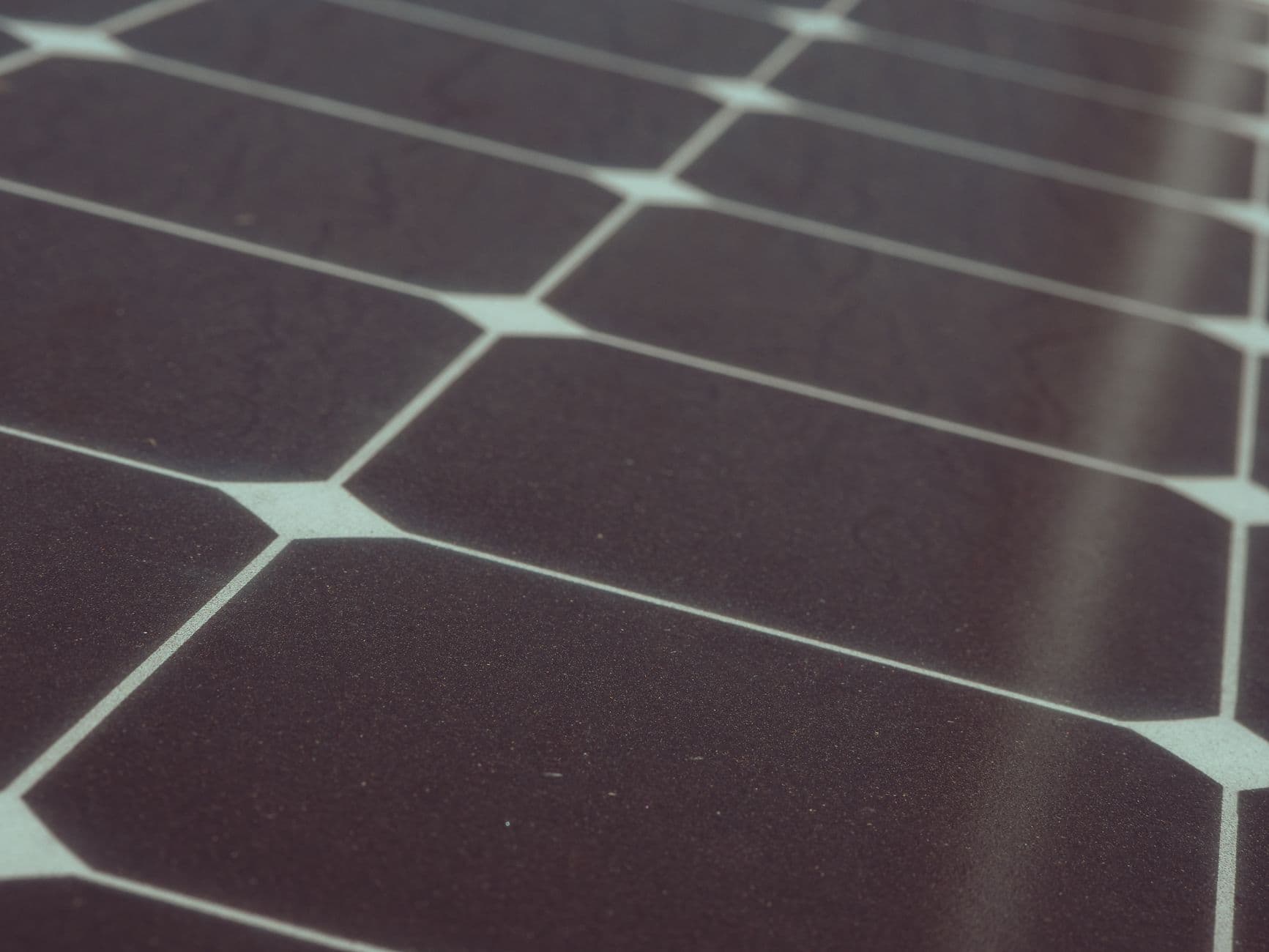
Record 34% Tandem Cell Sets New Benchmark
The new perovskite‑silicon tandem solar cell developed by Longi and Soochow University reaches a certified 34.0% power conversion efficiency, the highest reported for a two‑terminal tandem under standard test conditions.
How the ZrO₂ Interlayer Improves Performance
By inserting a discontinuous monoclinic ZrO₂ nanoparticle layer between the transparent conductive oxide and the SAM, the researchers suppress non‑radiative recombination and prevent charge leakage while keeping charge extraction efficient. The high‑dielectric‑constant ZrO₂ also reduces interfacial charge accumulation, which mitigates hysteresis.
Performance Numbers
Under AM1.5G illumination the tandem delivers 34.0% efficiency, a 1.997 V open‑circuit voltage (certified 2.014 V), 20.36 mA cm⁻² short‑circuit current and an 83.6 % fill factor. The cell retains 84 % of its initial efficiency after 2 000 h, compared with a control cell that fell to 70 % after 1 000 h.
Stability Gains
The ZrO₂ scaffold creates covalent Zr‑O‑P bonds that anchor the SAM, leading to homogeneous coverage and fewer high‑conductivity hotspots, which translates into the observed long‑term stability.
What It Means for Israel
If Israeli installers adopt 34 % tandem modules, the required roof area per kWp would be substantially lower than with typical 20 % silicon panels. Using the typical central‑Israel yield of 1 700 kWh kWp⁻¹ year⁻¹, a 10 kWp rooftop could generate ~17 000 kWh year⁻¹. At the residential tariff of ₪0.48 /kWh this electricity is worth ~₪8 160 year⁻¹, and with a typical install cost of ₪3 150 /kWp the simple payback remains around 3.9 years, now achieved with a much smaller roof footprint.
Future Outlook
The dual‑anchored ZrO₂ interfacial design could become a standard for commercial tandem production, accelerating the move toward even higher efficiencies and supporting Israel’s 30 % renewable electricity target for 2030.
FAQ
What is a perovskite‑silicon tandem solar cell?
It stacks a perovskite top absorber on a crystalline silicon bottom cell, allowing each layer to capture different parts of the solar spectrum for higher overall efficiency.
Why does the ZrO₂ layer improve the cell?
The nanoporous ZrO₂ buffer passivates the interface, reduces charge leakage, and maintains good charge extraction, which boosts voltage and stability.
How does 34 % efficiency compare to typical panels?
Typical commercial silicon panels deliver about 20 % efficiency, so 34 % means roughly 70 % more power per unit area.
What could this mean for Israeli rooftops?
Higher efficiency modules would need less roof area—about 2.9 m² per kWp instead of 5 m²—making solar viable on smaller homes.
When will such tandem modules be commercially available?
Longi is scaling its tandem technology, and industry analysts expect early‑stage commercial roll‑outs within the next few years, pending further stability testing.
Share this post
More from Research
6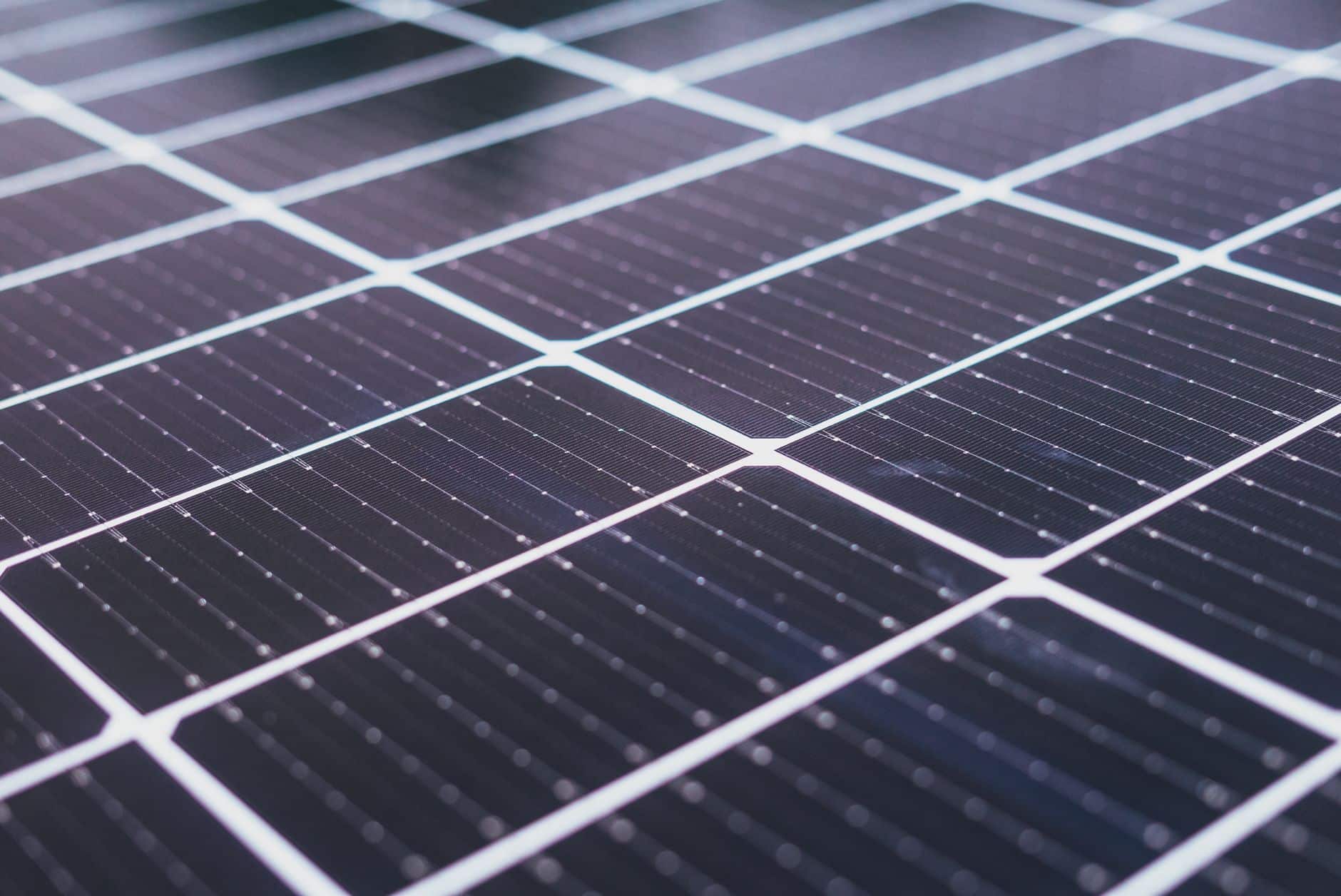
27.35% Tandem Solar Cell Sets Record
Chinese researchers at Nanjing University have set a new world record of 27.35% efficiency for a perovskite‑organic tandem solar cell, while keeping 80% of its performance after 744 hours of continuous illumination.
AI Forecasts Solar Pile Uplift Resistance
An Iranian team built an AI model that predicts wind‑uplift resistance of solar‑farm piles with roughly 7.6 % error, using four straightforward inputs.

Inverter Delays Slash Solar Yield by 1.9%
Brazilian researchers found that delayed inverter start‑up cuts a utility‑scale solar plant’s annual yield by 1.88%, with over half the loss occurring in the first 90 minutes after sunrise.
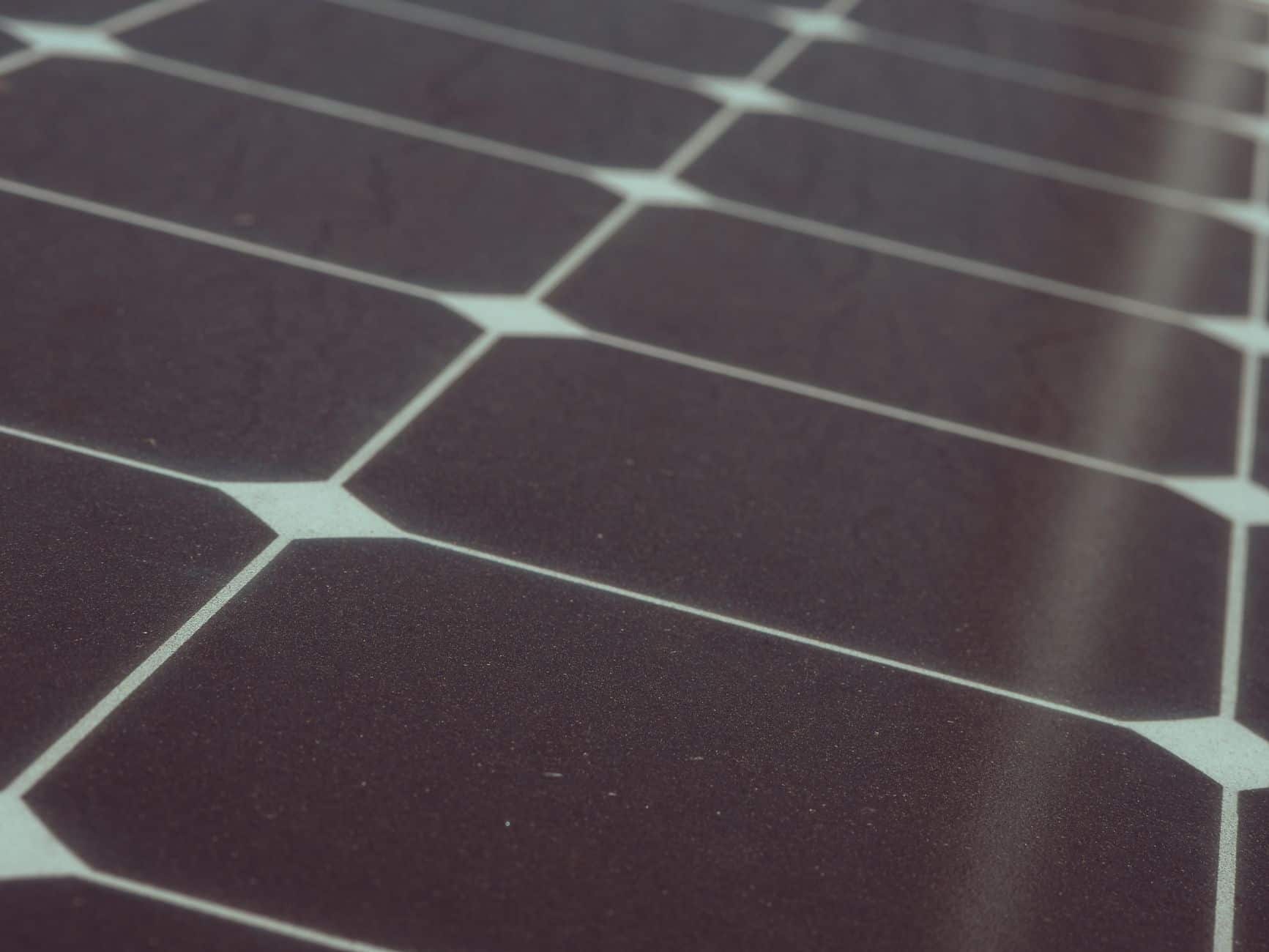
Perovskite Cells Hit 27% Efficiency – Solar Leap
Chinese researchers have pushed perovskite solar cell efficiency to 27.39 % using a new additive, while bifacial modules retain 99.6 % power after 5,000 h, promising higher output and faster payback for Israeli rooftops.
AI Drone Detects Solar Faults Fast
An autonomous drone equipped with thermal and multispectral cameras, powered by an EfficientNet‑B0 AI model, can detect PV panel faults with over 90% precision, offering Israeli homeowners a fast way to protect solar output.
פֶרוֹוֹוֹקְסִיד 23.5% ללא מייצב – מהפכה בתאורי שמש
חוקרים פיתחו שיטת צמיחה מבוססת זרע שמביאה לתאורי פֶרוֹוֹוֹקְסִיד יעילות של 23.51% ללא מייצבים, עם יציבות של 99% אחרי 3,000 שעות.