Array Tech Triples US Tracker Capacity
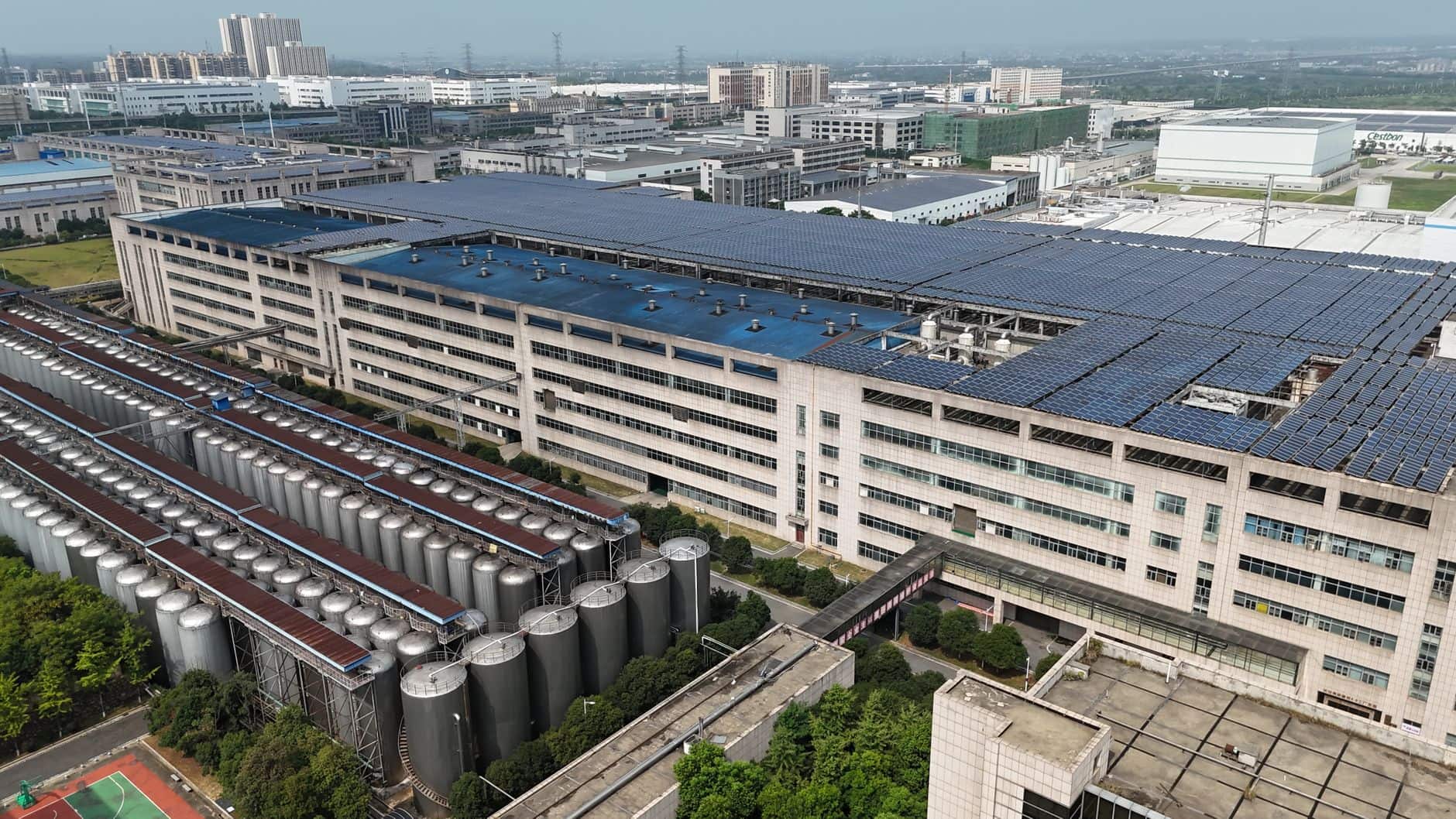
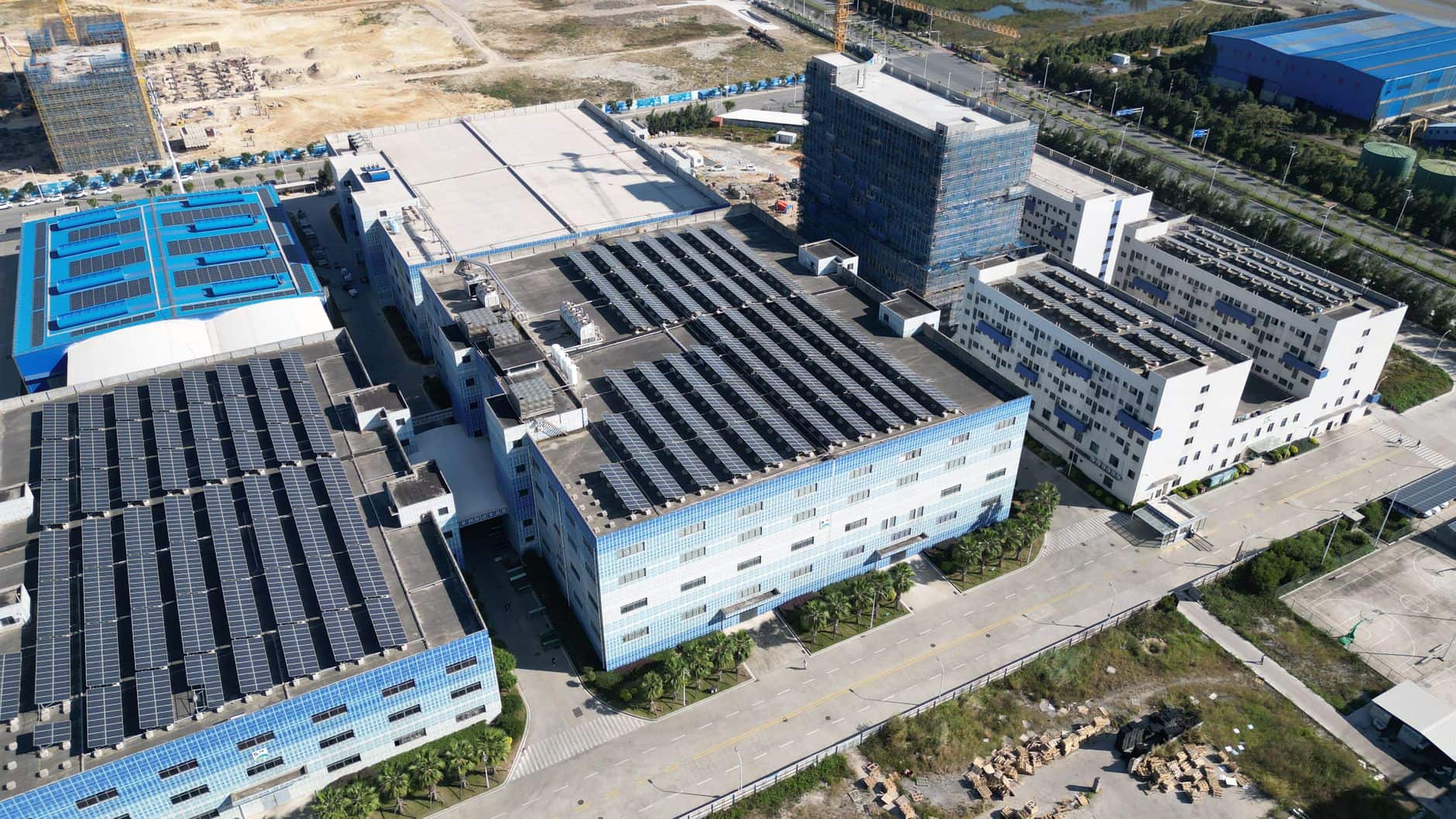
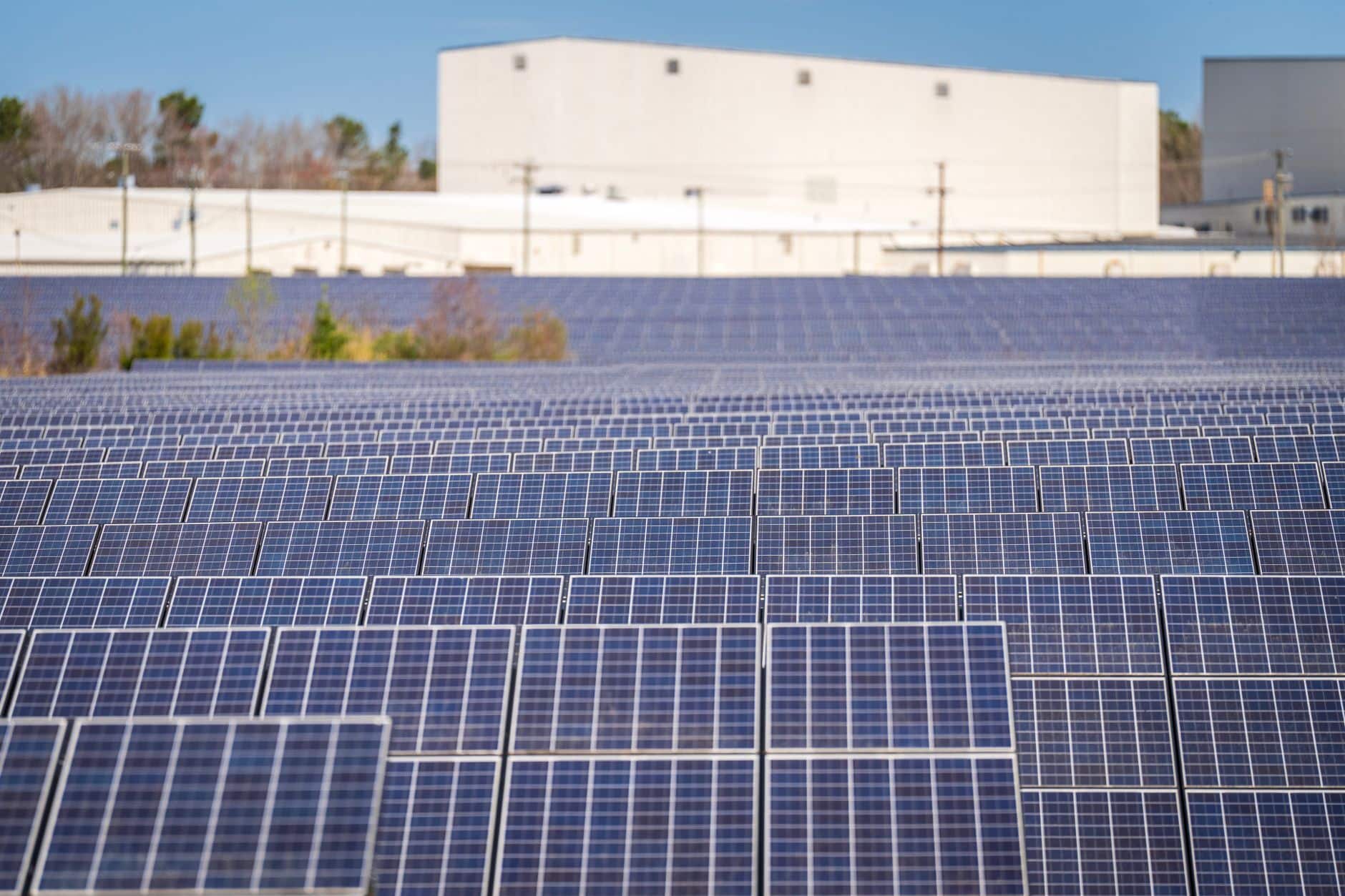
Array Technologies opened a $50 million Albuquerque factory that triples its U.S. solar‑tracker capacity, creates 300 jobs and could help lower tracker prices for Israeli rooftop installations.
Articles tagged

Array Technologies opened a $50 million Albuquerque factory that triples its U.S. solar‑tracker capacity, creates 300 jobs and could help lower tracker prices for Israeli rooftop installations.

The space‑solar market could be worth $2 trillion by 2040, with crystalline‑silicon and perovskite panels now challenging traditional III‑V cells and opening new opportunities for Israeli manufacturers.

BESS now beats gas generators on speed‑to‑power and cost per MWh for data centers, but still lags on long‑duration backup and continuous prime power.

An Israeli defense contractor is now offering high‑tech security and monitoring solutions for solar farms across Tuscany, marking a crossover from spy‑base technology to renewable energy.

U.S. Section 232 tariffs are expected to modestly raise solar module prices, adding a small extra cost to Israeli rooftop systems and slightly extending payback times.

Tongwei has received antitrust clearance to acquire Qinghai Lihao, a fast‑growing polysilicon producer, paving the way for expanded low‑carbon silicon capacity that could help lower solar‑module prices worldwide.

A wave of U.S. state legislation now permits plug‑in solar on balconies and patios, offering renters an affordable, portable power solution, while Israel’s typical 1 kW system can deliver notable savings and a payback period of about four years.

Longi and Soochow University have demonstrated a perovskite‑silicon tandem solar cell with a certified 34.0 % efficiency and 2.014 V open‑circuit voltage, while maintaining 84 % of its performance after 2 000 hours.

WattPower’s new 506 kW grid‑forming inverter reaches 99.1% efficiency, uses a 1,000 V AC bus to cut balance‑of‑system costs, and could generate about ₪413,000 a year for an Israeli utility‑scale plant.

The Hormuz crisis has cut about 9 million barrels per day of oil, pushing Brent up 20 % and gas prices 40‑60 % higher, while making rooftop solar in Israel financially more attractive than ever.

Ukraine’s generation capacity was heavily damaged, yet solar and storage are growing fast, offering a market for resilient “peace energy”. In Israel, a 10 kWp rooftop system can pay back in under four years, highlighting the financial appeal of decentralized solar.

France’s Soren has opened a call for thin‑film solar recyclers, prioritizing a 1,300‑tonne CdTe batch, with projected waste rising to 15,000 t by 2037.

Great Power’s 5 MWh liquid‑cooled battery passed a 16‑hour full‑scale fire test without spreading flames, earning TÜV Rheinland certification and setting a new safety benchmark for large‑scale storage.

Europe set new September solar‑generation records last week, yet electricity prices surged above €100 /MWh, driven by hot weather, low wind and rising gas costs.

Canadian Solar’s new Indiana factory will scale to 6.3 GW of heterojunction cells, bringing U.S.‑based high‑efficiency solar production to the forefront.

Angelica Almi, Kataclima’s Head of Legal, explains how legal expertise fuels solar projects and offers practical advice for women entering the renewable‑energy field.

Aptera’s solar electric vehicle has been independently verified to generate more than 4 kWh of usable electricity per day, enough for about 47 miles of driving.

Developers now spend more time on transmission, interconnection and equipment procurement than on choosing solar panels, turning grid infrastructure into the biggest soft‑cost hurdle for new solar projects.

Switzerland’s agrivoltaic capacity is virtually zero, yet the technology could generate over 100 TWh annually – enough to double the nation’s electricity use – if legal barriers are lifted.

Simplifying Israel’s electricity market regulations could cut rooftop solar prices, shortening payback periods to under four years and accelerating the nation’s renewable‑energy targets.

SolarEdge Technologies, the Israeli solar‑tech firm, was named among the world’s ten leading solar energy companies, highlighting Israel’s growing role in the global market.

Waaree Energy is expanding its Arizona factory from 1 GW to 1.6 GW, bringing its total U.S. module capacity to 4.8 GW and supporting a stable global supply chain.

The global solar O&M market grew to 348 GW in 2025, with the 15 biggest providers now managing 57 % of capacity as consolidation speeds up.

Random forest cuts bifacial irradiance forecast errors, offering higher yields for Israeli solar farms and rooftop systems.

Turkey’s grid runs on a large share of renewables and a significant share of new cars are electric, a shift spurred by a gas supply shock and falling solar costs, offering lessons for Israel’s solar‑EV plans.

Co‑located solar‑plus‑storage projects secured a record $25 bn in the first half of 2026, nearly double the previous half‑year and three times the amount seen a year earlier.

Chile’s 2024 law guaranteeing capacity payments for hybrid solar‑storage plants is set to push BESS capacity past 6 GW by 2026, offering a cash‑flow model that could inspire comparable policies in Israel.

Israel experienced a record‑high surge in rooftop solar in 2023, led by Tel Aviv and followed by Haifa.

China’s solar‑panel makers are still stuck with massive oversupply, posting a ‑11 % profit margin in 2024 and slowing consolidation, while Israel’s typical rooftop system costs about ₪31,500 and pays back in under four years.

מחירי מודולי TOPCon בסין עלו 2.86 % ל‑$0.108/ווט השבוע, בעקבות מכסות סעיף 232 של ארה״ב וקפיצה חדה במחירי תאים.

SolarWindow’s new ElectroFlex film is 0.85 mm thick, hits 24.4 % efficiency, and delivers about 73 W per kilogram, creating lightweight solar options for Israel’s rooftops, vehicles and infrastructure.

President Trump’s executive order bans foreign‑made transformers, inverters and circuit breakers for the U.S. bulk‑power system after Aug 26 2026, creating supply‑chain challenges for solar developers while Israel’s rooftop systems remain financially viable.

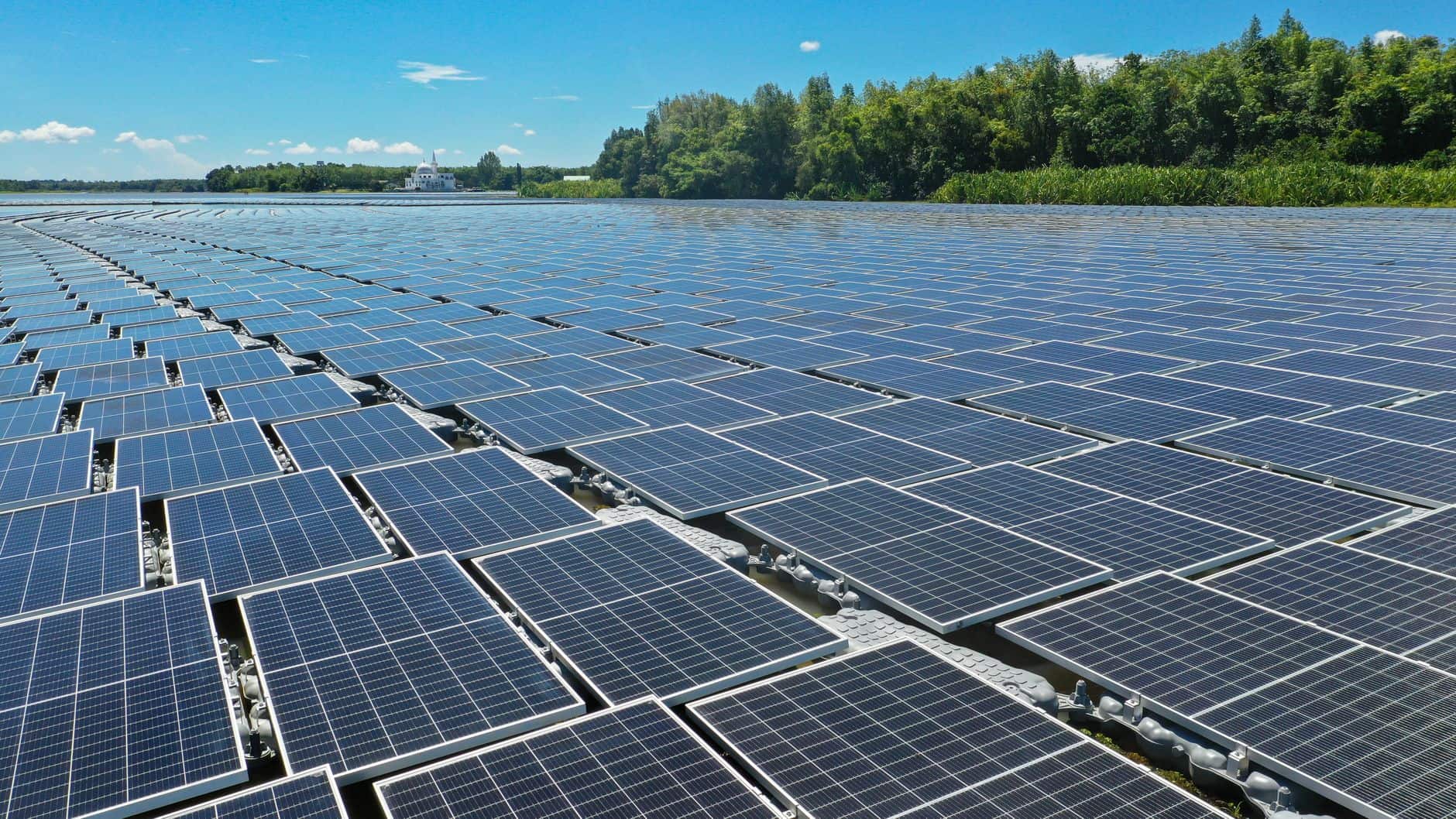
Fortlev Solar’s Aquafort floating PV platform can generate 1 MWp on 7,500 m² of water, survives 1 m waves and 45 m/s winds, and offers a 25‑year service life, opening new land‑saving options for Israel’s solar market.

Portugal’s 220 MW Solara4 solar farm entered administration in June 2026 after under‑producing and facing collapsing wholesale prices, highlighting the risks of merchant‑only solar projects.

A cautious model proposes 5‑30 MW reversible power links for civilian use, highlighting technical and political hurdles for Israel‑Syria‑Lebanon electricity cooperation.

Enphase Energy has launched the IQ Battery C80, an 80 kWh AC‑coupled commercial storage system that ships fully assembled and promises over 90 % efficiency, fast installation and a 15‑year warranty.
Send us a message — a demo, a question about the system, a partnership or anything else. We'll get back to you.