Technology
Transmission Bottlenecks Slow Solar Growth
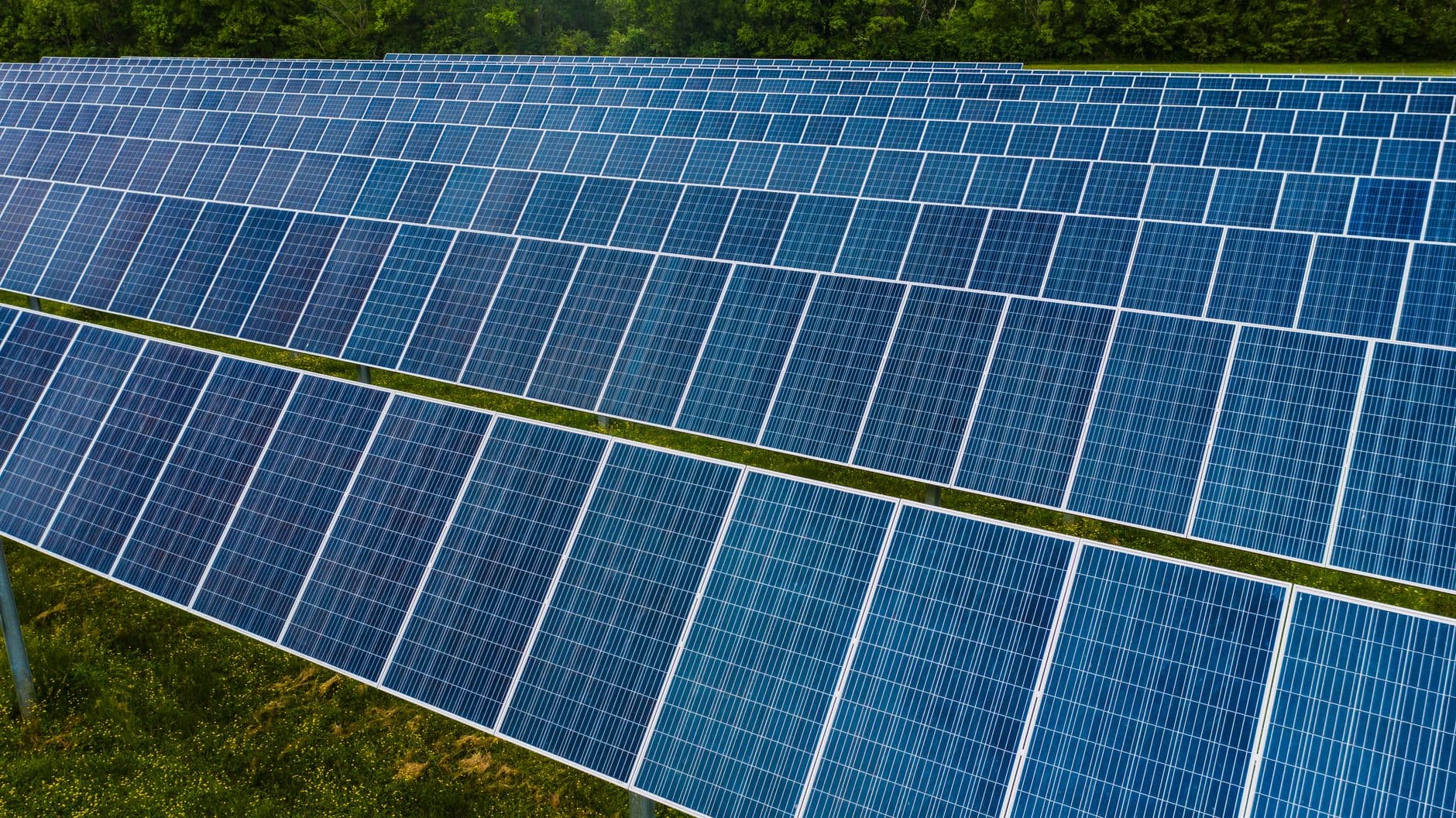
Solar projects now spend more time on grid work than on panels
During a recent utility‑scale build‑out in Texas, Levona Renewables’ CEO Fernando Queiroz discovered that his team was devoting most of their effort to evaluating transmission lines, interconnection studies, equipment lead‑times and utility procurement, rather than choosing solar modules. The shift signals that, after years of falling module prices, the real hurdle for new solar farms is the electricity‑grid infrastructure that must carry the power to consumers.
Interconnection studies dominate the schedule
Interconnection studies – the technical analysis that proves a new plant can safely tie into the grid – can take many months to complete. Utilities must verify voltage limits, short‑circuit levels and system stability, and any mismatch can force redesigns or upgrades. In the United States, interconnection queues have grown substantially in recent years, extending project timelines and increasing soft‑costs.
Transmission upgrades add hidden dollars
When a solar site is located far from existing high‑voltage corridors, developers must either build new lines or reinforce existing ones. Those upgrades can add significant costs, often exceeding the equipment cost of the panels themselves. Transmission‑related soft costs now represent a notable share of total project expenditures for large‑scale farms in the Southwest.
Equipment availability is a new bottleneck
Beyond the wires, the surge in demand for transformers, switchgear and advanced inverters has strained supply chains. Manufacturers report lead times of several months for high‑capacity grid‑grade equipment, a contrast to the faster turnover of solar modules. This mismatch forces developers to lock in equipment early, often before the interconnection study is finished, adding financial risk.
Utility procurement processes are increasingly complex
Utilities are tightening procurement rules, requiring detailed power‑purchase agreements (PPAs), performance guarantees and sometimes local content clauses. These contractual layers add negotiation time and legal costs, which can push a project’s financial close beyond the original target.
Why the focus shifted from panels to infrastructure
For two decades the industry’s headline‑grabbing metric was the $/W price of solar panels, which fell dramatically. That cost drop made solar competitive with fossil‑fuel generation. However, as panel costs have plateaued, the relative weight of non‑module expenses – land, permitting, transmission, interconnection and equipment – has risen sharply. In many markets, those soft costs now constitute a large portion of total project spend.
What it means for Israel
Israel’s solar market is already grappling with similar grid‑integration challenges, especially as the country pushes toward its 30 % renewable electricity target for 2030. A typical 10 kWp residential system in the central region produces about 17,000 kWh per year, worth roughly ₪8,160 at the residential tariff of ₪0.48/kWh. At an installation cost of about ₪31,500, the simple payback is around 3.9 years.
If grid constraints limit the output of such a system, the revenue would be reduced proportionally, extending the payback period. This illustrates how transmission capacity can affect the financial attractiveness of rooftop solar in Israel.
Strategies to overcome the bottleneck
Developers worldwide are adopting several tactics:
- Early grid studies: commissioning interconnection analyses at the concept stage to identify upgrades before land acquisition.
- Co‑location with existing infrastructure: siting farms next to substations or transmission corridors to minimize new line construction.
- Standardized equipment contracts: using pre‑qualified equipment lists to shorten procurement lead‑times.
- Policy incentives: some jurisdictions offer fast‑track permitting or cost‑share programs for transmission upgrades that serve renewable projects.
Looking ahead
As solar continues to dominate new capacity additions globally, the industry’s next frontier is a smarter, more flexible grid. Advanced forecasting, dynamic line rating and distributed‑energy‑resource (DER) aggregators can reduce the need for costly hard‑wired upgrades. For Israel, aligning the Electricity Authority’s grid‑expansion plans with the rapid rollout of rooftop and utility‑scale solar will be crucial to keep the country on track for its 2030 renewable goal.
What it means for Israel – The modest curtailment scenario illustrates how transmission limits directly affect homeowner ROI. By consulting the national grid operator early and exploring community‑scale storage, Israeli owners can safeguard their investments and help the grid absorb more clean energy.
For a deeper dive into your own solar payback, try our solar ROI calculator and explore the latest market data on our data page.
FAQ
Why are transmission costs becoming a bigger part of solar project budgets?
Because panel prices have fallen dramatically, the relative share of soft costs like transmission upgrades, interconnection studies and equipment procurement has risen to over 40 % of total spend.
How long do interconnection studies typically take in the U.S.?
They can take several months to over a year, especially in congested grids, adding significant delays to project timelines.
What impact does a 10 % curtailment have on a typical Israeli home solar system?
It reduces annual generation by about 1,700 kWh, costing the owner roughly ₪816 per year and extending the payback period by about 1.5 years.
Are there ways to reduce grid‑related soft costs?
Yes – early grid studies, co‑location with existing infrastructure, standardized equipment contracts and policy incentives can all cut time and money.
What is Israel’s renewable electricity target for 2030?
Israel aims to generate 30 % of its electricity from renewable sources by 2030.
Share this post
More from Technology
6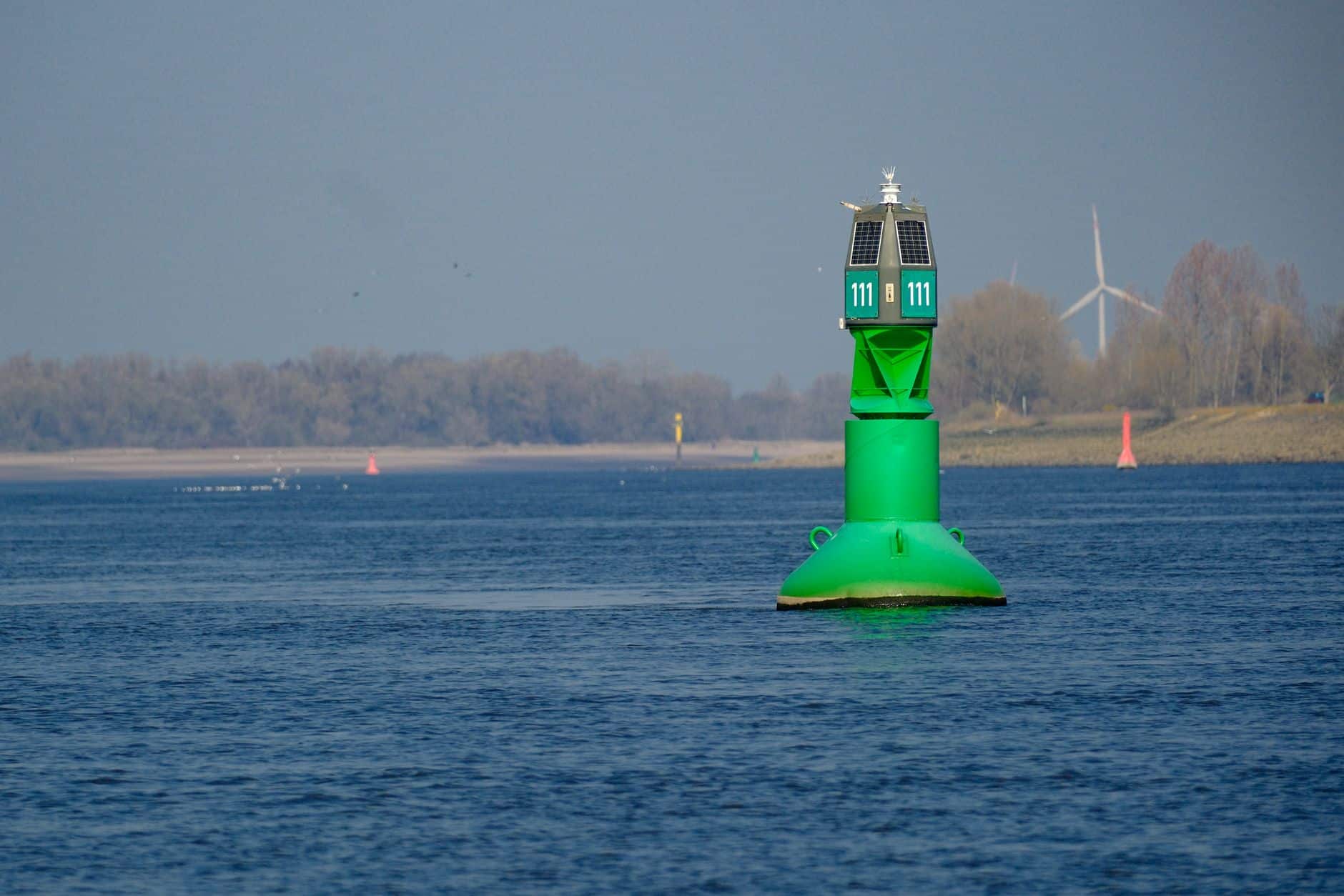
Floating Solar Tracker Boosts Yield by 20%
Noria Energy’s Airon floating‑solar tracker promises up to 20 % more electricity than fixed‑tilt FPV systems at similar cost, with commercial shipments slated for mid‑2027.
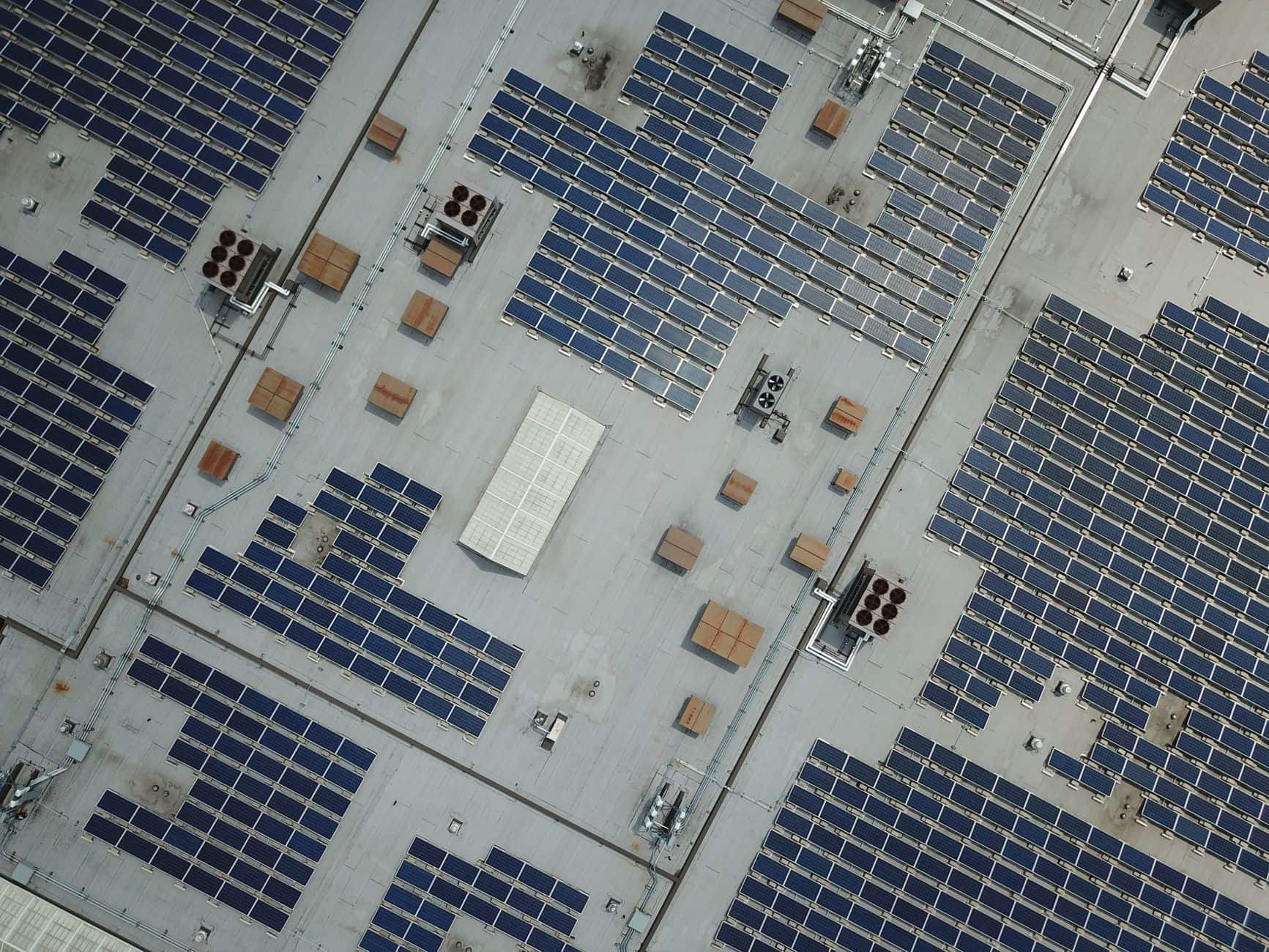
Israel’s Food Giant Goes 100% Green Power
Osem Nestlé has become the first Israeli food‑industry company to run entirely on renewable electricity, showcasing how solar power and green contracts can cut costs and emissions.

Silicon Solar Panels Slash Space Power Costs
Source Energy’s silicon solar modules can be built for under $5 per watt, slashing space‑power costs and opening new opportunities for Israeli satellite firms.
Array Tech Triples US Tracker Capacity
Array Technologies opened a $50 million Albuquerque factory that triples its U.S. solar‑tracker capacity, creates 300 jobs and could help lower tracker prices for Israeli rooftop installations.

Inclusion Fuels Solar Growth in Europe
Hanna König says inclusive, safe‑to‑disagree workplaces are essential to close the solar sector’s talent gap and accelerate the energy transition.
Super El Niño Slashes South Solar, Boosts North
Super El Niño 2026 created a pronounced north‑south solar split in South America, with sunnier conditions in the north and reduced irradiance in the south, while rare Atacama snowstorms threatened desert PV output.