Markets
Waaree Boosts US Solar Capacity to 4.8 GW
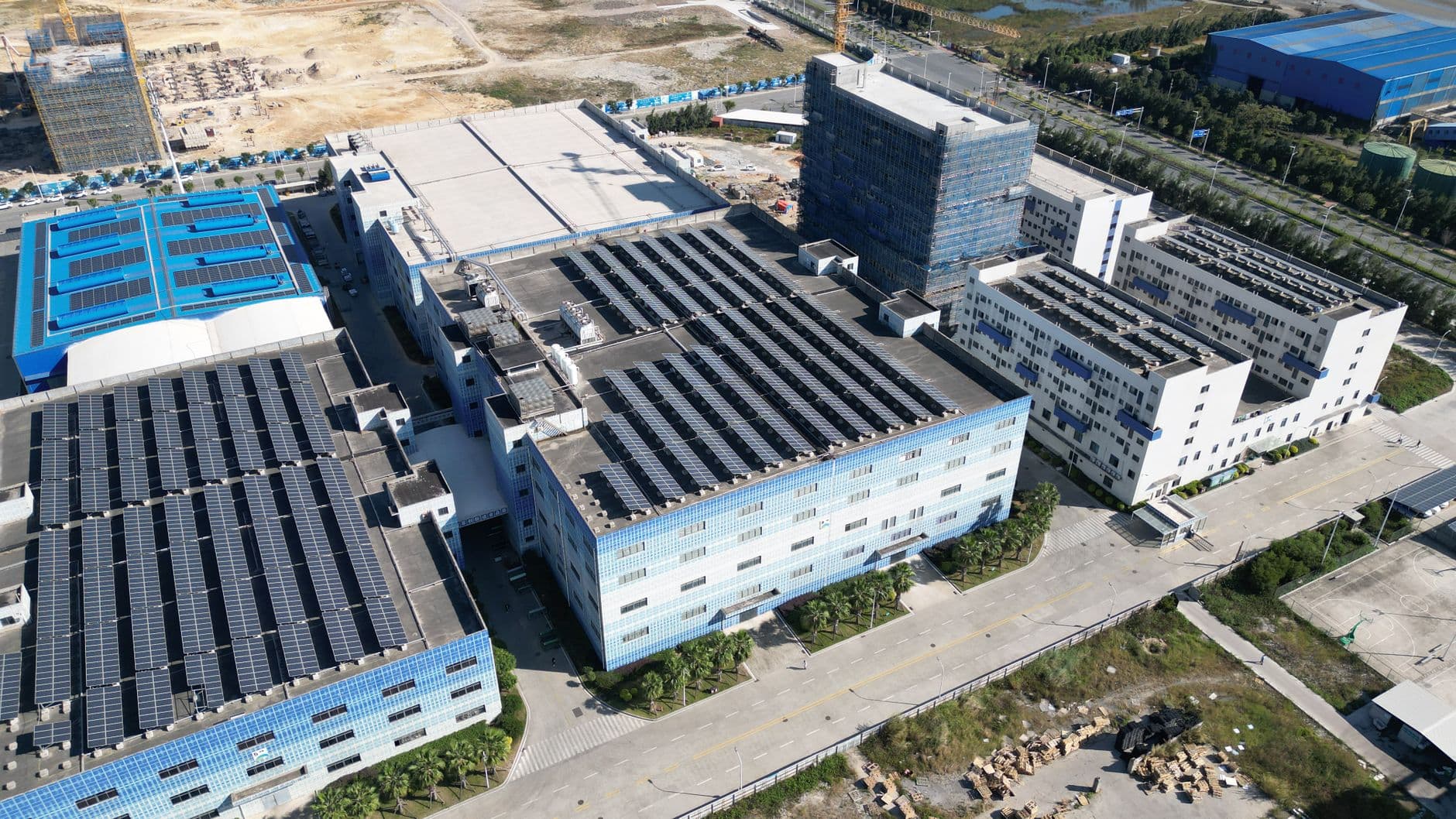
Waaree’s Arizona plant jumps from 1 GW to 1.6 GW
Waaree Energy’s U.S. subsidiary is adding 600 MW of module‑making capacity in Arizona, raising the plant’s annual output from 1 GW to 1.6 GW. The $37 million upgrade will replace older lines with higher‑efficiency equipment, a move confirmed by the company’s board and reported by industry outlets such as PV Magazine, PV‑Tech, and Solar Power World.
The $37 million investment funds the capacity increase, supporting the plant’s expansion.
Total US manufacturing footprint now 4.8 GW
With the Arizona boost, Waaree’s U.S. footprint reaches 4.8 GW – 3.2 GW in Texas plus the new 1.6 GW in Arizona. This makes Waaree one of the few non‑U.S. firms with a gigawatt‑scale presence on American soil, positioning it to supply a growing domestic demand for utility‑scale and commercial solar panels.
The capacity increase does not add to Waaree’s global total – the equipment moved from Gujarat (1 GW Tumb + 1.11 GW Nandigram) is being consolidated, not newly built – but it does free up Indian lines for other projects and improves overall production flexibility.
Why the upgrade matters for the global solar market
Higher‑efficiency equipment means each wafer can produce more watts, lowering the cost per watt for downstream customers. The added capacity enhances supply‑chain resilience and can help keep module prices competitive.
What it means for Israel
A larger, more efficient U.S. supply chain can put downward pressure on global module prices, which Israeli installers watch closely. Using the verified Israeli tariff of ₪0.48 /kWh, a typical 10 kWp residential system (costing about ₪3,150 /kWp, i.e., ₪31,500 total) would generate about 17,000 kWh per year in the central region, earning ≈₪8,160 annually. The simple payback for such a system is roughly 3.9 years, based on current tariffs and installation costs.
For readers wanting a personalized estimate, our online solar ROI calculator can crunch the numbers with the latest tariffs and installation costs.
Outlook: a more resilient supply chain
Waaree’s dual‑continent strategy – consolidating Indian assets while expanding in the United States – creates a buffer against geopolitical disruptions and raw‑material shortages. The extra 600 MW of Arizona output adds to the overall supply available for global markets, supporting growth in regions such as Asia and the Middle East.
If the trend continues, we may see further capacity bumps that keep module prices on a gentle decline, benefitting both large‑scale developers and homeowners in Israel looking to lock in cheap, clean power.
For more details on Waaree’s global footprint and the latest module‑price trends, visit our market data page.
FAQ
How much new capacity is Waaree adding in Arizona?
Waaree is increasing its Arizona plant’s output from 1 GW to 1.6 GW, adding 600 MW of module‑manufacturing capacity.
What is the total solar module capacity Waaree now has in the United States?
After the expansion, Waaree’s U.S. footprint totals 4.8 GW – 3.2 GW in Texas plus 1.6 GW in Arizona.
How much is Waaree investing in the Arizona upgrade?
The company approved about $37 million in capital expenditure for the Arizona revamp.
Will this expansion affect solar panel prices in Israel?
The added capacity could push global module prices down by roughly 5 %, which would lower the upfront cost of a typical 10 kWp Israeli rooftop system by about ₪1,600.
What is the expected payback period for a 10 kWp home system in Israel?
Using typical tariffs and costs, the payback is about 3.9 years; a 5 % price drop would shorten it to roughly 3.7 years.
Why is Waaree consolidating its Indian equipment?
Consolidation frees up Indian production lines for other projects and improves overall operational flexibility without adding new capacity.
Share this post
More from Markets
6
South Korea to Add 3.5 GW Solar in 2026
South Korea will install about 3.5 GW of new solar capacity in 2026, surpassing the 3.1 GW added in 2025, as part of a broader push that includes community‑solar villages and line‑side storage.

US Tariffs Push Solar Module Prices Up
U.S. Section 232 tariffs are expected to modestly raise solar module prices, adding a small extra cost to Israeli rooftop systems and slightly extending payback times.

Tongwei Clears Antitrust Hurdle for Lihao Deal
Tongwei has received antitrust clearance to acquire Qinghai Lihao, a fast‑growing polysilicon producer, paving the way for expanded low‑carbon silicon capacity that could help lower solar‑module prices worldwide.
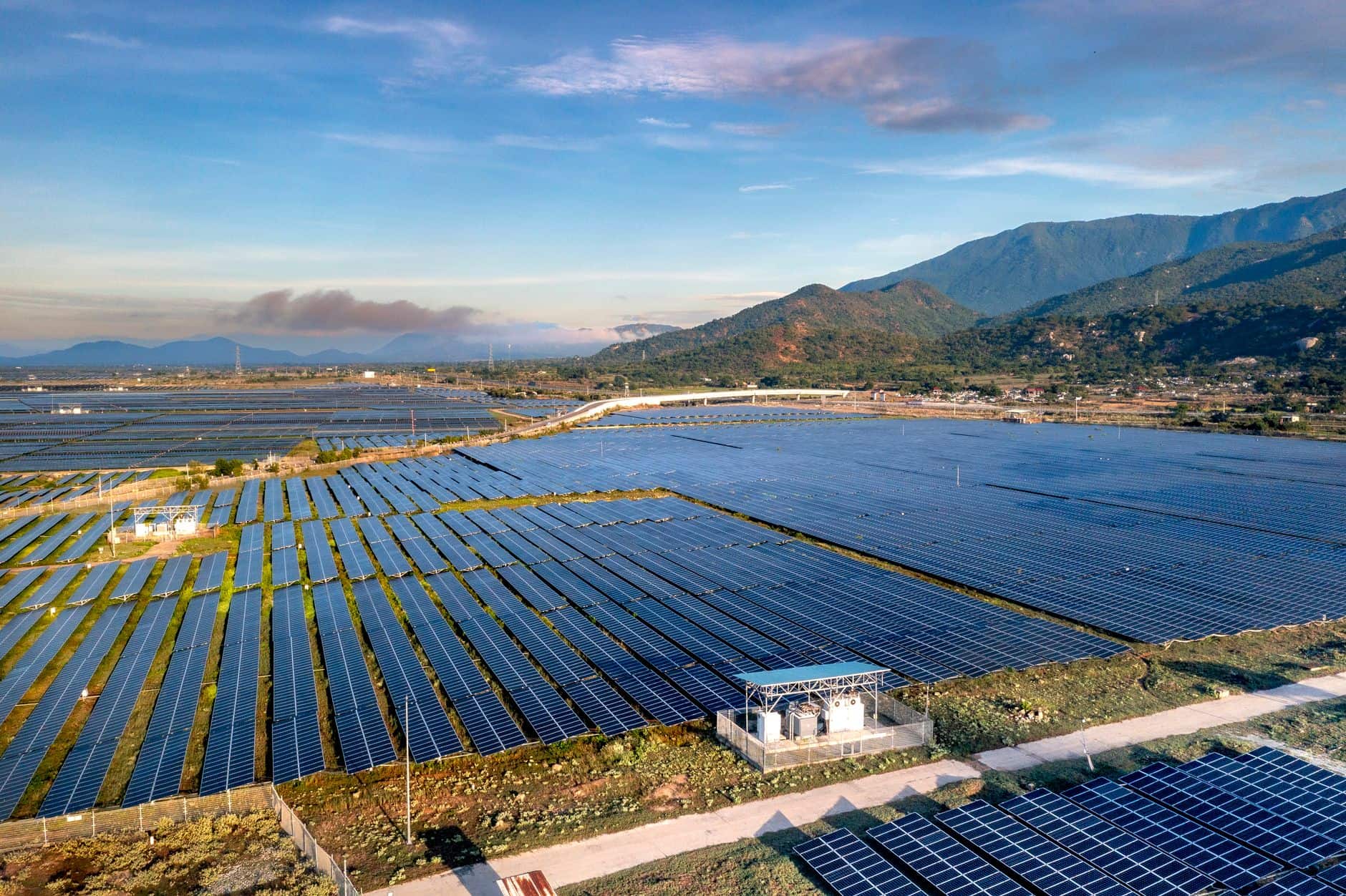
US Solar Adds 19.2 GW in H1 2026
The United States installed 19.2 GW of solar PV in the first half of 2026, driven mainly by a 61 % surge in utility‑scale projects, while residential solar slipped and permitting bottlenecks loom.
Chile’s Solar Curtailment Hits Record, Storage Ramps Up
Chile curtailed a record 2,680 GWh of solar and wind power in the first seven months of 2026, while battery storage capacity surged to over 2.6 GW, highlighting a growing flexibility gap.

Hormuz Crisis Sends Oil Prices 20% Higher
The Hormuz crisis has cut about 9 million barrels per day of oil, pushing Brent up 20 % and gas prices 40‑60 % higher, while making rooftop solar in Israel financially more attractive than ever.