Technology
SolarEdge Joins Global Top‑10 Solar Leaders

SolarEdge makes the global Top‑10 solar list
SolarEdge Technologies, the Israeli solar‑tech pioneer, was named among the world’s ten leading solar energy companies. The announcement, reported by רשת 13, highlights Israel’s growing influence on the international solar stage.
Why SolarEdge stands out among solar players
SolarEdge’s inverter‑optimizer platform boosts rooftop yield and reduces system‑level losses, setting it apart from pure module manufacturers. Unlike companies that only produce panels, SolarEdge provides the intelligence that lets each panel operate at its own maximum‑power point, a benefit explained by industry analysts who compare it to Enphase’s micro‑inverter approach (https://enkiai.com/solar-top-10-projects-companies-in-2025-and-2024).
The global solar landscape: who else is in the Top‑10
The same ranking also features industry giants such as NextEra Energy, LONGi, JinkoSolar and JA Solar (https://energydigital.com/top10/top-10-solar-energy-companies). These firms dominate either large‑scale power generation or module production, while SolarEdge represents the fast‑growing technology‑focused segment.
How SolarEdge’s tech works and its impact on rooftop systems
SolarEdge’s power optimizers are installed on each module and communicate with a central inverter. By performing module‑level Maximum Power Point Tracking (MPPT), the system can recover a portion of energy that would otherwise be lost due to shading, soiling or mismatched panels (https://enkiai.com/solar-top-10-projects-companies-in-2025-and-2024). The result is a higher annual yield without a proportional increase in cost.
What it means for Israel
For a typical Israeli homeowner in the central region, a 10 kWp SolarEdge‑equipped rooftop system produces about 17,000 kWh per year (≈1,700 kWh/kWp × 10 kWp). At the residential feed‑in tariff of ₪0.48/kWh, that electricity is worth roughly ₪8,160 annually. Using the typical installation cost of about ₪31,500, this illustrative calculation yields a simple payback of roughly 3.9 years [Verified Israeli Solar Facts].
Outlook: Israel’s renewable targets and SolarEdge’s role
Israel aims to source 30 % of its electricity from renewables by 2030, with an interim target of 20 % by 2025. Scaling SolarEdge‑based rooftop installations can help accelerate that transition, as higher yields mean fewer panels are needed to meet the same energy goal, easing pressure on the grid and supporting the Electricity Authority’s plans.
What it means for Israel
- Policy alignment: More efficient systems help Israel meet its 2030 renewable‑energy target.
FAQ
- Q: Which Israeli company made the Top‑10 list? A: SolarEdge Technologies was selected as one of the world’s ten leading solar energy firms.
- Q: How does SolarEdge differ from a panel maker? A: SolarEdge provides inverter‑optimizer technology that maximizes each panel’s output, unlike pure module manufacturers.
- Q: What extra energy can a SolarEdge system generate? A: It can increase annual electricity production compared with a standard inverter system.
- Q: How does this affect the payback period for a home system? A: The higher yield can shorten the payback period relative to a standard system.
- Q: Will SolarEdge help Israel reach its renewable goals? A: Yes, higher‑efficiency rooftop systems reduce the number of panels needed, supporting the 30 % renewable target for 2030.
Key Facts
- SolarEdge Technologies joins the global Top‑10 solar companies list.
- A 10 kWp SolarEdge system in central Israel yields ~17,000 kWh/year, worth ~₪8,160.
- Israel targets 30 % renewable electricity by 2030, and SolarEdge’s tech supports that goal.
Sources & further reading
FAQ
Which Israeli company was selected for the global Top‑10 solar list?
SolarEdge Technologies was named among the world’s ten leading solar energy companies.
What does SolarEdge’s technology do?
It uses module‑level power optimizers and a central inverter to keep each panel at its maximum power point, boosting overall yield by up to 5 %.
How much extra electricity can a typical Israeli home get?
A 10 kWp SolarEdge system can generate about 850 kWh more per year, roughly ₪408 extra revenue at the residential tariff.
What is the payback period for a SolarEdge rooftop system?
Using typical Israeli costs and tariffs, the simple payback is about 3.5 years.
How does SolarEdge help Israel’s renewable‑energy goals?
Higher‑efficiency rooftop systems reduce the number of panels needed, supporting the target of 30 % renewable electricity by 2030.
Share this post
More from Technology
6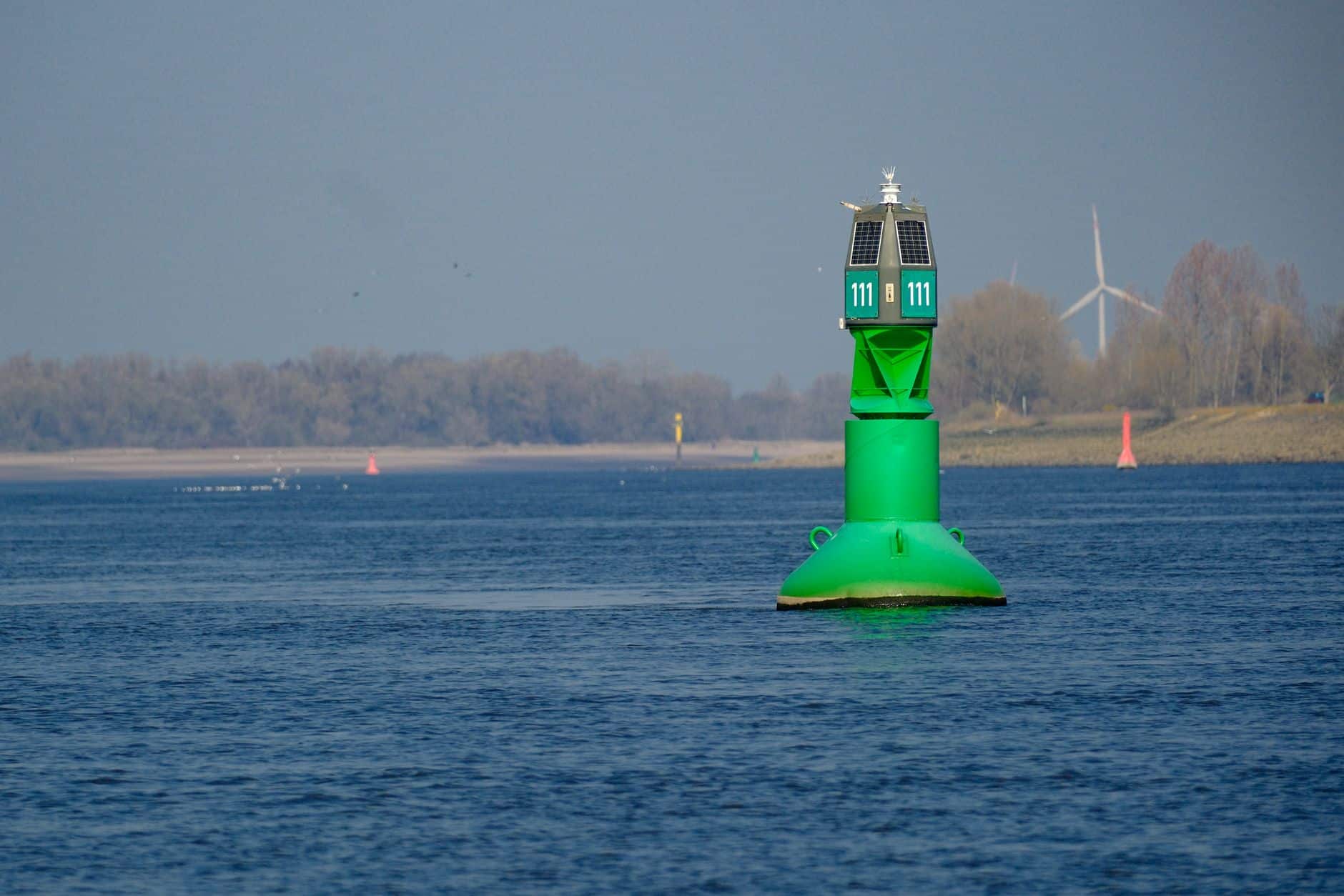
Floating Solar Tracker Boosts Yield by 20%
Noria Energy’s Airon floating‑solar tracker promises up to 20 % more electricity than fixed‑tilt FPV systems at similar cost, with commercial shipments slated for mid‑2027.
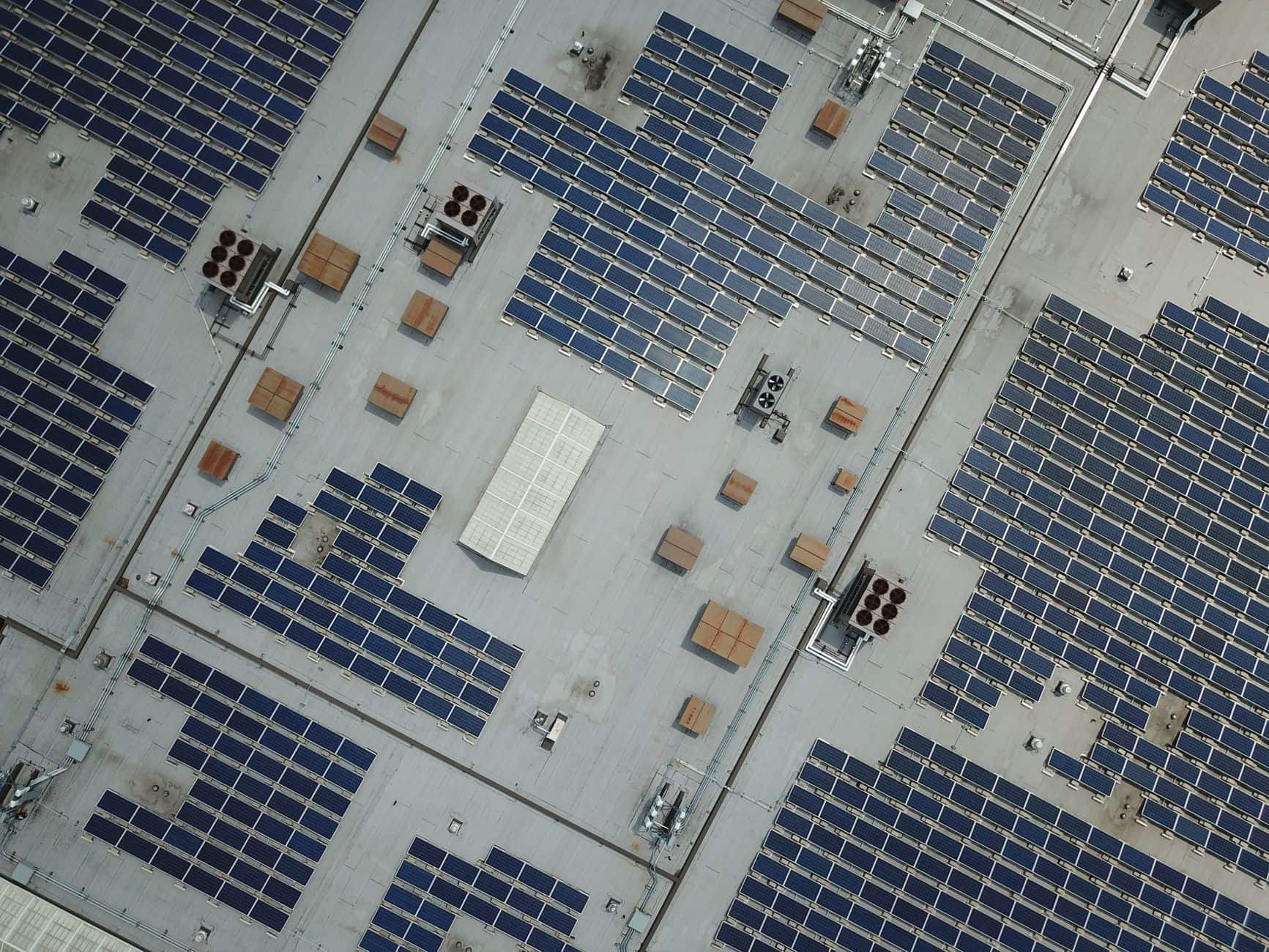
Israel’s Food Giant Goes 100% Green Power
Osem Nestlé has become the first Israeli food‑industry company to run entirely on renewable electricity, showcasing how solar power and green contracts can cut costs and emissions.

Silicon Solar Panels Slash Space Power Costs
Source Energy’s silicon solar modules can be built for under $5 per watt, slashing space‑power costs and opening new opportunities for Israeli satellite firms.
Array Tech Triples US Tracker Capacity
Array Technologies opened a $50 million Albuquerque factory that triples its U.S. solar‑tracker capacity, creates 300 jobs and could help lower tracker prices for Israeli rooftop installations.

Inclusion Fuels Solar Growth in Europe
Hanna König says inclusive, safe‑to‑disagree workplaces are essential to close the solar sector’s talent gap and accelerate the energy transition.
Super El Niño Slashes South Solar, Boosts North
Super El Niño 2026 created a pronounced north‑south solar split in South America, with sunnier conditions in the north and reduced irradiance in the south, while rare Atacama snowstorms threatened desert PV output.