Storage
Largest Off‑Grid Solar‑Storage Microgrid Live
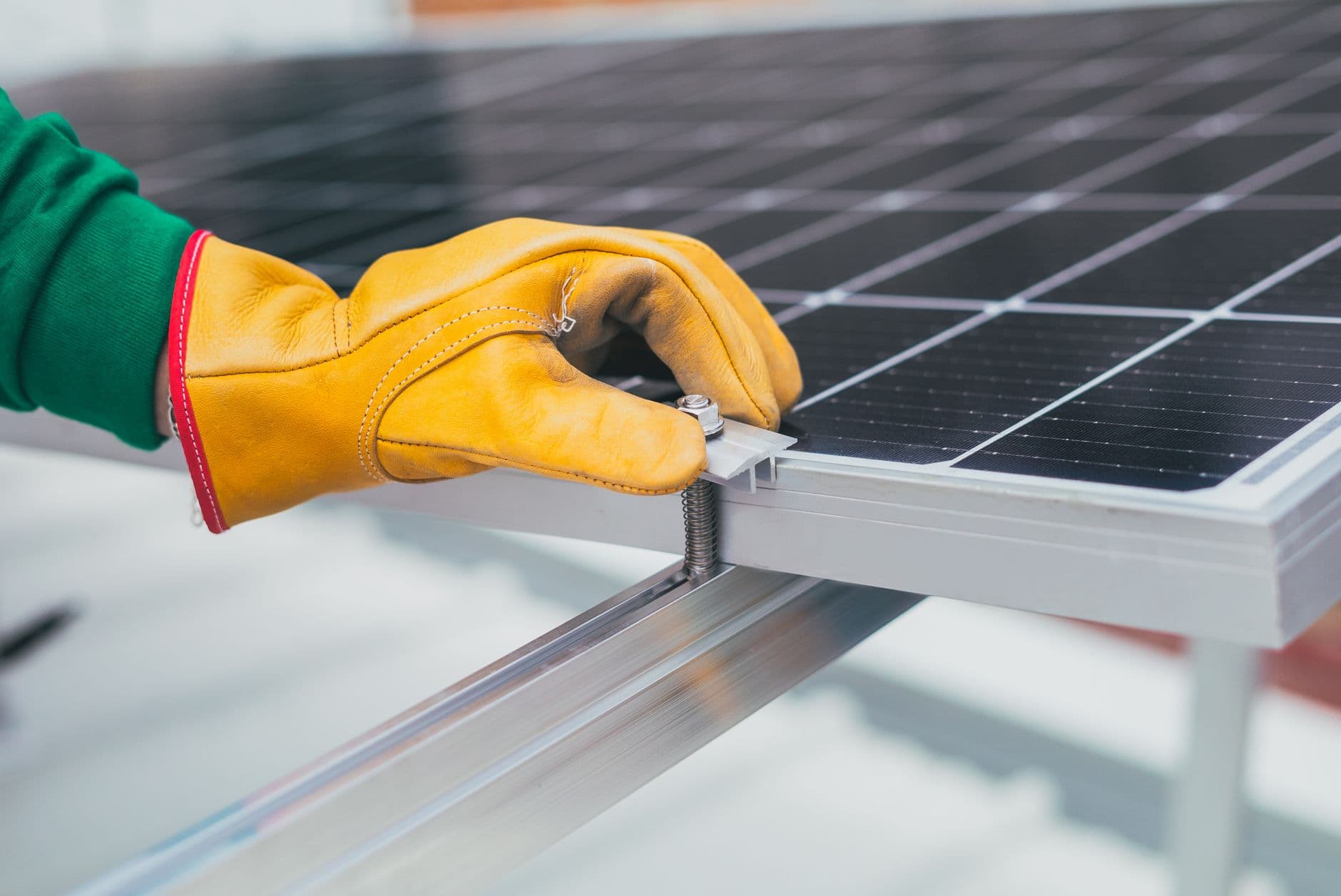
Overview – The Red Sea microgrid is now fully operational
The Red Sea multi‑utility project in Saudi Arabia has entered full commercial operation, delivering a 358 MWac solar plant paired with a 1.225 GWh battery that runs an isolated utility serving resorts, desalination, cooling and more. The EPC contractor SEPCOIII confirmed the hand‑over on 21 August, marking it as one of the largest off‑grid solar‑storage systems.
Technical Highlights – Size, storage and backup power
The solar field produces up to 358 MW of alternating‑current power, while the lithium‑ion battery stores 1,225 MWh – enough to run the whole plant at full output for about 3.4 hours (1,225 MWh ÷ 358 MW). In addition, the complex includes 112.5 MW of internal‑combustion generators for absolute reliability. Huawei supplied the inverters and the grid‑forming storage package, which the contractor described as 400 MW of PV and 1.3 GWh of storage, slightly higher than the final as‑built numbers reported by ACWA Power.
Grid‑Forming Battery Role – Keeping voltage and frequency steady
Because the Red Sea network is isolated from Saudi Arabia’s national grid, the battery must form the grid: it sets voltage and frequency, balances the variable solar output, and can start the system after a blackout (black‑start) or ride through faults. This capability is rare for utility‑scale storage and was demonstrated during the system’s commissioning, according to the project disclosures.
Global Significance – A template for remote power hubs
The microgrid supplies tourism resorts, an airport, EV chargers, 5G infrastructure, water‑treatment and district‑cooling plants. Its success offers a practical example for islands, remote industrial sites, or new developments where extending conventional transmission lines is uneconomic. Guinness World Records certified 1,125 MWh of the installation in May 2025 as the highest‑capacity off‑grid battery storage ever built.
What it Means for Israel – Translating the scale to a typical rooftop
For Israeli homeowners, the Red Sea project shows how large‑scale solar plus storage can become a reliable, self‑sufficient utility. Using the typical Israeli figures (≈₪0.48 /kWh residential tariff, ₪3,150 /kWp install cost, 1,700 kWh/kWp · yr yield in the central region), a 10 kWp rooftop system would generate about 17,000 kWh per year, worth ≈₪8,160 in avoided electricity purchases. At a ₪31,500 installation cost, the simple payback is roughly 3.9 years, well within the 25‑year system life. Adding a modest home battery would further smooth daytime peaks, mirroring the grid‑forming function of the Red Sea battery but on a household scale. Israeli readers can explore similar economics with our solar ROI calculator and compare market data on solar installations.
Future Outlook – Scaling grid‑forming storage worldwide
The Red Sea microgrid demonstrates that grid‑forming battery storage can replace traditional generators in isolated networks, reducing emissions and fuel imports. As battery costs continue to fall, more projects of this type are expected in the Middle East, North Africa and beyond. For Israel, the lesson is clear: coupling rooftop solar with modest storage can help meet the national 30 % renewable electricity target for 2030 while enhancing grid resilience.
Sources:
FAQ
How large is the battery in the Red Sea microgrid?
The battery stores about 1.225 GWh, enough to run the 358 MW solar plant at full power for roughly 3.4 hours.
What does ‘grid‑forming’ mean for a battery?
A grid‑forming battery sets the voltage and frequency of an isolated network, can start the system after a blackout, and balances solar fluctuations.
Can Israel use similar technology for its islands?
Yes – the Red Sea example shows that solar plus grid‑forming storage can replace diesel generators on islands, providing reliable power without a mainland grid.
What is the payback period for a typical Israeli rooftop solar system?
A 10 kWp system costs about ₪31,500 and saves roughly ₪8,160 per year, giving a simple payback of about 3.9 years.
How does the Red Sea project help meet Saudi Arabia’s renewable goals?
By delivering 358 MW of clean solar and a large battery, the project reduces reliance on fossil fuels for a major tourism hub and showcases scalable off‑grid renewable solutions.
Share this post
More from Storage
6
BESS Gains Speed Edge in Data Centers
BESS now beats gas generators on speed‑to‑power and cost per MWh for data centers, but still lags on long‑duration backup and continuous prime power.
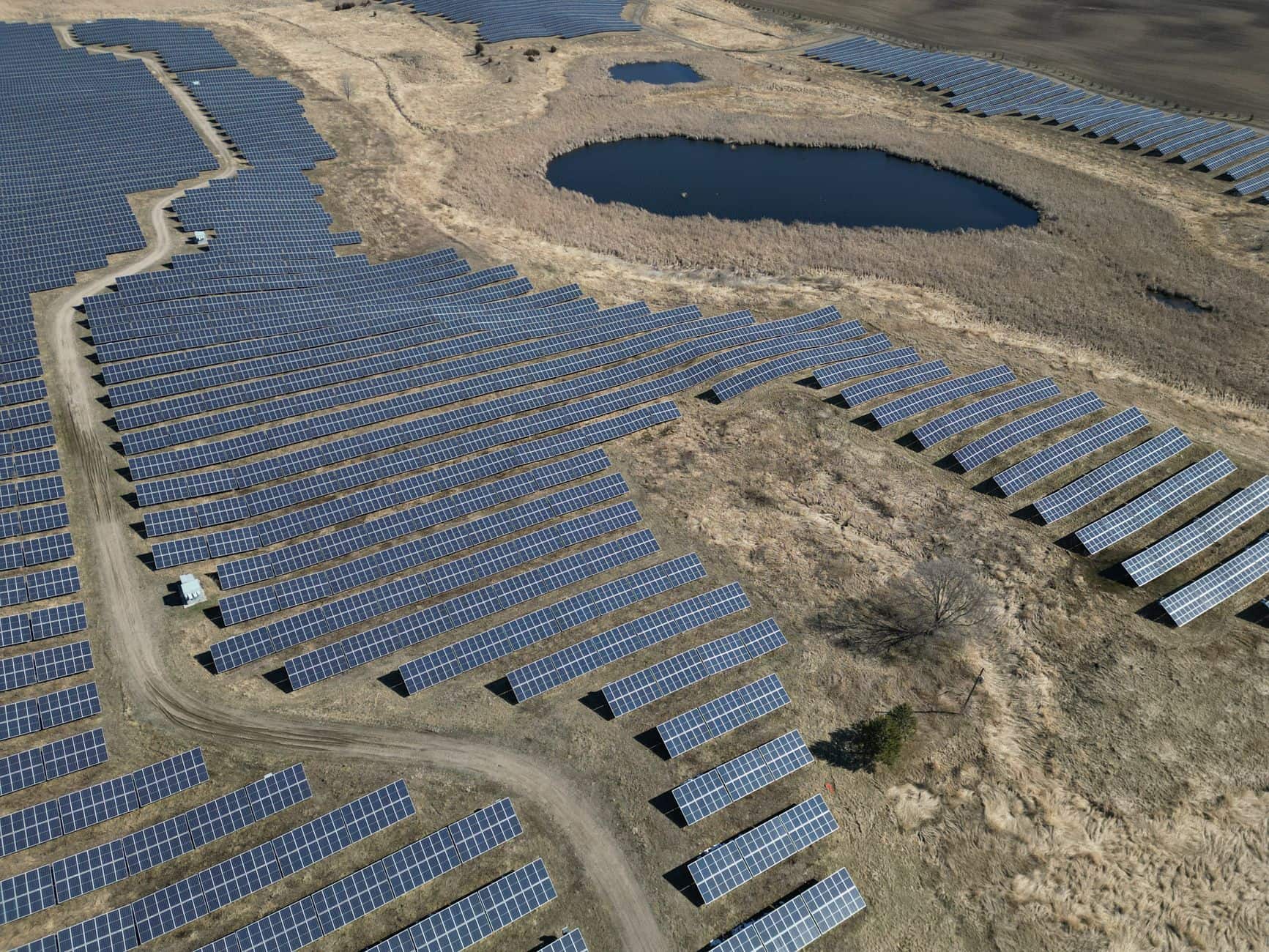
Baltic Utility Boosts Solar & Storage to 600 MW
Latvenergo aims to add 600 MW of new wind and solar by 2026 and is already developing over 250 MW of battery storage, a move that highlights how hybrid projects can boost renewable growth and grid stability.
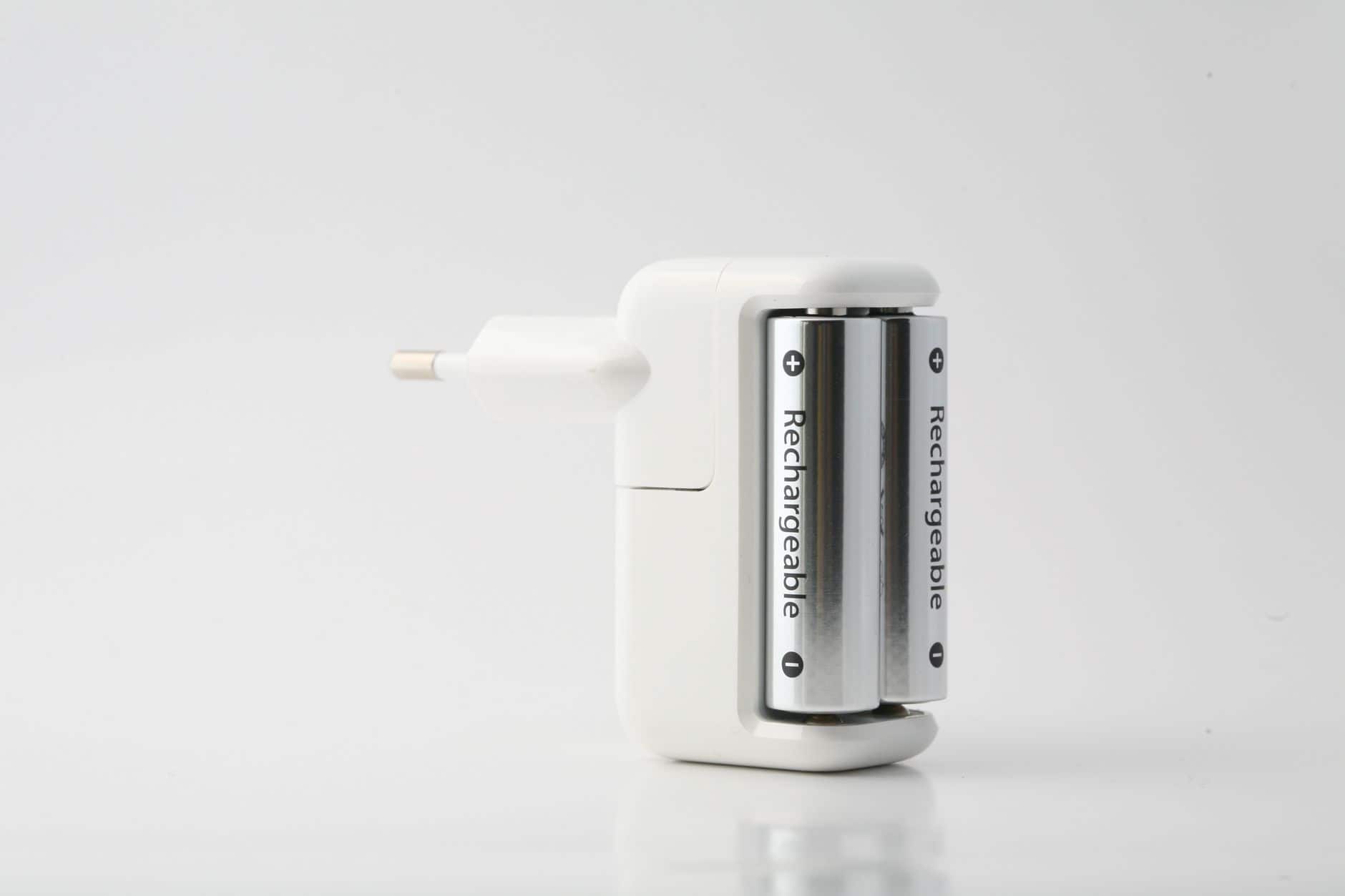
Plug‑in Battery Saves German Renters €120/yr
Rabot Energy’s plug‑in 2 kWh battery, sold at cost, lets German apartment renters save about €120 a year by charging during cheap grid periods and discharging at price spikes.

Thicker Battery Electrodes Boost Energy Density 15%
Fraunhofer ISE’s new thick‑film electrodes boost lithium‑ion, sodium‑ion and zinc‑ion cell energy density by up to 15 % without extra weight, while cutting production cost and eliminating PFAS chemicals.
Sungrow Chooses Samsung SDI Cells US Storage
Sungrow will source Samsung SDI LFP battery cells for its U.S. energy‑storage systems, a three‑year, multi‑gigawatt‑hour deal aimed at bypassing China‑linked supply‑chain restrictions.
HiNa Battery Secures 10 GWh Sodium‑Ion Deal in Korea
HiNa Battery signed a five‑year deal to supply South Korea’s Volta with up to 10 GWh of sodium‑ion batteries, expanding the earlier 15 MWh pilot and marking a major GWh‑scale order for the Korean market.