Technology
Inverter‑Free PV Heat Pumps Boost Efficiency
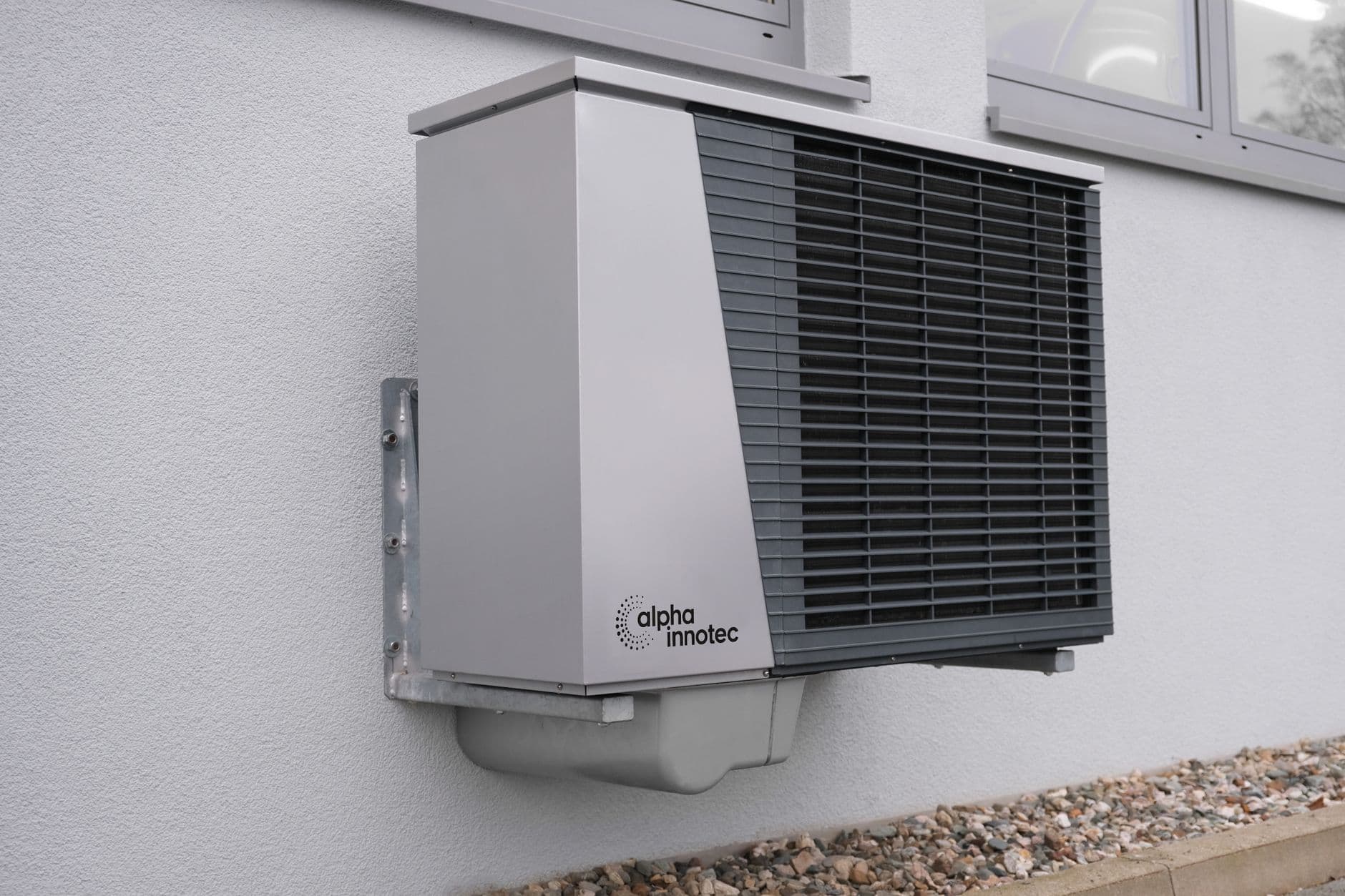
Quick Take: Clivet’s new CVT9 VRF units can run directly on 400‑600 V DC from solar panels, cutting out the traditional PV inverter and delivering up to SEER 8.58 and SCOP 4.93.
Clivet, the Italian arm of China’s Midea Group, recently unveiled its CVT9 variable‑refrigerant‑flow (VRF) outdoor units. The range spans five single‑module models (25.2 kW‑45 kW) and can be paired in two‑module configurations for a massive 90 kW nominal heating capacity. What sets the CVT9 apart is an integrated PV‑management box that accepts 400‑600 V DC directly from a solar array, eliminating the need for a separate grid‑tied inverter.
How Inverter‑Free PV Integration Works – the first 1‑2 sentences answer the question
The CVT9’s built‑in PV Box converts the variable‑voltage DC from rooftop panels into a stable supply for the heat‑pump’s DC‑inverter compressors, allowing the unit to modulate its power draw from 0 % to 100 % in step with solar production.
Clivet’s engineers designed the PV Box to handle 400‑600 V DC, the typical voltage range of commercial‑scale solar strings. A Smart Monitoring Box measures real‑time consumption and feeds the data to the unit’s controller, which then throttles the compressor speed via a DC‑inverter. Because the compressors already run on DC, the system avoids the double‑conversion loss (DC→AC→DC) that a conventional inverter‑based setup incurs, leading to a smoother, more efficient power flow.
Performance Specs – direct answer first
Clivet reports seasonal energy efficiency ratios (SEER) from 8.00 to 8.58 and seasonal coefficients of performance (SCOP) from 4.78 to 4.93, placing the CVT9 among the most efficient VRF heat pumps on the market.
| Model | Cooling Capacity (kW) | Heating Capacity (kW) |
|---|---|---|
| CVT9‑25 | 25.2 | 27.5 |
| CVT9‑28 | 28.0 | 30.5 |
| CVT9‑34 | 33.5 | 36.0 |
| CVT9‑40 | 40.0 | 43.0 |
| CVT9‑45 | 45.0 | 48.5 |
All models fall within the SEER and SCOP ranges noted above. Two‑module setups (e.g., 45 kW + 45 kW) deliver up to 90 kW nominal heating and up to 100 kW peak heating. The compressors can modulate down to 7 % of rated capacity, preserving efficiency during partial‑load operation. Airflow ranges from 12,600 m³/h to 15,800 m³/h, and sound power stays between 78 dB(A) and 85 dB(A).
Why the Integrated PV Box Matters for Building Owners – answer first
By removing the conventional PV inverter, owners can avoid the additional hardware cost and enjoy a more compact installation that can be retrofitted onto existing rooftops.
The PV Box also offers 60 capacity‑limiting settings (40 %‑100 % in 1 % steps), letting facilities match their electrical envelope or respond to demand‑response signals without extra equipment. The built‑in digital ammeter, Modbus RTU connectivity, and Bluetooth‑USB diagnostics make it easy to integrate the unit into building‑management systems (BMS) for real‑time monitoring and automated load shifting.
What It Means for Israel – direct answer first
For a typical commercial rooftop in central Israel, a 90 kW CVT9 paired with a 90 kW solar array would generate ≈153 MWh per year (90 kW × 1,700 kWh/kW ≈ 153,000 kWh). At the current commercial feed‑in tariff of ₪0.41/kWh, that translates to ≈₪62,730 of annual revenue.
Using the verified Israeli cost of ₪2,200 per kW for commercial turnkey installations, the total capex would be ≈₪198,000. Simple payback = cost ÷ annual revenue ≈ 3.2 years, well within the 25‑year design life of the equipment. After payback, the system continues to deliver clean heating and cooling while avoiding ≈76.5 tonnes of CO₂ each year (0.5 kg CO₂ per kWh × 153,000 kWh).
For residential owners, a 10 kW system paired with a 10 kW CVT9 would produce roughly 17,000 kWh per year, worth about ₪8,160 at the typical residential tariff of ₪0.48/kWh. With an installation cost of about ₪31,500 (₪3,150/kW), the simple payback period is roughly 3.9 years.
These figures illustrate how Clivet’s inverter‑free VRF solution can help Israel move toward its 30 % renewable electricity target for 2030 by making solar‑plus‑heat‑pump projects financially attractive without the extra inverter cost.
Outlook – answer first
Clivet plans to roll out the integrated PV control feature in 2027, giving early adopters a few years to test the hardware before the smart‑grid‑ready version arrives.
Industry observers suggest that inverter‑free heat‑pump designs could become a key enabler for net‑zero building retrofits across Europe and the Middle East, especially where space for additional inverters is limited. As Israel’s grid modernises and demand‑response programs expand, the ability to directly match solar output to HVAC load could become a regulatory advantage, positioning the CVT9 as a flagship product for future‑proof commercial and residential projects.
For a deeper dive into Israeli solar economics, try our ROI calculator or explore the latest market data on our data page.
FAQ
What is an inverter‑free PV heat pump?
It’s a heat‑pump that accepts raw DC from solar panels (400‑600 V) and runs its compressors directly on that DC, so no separate PV inverter is needed.
How much energy can the CVT9 produce with solar?
A 90 kW CVT9 paired with a 90 kW solar array can generate roughly 153 MWh of electricity per year in central Israel.
What are the efficiency numbers for the CVT9?
Seasonal Energy Efficiency Ratio (SEER) ranges from 8.00 to 8.58 and Seasonal Coefficient of Performance (SCOP) from 4.78 to 4.93, according to EN 14825 testing.
Is the system compatible with existing indoor units?
Yes, the CVT9 is fully compatible with Clivet’s V8 indoor units and controls, making retrofits straightforward.
When will the integrated PV control be available?
Clivet says the PV‑management function will be market‑ready in 2027.
How does this affect the payback period for Israeli users?
A typical 90 kW commercial installation would pay back in about 3.2 years at the current ₪0.41/kWh tariff, thanks to the inverter cost savings and solar revenue.
Share this post
More from Technology
6
Floating Solar Tracker Boosts Yield by 20%
Noria Energy’s Airon floating‑solar tracker promises up to 20 % more electricity than fixed‑tilt FPV systems at similar cost, with commercial shipments slated for mid‑2027.
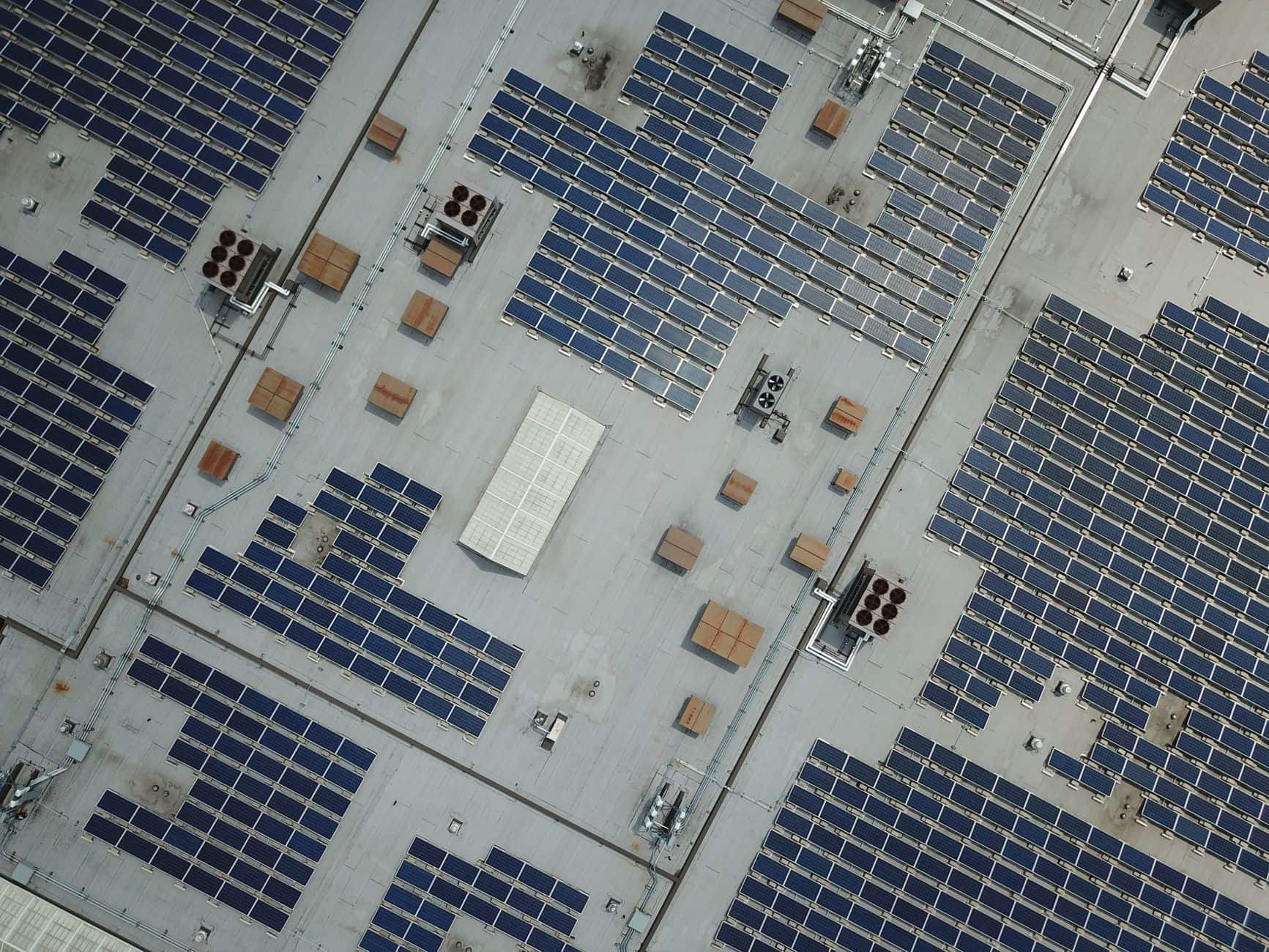
Israel’s Food Giant Goes 100% Green Power
Osem Nestlé has become the first Israeli food‑industry company to run entirely on renewable electricity, showcasing how solar power and green contracts can cut costs and emissions.

Silicon Solar Panels Slash Space Power Costs
Source Energy’s silicon solar modules can be built for under $5 per watt, slashing space‑power costs and opening new opportunities for Israeli satellite firms.

Array Tech Triples US Tracker Capacity
Array Technologies opened a $50 million Albuquerque factory that triples its U.S. solar‑tracker capacity, creates 300 jobs and could help lower tracker prices for Israeli rooftop installations.

Inclusion Fuels Solar Growth in Europe
Hanna König says inclusive, safe‑to‑disagree workplaces are essential to close the solar sector’s talent gap and accelerate the energy transition.
Super El Niño Slashes South Solar, Boosts North
Super El Niño 2026 created a pronounced north‑south solar split in South America, with sunnier conditions in the north and reduced irradiance in the south, while rare Atacama snowstorms threatened desert PV output.