Storage
Sungrow Chooses Samsung SDI Cells US Storage
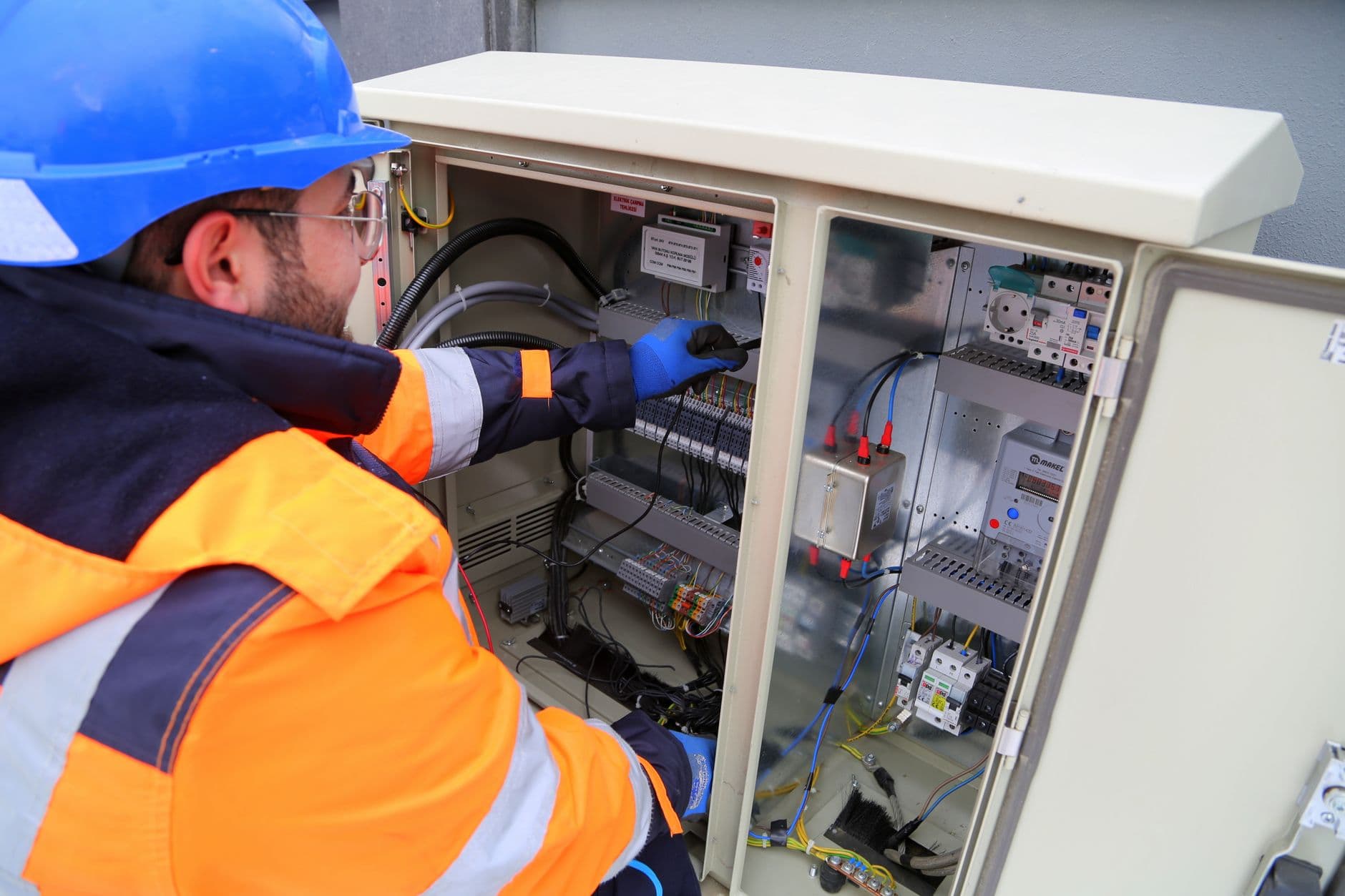
Sungrow taps Samsung SDI cells to keep US storage deliveries flowing
Sungrow will source lithium‑iron‑phosphate (LFP) battery cells from Samsung SDI to power its energy‑storage systems for the United States, a move designed to sidestep tightening China‑linked supply‑chain rules. The partnership was confirmed by a source close to the deal, while both companies declined to comment, and the exact volume, price and delivery schedule remain confidential PV Magazine.
The deal is a multi‑year, multi‑gigawatt‑hour commitment
Industry insiders say the agreement spans three years and will involve “several gigawatt‑hours” of LFP cells each year, with a total contract value measured in the trillions of Korean won [The Elec via PV Magazine]. This scale aligns with Samsung SDI’s plan to begin mass‑producing prismatic LFP cells at its Indiana plant in the fourth quarter of 2026.
Why the partnership matters for the global ESS market
Sungrow’s shift to a non‑Chinese cell supplier gives it a clear path to continue winning U.S. projects, where recent regulations limit the use of components made in China. By pairing Samsung SDI’s high‑energy‑density LFP chemistry with Sungrow’s proven inverters and energy‑management software, the duo can offer a storage solution that meets utility‑scale and commercial requirements while reducing exposure to Chinese‑origin parts.
Supply‑chain diversification helps both companies navigate U.S. policy
U.S. officials have tightened rules on grid‑equipment that contains Chinese‑origin parts, prompting many OEMs to relocate production. Samsung SDI is already building a U.S. footprint through its StarPlus Energy joint venture with Stellantis, converting EV‑battery lines to stationary storage and securing a KRW 1.6 trillion (≈$1.1 bn) LFP‑cathode material deal for that plant [PV Magazine]. Sungrow, which has no current U.S. manufacturing plan, can now source cells that are potentially produced in the United States or at least not China‑origin, reducing compliance risk.
What it means for Israel’s solar‑storage landscape
For Israeli developers, the Sungrow‑Samsung SDI tie‑up signals that large‑scale, non‑Chinese storage kits will become more readily available worldwide, potentially lowering import costs for projects that rely on overseas supply chains. Using the typical Israeli figures – a 10 kW residential system costs about ₪3,150 /kWp and yields roughly 17,000 kWh / year in the central region – the system generates about ₪8,160 of electricity value annually (₪0.48 /kWh residential tariff). At a total install cost of ₪31,500, the simple payback is roughly 3.9 years, after which the system continues to produce clean power for the remainder of its 25‑year life [Verified Israeli Solar Facts]. If Israeli firms adopt Samsung SDI LFP cells in similarly sized storage units, the same payback logic applies, offering a financially attractive route to meet the country’s 30 % renewable‑energy target for 2030.
Outlook: a more resilient global storage supply chain
The Sungrow‑Samsung SDI collaboration illustrates how leading ESS players are re‑engineering their supply chains to comply with geopolitical realities while still delivering gigawatt‑scale capacity. As Samsung ramps up U.S. cell output and Sungrow integrates those cells into its converters, the partnership could set a template for other manufacturers seeking a foothold in the North American market.
For readers interested in sizing a home solar‑plus‑storage system, try our solar ROI calculator and explore the latest market data on our data page.
Sources & further reading
- Sungrow turns to Samsung SDI battery cells to sustain its energy storage business - pv magazine Global
- Sungrow, Samsung SDI Among 5 Companies Securing Major Energy Storage Orders in Europe and the US - EnergyTrend
- Sungrow-Samsung SDI Commercial Energy Storage The Sungrow-Samsung SDI Energy
- Sungrow-Samsung Batteries | Solar Batteries Online
- Samsung SDI has confirmed that it signed a battery cell supply agreeme - Shanghai Metals Market (SMM)
FAQ
Why is Sungrow switching to Samsung SDI cells?
To keep delivering storage systems in the U.S. while avoiding new restrictions on Chinese‑origin battery components.
How large is the Samsung SDI‑Sungrow agreement?
It spans three years and will supply several gigawatt‑hours of LFP cells each year, worth trillions of Korean won.
When will Samsung SDI start mass‑producing the cells for this deal?
Samsung plans to begin mass production of prismatic LFP cells at its Indiana plant in the fourth quarter of 2026.
What does this partnership mean for Israeli solar‑storage projects?
It signals that large‑scale, non‑Chinese storage kits will become more accessible, supporting Israel’s renewable‑energy targets with a typical 10 kW system paying back in about 4 years.
Are there any disclosed pricing details?
No specific price or volume figures have been released publicly.
Will Sungrow build storage units in the United States?
Sungrow has said it has no current plan to set up U.S. manufacturing, but it will assemble systems using Samsung‑SDI cells sourced outside China.
Share this post
More from Storage
6
BESS Gains Speed Edge in Data Centers
BESS now beats gas generators on speed‑to‑power and cost per MWh for data centers, but still lags on long‑duration backup and continuous prime power.
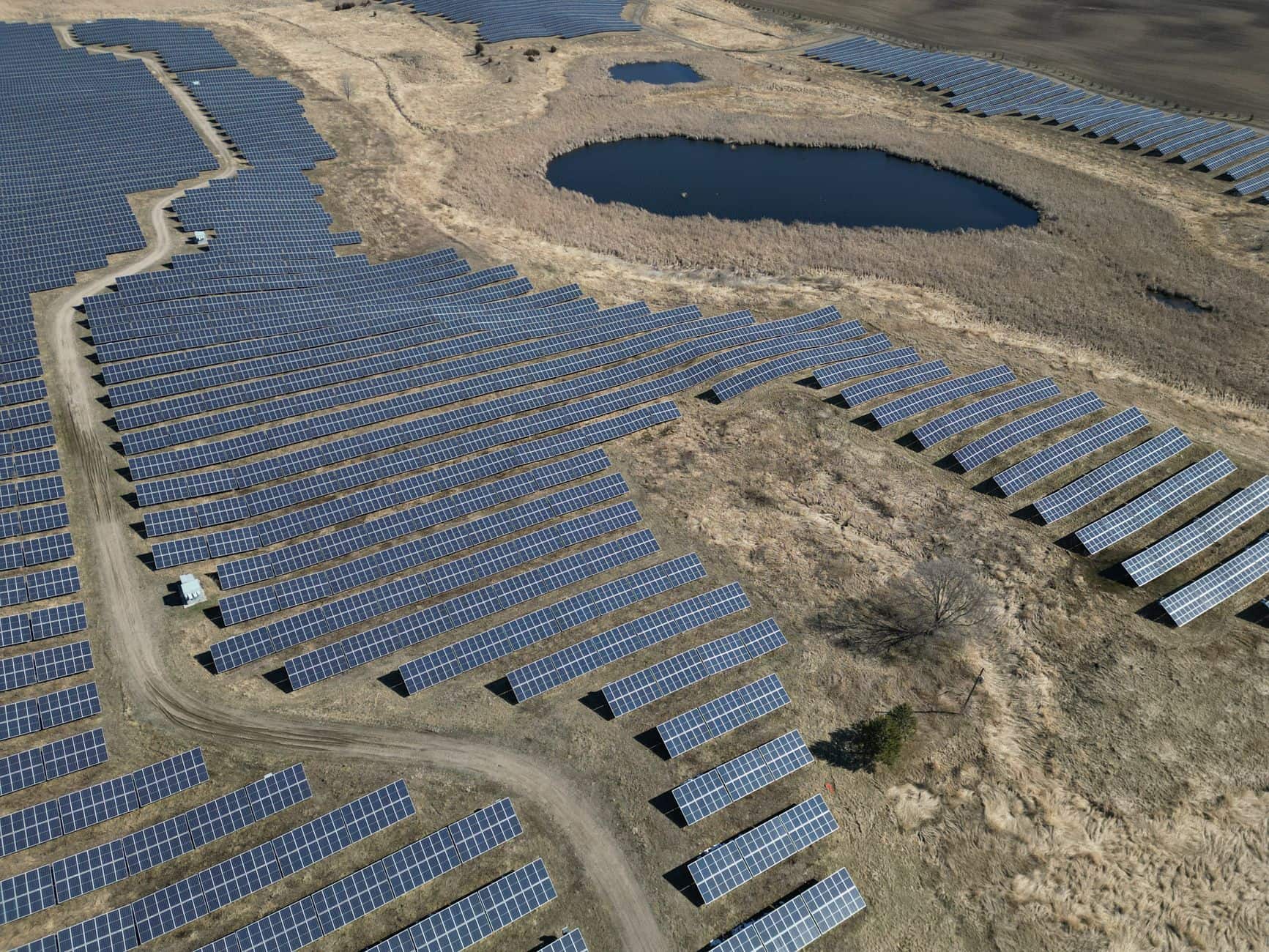
Baltic Utility Boosts Solar & Storage to 600 MW
Latvenergo aims to add 600 MW of new wind and solar by 2026 and is already developing over 250 MW of battery storage, a move that highlights how hybrid projects can boost renewable growth and grid stability.
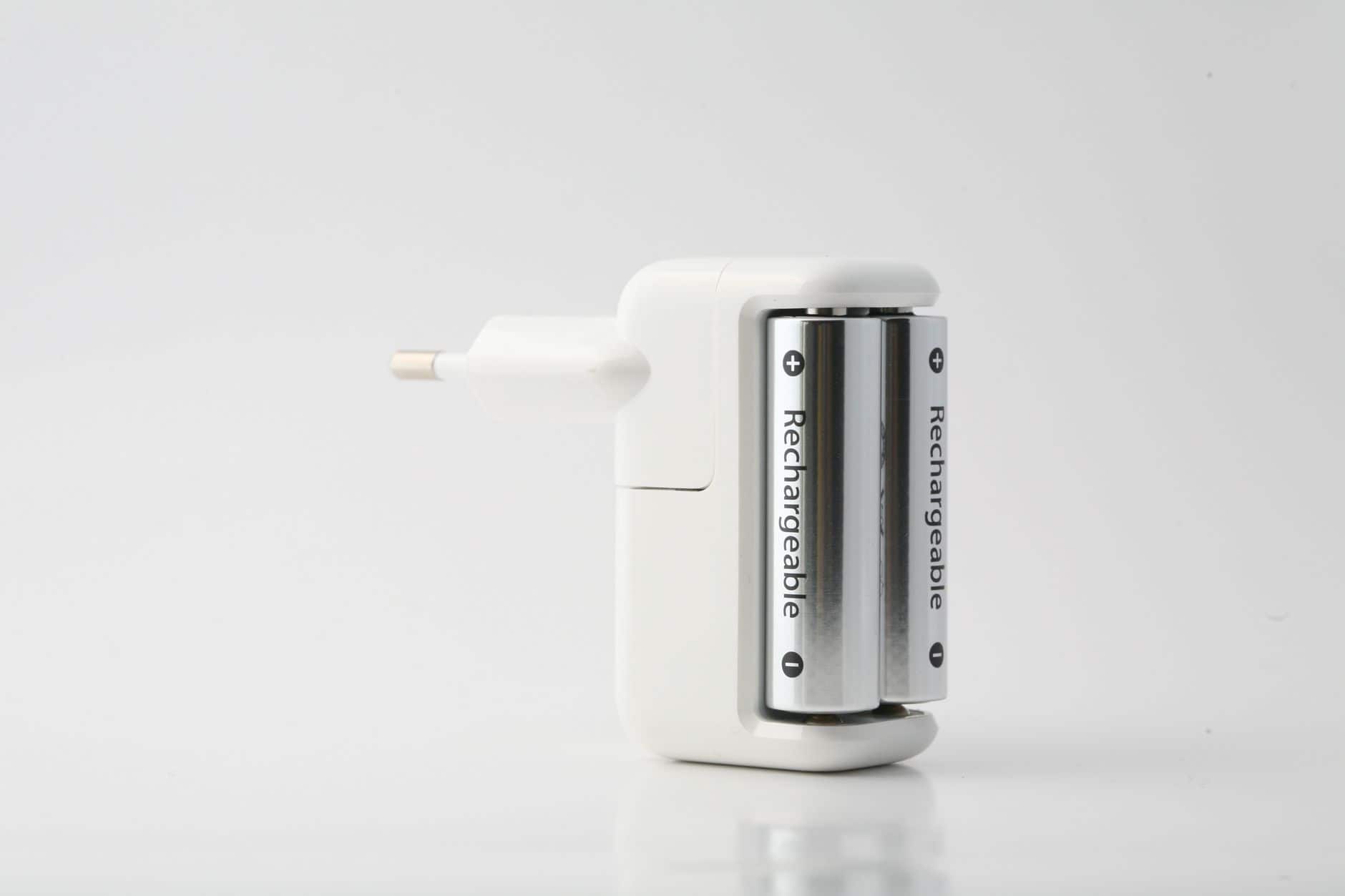
Plug‑in Battery Saves German Renters €120/yr
Rabot Energy’s plug‑in 2 kWh battery, sold at cost, lets German apartment renters save about €120 a year by charging during cheap grid periods and discharging at price spikes.

Thicker Battery Electrodes Boost Energy Density 15%
Fraunhofer ISE’s new thick‑film electrodes boost lithium‑ion, sodium‑ion and zinc‑ion cell energy density by up to 15 % without extra weight, while cutting production cost and eliminating PFAS chemicals.
HiNa Battery Secures 10 GWh Sodium‑Ion Deal in Korea
HiNa Battery signed a five‑year deal to supply South Korea’s Volta with up to 10 GWh of sodium‑ion batteries, expanding the earlier 15 MWh pilot and marking a major GWh‑scale order for the Korean market.
Fire‑Safe 5 MWh Battery Passes Full‑Scale Test
Great Power’s 5 MWh liquid‑cooled battery passed a 16‑hour full‑scale fire test without spreading flames, earning TÜV Rheinland certification and setting a new safety benchmark for large‑scale storage.