Markets
Solar & Storage: Ukraine’s Lifeline Amid War
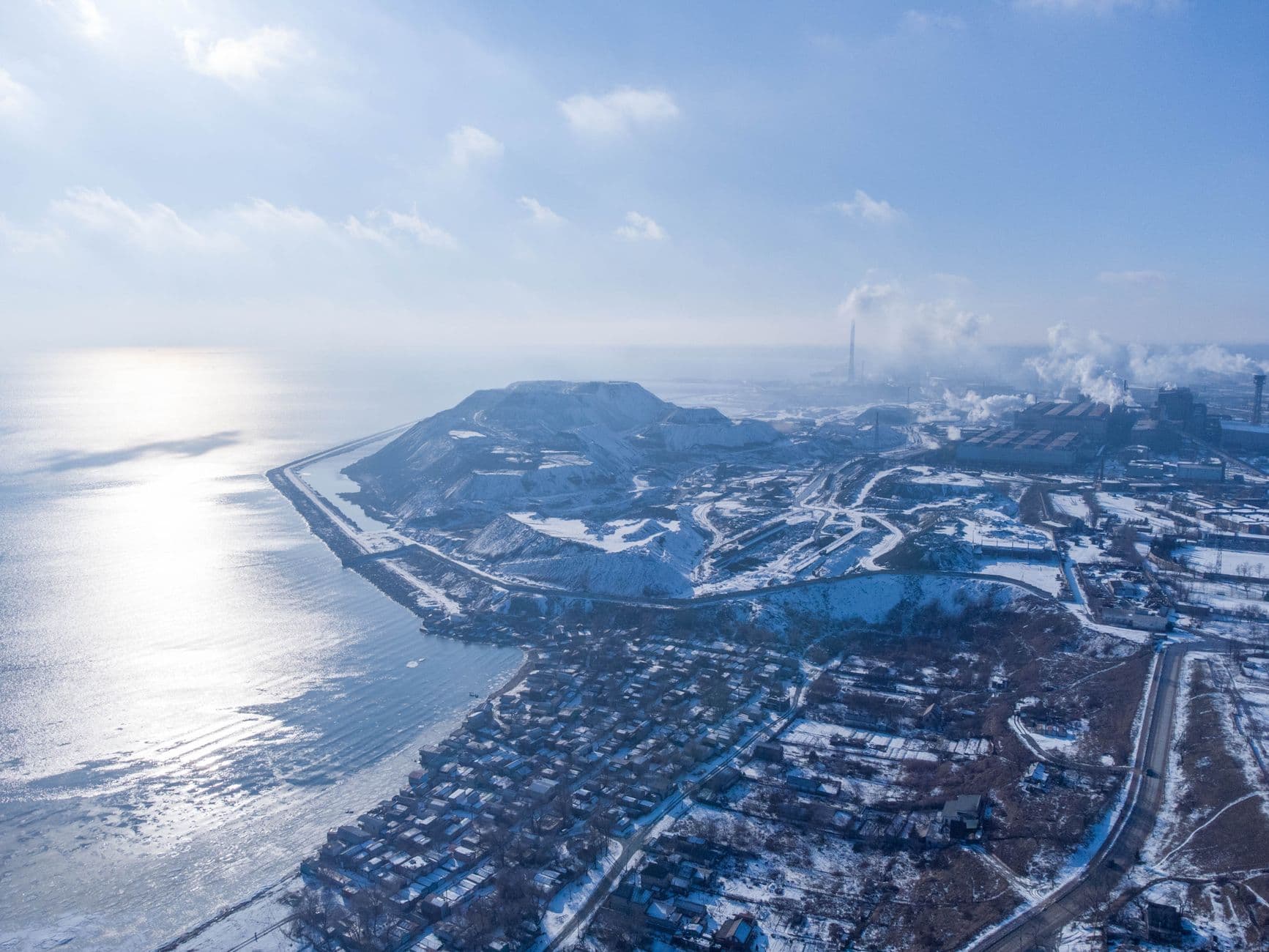
Ukraine’s solar capacity fell from 50 GW to under 10 GW
Ukraine’s generation capacity was dramatically reduced after the invasion, with many power plants destroyed, sites occupied and transmission lines severed. The scale of the loss was highlighted during a German‑Ukrainian green‑tech delegation visit in August 2026.
Solar now supplies about 10 % of Ukraine’s electricity
Despite the devastation, solar power has become an increasingly important part of Ukraine’s electricity mix. The delegation’s briefing noted that solar’s share has been rising as new rooftop and ground‑mounted farms come online.
Battery storage is booming – 2.9 GWh added in 2025
Ukraine has been rapidly expanding its battery storage capacity, adding a substantial amount in 2025 and becoming one of Europe’s larger storage markets. More than half of the newly installed capacity is distributed across households, schools, hospitals and other critical sites, while the remainder consists of larger grid‑support assets.
Decentralised solar & storage are now seen as “peace energy”
In Ukraine the term peace energy describes solar‑plus‑storage systems that keep lights on, communications running and heating functional when the central grid is knocked out. Unlike many European markets where storage is mainly a cost‑optimisation tool, Ukrainian installations are driven by security of supply and resilience – a direct response to frequent air‑raid alerts and diesel‑generator fatigue.
Opportunities for German solar firms are tied to partnership, not just product sales
German manufacturers see a large market, but success hinges on local collaboration. Delegates highlighted the need for Ukrainian partners who understand grid damage, snow‑load requirements and financing under wartime conditions. Export‑credit guarantees from the German government can de‑risk projects, yet they do not replace thorough due‑diligence and on‑the‑ground trust.
What it means for Israel – a quick pay‑back example
The Ukrainian push for decentralised solar mirrors a growing Israeli appetite for resilient rooftop systems. Using the typical Israeli figures (₪0.48/kWh residential tariff, ₪3 150/kWp install cost, 1 700 kWh/kWp · yr yield in the central region), a 10 kWp home system would generate about 17 000 kWh per year, worth roughly ₪8 160 annually. At a ₪31 500 upfront cost, the simple pay‑back is ≈3.9 years, after which the system delivers virtually free clean electricity for the remainder of its 25‑year life. This calculation shows that, even without war‑driven urgency, Israeli homeowners can achieve rapid financial returns while adding grid resilience – a narrative that resonates with Ukraine’s experience of “peace energy”. Readers can explore personalised ROI scenarios on our solar calculator or compare market data on our data hub.
FAQ
- Q: How much solar capacity did Ukraine lose after the invasion? A: A large portion of its pre‑war capacity was lost due to damage and occupation.
- Q: What share of Ukraine’s electricity now comes from solar? A: Solar now contributes a notable share of total generation.
- Q: How fast is battery storage growing in Ukraine? A: Storage capacity has been expanding rapidly, with a significant increase reported for 2025.
- Q: Why is solar‑plus‑storage called “peace energy” in Ukraine? A: Because it keeps essential services running during air‑raid alerts and grid outages.
- Q: What should German solar firms focus on to succeed in Ukraine? A: Building strong local partnerships, understanding wartime logistics, and leveraging export‑credit guarantees.
- Q: How quickly can an Israeli homeowner recoup a 10 kWp solar investment? A: Roughly 3.9 years under typical tariffs and installation costs.
Key facts
- A 10 kWp Israeli rooftop system can pay back in under 4 years.
FAQ
How much solar capacity did Ukraine lose after the invasion?
From over 50 GW before February 2022 to under 10 GW during the winter of 2022‑23.
What share of Ukraine’s electricity now comes from solar?
About 10 % of total generation.
How fast is battery storage growing in Ukraine?
2.9 GWh were added in 2025, a five‑fold jump from the previous year.
Why is solar‑plus‑storage called “peace energy” in Ukraine?
Because it keeps essential services running during air‑raid alerts and grid outages.
What should German solar firms focus on to succeed in Ukraine?
Building strong local partnerships, understanding wartime logistics, and leveraging export‑credit guarantees.
How quickly can an Israeli homeowner recoup a 10 kWp solar investment?
Roughly 3.9 years under typical tariffs and installation costs.
Share this post
More from Markets
6
South Korea to Add 3.5 GW Solar in 2026
South Korea will install about 3.5 GW of new solar capacity in 2026, surpassing the 3.1 GW added in 2025, as part of a broader push that includes community‑solar villages and line‑side storage.

US Tariffs Push Solar Module Prices Up
U.S. Section 232 tariffs are expected to modestly raise solar module prices, adding a small extra cost to Israeli rooftop systems and slightly extending payback times.
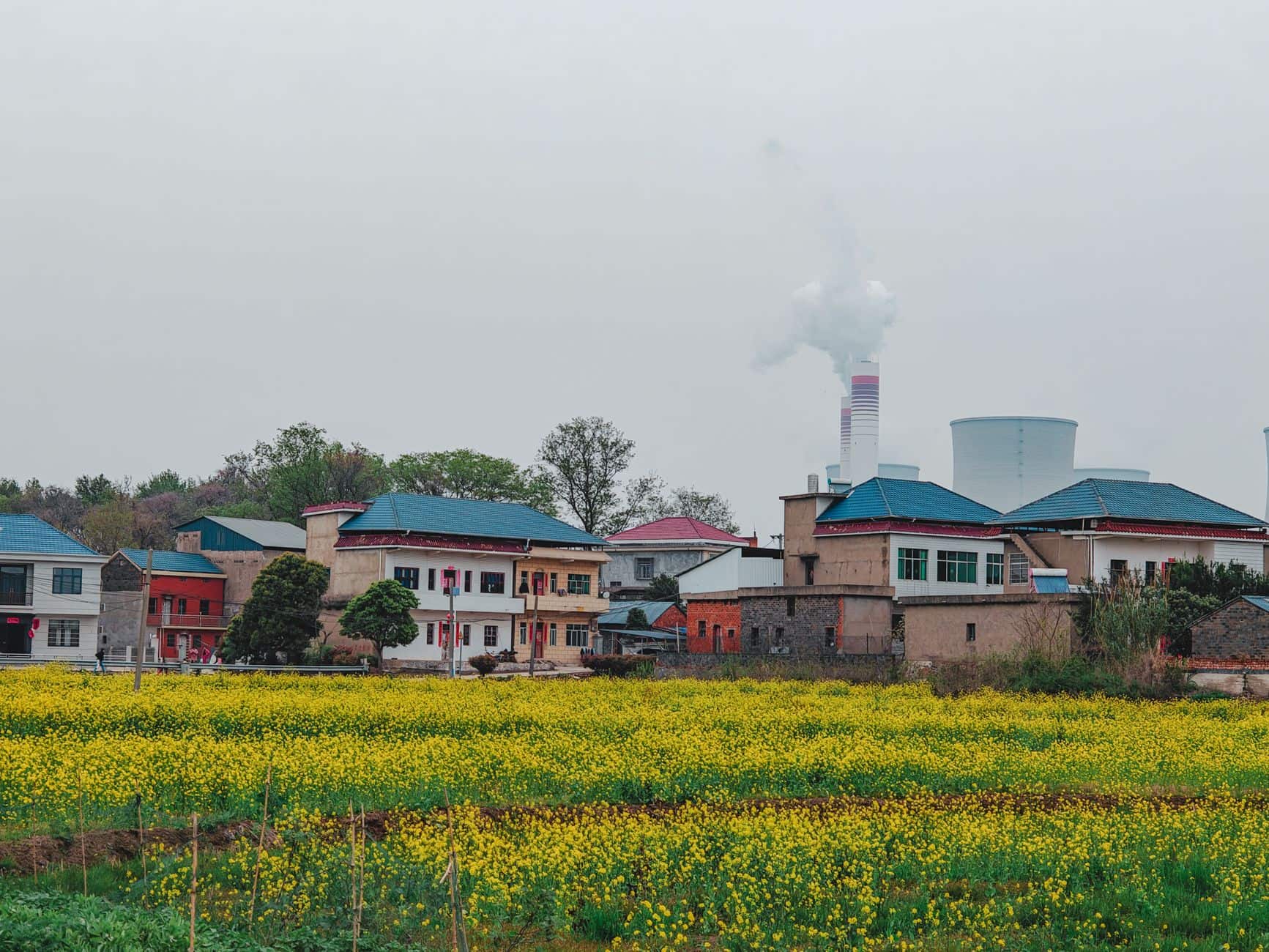
Tongwei Clears Antitrust Hurdle for Lihao Deal
Tongwei has received antitrust clearance to acquire Qinghai Lihao, a fast‑growing polysilicon producer, paving the way for expanded low‑carbon silicon capacity that could help lower solar‑module prices worldwide.
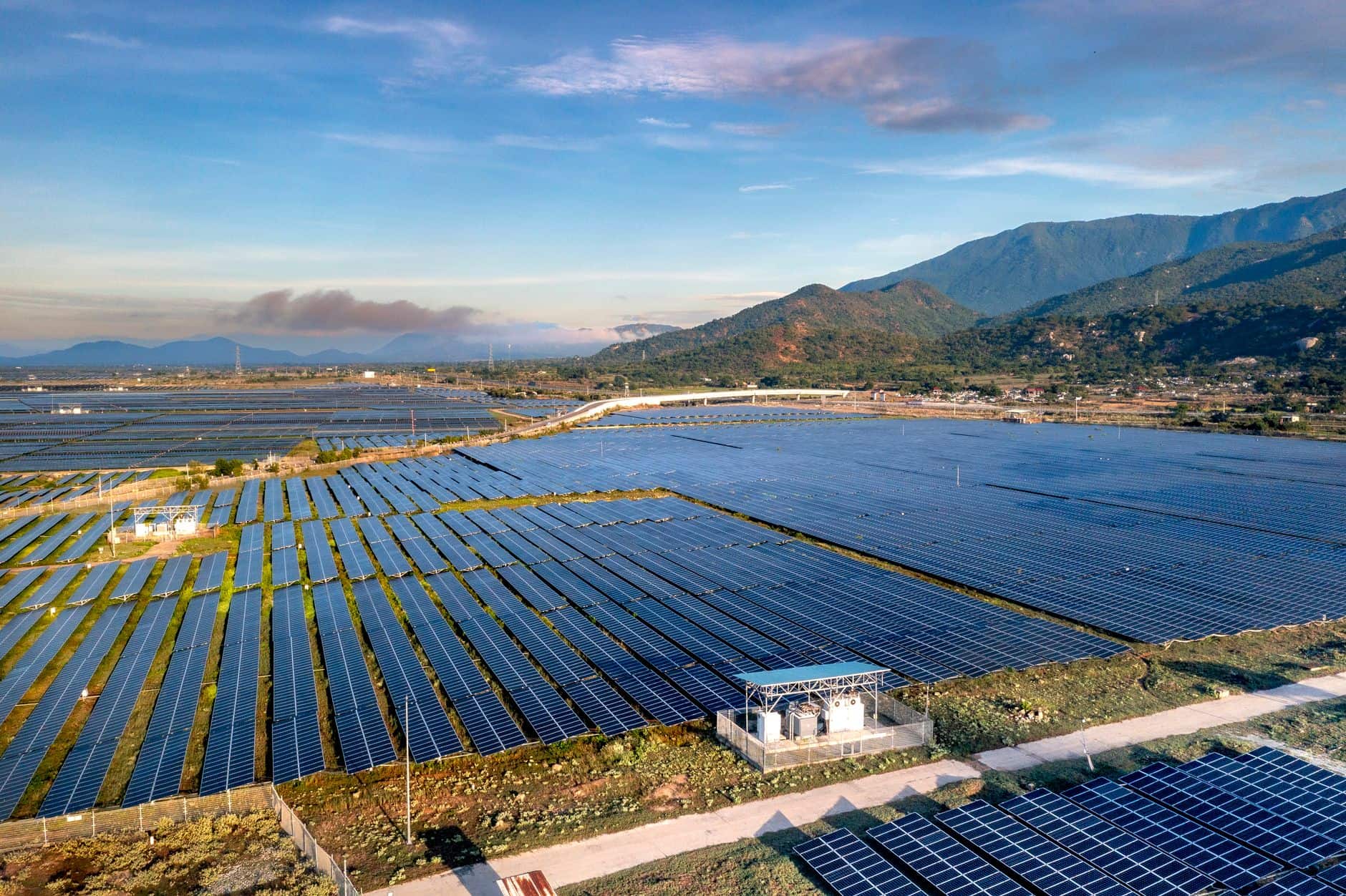
US Solar Adds 19.2 GW in H1 2026
The United States installed 19.2 GW of solar PV in the first half of 2026, driven mainly by a 61 % surge in utility‑scale projects, while residential solar slipped and permitting bottlenecks loom.
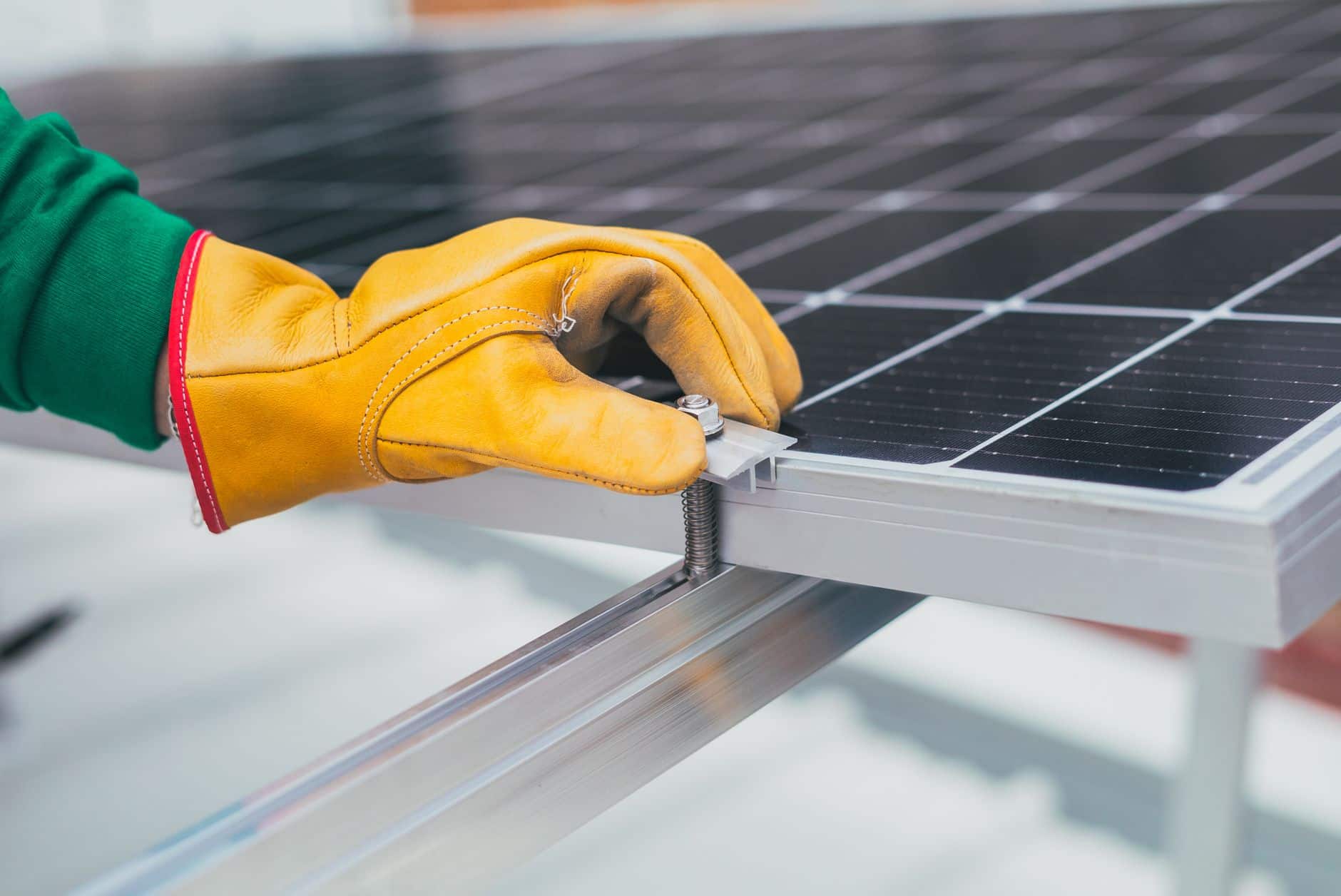
Chile’s Solar Curtailment Hits Record, Storage Ramps Up
Chile curtailed a record 2,680 GWh of solar and wind power in the first seven months of 2026, while battery storage capacity surged to over 2.6 GW, highlighting a growing flexibility gap.

Hormuz Crisis Sends Oil Prices 20% Higher
The Hormuz crisis has cut about 9 million barrels per day of oil, pushing Brent up 20 % and gas prices 40‑60 % higher, while making rooftop solar in Israel financially more attractive than ever.