Storage
Thicker Battery Electrodes Boost Energy Density 15%

Thicker Electrodes Add Up to 15% More Energy per Cell
The new electrode design demonstrated by Fraunhofer ISE can raise lithium‑ion, sodium‑ion and zinc‑ion cell energy density by 10‑15 % without adding weight. By coating the active material up to 800 µm thick – well beyond the conventional 100‑200 µm range – the cells store more energy while using the same amount of metal and polymer PV Magazine.
Production Simpler, Costs Lower
The consortium built the thick‑film electrodes with a dry, solvent‑free process that skips the wet‑coating step used in most factories today. Fraunhofer ISE says a pilot line would need far less space and energy, cutting capital outlays and operating costs – a win for small‑ and medium‑sized manufacturers looking to set up in Germany ESS News.
PFAS‑Free, Solvent‑Free Process Improves Sustainability
Unlike conventional electrode production that relies on per‑ and poly‑fluoroalkyl substances (PFAS) and toxic solvents, the new method is PFAS‑free and eliminates volatile organic compounds. This reduces hazardous waste and aligns the battery supply chain with stricter European environmental rules, a point highlighted by the research team’s partner universities and industry players.
Impact on Solar‑Power Storage
A battery built with the thicker electrodes would store roughly 15 % more energy for the same weight, which could translate into additional savings for Israeli households at the residential tariff. The extra stored energy would improve self‑consumption and modestly reduce electricity purchases.
What It Means for Israel
Israel’s residential solar tariff is about ₪0.48/kWh and a typical 10 kWp rooftop system costs roughly ₪31,500 (≈₪3,150/kWp). Pairing that system with a battery that delivers 15 % more usable energy means the same storage investment yields more self‑consumption, shaving a few hundred shekels off the annual electricity bill and slightly improving the overall payback of a solar‑plus‑storage package. Readers can explore a detailed ROI with our solar calculator and compare market data on our data page.
Looking Ahead
Fraunhofer ISE’s thick‑film electrodes are already being trialed in pouch‑cell prototypes and are slated for scale‑up under the VORAN, INFAB and WinZIB2 projects. If the German government backs local cell factories, Europe could secure a home‑grown supply of higher‑density, greener batteries – a development that will ripple through solar‑plus‑storage projects worldwide, including Israel’s push toward a 30 % renewable electricity mix by 2030.
Sources: PV Magazine, ESS News, CleanTechnica.
FAQ
How much more energy can a battery store with the new electrodes?
The thick‑film design adds roughly 10‑15 % more energy per cell, so a 10 kWh pack becomes about 11.5 kWh.
Does the new process use harmful chemicals?
No. It is PFAS‑free and solvent‑free, removing the toxic solvents common in traditional electrode coating.
Will the thicker electrodes increase battery weight?
No. The electrodes are heavier per unit area, but the overall cell weight stays the same because fewer current collectors are needed.
What does this mean for home solar owners in Israel?
More storage capacity means higher self‑consumption of solar power, shaving a few hundred shekels off the yearly electricity bill and shortening the payback of a solar‑plus‑storage system.
Is the technology ready for mass production?
Fraunhofer ISE says the design was created with mass production in mind and a pilot line would be simpler and cheaper than current wet‑coating lines.
Share this post
More from Storage
6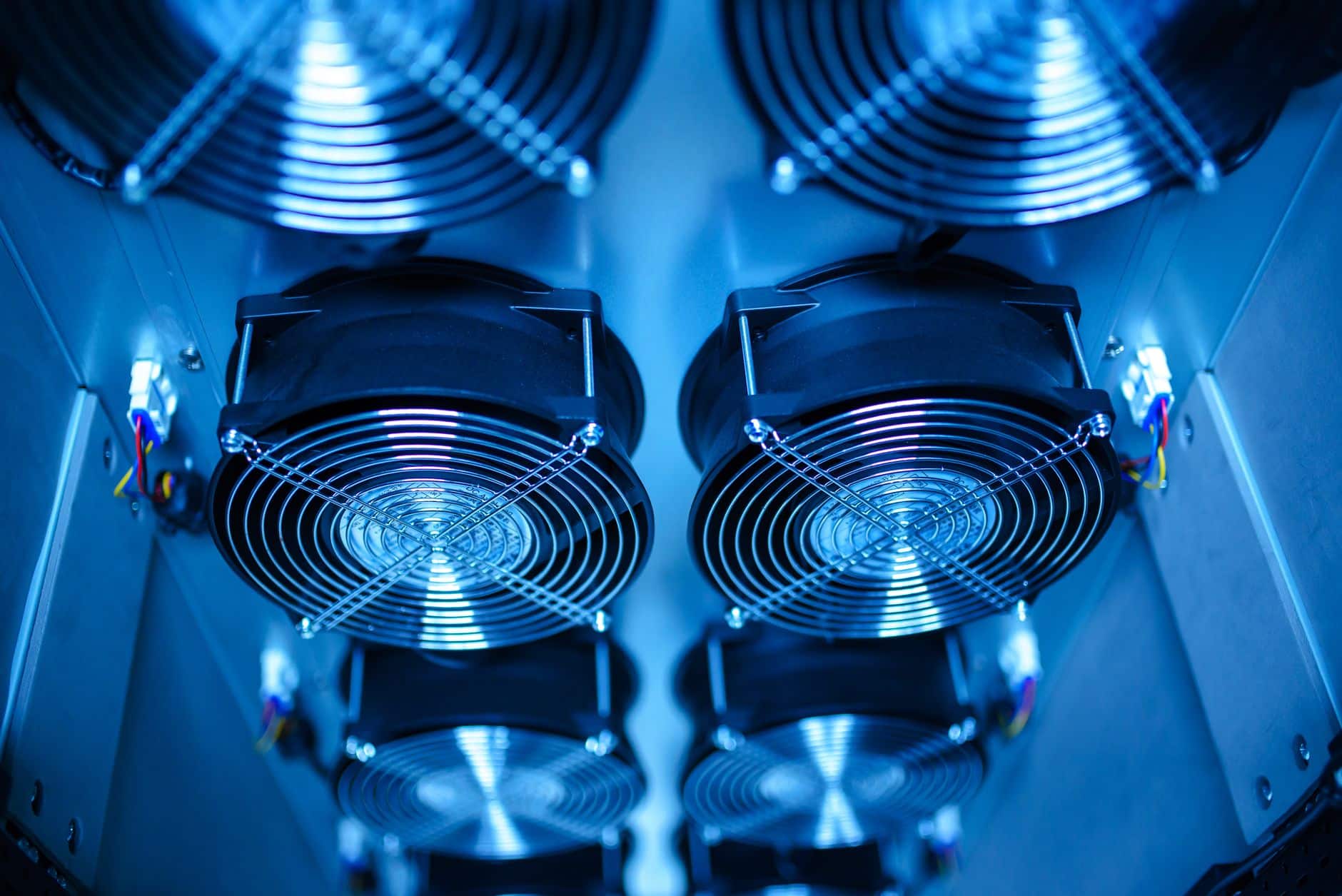
BESS Gains Speed Edge in Data Centers
BESS now beats gas generators on speed‑to‑power and cost per MWh for data centers, but still lags on long‑duration backup and continuous prime power.
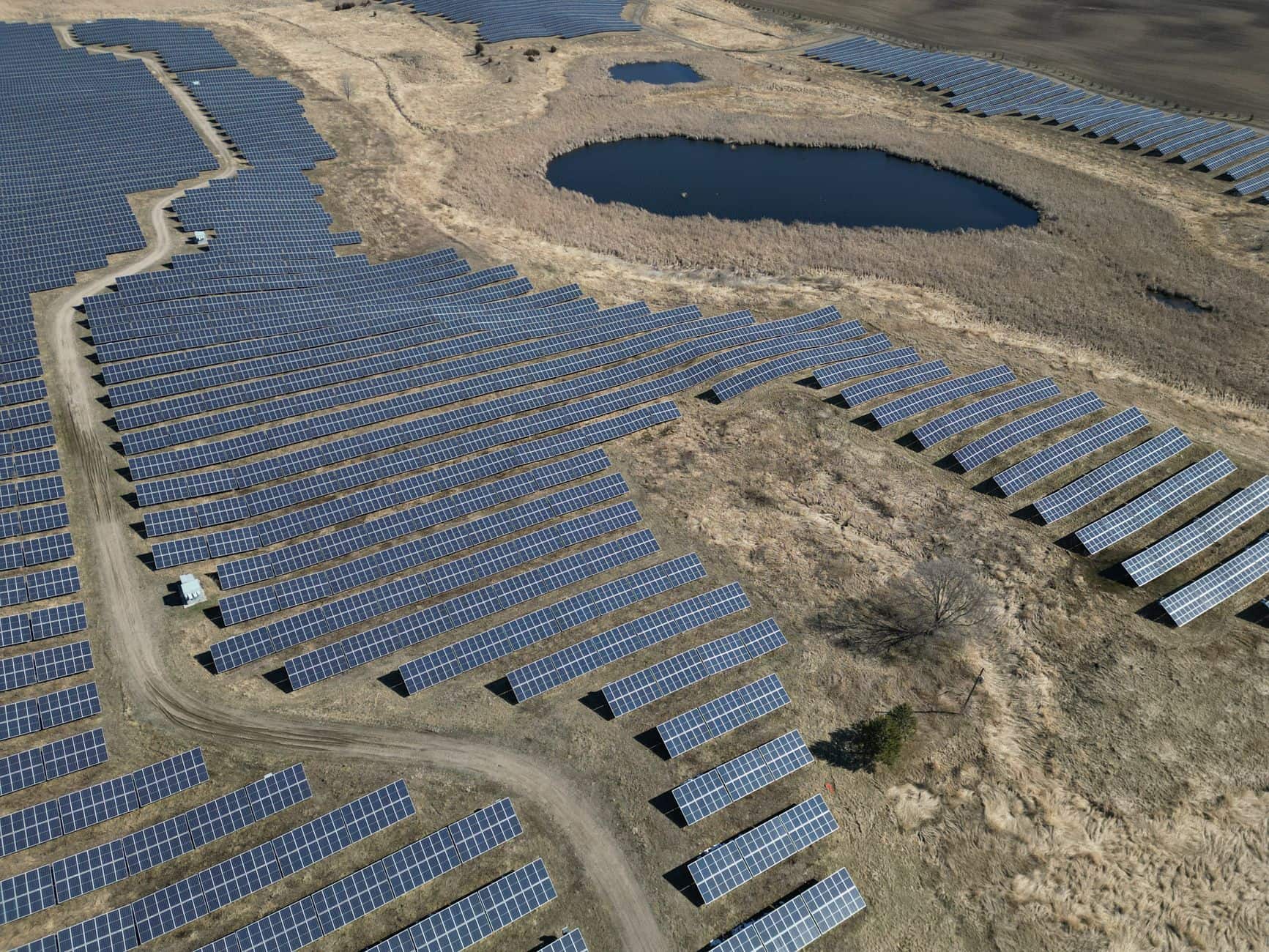
Baltic Utility Boosts Solar & Storage to 600 MW
Latvenergo aims to add 600 MW of new wind and solar by 2026 and is already developing over 250 MW of battery storage, a move that highlights how hybrid projects can boost renewable growth and grid stability.
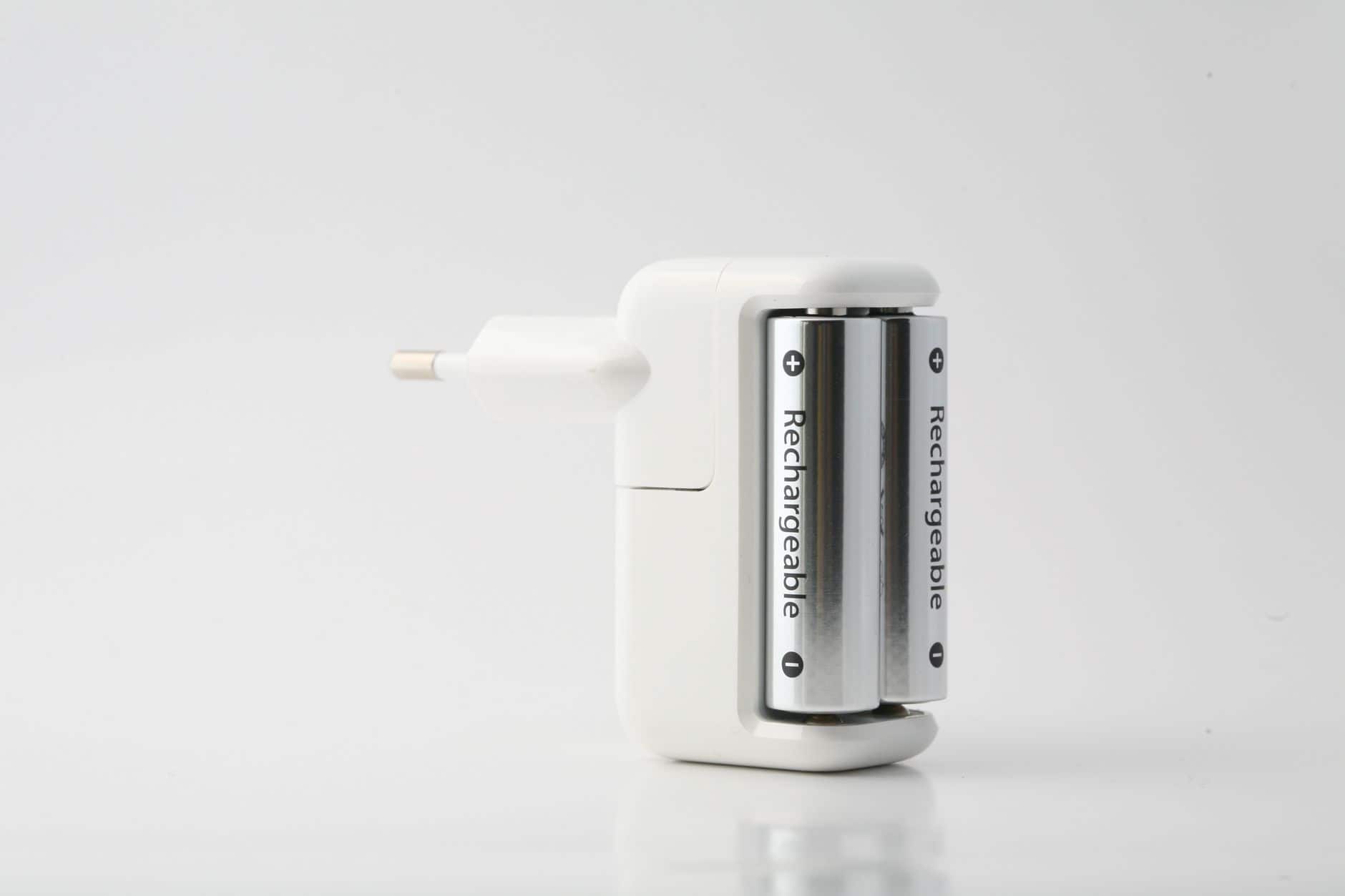
Plug‑in Battery Saves German Renters €120/yr
Rabot Energy’s plug‑in 2 kWh battery, sold at cost, lets German apartment renters save about €120 a year by charging during cheap grid periods and discharging at price spikes.
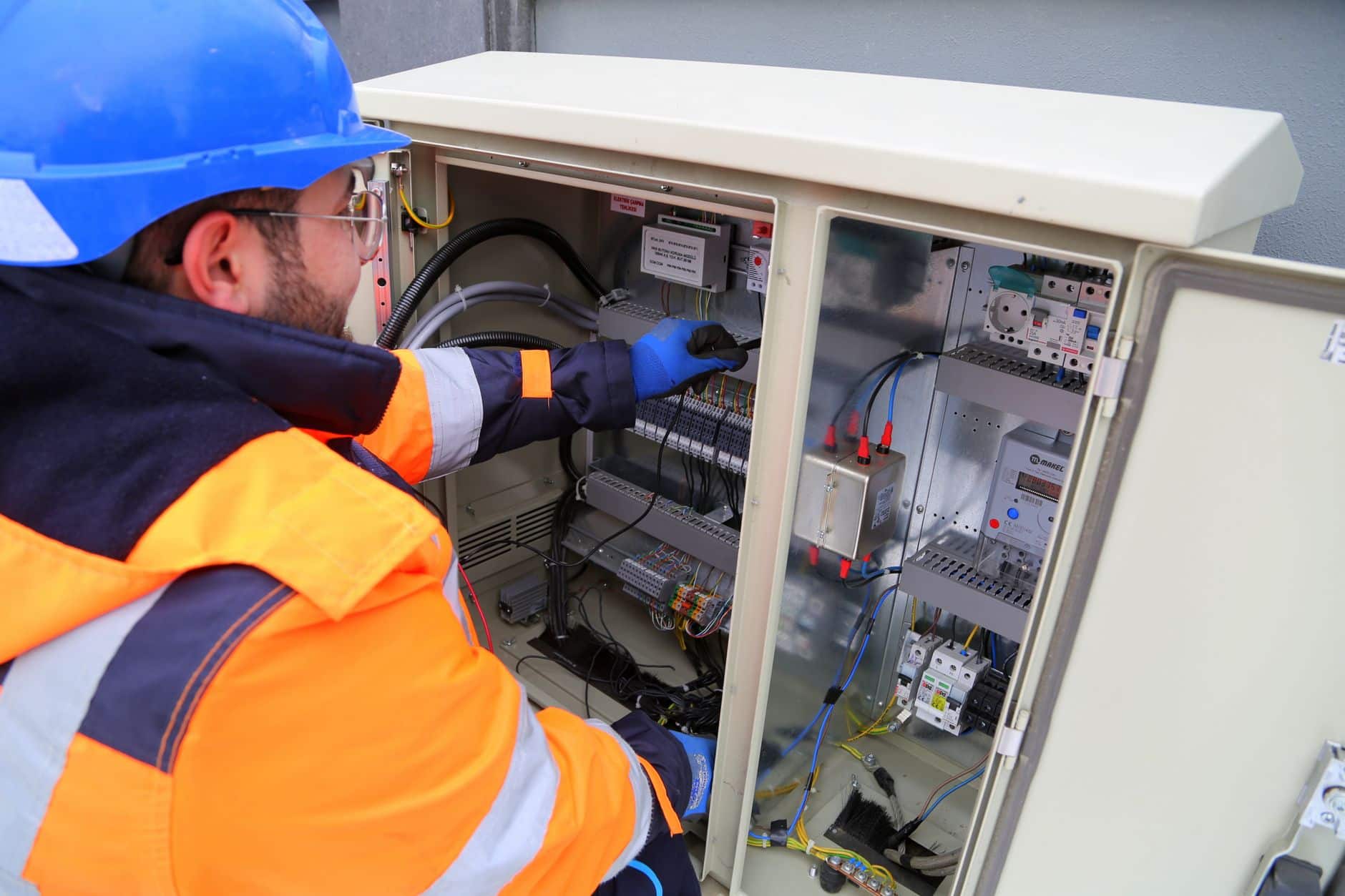
Sungrow Chooses Samsung SDI Cells US Storage
Sungrow will source Samsung SDI LFP battery cells for its U.S. energy‑storage systems, a three‑year, multi‑gigawatt‑hour deal aimed at bypassing China‑linked supply‑chain restrictions.
HiNa Battery Secures 10 GWh Sodium‑Ion Deal in Korea
HiNa Battery signed a five‑year deal to supply South Korea’s Volta with up to 10 GWh of sodium‑ion batteries, expanding the earlier 15 MWh pilot and marking a major GWh‑scale order for the Korean market.
Fire‑Safe 5 MWh Battery Passes Full‑Scale Test
Great Power’s 5 MWh liquid‑cooled battery passed a 16‑hour full‑scale fire test without spreading flames, earning TÜV Rheinland certification and setting a new safety benchmark for large‑scale storage.