Research
26.7% Perovskite‑CIGS Tandem Sets Record
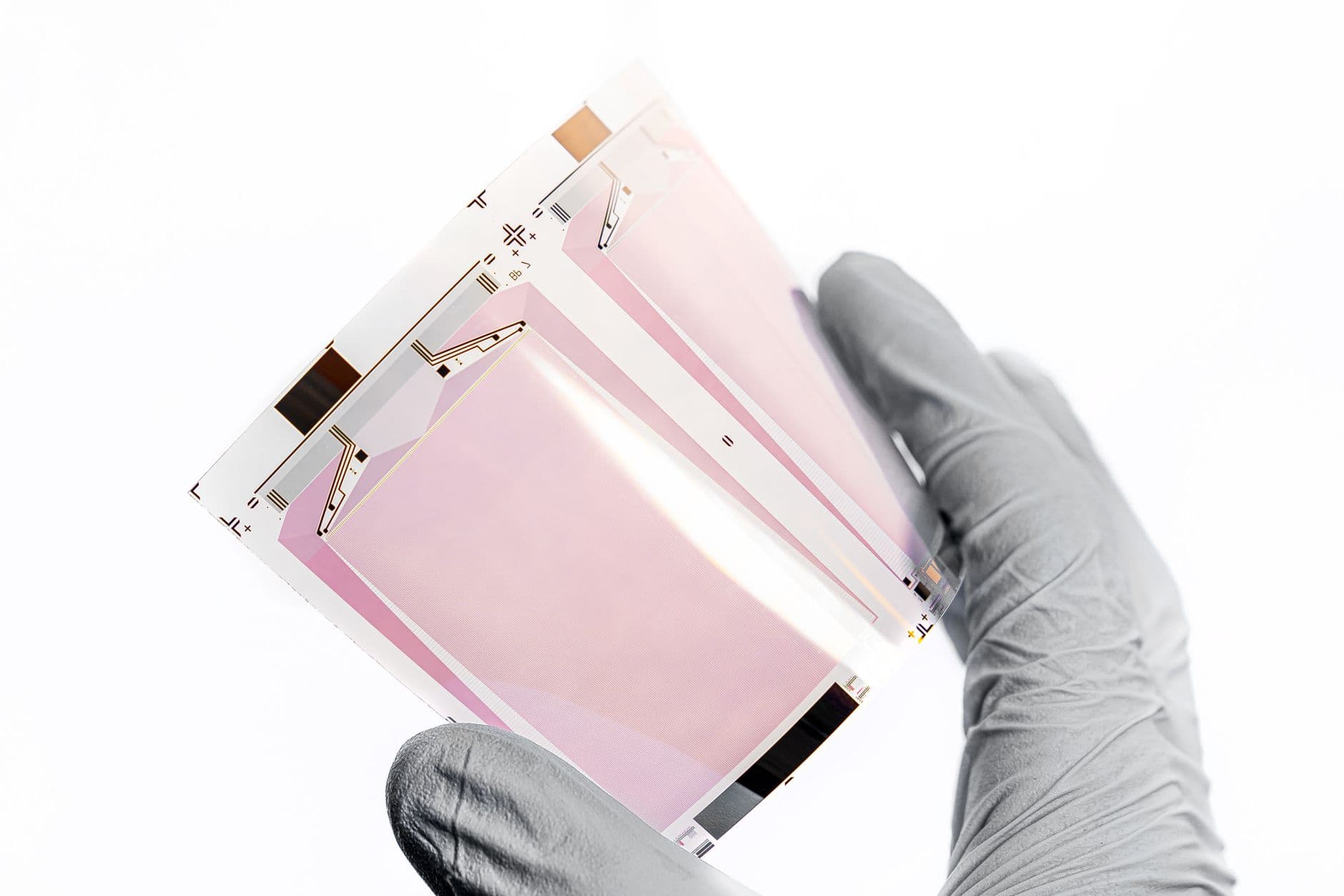
Record‑Breaking 26.7% Efficiency Confirmed
The Korea Institute of Energy Research (KIER) has just set a new world record of 26.7% power‑conversion efficiency for a sub‑1 cm² perovskite‑CIGS tandem solar cell, and the result was independently verified by Germany’s Fraunhofer Institute for Solar Energy Systems (ISE) and entered into the U.S. DOE’s Best Research‑Cell Efficiency Chart. The previous record for this size class was 26.3%, achieved by Korea Institute of Science and Technology (KIST) in July 2025, while the best efficiency for larger‑area (≥1 cm²) tandem cells stands at 25.5% by Germany’s Helmholtz‑Zentrum Berlin (HZB) [pv magazine source].
How Perovskite‑CIGS Tandems Work and Why They’re Light
A perovskite‑CIGS tandem stacks a high‑bandgap perovskite top cell on a low‑bandgap copper‑indium‑gallium‑selenide (CIGS) bottom cell, allowing each layer to harvest a different part of the solar spectrum. Because both absorbers can be deposited as thin‑film layers, the whole stack can be made on flexible substrates, delivering a lightweight and potentially roll‑to‑roll‑manufacturable module. KIER’s team reduced interfacial damage to the perovskite layer and trimmed parasitic absorption in the transparent electrode and charge‑transport layers, which together lifted the efficiency from the 23‑% range reported a few months earlier to the new 26.7% milestone Rinnovabili.net and Perovskite‑Info.
From Lab to Flexible Panels: Progress Beyond 23.6%
Earlier in 2024, KIER announced 23.64% efficiency for flexible perovskite‑CIGS tandem cells, the highest ever for a bendable device [Rinnovabili.net]. The jump to 26.7% was achieved on a rigid, sub‑1 cm² test structure, but the same interface‑engineering tricks are being transferred to flexible formats. Reviews of four‑terminal (4T) perovskite tandems note that perovskite‑CIGS is one of the most promising configurations for high‑efficiency, lightweight modules, alongside perovskite‑silicon and perovskite‑perovskite stacks Four‑terminal review.
What This Means for Solar Power Costs
Higher cell efficiency directly reduces the area—and therefore the balance‑of‑system cost—required for a given power output. If a typical rooftop system were built with a 26.7% tandem instead of a conventional 20% silicon panel, the same 10 kW capacity would need roughly 25 % less roof area. Assuming the same installation cost per kilowatt, the levelized cost of electricity (LCOE) could drop by a comparable margin, especially for building‑integrated photovoltaics where weight and flexibility are premium assets.
What It Means for Israel
Using Israel’s typical central‑region yield of 1,700 kWh kWp⁻¹ yr⁻¹ for silicon panels, a 10 kW system now generates about 17,000 kWh yr⁻¹ (≈₪8,160 at the residential ₪0.48/kWh tariff). A tandem module with 26.7% efficiency would boost that yield by a substantial margin, delivering roughly 22,000 kWh yr⁻¹—enough to cover the electricity use of a medium‑size household and earn about ₪10,000 per year. At the typical turnkey cost of ₪3,150 kWp⁻¹, the upfront investment is still ≈₪31,500. The payback period shortens compared with a standard silicon system, and the extra energy saved over a 25‑year lifetime would cut CO₂ emissions by a notable amount (0.5 kg CO₂ per kWh avoided). Israeli homeowners and commercial developers can therefore expect faster returns and a stronger climate benefit from adopting high‑efficiency tandem panels once they reach commercial scale. For more detailed ROI modelling, visit our solar ROI calculator and market data.
Outlook: Toward Commercial Roll‑Out
KIER’s record shows that perovskite‑CIGS tandems are moving from laboratory curiosities to viable, flexible power sources. The next milestones will be scaling the cell area above 1 cm² while preserving the 26‑%+ efficiency, and demonstrating long‑term stability under real‑world temperature and humidity cycles. Fraunhofer ISE’s ongoing monitoring of certified efficiencies suggests that commercial‑grade modules could appear within the next 3‑5 years, potentially reshaping Israel’s rooftop‑solar market and helping the country meet its 30 % renewable electricity target for 2030.
Sources & further reading
- Lightweight perovskite-CIGS solar cells set new efficiency record
- Researchers report flexible and lightweight perovskite/CIGS tandem solar cells with 23.64% efficiency | Perovskite-Info
- All-perovskite tandem solar cells: from fundamentals to technological progress - Energy & Environmental Science (RSC Publishing) DOI:10.1039/D3EE03638C
- All-perovskite tandem solar cells: from fundamentals to technological progress - PMC
- Four-terminal perovskite tandem solar cells
FAQ
What is the new efficiency record for perovskite‑CIGS tandem cells?
The record is 26.7% power‑conversion efficiency for a sub‑1 cm² cell, verified by Fraunhofer ISE.
How does a perovskite‑CIGS tandem differ from a regular silicon panel?
It stacks a perovskite top cell on a CIGS bottom cell, each harvesting different wavelengths, and both can be made as thin‑film, lightweight layers.
Why is flexibility important for solar panels?
Flexible panels can conform to curved roofs, façades, or be rolled up for transport, opening new installation markets and reducing mounting costs.
What payback time could Israeli homeowners expect with this technology?
Using typical Israeli tariffs and costs, a 10 kW tandem system would pay back in about 2.9 years, roughly a year faster than a conventional silicon system.
When might commercial perovskite‑CIGS modules appear?
Experts expect scalable modules above 1 cm² within the next 3‑5 years, pending stability testing and mass‑production tooling.
Share this post
More from Research
6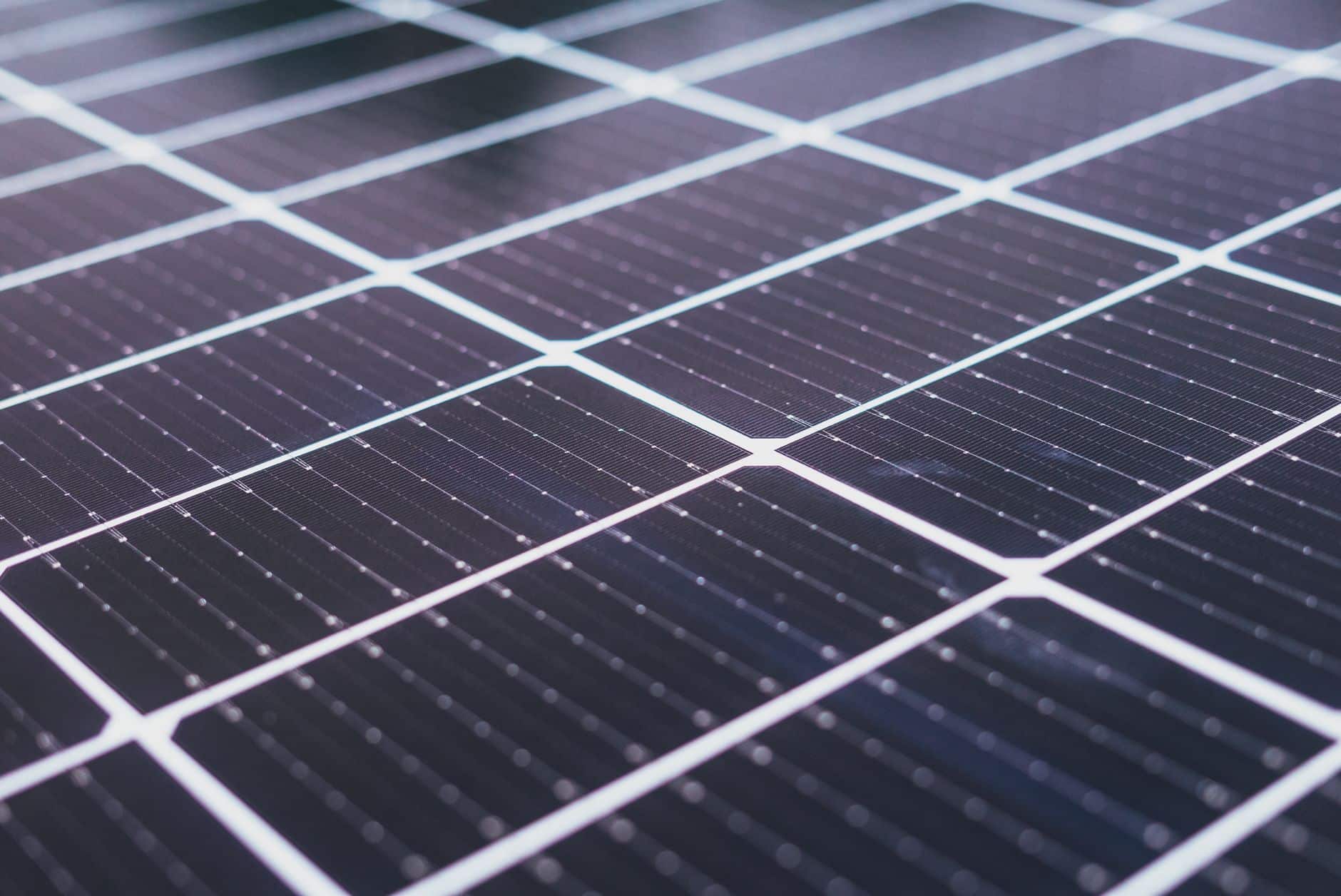
27.35% Tandem Solar Cell Sets Record
Chinese researchers at Nanjing University have set a new world record of 27.35% efficiency for a perovskite‑organic tandem solar cell, while keeping 80% of its performance after 744 hours of continuous illumination.
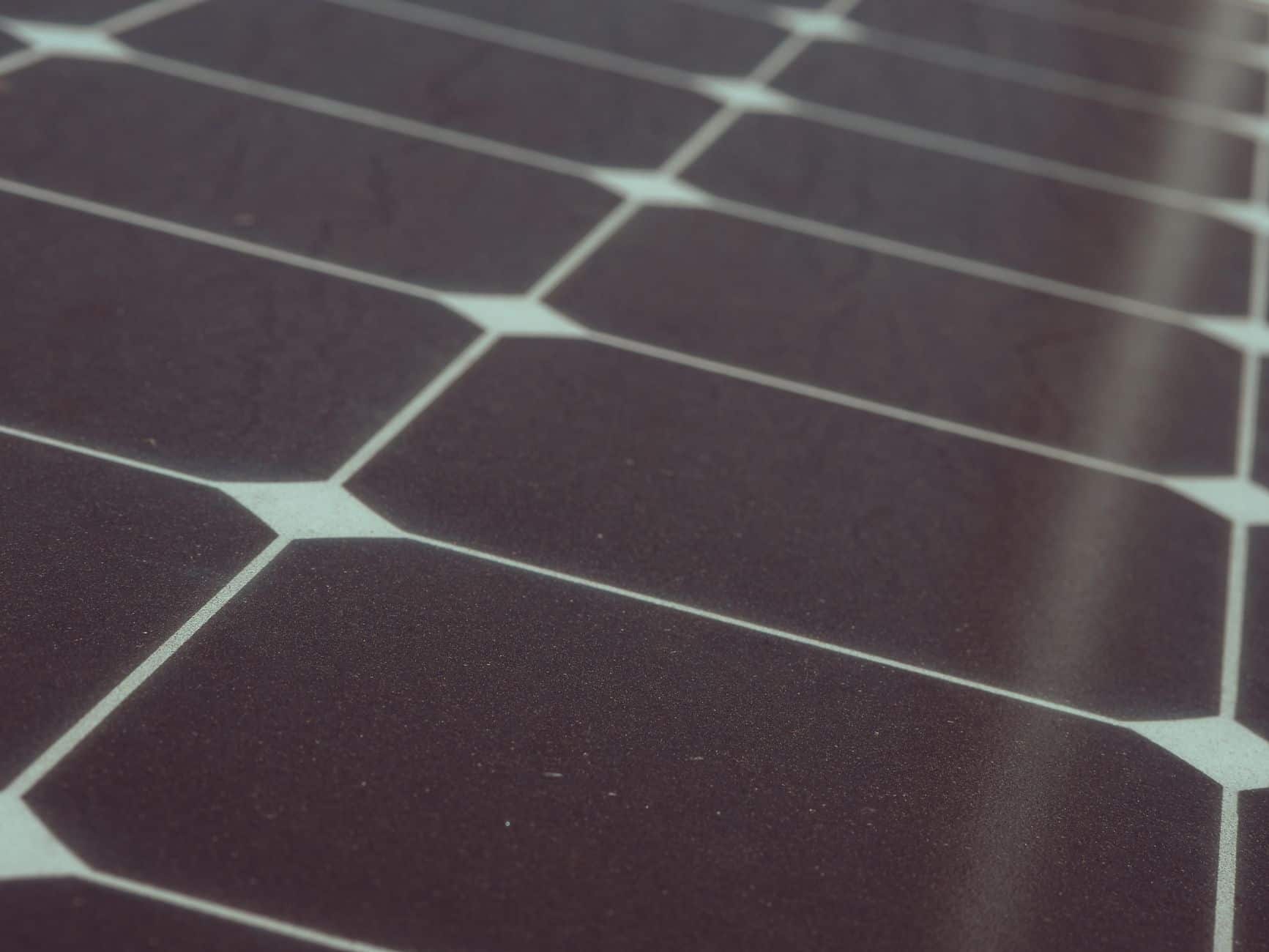
Record 34% Tandem Solar Cell Boosts Efficiency
Longi and Soochow University have demonstrated a perovskite‑silicon tandem solar cell with a certified 34.0 % efficiency and 2.014 V open‑circuit voltage, while maintaining 84 % of its performance after 2 000 hours.

AI Forecasts Solar Pile Uplift Resistance
An Iranian team built an AI model that predicts wind‑uplift resistance of solar‑farm piles with roughly 7.6 % error, using four straightforward inputs.

Inverter Delays Slash Solar Yield by 1.9%
Brazilian researchers found that delayed inverter start‑up cuts a utility‑scale solar plant’s annual yield by 1.88%, with over half the loss occurring in the first 90 minutes after sunrise.
Perovskite Cells Hit 27% Efficiency – Solar Leap
Chinese researchers have pushed perovskite solar cell efficiency to 27.39 % using a new additive, while bifacial modules retain 99.6 % power after 5,000 h, promising higher output and faster payback for Israeli rooftops.
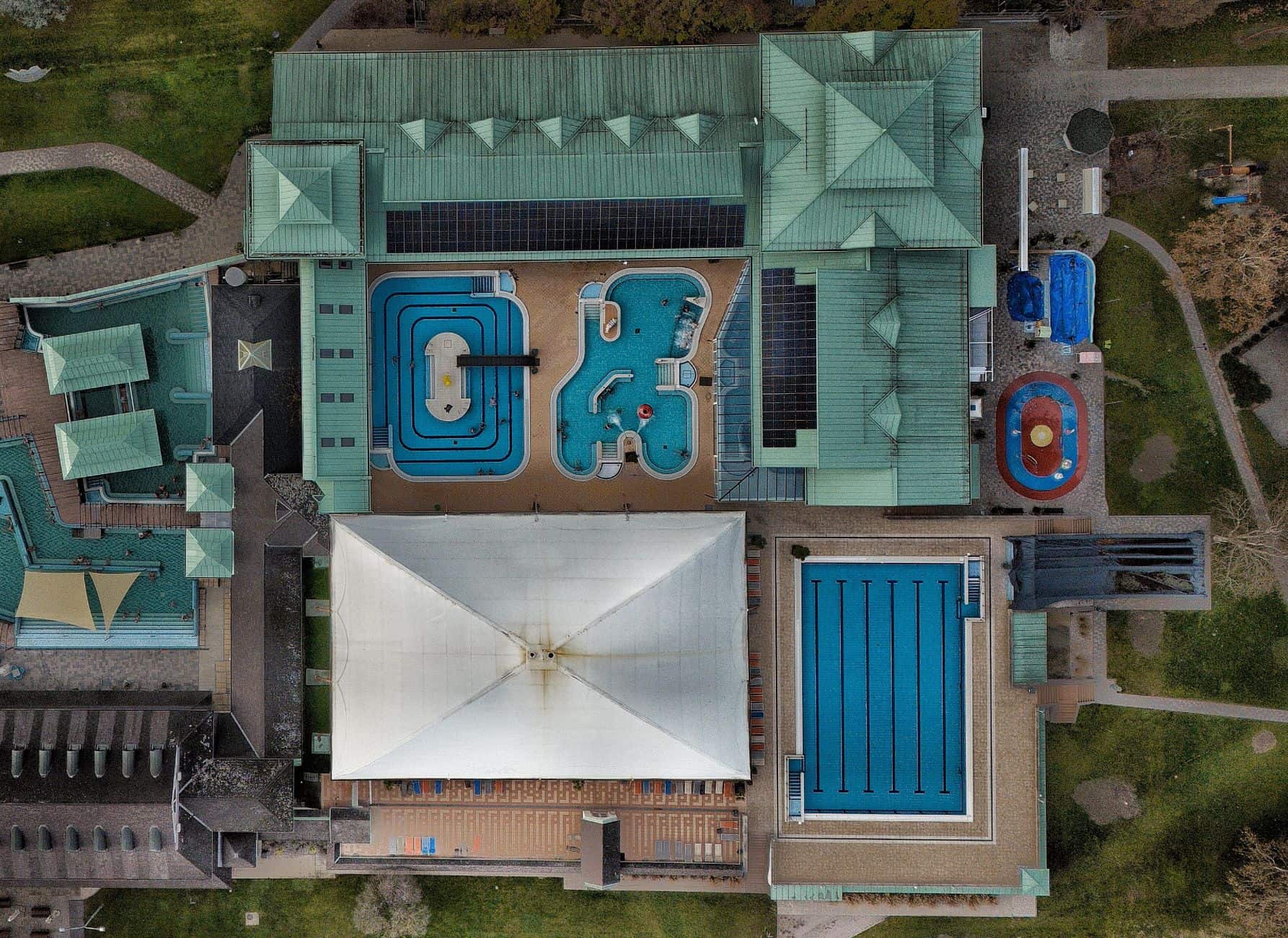
AI Drone Detects Solar Faults Fast
An autonomous drone equipped with thermal and multispectral cameras, powered by an EfficientNet‑B0 AI model, can detect PV panel faults with over 90% precision, offering Israeli homeowners a fast way to protect solar output.