Policy
Swiss Agrivoltaics: Why They’re Still Missing
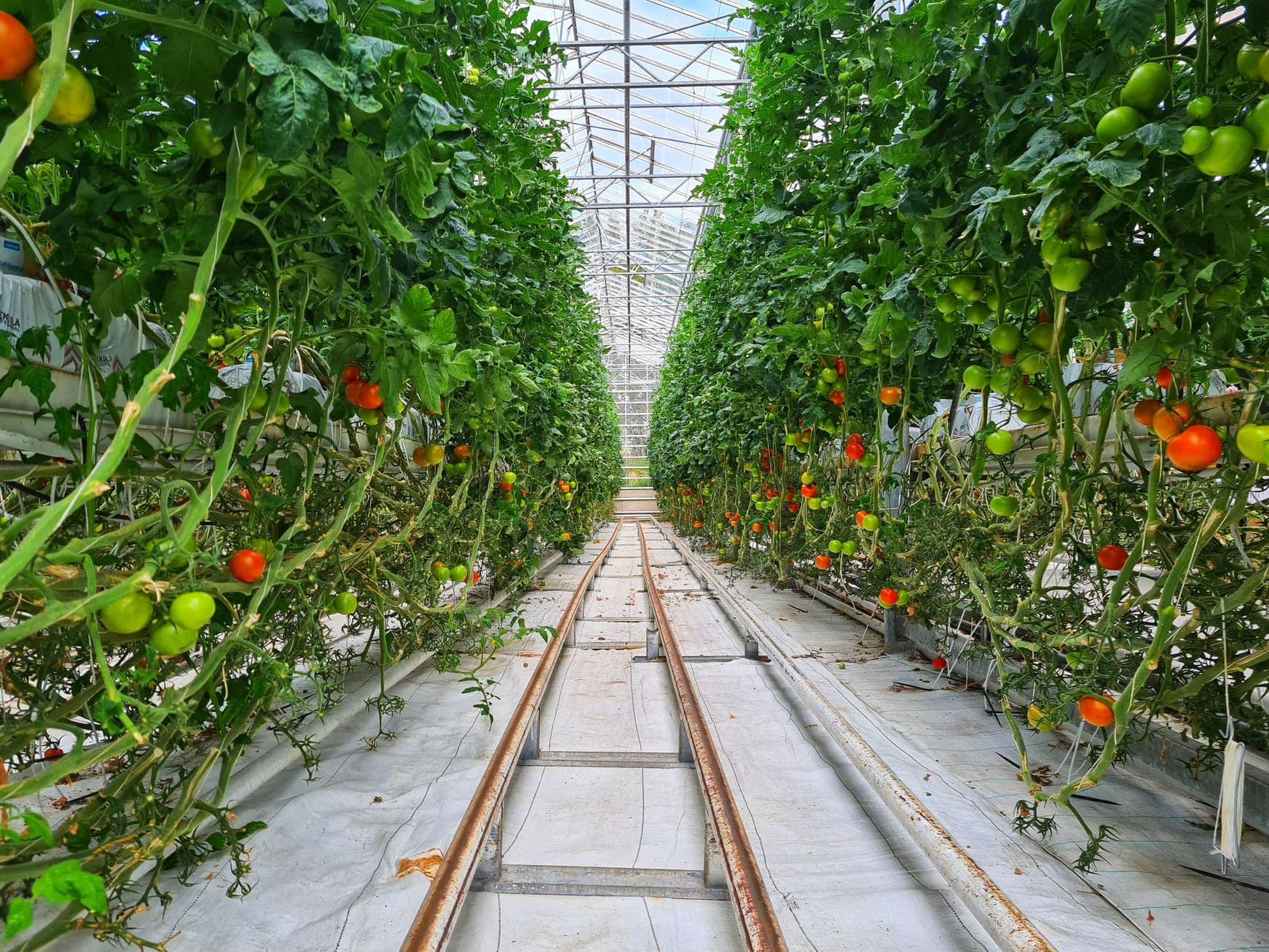
Agrivoltaics barely exist in Switzerland – 0 % of PV capacity today
Switzerland’s ground‑mounted solar installations make up only 0.1 % of total PV capacity, while agri‑PV (agrivoltaics) accounts for virtually 0 % – the report rounds it down to zero. In concrete terms, fewer than 100 agrivoltaic sites are operating, most of them research pilots, according to a 2024 ZHAW survey.
The untapped potential could double Swiss electricity demand
The ZHAW study estimates a theoretical annual generation potential of 323 TWh for agrivoltaics. Even when limiting sites to a maximum of 300 m from the nearest grid connection, the figure stays at 113 TWh – roughly twice Switzerland’s recent electricity consumption (≈ 60 TWh) and far above the 45 TWh target for 2050. By contrast, the country’s 8.2 GW of installed PV produced just 8.2 TWh in 2025, meaning annual capacity additions of 2–2.5 GW would be needed to meet the Energy Act goals.
Legal and administrative rules choke growth
Switzerland’s Spatial Planning Act (Article 24) mandates that any solar use on agricultural land must not impair agricultural production and should provide a benefit to farming or research. This “benefit‑first” clause makes it hard to justify even modest installations. Adding to the hurdle, about half of Swiss farmland is leased, creating uncertainty over who can grant permission. The combination of strict land‑use rules and fragmented cantonal authority has kept agrivoltaic projects at a research‑only stage.
Investment certainty and incentives are missing
Current support schemes are tuned to rooftop PV and do not address the specific cash‑flow profile of agrivoltaics. The ZHAW report recommends adapting the sliding market premium used in auctions since 2025, or adding a dedicated premium for agrivoltaic projects – similar to the premiums already granted for parking‑area PV and steep‑tilt systems. Without clear, long‑term revenue guarantees, investors see agrivoltaics as too risky.
Neighbouring countries are already ahead
Germany, France, Italy and Austria have significantly higher agrivoltaic deployment thanks to clearer regulations, dedicated funding streams, and strong farmer participation models. The Swiss report urges policymakers to study these markets and avoid repeating their early‑stage mistakes, such as ambiguous permitting processes or insufficient subsidy frameworks.
What it means for Israel – a quick look at agrivoltaic economics
Israel already enjoys high solar irradiance and a mature rooftop market, but agrivoltaics could unlock additional land‑based generation while preserving agriculture. Using the verified Israeli figures:
- Installation cost: ₪3,150 per kW‑p (≈ ₪3.15 M per MW).
- Typical yield (central region): 1,700 kWh/kW‑p / year.
- Commercial tariff: ₪0.41 per kWh.
A 1 MW agrivoltaic system would therefore generate about 1.7 GWh / year, earning roughly ₪697,000 annually (1.7 M kWh × ₪0.41). At the stated cost, the simple payback period is ≈ 4.5 years (₪3.15 M ÷ ₪697k). Over a 25‑year lifetime, the system would generate revenue many times its initial investment, illustrating that, even with modest yields, agrivoltaics can be financially attractive in Israel’s tariff environment and could help meet the national 30 % renewable electricity target for 2030.
Key take‑aways:
- Switzerland’s agrivoltaic share is effectively zero despite a theoretical potential of over 100 TWh.
- Legal requirement that solar must benefit agriculture and fragmented land‑ownership are the biggest roadblocks.
- Introducing a dedicated premium and clarifying land‑use rules could unlock gigawatts of capacity, as demonstrated by neighbouring European markets.
- For Israel, a 1 MW agrivoltaic plant would pay back in under five years and generate multi‑million‑shekel returns, offering a template for policy makers to consider.
For readers wanting to run their own numbers, try our solar ROI calculator and explore the latest market data on our data page.
FAQ
How much agrivoltaic capacity does Switzerland currently have?
Virtually none – agrivoltaics account for 0 % of the country’s installed PV capacity, with fewer than 100 pilot sites.
What is the theoretical electricity generation potential of agrivoltaics in Switzerland?
The ZHAW report estimates up to 323 TWh per year theoretically, and about 113 TWh even when limiting sites to 300 m from the grid.
Why are agrivoltaic projects so rare in Switzerland?
Article 24 of the Spatial Planning Act requires solar installations on farmland to benefit agriculture, and half of the land is leased, creating legal and administrative hurdles.
Which neighboring countries are leading in agrivoltaics?
Germany, France, Italy and Austria have more advanced agrivoltaic markets thanks to clearer regulations and dedicated incentives.
Could agrivoltaics be profitable in Israel?
Yes – a 1 MW system would cost about ₪3.15 M, generate roughly ₪697 k per year at the commercial tariff, and pay back in about 4.5 years.
Share this post
More from Policy
6
Lebanon Fast‑Tracks Solar Up to 1.5 MW
Lebanon’s new interim rules let PV systems up to 1.5 MW bypass the Energy Ministry, shifting permitting and safety oversight to municipalities and engineers, a move that could speed up solar deployment across the country.
Plug‑in Solar Legal in 10 US States
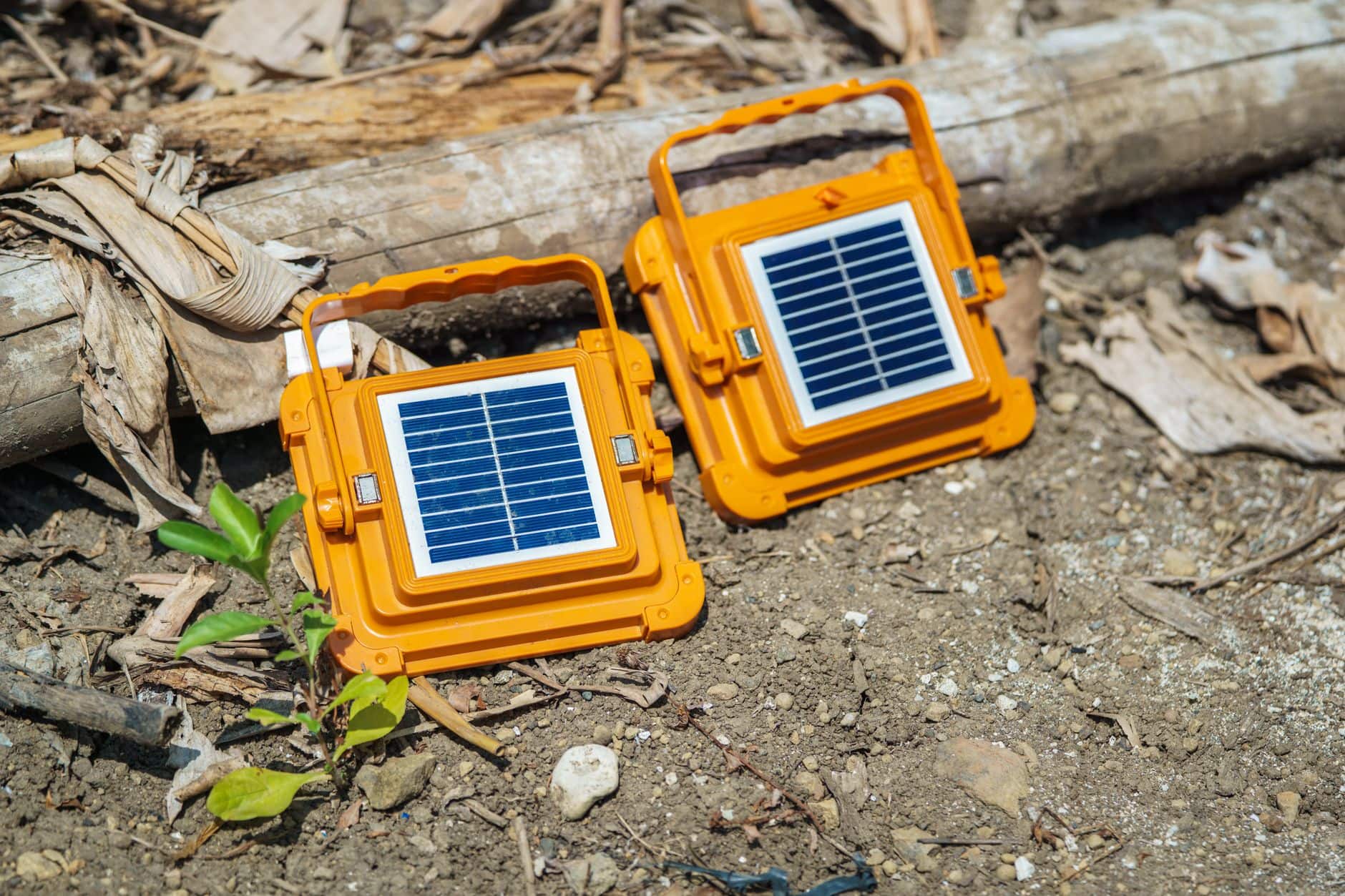
A wave of U.S. state legislation now permits plug‑in solar on balconies and patios, offering renters an affordable, portable power solution, while Israel’s typical 1 kW system can deliver notable savings and a payback period of about four years.
Romania Allocates €650M for Solar‑Storage
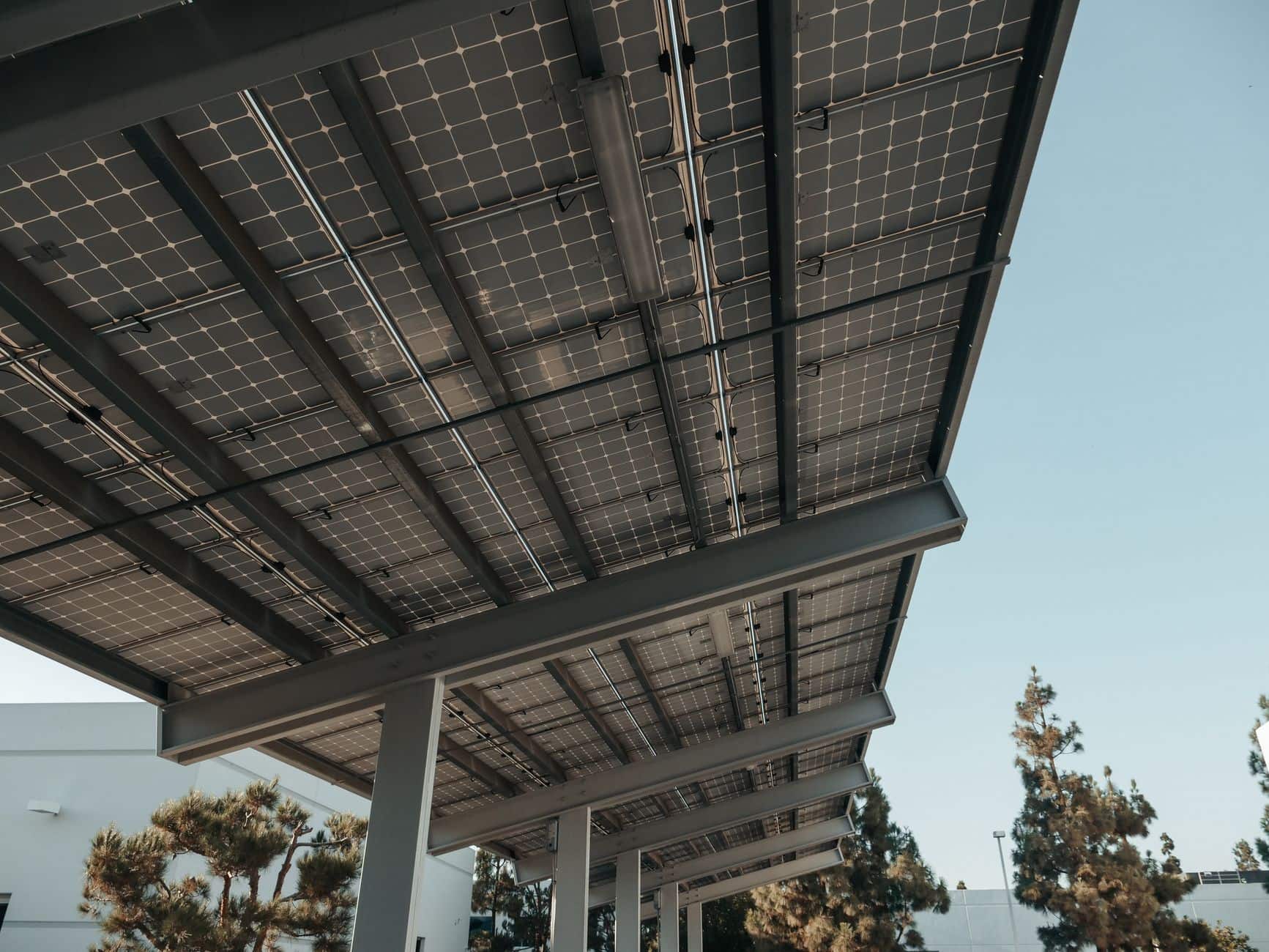
Romania will allocate €650 million to fully fund solar‑plus‑storage projects on public buildings, with up to €10 million per beneficiary and a deadline of 2029.
South Korea Sets Solar Committee Boost Industry
South Korea has formed a Solar Industry Competitiveness Committee to rebuild its domestic solar supply chain and target 56.2 GW of new capacity by 2030, with a focus on ≥35 % efficient tandem cells.
US Renewable Projects Face Record Opposition
The U.S. recorded a record 888 renewable‑energy restrictions in 2025, but new rules slowed to 70, while cancellations surged to 9.8 GW – the biggest single‑year loss on record.
France Calls for Thin‑Film Solar Recycling
France’s Soren has opened a call for thin‑film solar recyclers, prioritizing a 1,300‑tonne CdTe batch, with projected waste rising to 15,000 t by 2037.