Technology
Hydrogen Steel Breakthrough: Posco & BHP Team Up
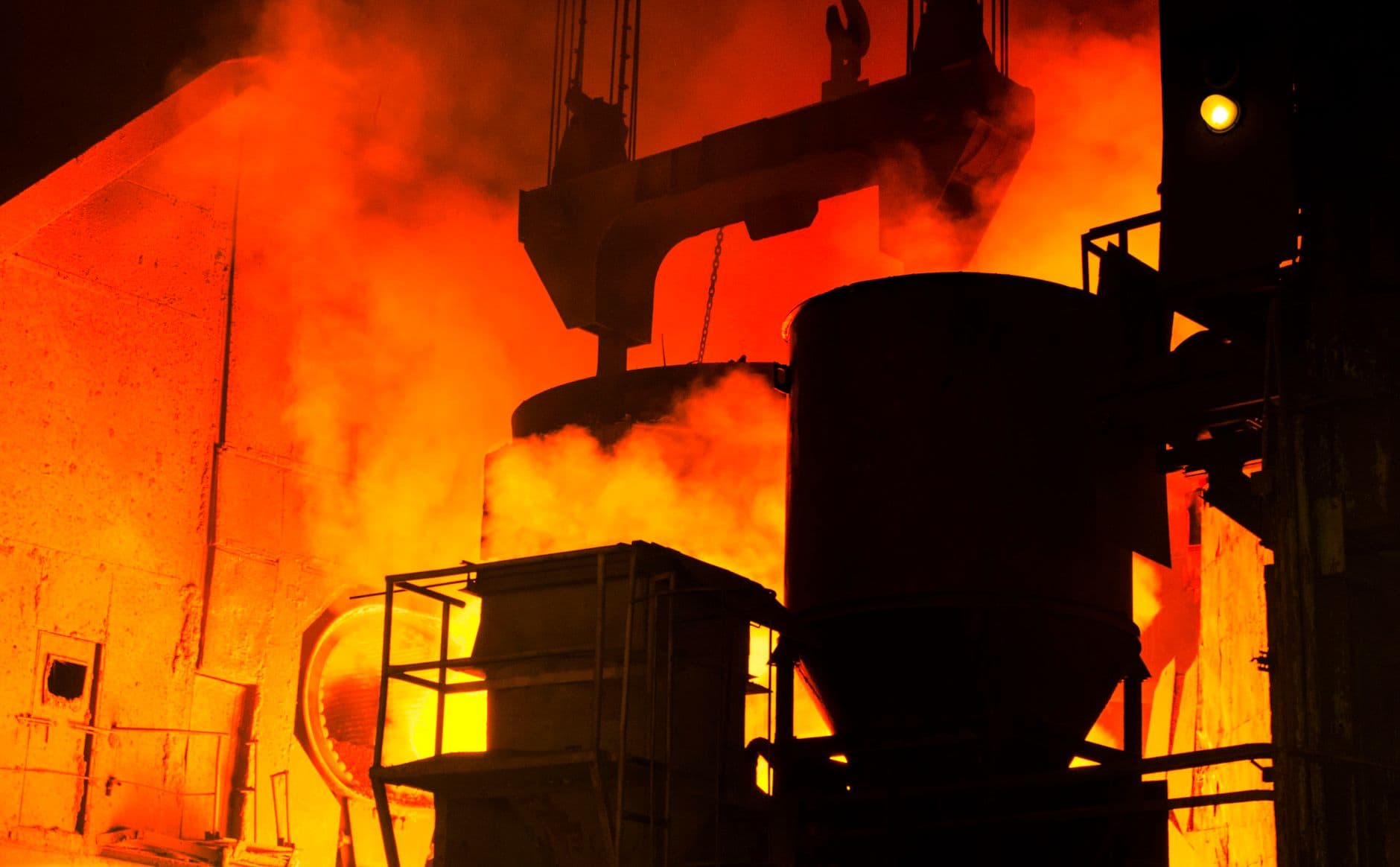
Posco and BHP have signed a partnership to fast‑track HyREX, a hydrogen‑based steelmaking process that could be commercial by 2030.
South Korea’s Posco and Australia’s BHP announced a collaboration agreement to advance Posco’s HyREX technology, following an MoU signed in October 2025. The deal focuses on testing BHP’s fine iron ores in Posco’s fluidized‑bed reactors and laying the groundwork for a commercial plant by 2030.
HyREX combines fluidized‑bed direct reduction with an electric smelting furnace to replace coal‑based blast furnaces.
HyREX uses Posco’s proprietary FINEX fluidized‑bed technology to reduce fine iron ore with hydrogen in a cascade of reactors, producing direct‑reduced iron (DRI) and water vapor. The DRI is then fed to an electric smelting furnace (ESF) where it is melted and slagged, separating impurities. Unlike conventional processes that require pelletised ore, HyREX can handle fine ore directly, eliminating the costly agglomeration step (https://www.posco.co.kr/homepage/docs/eng7/jsp/hyrex/). The ESF also allows the use of lower‑grade ores, expanding feedstock flexibility (https://hyrex.posco.com/T54/T54A01/t54a01201e.do).
The collaboration will test Australian fine ores and aims for a 2030 commercial launch.
Under the agreement, BHP will supply Australian fine iron ores for pilot trials in Posco’s fluidized‑bed reactors. Successful testing will inform scale‑up plans, with Posco targeting a demonstration plant and full commercial deployment by 2030. Posco’s spokesperson highlighted that “verifying performance in various raw‑material environments… strengthens the foundation for technology commercialization.” (https://www.steelorbis.com/steel-news/latest-news/bhp-and-posco-partner-to-advance-hyrex-ironmaking-technology-for-near-zero-emissions-production-1417172.htm)
HyREX is part of a global race to decarbonise steel, promising near‑zero CO₂ emissions.
HyREX replaces the carbon‑intensive coke reduction step with hydrogen, offering the potential for near‑zero CO₂ emissions compared with traditional blast‑furnace steelmaking. The process also avoids the need for pelletising, reducing energy use and associated emissions. Industry analysts see hydrogen‑based steel as a cornerstone of the 2050 net‑zero agenda, with several pilots already underway in Europe and Asia.
What it means for Israel: renewable hydrogen could feed HyREX and accelerate green‑steel ambitions.
Israel’s renewable electricity target of 30 % by 2030 creates a growing pool of low‑cost solar power that can be used for electro‑lysis to produce green hydrogen. Using the verified Israeli solar yield of 1,700 kWh kWp⁻¹ yr⁻¹ for the central region, a 10 MW (10,000 kWp) solar farm would generate about 17 GWh per year. If coupled with electro‑lysis, such a solar farm could produce a significant amount of green hydrogen, potentially supporting a HyREX plant. This aligns with the country’s 20 % renewable target for 2025 and its broader climate goals. Israeli steelmakers could therefore look to HyREX as a pathway to lower‑carbon products, while renewable‑energy developers gain a high‑value off‑taker for excess solar generation.
Outlook: scaling up, policy support and remaining hurdles.
The next steps include completing ore‑compatibility tests, securing financing for a demonstration plant, and establishing a reliable green‑hydrogen supply chain. Policy incentives, such as carbon pricing or renewable‑hydrogen subsidies, will be crucial to make HyREX economically competitive. If the 2030 commercial target is met, HyREX could become a flagship example of how hydrogen and renewable electricity together can transform heavy industry, offering a template for markets worldwide – including Israel’s emerging green‑hydrogen ecosystem.
For a deeper dive into HyREX technology, see Posco’s technical overview (https://www.posco.co.kr/homepage/docs/eng7/jsp/hyrex/) and the Primetals partnership announcement (https://www.primetals.com/en/news/primetals-technologies-and-posco-sign-cooperation-agreement-for-hyrex-direct-reduction-plant/).
Sources & further reading
FAQ
What is HyREX?
HyREX is Posco’s hydrogen‑reduction ironmaking process that combines fluidized‑bed direct reduction with an electric smelting furnace to make steel without coal.
How does HyREX cut CO₂ emissions?
By using hydrogen instead of coke for iron reduction and renewable electricity for melting, HyREX can reduce steel‑making emissions by up to 95 % compared with traditional blast furnaces.
When is HyREX expected to be commercial?
Posco aims to have a commercial HyREX plant operating by 2030, following ore‑testing trials with BHP’s Australian iron ore.
Can Israel benefit from HyREX?
Yes – Israel’s expanding solar capacity can produce green hydrogen that feeds HyREX, enabling local steelmakers to produce low‑carbon steel.
What role does hydrogen play in steelmaking?
Hydrogen acts as a clean reducing agent, removing oxygen from iron ore to create direct‑reduced iron, which is then melted into steel.
What are the next steps for the Posco‑BHP partnership?
They will complete raw‑material testing, secure financing for a demonstration plant, and work on establishing a green‑hydrogen supply chain.
Share this post
More from Technology
6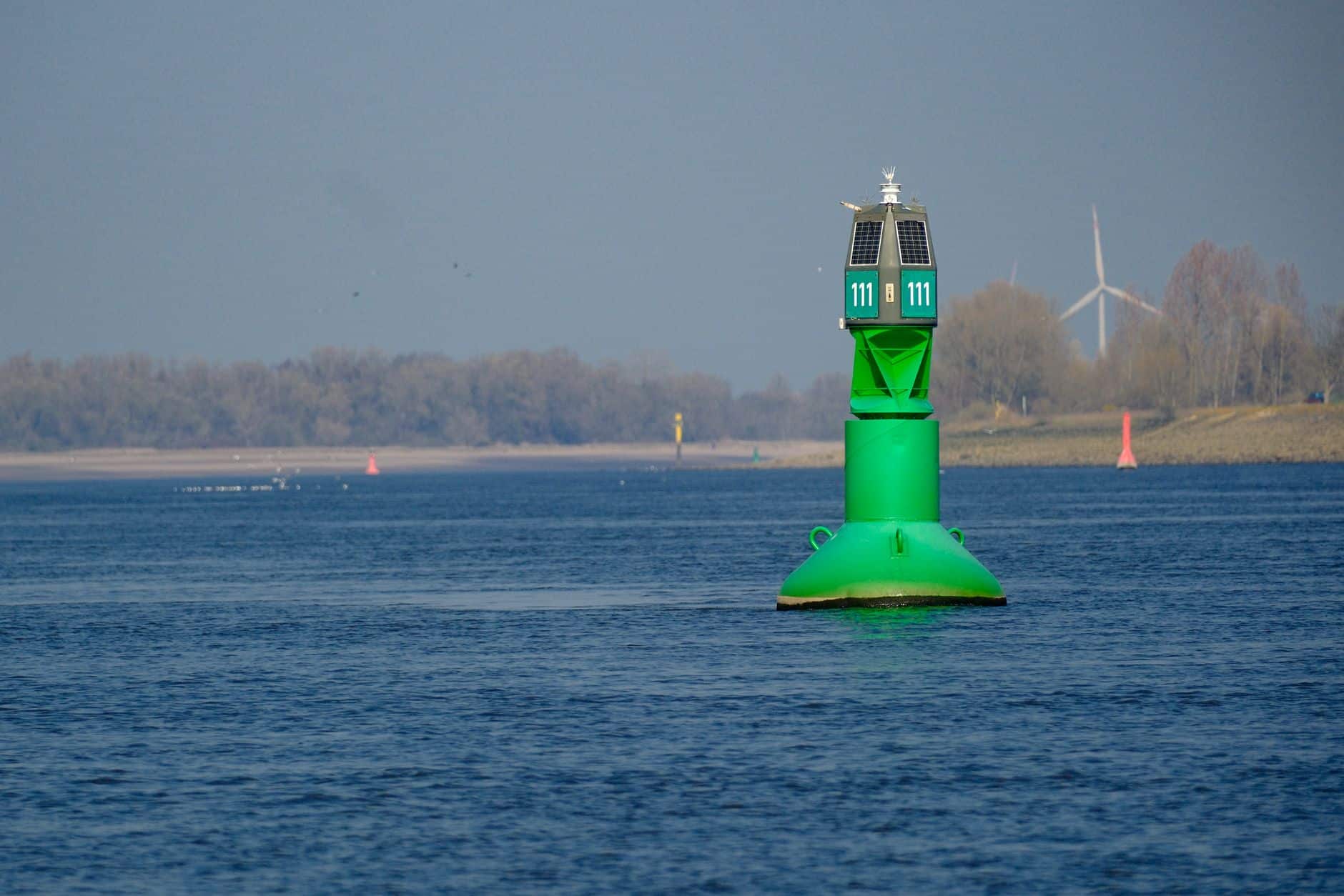
Floating Solar Tracker Boosts Yield by 20%
Noria Energy’s Airon floating‑solar tracker promises up to 20 % more electricity than fixed‑tilt FPV systems at similar cost, with commercial shipments slated for mid‑2027.
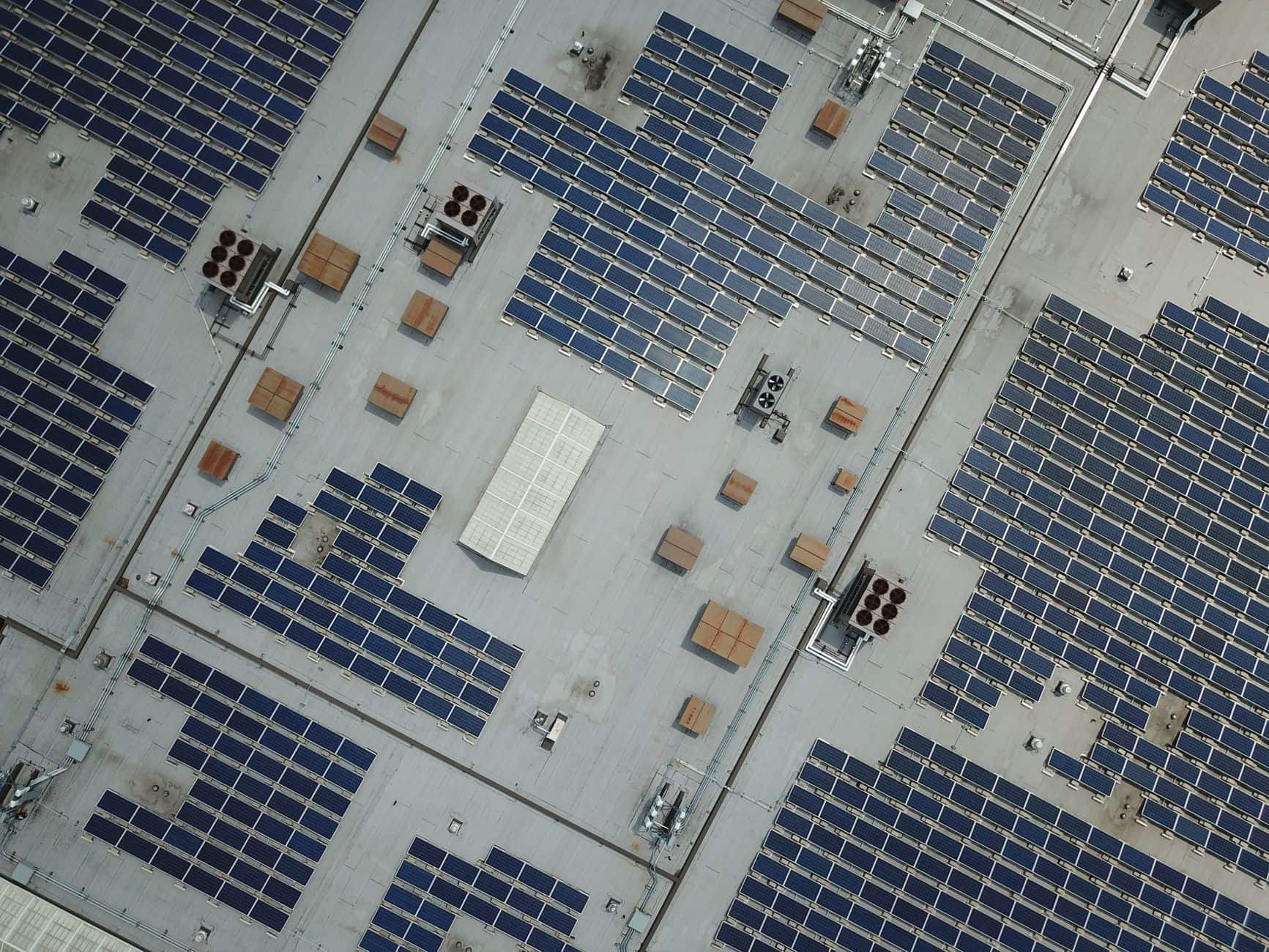
Israel’s Food Giant Goes 100% Green Power
Osem Nestlé has become the first Israeli food‑industry company to run entirely on renewable electricity, showcasing how solar power and green contracts can cut costs and emissions.

Silicon Solar Panels Slash Space Power Costs
Source Energy’s silicon solar modules can be built for under $5 per watt, slashing space‑power costs and opening new opportunities for Israeli satellite firms.

Array Tech Triples US Tracker Capacity
Array Technologies opened a $50 million Albuquerque factory that triples its U.S. solar‑tracker capacity, creates 300 jobs and could help lower tracker prices for Israeli rooftop installations.
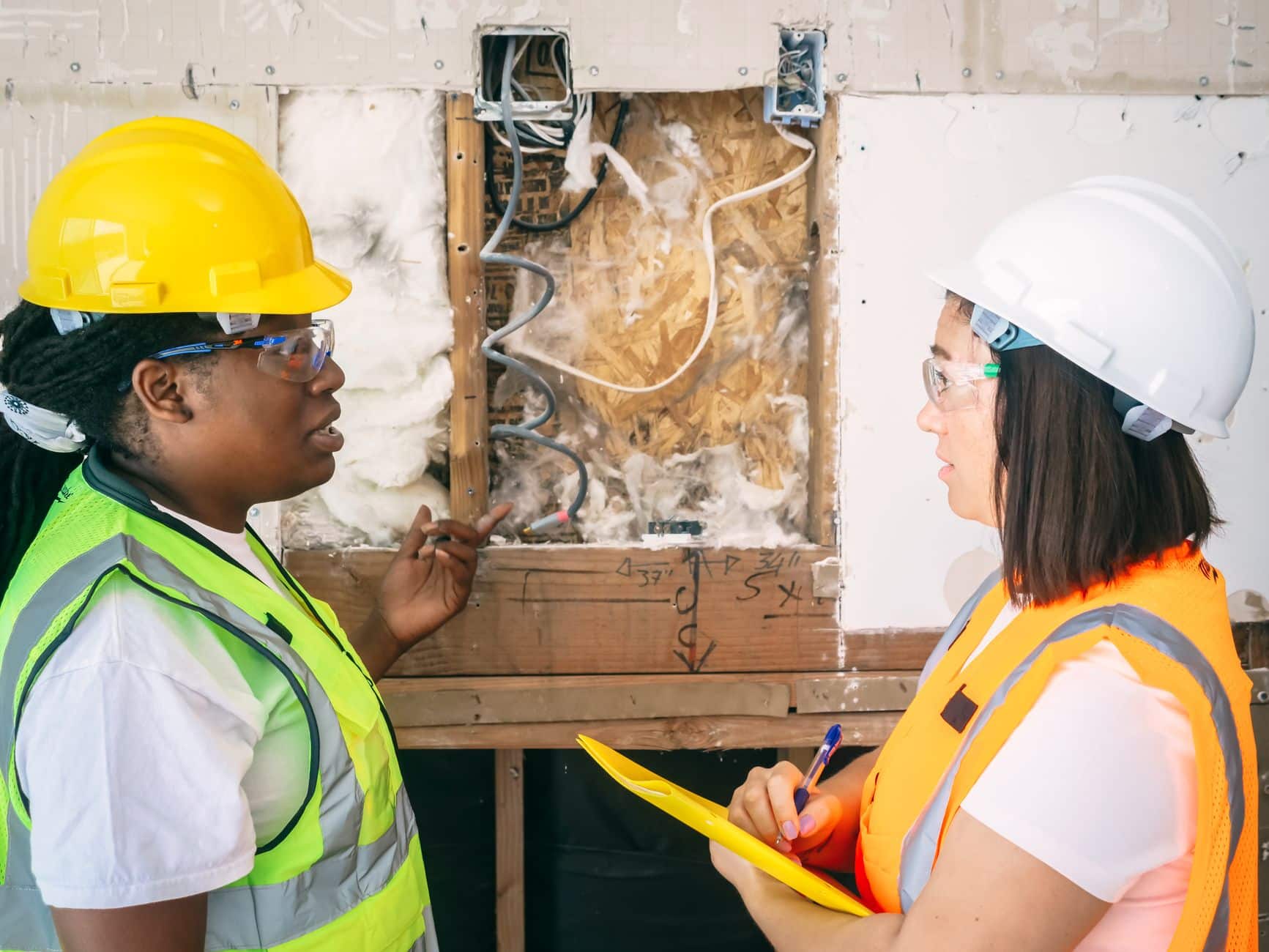
Inclusion Fuels Solar Growth in Europe
Hanna König says inclusive, safe‑to‑disagree workplaces are essential to close the solar sector’s talent gap and accelerate the energy transition.
Super El Niño Slashes South Solar, Boosts North
Super El Niño 2026 created a pronounced north‑south solar split in South America, with sunnier conditions in the north and reduced irradiance in the south, while rare Atacama snowstorms threatened desert PV output.