Markets
Solar‑plus‑storage Investment Hits $25 bn Record
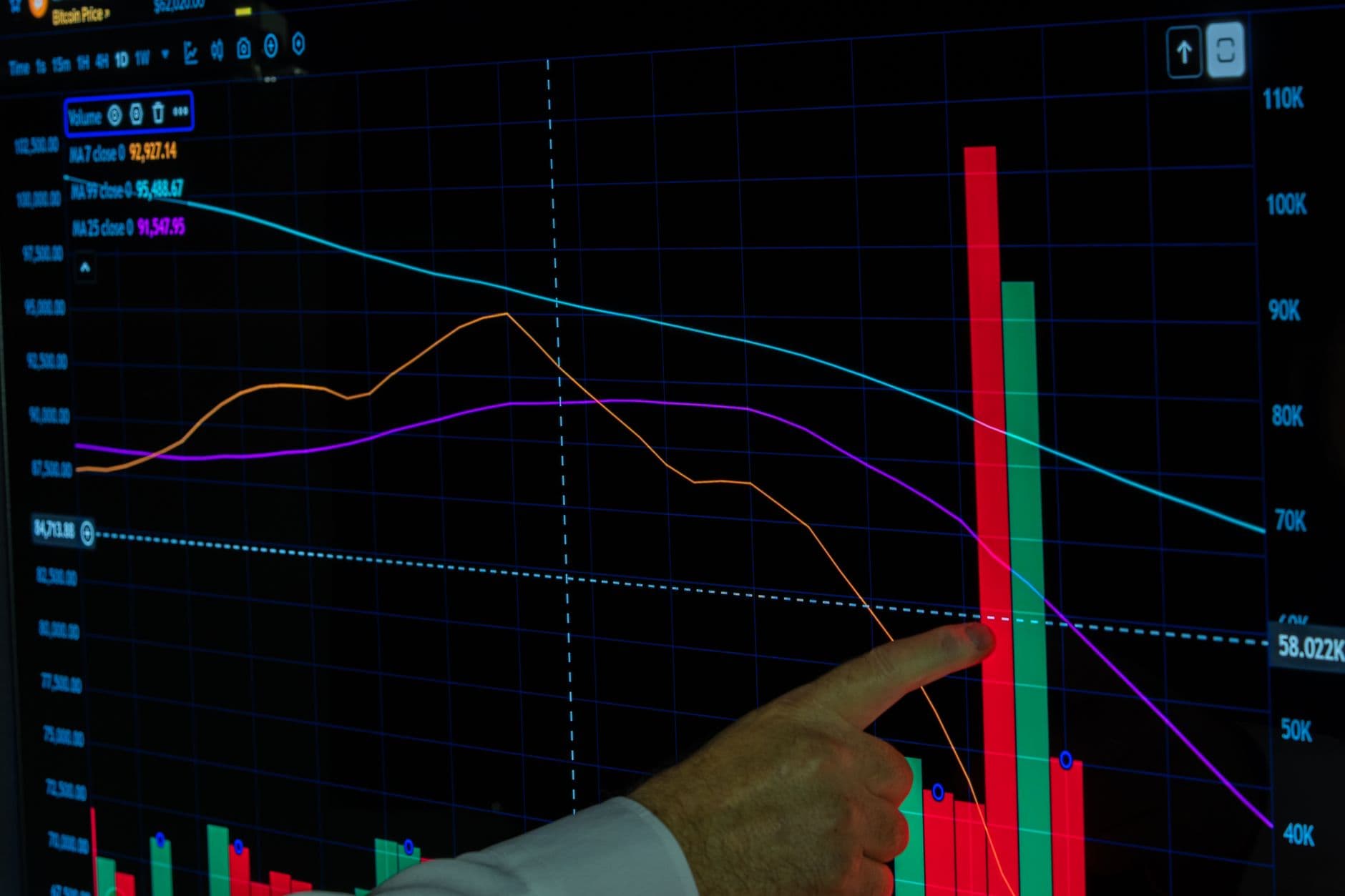
Solar‑plus‑storage draws a record $25 bn in H1 2026
The co‑located solar‑plus‑storage segment attracted $25 billion in new capital during the first half of 2026 – almost double the amount invested in the second half of 2025 and three times the H1 2025 figure. BloombergNEF’s data show the surge is driven by investors seeking revenue‑flexible assets as solar‑price cannibalisation and grid congestion tighten margins. The United States and Australia together accounted for the bulk of the funding, underscoring how tax‑credit timing and strong data‑center demand are reshaping project economics.
Standalone solar investment slips while storage climbs
Investment in pure utility‑scale solar fell 20 % year‑on‑year to $75.4 bn, the lowest level since the boom began in 2021. By contrast, solar‑plus‑storage grew sharply, highlighting a clear market pivot toward hybrid configurations that can buffer price volatility and defer curtailment. The shift is reflected in the overall renewable‑energy investment picture: total global capital stayed flat at $327.5 bn in H1 2026, but the composition is changing dramatically.
United States leads the charge, Australia follows
The United States posted the strongest growth, with renewable‑energy investment up 54 % YoY, spurred by developers racing to lock in the Investment Tax Credit before its deadline. Solar alone rose 41 % to a record $45.8 bn, while wind reached $13.8 bn. Australia, though smaller in absolute terms, also contributed significantly to the solar‑plus‑storage boom.
Global renewable investment steadies but new builds dip
Overall renewable‑energy spending held at $327.5 bn in H1 2026 – virtually unchanged from the previous six months but 21 % below the historic high of H2 2024. Wind investment totaled $92.3 bn, with offshore projects plunging 72 % amid higher costs and weaker auction pipelines, while onshore wind fell only 4 % and Europe posted record national‑level commitments. BloombergNEF warns that new renewable installations are expected to fall in 2026, marking the first YoY decline in more than a decade, before rebounding in 2027.
What this means for Israel’s rooftop owners
For Israeli homeowners, the global tilt toward storage signals a new revenue opportunity. A typical 10 kW rooftop system in central Israel yields about 17,000 kWh / year (≈ 1,700 kWh per kW installed). At the residential feed‑in tariff of ₪0.48 /kWh, that translates to roughly ₪8,160 per year in avoided electricity costs. With a turnkey install price of ₪3,150 /kW, the upfront outlay is ₪31,500, giving a simple payback of ≈ 3.9 years – well before the system’s 25‑year design life. Adding a modest battery (≈ 5 kWh) could capture excess midday generation, smooth out evening peaks, and further improve the economics, especially as storage costs continue to fall globally.
Outlook: storage set to dominate the next wave
If the current trajectory holds, solar‑plus‑storage will continue to claim a notable share of renewable‑energy investment in 2026. Analysts expect the share to rise as more jurisdictions tighten curtailment rules and as corporate buyers demand firm, dispatchable clean power. For Israel, aligning policy incentives with this trend—such as extending net‑metering credits to hybrid systems—could accelerate the rollout of rooftop storage and help meet the nation’s 30 % renewable‑electricity target for 2030.
For a quick estimate of your own rooftop’s payback, try our solar ROI calculator. Detailed market data are available on our renewable‑energy data hub.
Sources & further reading
- Renewable Energy Investments Show One Booming Sector | BloombergNEF
- Clean Energy Trade and Emerging Markets
- RENEWABLE ENERGY ASIA PORTAL: BloombergNEF Finds Global Energy Transition Investment Reached Record $2.3 Trillion in 2025, Up 8% from 2024 - BloombergNEF
- Global energy transition investment reaches $2.3tn in 2025
- Global Renewable Investment Holds Steady in 1H 2026 as ESS Gains Momentum: Study
FAQ
How much was invested in solar‑plus‑storage in the first half of 2026?
Investors put $25 billion into co‑located solar‑plus‑storage projects in H1 2026, a record amount.
Why are investors favoring solar‑plus‑storage over pure solar?
Hybrid projects offer revenue flexibility, helping to mitigate solar‑price cannibalisation, curtailment and grid‑congestion risks.
Which countries are leading the solar‑plus‑storage investment?
The United States and Australia together accounted for the majority of the $25 bn invested in H1 2026.
What does the global renewable‑investment picture look like in 2026?
Total renewable‑energy investment stayed flat at $327.5 bn in H1 2026, but new installations are expected to dip before rebounding in 2027.
How fast can an Israeli homeowner recoup a 10 kW rooftop solar system?
At a typical residential tariff of ₪0.48/kWh, a 10 kW system pays for itself in about 3.9 years.
Will solar‑plus‑storage become a larger share of renewable investment?
Yes – it already represents roughly 7.6 % of total renewable investment in 2026 and is expected to grow as more markets seek flexible clean power.
Share this post
More from Markets
6
South Korea to Add 3.5 GW Solar in 2026
South Korea will install about 3.5 GW of new solar capacity in 2026, surpassing the 3.1 GW added in 2025, as part of a broader push that includes community‑solar villages and line‑side storage.

US Tariffs Push Solar Module Prices Up
U.S. Section 232 tariffs are expected to modestly raise solar module prices, adding a small extra cost to Israeli rooftop systems and slightly extending payback times.

Tongwei Clears Antitrust Hurdle for Lihao Deal
Tongwei has received antitrust clearance to acquire Qinghai Lihao, a fast‑growing polysilicon producer, paving the way for expanded low‑carbon silicon capacity that could help lower solar‑module prices worldwide.
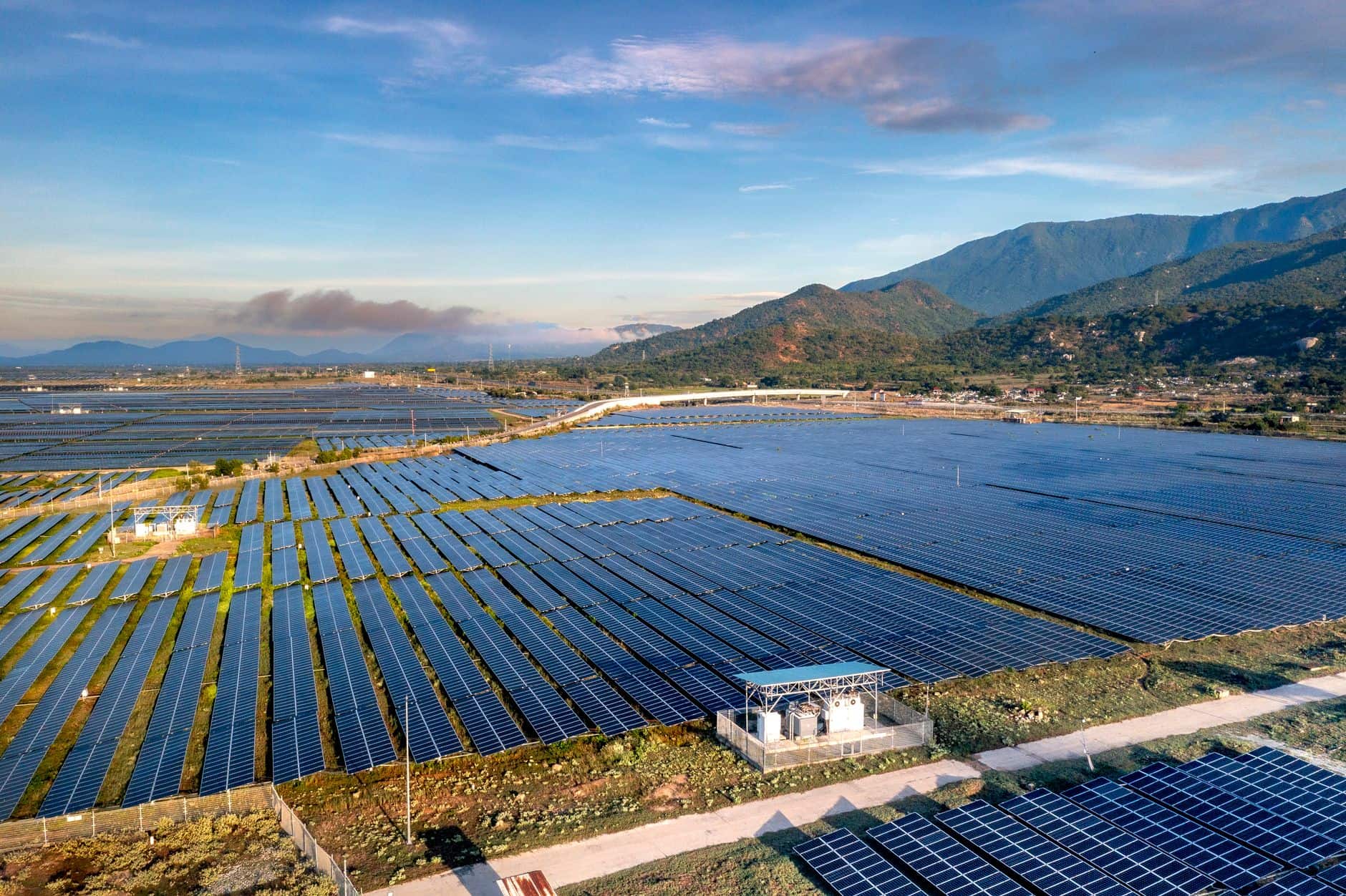
US Solar Adds 19.2 GW in H1 2026
The United States installed 19.2 GW of solar PV in the first half of 2026, driven mainly by a 61 % surge in utility‑scale projects, while residential solar slipped and permitting bottlenecks loom.
Chile’s Solar Curtailment Hits Record, Storage Ramps Up
Chile curtailed a record 2,680 GWh of solar and wind power in the first seven months of 2026, while battery storage capacity surged to over 2.6 GW, highlighting a growing flexibility gap.

Hormuz Crisis Sends Oil Prices 20% Higher
The Hormuz crisis has cut about 9 million barrels per day of oil, pushing Brent up 20 % and gas prices 40‑60 % higher, while making rooftop solar in Israel financially more attractive than ever.