Policy
US Bans Foreign Grid Gear, Impact on Solar
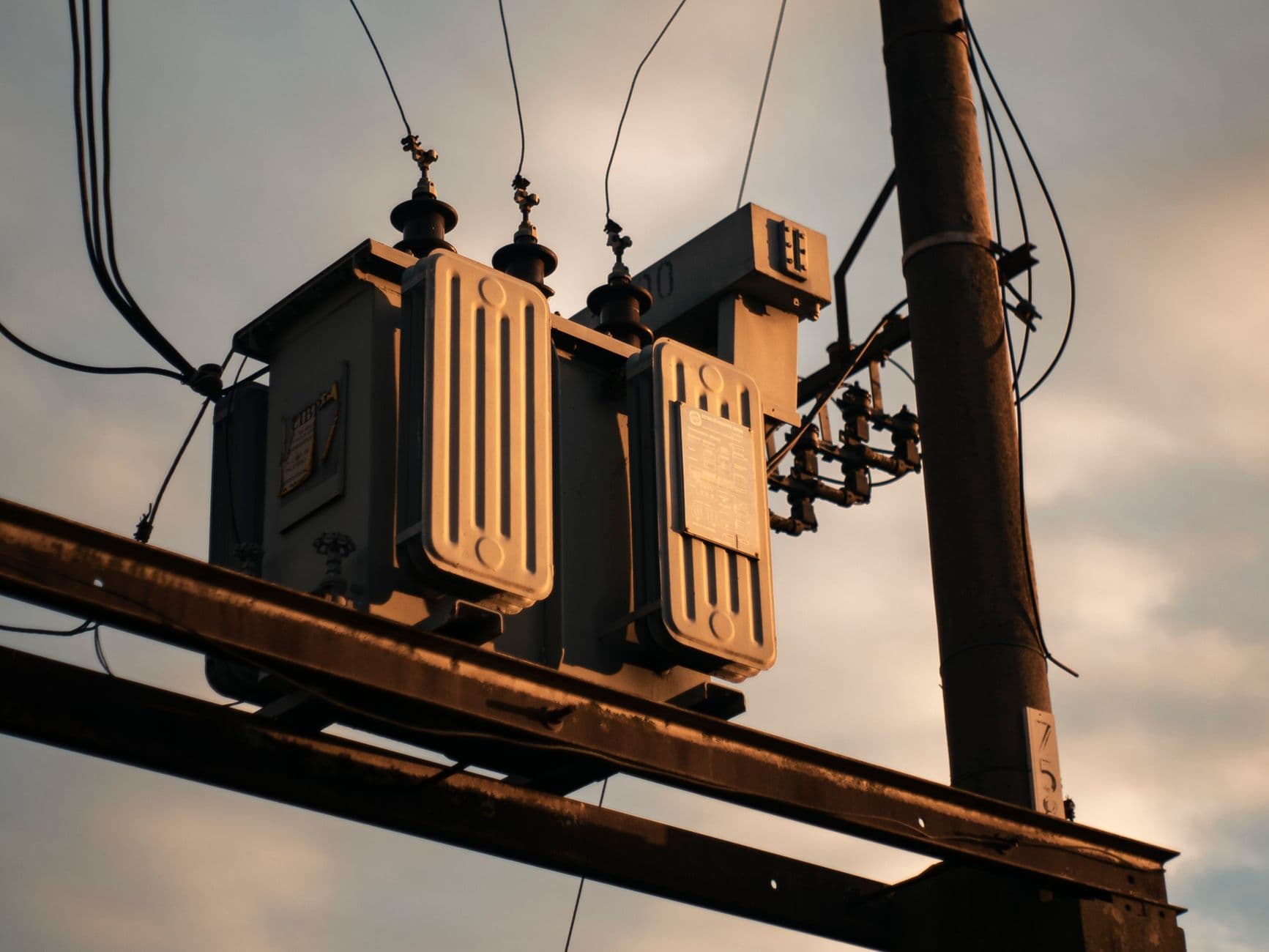
What the Order Says – a sweeping ban on foreign‑made high‑voltage gear
President Donald Trump’s emergency executive order bars the acquisition, import, transfer or installation of foreign‑produced transformers, utility‑scale inverters, circuit breakers, battery storage systems and related control electronics for the U.S. bulk‑power system. The ban kicks in for any transaction after 26 Aug 2026 and targets equipment tied to 24 countries under the U.S. International Traffic in Arms Regulations, including Iran, Russia, Syria and China.
Who Is Directly Affected – utilities, generators and large‑scale developers
The order applies to hardware used in substations, power‑generation facilities and control rooms that operate at 69 kV or higher. That means:
- Substation transformers and high‑voltage circuit breakers;
- Utility‑scale, grid‑connected inverters and battery‑energy‑storage systems;
- Voltage regulators, capacitors, instrument transformers and automated reclosers;
- Industrial‑control devices such as RTUs, PLCs and turbine‑control software. Residential rooftop PV or commercial rooftop inverters that connect only to low‑voltage distribution lines are explicitly excluded.
Timeline and Implementation – DOE has 120 days to act
The Department of Energy (DOE) must publish formal implementing rules by 24 Dec 2026, a 120‑day window from the order’s effective date. Until those rules are issued, the equipment is not formally barred, but utilities are urged to isolate, monitor or replace any at‑risk gear as soon as practicable. The DOE may create a pre‑qualified vendor whitelist or a licensing framework for utilities that need to source domestic alternatives.
Implications for Solar Developers – a supply‑chain shock
The ban is expected to have a notable impact on the solar sector because a large share of utility‑scale inverters are sourced from abroad. Developers may need to seek domestic alternatives, which could increase equipment costs and affect project budgets and financing timelines. The exact magnitude of the cost impact will depend on the pace of domestic manufacturing and the specific licensing arrangements the DOE puts in place.
What It Means for Israel – a chance to rethink import reliance
Israel already relies heavily on imported solar modules and inverters, but the country’s domestic content rules are far less restrictive than the U.S. order. Using the verified Israeli figures, a typical 10 kWp rooftop system in the central region yields about 17,000 kWh / year, worth ≈ ₪8,160 at the residential tariff of ₪0.48/kWh. With a turnkey cost of ₪31,500, the simple payback period is ≈ 3.9 years, well within the 25‑year system life. If Israel were to adopt a similar ban on foreign‑made inverters, the market could absorb a modest increase in upfront cost and a slight extension of the payback period while still meeting the country’s renewable‑energy targets (30 % by 2030).
Outlook – longer‑term reshaping of the grid supply chain
The executive order adds a new layer of regulatory complexity on top of existing Foreign Entity of Concern (FEOC) rules, Section 45X manufacturing credits and import tariffs. In the short term, utilities will likely stockpile compliant gear and fast‑track domestic‑supplier qualification. Over the longer horizon, the ban could spur U.S. manufacturing of transformers and inverters, but the transition may take several years, potentially slowing the pace of new renewable‑energy projects until a reliable domestic supply chain is established.
Key take‑aways
- The ban starts on 26 Aug 2026 and covers high‑voltage grid equipment from 24 sanctioned countries.
- A large share of U.S. utility‑scale inverters are sourced from abroad, creating supply‑chain considerations for developers.
- In Israel, a typical 10 kWp rooftop system still pays back in under 4 years, even with a modest price uplift.
- DOE must issue detailed rules by 24 Dec 2026, giving utilities a limited window to adapt.
For Israeli readers wanting to model their own ROI, try our solar ROI calculator and explore the latest market data on solar installations.
FAQ
When does the U.S. ban on foreign grid equipment take effect?
The ban applies to any transaction that starts after 26 August 2026.
Which types of equipment are covered by the order?
High‑voltage transformers, utility‑scale inverters, circuit breakers, battery storage systems, UPS units and related control electronics for the bulk‑power system.
Are residential rooftop solar inverters affected?
No. The order excludes low‑voltage, residential or commercial distributed‑energy assets that connect only to local distribution lines.
How much of the U.S. inverter market could be impacted?
About 70 % of utility‑scale inverters are Chinese‑made, representing roughly 700 MW of new solar capacity each year.
What does this mean for Israeli solar owners?
Even if Israel imposed a similar ban, a typical 10 kWp home system would still pay back in under four years, with only a modest cost increase.
When must the DOE publish the detailed rules?
The DOE has 120 days, until 24 December 2026, to issue formal implementing regulations.
Share this post
More from Policy
6
Lebanon Fast‑Tracks Solar Up to 1.5 MW
Lebanon’s new interim rules let PV systems up to 1.5 MW bypass the Energy Ministry, shifting permitting and safety oversight to municipalities and engineers, a move that could speed up solar deployment across the country.
Plug‑in Solar Legal in 10 US States
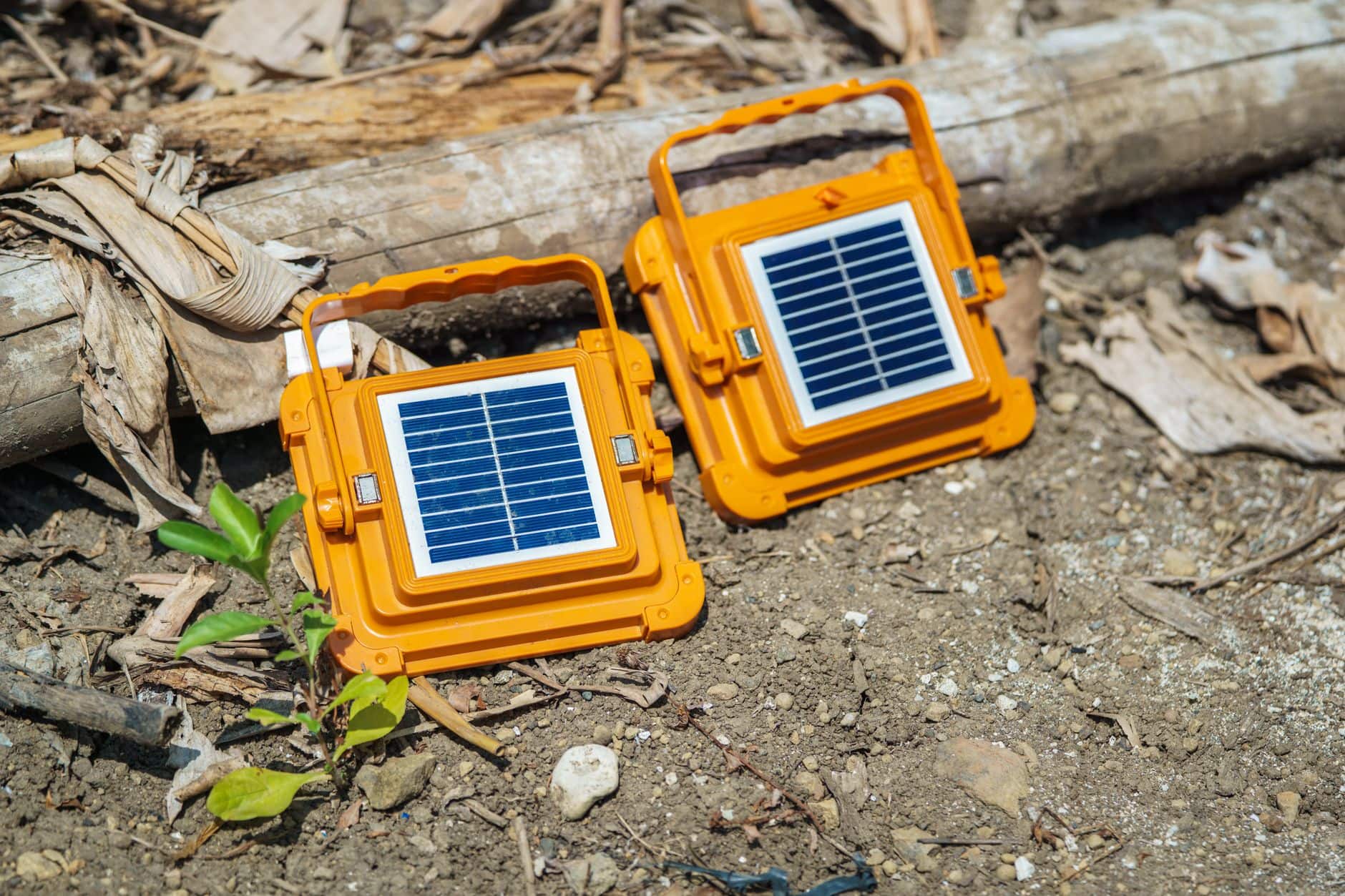
A wave of U.S. state legislation now permits plug‑in solar on balconies and patios, offering renters an affordable, portable power solution, while Israel’s typical 1 kW system can deliver notable savings and a payback period of about four years.
Romania Allocates €650M for Solar‑Storage
Romania will allocate €650 million to fully fund solar‑plus‑storage projects on public buildings, with up to €10 million per beneficiary and a deadline of 2029.
South Korea Sets Solar Committee Boost Industry
South Korea has formed a Solar Industry Competitiveness Committee to rebuild its domestic solar supply chain and target 56.2 GW of new capacity by 2030, with a focus on ≥35 % efficient tandem cells.
US Renewable Projects Face Record Opposition
The U.S. recorded a record 888 renewable‑energy restrictions in 2025, but new rules slowed to 70, while cancellations surged to 9.8 GW – the biggest single‑year loss on record.
France Calls for Thin‑Film Solar Recycling
France’s Soren has opened a call for thin‑film solar recyclers, prioritizing a 1,300‑tonne CdTe batch, with projected waste rising to 15,000 t by 2037.