Markets
TOPCon Module Prices Jump 3% Amid US Tariffs
עליית מחירי מודולי TOPCon בכ‑2.9% משבוע לשבוע
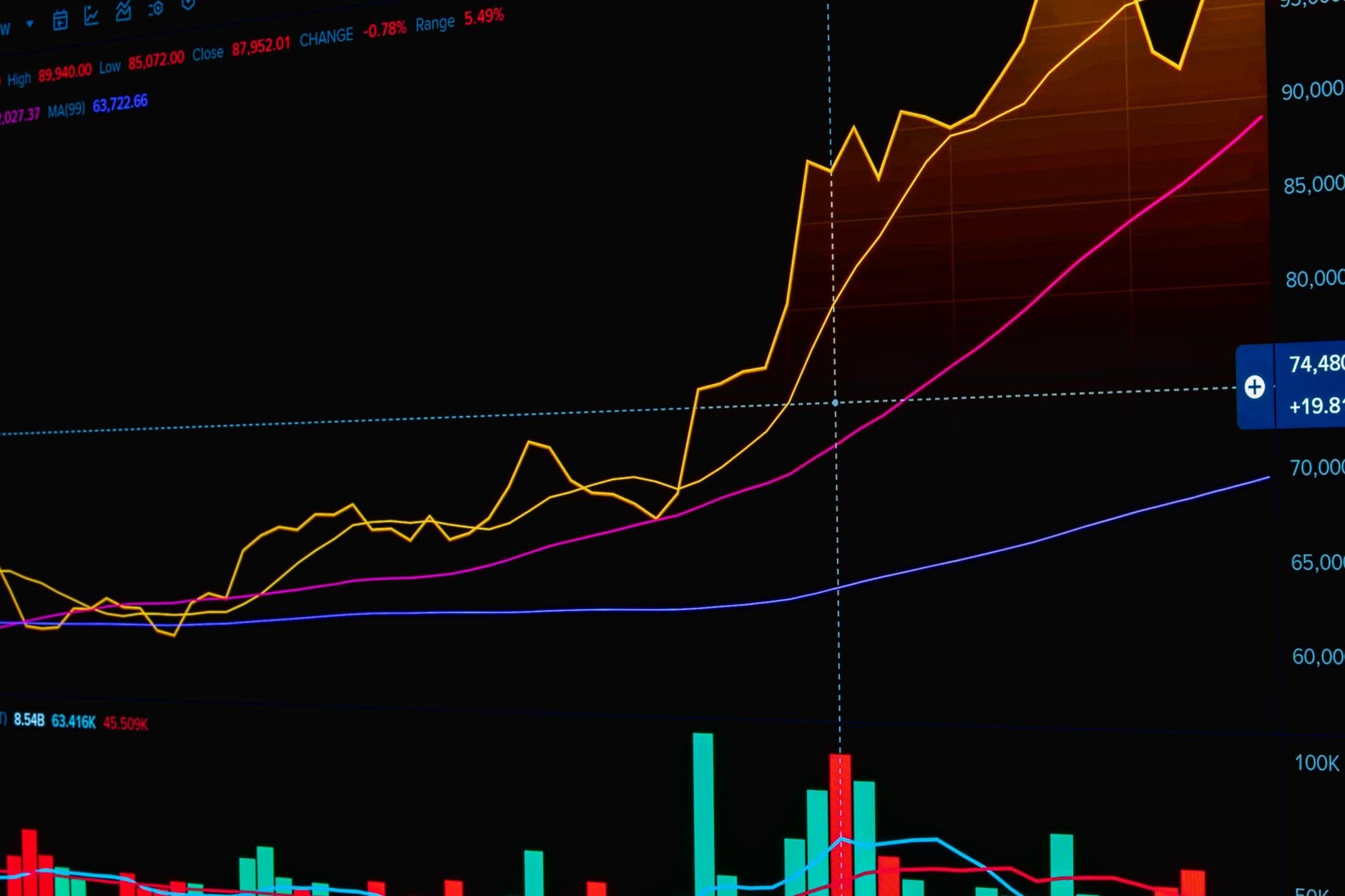
הדוח העולמי של OPIS לשווקי סולארי שפורסם ב‑25 באוגוסט מציין שה‑Chinese Module Marker (CMM) למודולי TOPCon מתחת ל‑645 W עלה 2.86 % משבוע לשבוע ל‑$0.108/ווט FOB סין. עקומת המחירים העתידית מראה עלייה של 1.90 % ל‑$0.107/ווט בעומס Q1‑2027, עלייה של 0.95 % ל‑$0.106/ווט בעומס Q2‑2027, והורדה של 0.95 % ל‑$0.105/ווט בעומס Q3‑2027. העלייה הקצרת‑טווח משקפת עלייה בעלויות העליונות ולא שינוי שוק מתמשך.
מכסות סעיף 232 של ארה״ב מגבירות לחץ על העלויות
קונה מודול אחד קשר את העלייה במחירים למכסות סעיף 232 של ארה״ב הצפויות להתחיל ב‑4 בדצמבר. המדדים יקבעו מחירי מינימום של $100/ק״ג למוטות ולוופרים, $0.22/ווט לתאים ו‑$0.38/ווט למודולים, בנוסף למכס של 15 % על נגזרות פוליסיליקון מכוסות. מחירי מינימום אלו מדחיפים את שרשרת האספקה כלפי מעלה ומאלצים יצרנים סיניים להתאים את הצעות ה‑FOB גם למשלוחים לחו"ל.
עליית מחירי תאים משקפת עליית מודולים
הלחץ העליון ניכר בשוק התאים: מחירי תאי TOPCon M10 קפצו 16.16 % ל‑$0.0532/ווט, ותאי 210R עלו 17.00 % ל‑$0.0523/ווט. שני הפורמטים עלו בכ‑34 % מאז 4 באוגוסט, מה שיכול לתמוך בבקשות מודול גבוהות בטווח הקצר. עם זאת, יצרנים מזהירים שמחירי התאים מתקרבים לשיאים, מה שמגביל אפשרות להמשך עליית מחירי המודולים.
קונים רואים הצעות חיצוניות שטוחות למרות העליות
למרות המחירים המוצעים הגבוהים, יצרן מודולים מדורג בטופ‑10 אמר ל‑OPIS שמחירי העסקאות בפועל לפרויקטים בקנה מידה של תשתיות נשארים שטוחים. קונים מנהלים משא ומתן מתחת להצעות המוגברות, בטענה לביקוש חלש והבנה של גורמי העלות. יצרן מוביל נוסף ציין שהפסק זמנית של הצעות בינוניות‑לארוכות טווח נעשית במעקב אחר תנודתיות השוק, מה שמדגיש שהיציבות הנוכחית נחשבת לקצרת‑טווח.
מה המשמעות לישראל
למפתחים ישראלים, העלייה המתונה של 2.86 % מתורגמת לתוספת קטנה לעומת עלות ההתקנה הכוללת של ₪31,500 למערכת גג של 10 ק"W טיפוסית. על פי הנתונים הישראליים, מערכת של 10 ק"W במרכז הארץ מניבה כ‑17,000 קוט"ש/שנה, בשווי של כ‑₪8,160 בתעריף המגורים של ₪0.48/קוט"ש. גם עם העלייה במודול, תקופת החזר פשוטה נותרת סביב ארבע שנים, במסגרת חיי המערכת של 25 שנה. הסיכון המרכזי הוא תחושת השוק הרחבה: אם עלויות העליונות יישארו קבועות, מפתחים עלולים להתמודד עם מרווחים צרים יותר, במיוחד בפרויקטים בקנה מידה גדול הדורשים מודולים זולים.
להעמקה במודלים כלכליים של סולאר בישראל, נסו את ROI calculator וגלו את הנתונים העדכניים ב data page.
FAQ
Why did TOPCon module prices increase this week?
The rise is tied to higher upstream cell costs and the upcoming U.S. Section 232 tariffs, which set minimum import prices for silicon products.
What are the new minimum prices set by the U.S. Section 232 tariffs?
The tariffs establish floor prices of $100 / kg for ingots and wafers, $0.22 / W for cells, $0.38 / W for modules, plus a 15 % duty on certain polysilicon derivatives.
How much did TOPCon cell prices jump recently?
M10 cells rose 16.16 % to $0.0532 / W and 210R cells rose 17 % to $0.0523 / W, about a 34 % increase since early August.
Will the higher module offers affect Israeli rooftop projects?
The extra $0.003 / W adds roughly $30 to a 10 kW system, barely changing the typical 4‑year payback for Israeli homeowners.
Are overseas utility‑scale deals seeing the same price rise?
No, buyers report that actual transaction prices for overseas projects remain flat, with negotiations staying below the raised offers.
What should developers watch for going forward?
They should monitor whether upstream cell prices stabilize or keep climbing, as sustained higher costs could squeeze margins on large projects.
Share this post
More from Markets
6
South Korea to Add 3.5 GW Solar in 2026
South Korea will install about 3.5 GW of new solar capacity in 2026, surpassing the 3.1 GW added in 2025, as part of a broader push that includes community‑solar villages and line‑side storage.
US Tariffs Push Solar Module Prices Up
U.S. Section 232 tariffs are expected to modestly raise solar module prices, adding a small extra cost to Israeli rooftop systems and slightly extending payback times.

Tongwei Clears Antitrust Hurdle for Lihao Deal
Tongwei has received antitrust clearance to acquire Qinghai Lihao, a fast‑growing polysilicon producer, paving the way for expanded low‑carbon silicon capacity that could help lower solar‑module prices worldwide.
US Solar Adds 19.2 GW in H1 2026
The United States installed 19.2 GW of solar PV in the first half of 2026, driven mainly by a 61 % surge in utility‑scale projects, while residential solar slipped and permitting bottlenecks loom.
Chile’s Solar Curtailment Hits Record, Storage Ramps Up
Chile curtailed a record 2,680 GWh of solar and wind power in the first seven months of 2026, while battery storage capacity surged to over 2.6 GW, highlighting a growing flexibility gap.

Hormuz Crisis Sends Oil Prices 20% Higher
The Hormuz crisis has cut about 9 million barrels per day of oil, pushing Brent up 20 % and gas prices 40‑60 % higher, while making rooftop solar in Israel financially more attractive than ever.