Technology
Hybrid Bulk Carrier Sets Sail in Australia
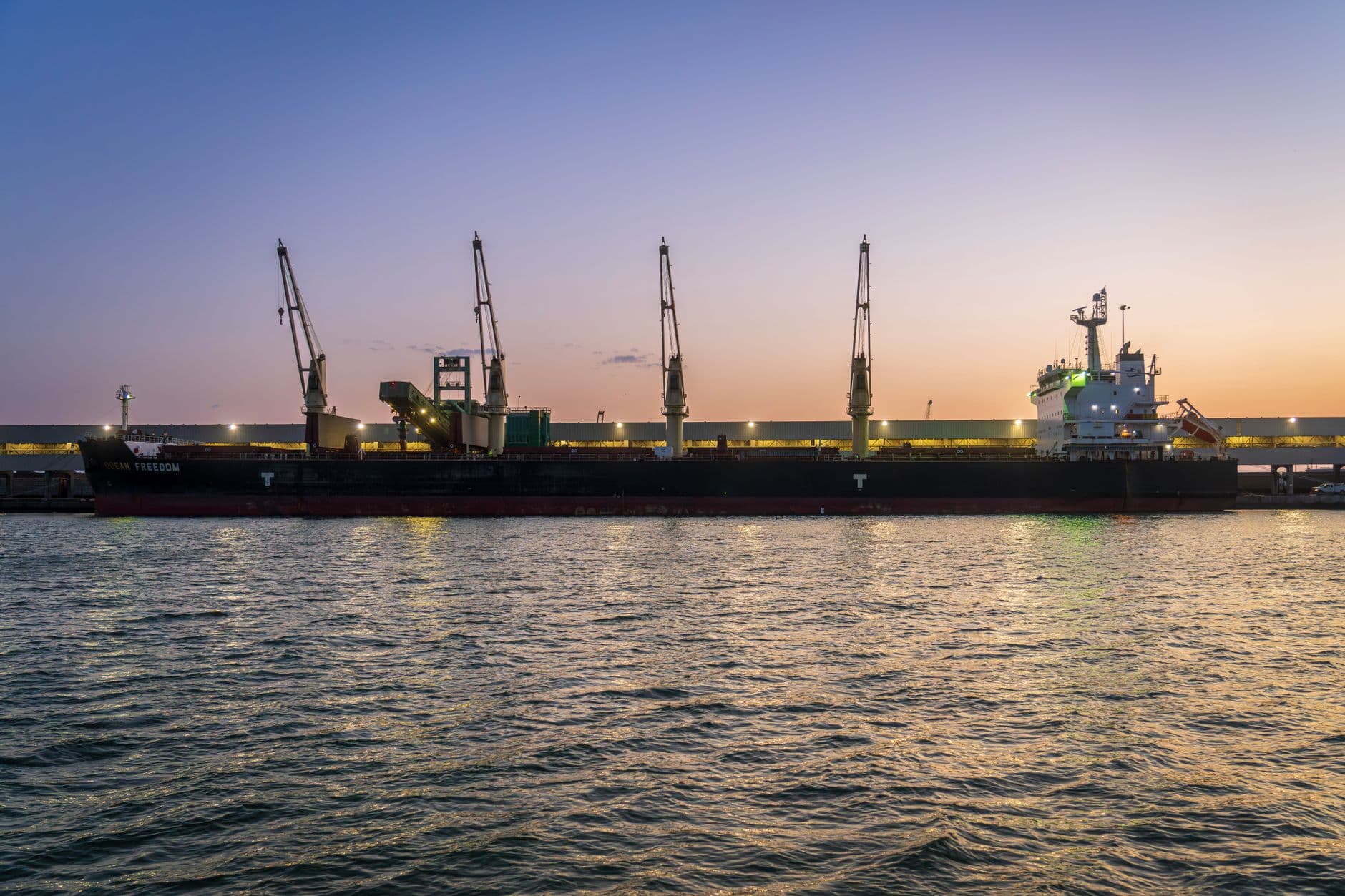
Hybrid Bulk Carrier Starts Service – The MV Yampu, an 11,000‑dwt limestone carrier, has begun operations in South Australia using a Wärtsilä hybrid‑electric propulsion system paired with a 6.7 MWh AYK Energy battery, enabling roughly 40 % of its power to come from shore power and onboard storage.
The vessel, built in China for CSL Australia, transports limestone from Adbri’s quarry on the Yorke Peninsula to the Birkenhead cement plant in Adelaide. Its name, chosen by Adbri staff, comes from the Narungga and Kaurna words for “dolphin,” reflecting local heritage.
Wärtsilä Hybrid System Delivers Flexibility – The ship’s power‑train combines a diesel‑electric generator with a modular electric distribution network that can run on diesel, battery, or shore power, and can be upgraded to 100 % electric in the future.
Wärtsilä’s HY solution coordinates diesel‑mechanical, diesel‑electric and shore‑charging modes through an Energy Management System (EMS) that optimises fuel use and emissions in real‑time. The same platform is used on LNG carriers and high‑speed ferries, delivering up to 20 % methane‑slip reductions and around 10 % fuel savings in comparable vessels.
AYK Energy’s 6.7 MWh Battery Powers the Yampu – The Aries+S battery, supplied by Andorra‑based AYK Energy, stores 6,758 kWh and is recharged at Adbri’s facility, allowing the ship to run on battery for about 40 % of each voyage.
AYK’s battery modules are designed for marine applications with high volumetric energy density and DNV‑approved safety systems. Recent contracts show AYK scaling production to 100 MWh in 2024, highlighting rapid growth in the maritime‑battery market.
Environmental Impact – The hybrid operation reduces diesel fuel consumption significantly and avoids a substantial amount of CO₂, given the typical emission factor of roughly 0.5 kg CO₂ per kWh generated. This represents a meaningful contribution to decarbonising bulk‑carrier transport.
What It Means for Israel – Israeli shipowners could apply the same hybrid concept to vessels operating in the Mediterranean and Red Sea. Because electricity tariffs in Israel are relatively high, shore‑charging can be economically attractive compared with diesel fuel, especially for ships that can connect to port power. The approach aligns with Israel’s renewable‑energy targets, including the goal of 30 % renewable electricity by 2030.
Future Outlook – The Yampu demonstrates that hybrid propulsion is no longer a niche experiment but a commercially viable solution for heavy‑load bulk carriers. With Wärtsilä’s modular HY platform and AYK’s expanding battery capacity, the industry is poised to move toward fully electric ships within the next decade, especially as ports worldwide install high‑power shore‑charging infrastructure.
For Israel, the lesson is clear: investing in shore‑power and battery systems can accelerate decarbonisation of the national fleet, create local jobs in battery integration, and help meet the country’s broader climate goals.
Sources & further reading
FAQ
What is the MV Yampu?
It is an 11,000‑dwt limestone carrier that started operating in South Australia with a Wärtsilä hybrid‑electric propulsion system and a 6.7 MWh AYK battery.
How much of the ship’s power comes from the battery?
Approximately 40 % of the vessel’s energy demand is supplied by the onboard battery and shore‑power charging.
What emissions reduction does the hybrid system achieve?
The hybrid operation avoids about 0.5 kg of CO₂ per kWh, which translates to roughly 490 tonnes of CO₂ avoided each year.
Can Israeli shipowners use the same technology?
Yes – the same hybrid concept can be applied to Israeli vessels, with shore‑charging costs at ₪0.48/kWh far lower than diesel fuel, offering multi‑million‑shekel savings over a ship’s lifetime.
What is the future for fully electric ships?
Wärtsilä’s modular HY platform and AYK’s expanding battery production suggest fully electric bulk carriers could become common within the next decade as ports install high‑power shore‑charging.
Share this post
More from Technology
6
Floating Solar Tracker Boosts Yield by 20%
Noria Energy’s Airon floating‑solar tracker promises up to 20 % more electricity than fixed‑tilt FPV systems at similar cost, with commercial shipments slated for mid‑2027.
Israel’s Food Giant Goes 100% Green Power
Osem Nestlé has become the first Israeli food‑industry company to run entirely on renewable electricity, showcasing how solar power and green contracts can cut costs and emissions.

Silicon Solar Panels Slash Space Power Costs
Source Energy’s silicon solar modules can be built for under $5 per watt, slashing space‑power costs and opening new opportunities for Israeli satellite firms.
Array Tech Triples US Tracker Capacity
Array Technologies opened a $50 million Albuquerque factory that triples its U.S. solar‑tracker capacity, creates 300 jobs and could help lower tracker prices for Israeli rooftop installations.
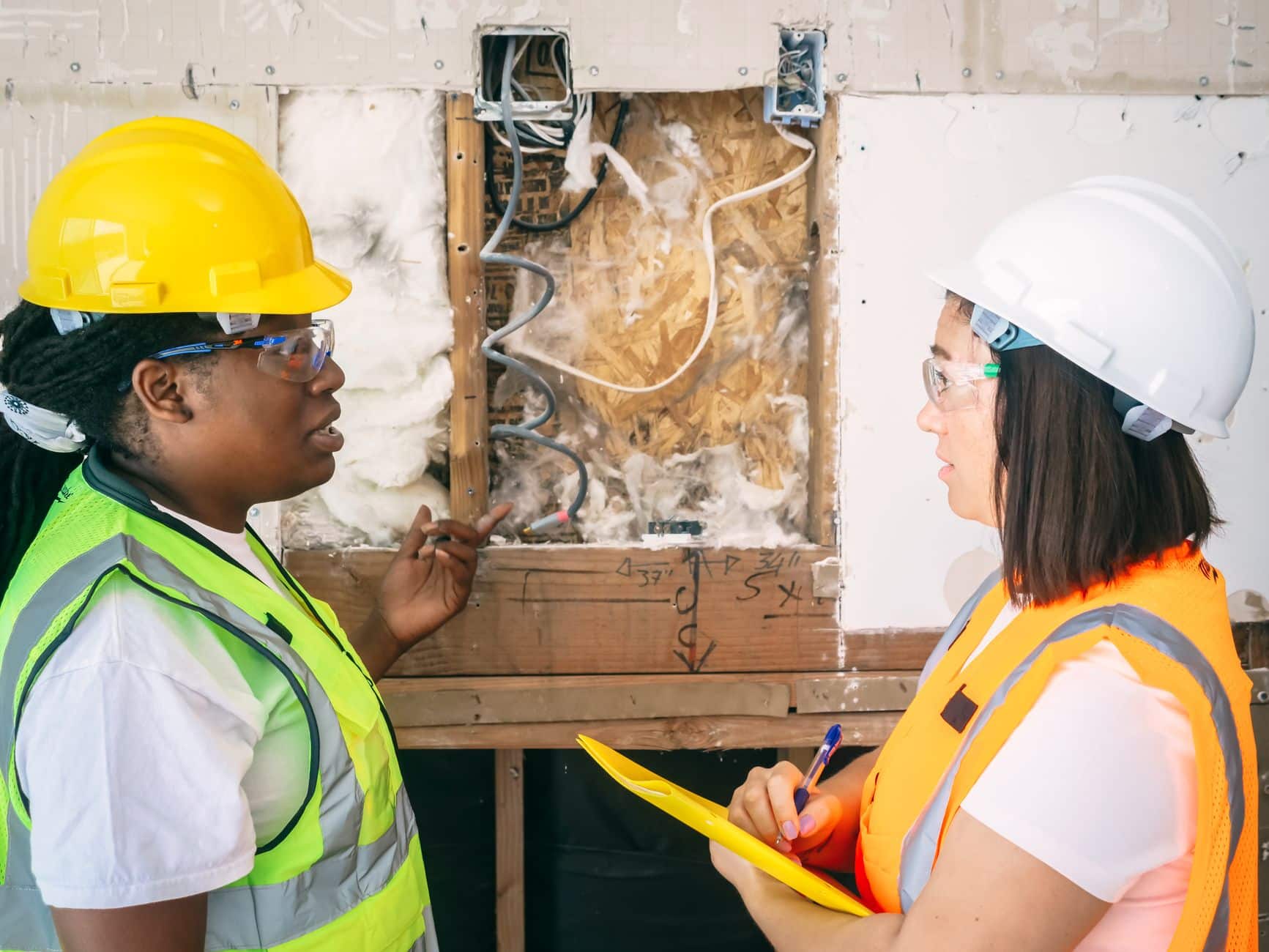
Inclusion Fuels Solar Growth in Europe
Hanna König says inclusive, safe‑to‑disagree workplaces are essential to close the solar sector’s talent gap and accelerate the energy transition.
Super El Niño Slashes South Solar, Boosts North
Super El Niño 2026 created a pronounced north‑south solar split in South America, with sunnier conditions in the north and reduced irradiance in the south, while rare Atacama snowstorms threatened desert PV output.