Markets
Colombia’s Solar Surge Needs Grid Upgrade
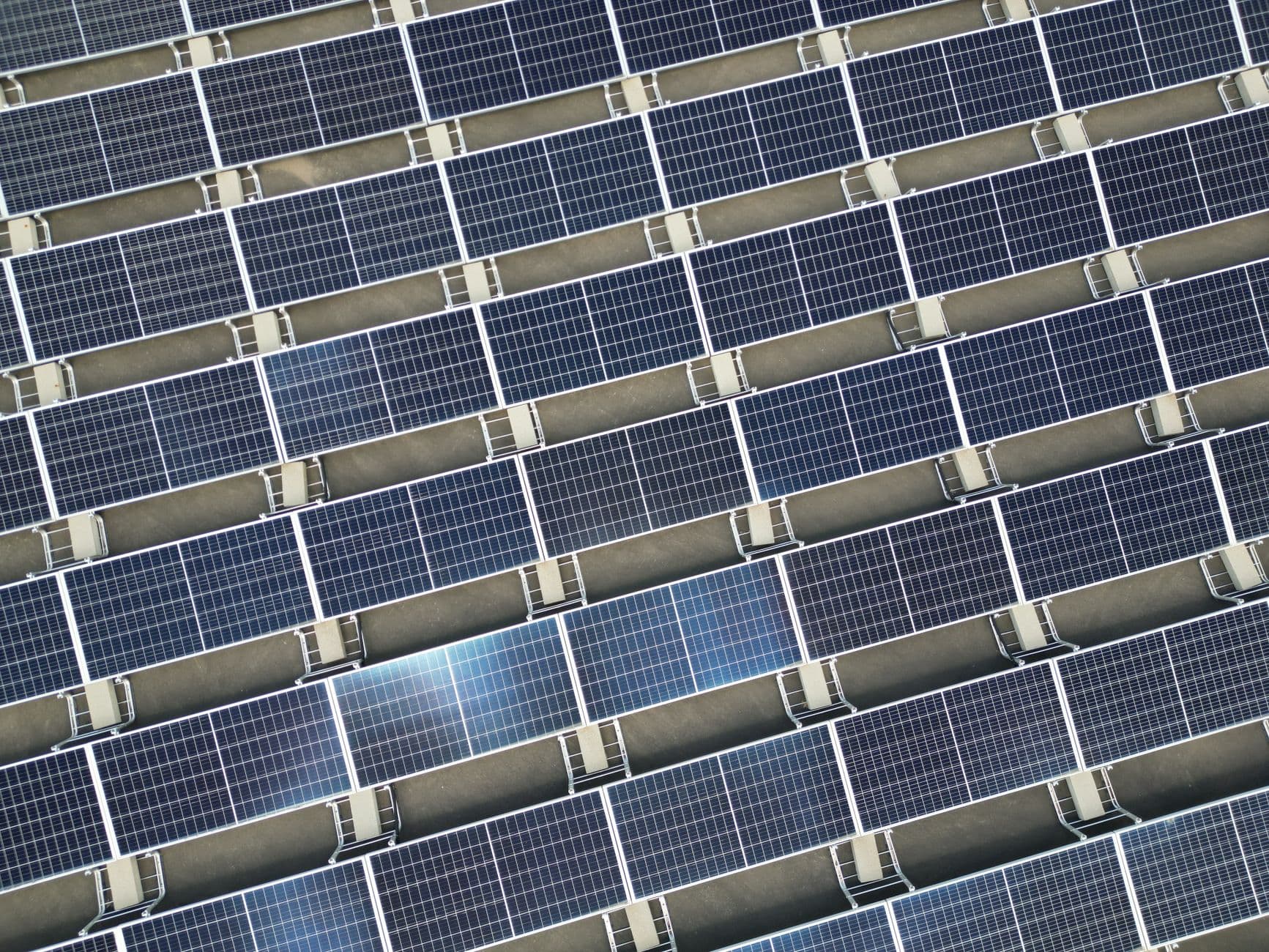
Colombia’s solar capacity tops 4.5 GW, but the grid is lagging
Colombia has already installed more than 4.5 GW of solar power in 2026, yet the existing transmission and distribution network cannot keep up with the rapid influx of new plants. The shortfall threatens to stall the country’s ambition to reach a 6 GW non‑conventional renewable target by the end of President Gustavo Petro’s term.
The figure comes from the Mining and Energy Planning Unit (UPME), which confirmed the 4.5 GW milestone earlier this year. Analysts say that without substantial grid reinforcement, the pace of new solar projects will slow, eroding the gains made since the 2022 National Development Plan put renewables front‑and‑center.
Solar now drives almost all new capacity additions in Colombia
Since 2022, solar has accounted for roughly 98 % of every megawatt of new generation capacity added to the Colombian system, according to the UPME data.
"The country is no longer in an early adoption phase: solar energy has become the main source of growth in new installed power capacity," said José Miguel Hernández, director of the Renewable Energy Division at the Ministry of Mines and Energy. Analysts have highlighted solar’s dominance in the country’s power‑mix expansion.
Large‑scale projects are proving the model works – but they need better connections
The 9.8 MW Celsia Solar Yumbo plant, located near Cali in Valle del Cauca, was one of the first big solar farms tied to the national grid in 2017. Since then, dozens of similar‑sized farms have come online, showing that utility‑scale solar can be built quickly and at competitive costs.
However, some of these farms experience curtailment – being forced to shut down or reduce output – because transmission lines are overloaded or lack the appropriate voltage‑control equipment.
Grid upgrades are the missing piece of Colombia’s renewable puzzle
Experts say that a substantial investment is required to accommodate the remaining capacity needed to hit the 6 GW target, including new high‑voltage lines, substations and smart‑grid technologies.
Without this investment, the country risks losing a notable share of potential solar generation to curtailment, according to local studies.
What it means for Israel – a comparative perspective
While Colombia wrestles with grid bottlenecks, Israel’s solar market faces a different set of challenges. Using the verified Israeli figures (₪0.48/kWh residential tariff, ₪3 150/kWp installation cost, and a typical yield of 1 700 kWh/kWp/year in the central region), a 10 kWp rooftop system would generate about 17 000 kWh annually, worth roughly ₪8 160 per year and pay back in just under four years.
If Colombia’s 4.5 GW of solar were installed in Israel at the same 10 kWp per‑home scale, it would power roughly 450 000 typical Israeli homes. This illustrates how grid readiness is a universal bottleneck: just as Colombia needs transmission upgrades, Israel must continue expanding its distribution capacity and smart‑metering to absorb the surge from rooftop and utility‑scale projects.
For Israeli homeowners, the same economics apply: each additional kilowatt installed saves about 0.5 kg of CO₂ per kWh produced, meaning a typical 10 kWp system avoids roughly 8 t of CO₂ per year – the equivalent of planting around 400 trees.
Outlook: policy, investment, and the next decade
The Colombian government is considering dedicated resources for grid modernization, and private‑sector groups are showing interest in transmission contracts. If the investment pipeline stays on track, the country could meet its 6 GW solar goal and set a regional example of pairing rapid renewable deployment with robust grid planning.
In Israel, the upcoming 2030 renewable electricity target of 30 % will likely push utilities to upgrade distribution networks further, especially as battery storage and demand‑response programs become mainstream. Both markets show that the race to clean power is now as much about wires and substations as it is about panels.
What it means for Israel
- A 4.5 GW solar fleet in Colombia translates to about 450 000 typical Israeli homes equipped with 10 kWp rooftop systems.
- At the current residential tariff (₪0.48/kWh), each 10 kWp system yields roughly ₪8 160 per year, delivering a payback in under four years.
- Scaling such installations nationwide would avoid a substantial amount of CO₂ annually, reinforcing Israel’s climate commitments.
- Investors should watch for grid‑upgrade incentives, as they will unlock the next wave of rooftop and community solar projects across the country.
For a deeper dive into Israeli solar ROI, visit our calculator and explore the latest market data on our data page.
FAQ
How much solar capacity has Colombia installed as of 2026?
Colombia’s cumulative solar capacity surpassed 4.5 GW in early 2026.
What share of new power capacity in Colombia is solar?
Solar accounts for roughly 98 % of all new generation capacity added since 2022.
Why is grid upgrade critical for Colombia’s solar growth?
Without new high‑voltage lines and substations, up to 15 % of solar output could be curtailed, delaying the 6 GW target.
How many Israeli homes could be powered by Colombia’s 4.5 GW of solar?
At 10 kWp per home, about 450 000 Israeli households could be supplied.
What is the typical payback period for a 10 kWp rooftop system in Israel?
Around 3.9 years, based on a residential tariff of ₪0.48/kWh and installation cost of ₪3 150/kWp.
What environmental benefit does a typical Israeli home solar system provide?
It avoids roughly 8 tonnes of CO₂ per year, equivalent to planting about 400 trees.
Share this post
More from Markets
6
South Korea to Add 3.5 GW Solar in 2026
South Korea will install about 3.5 GW of new solar capacity in 2026, surpassing the 3.1 GW added in 2025, as part of a broader push that includes community‑solar villages and line‑side storage.

US Tariffs Push Solar Module Prices Up
U.S. Section 232 tariffs are expected to modestly raise solar module prices, adding a small extra cost to Israeli rooftop systems and slightly extending payback times.

Tongwei Clears Antitrust Hurdle for Lihao Deal
Tongwei has received antitrust clearance to acquire Qinghai Lihao, a fast‑growing polysilicon producer, paving the way for expanded low‑carbon silicon capacity that could help lower solar‑module prices worldwide.
US Solar Adds 19.2 GW in H1 2026
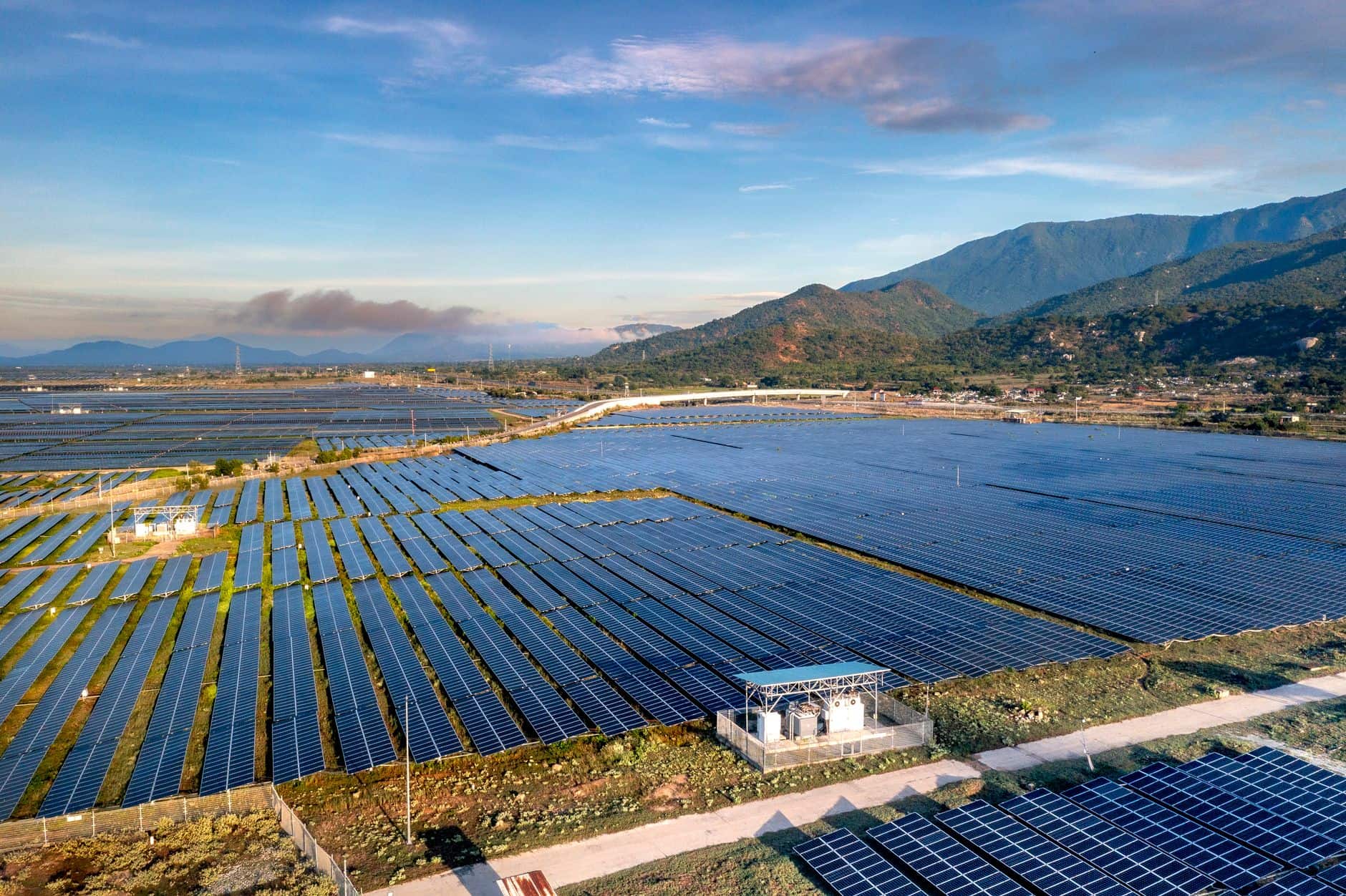
The United States installed 19.2 GW of solar PV in the first half of 2026, driven mainly by a 61 % surge in utility‑scale projects, while residential solar slipped and permitting bottlenecks loom.
Chile’s Solar Curtailment Hits Record, Storage Ramps Up
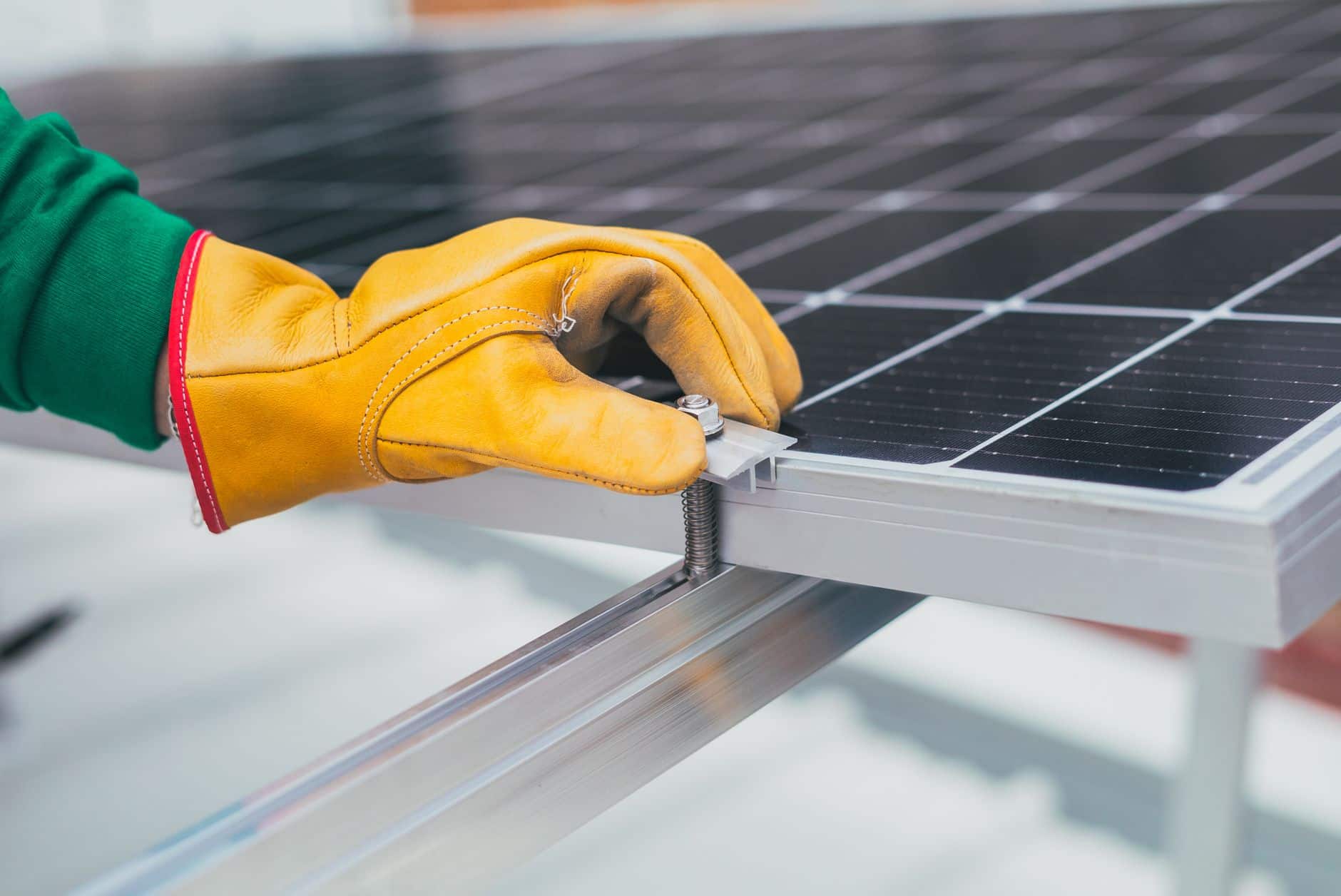
Chile curtailed a record 2,680 GWh of solar and wind power in the first seven months of 2026, while battery storage capacity surged to over 2.6 GW, highlighting a growing flexibility gap.

Hormuz Crisis Sends Oil Prices 20% Higher
The Hormuz crisis has cut about 9 million barrels per day of oil, pushing Brent up 20 % and gas prices 40‑60 % higher, while making rooftop solar in Israel financially more attractive than ever.