Policy
South Korea’s Solar Cuts Peak Demand by 25%
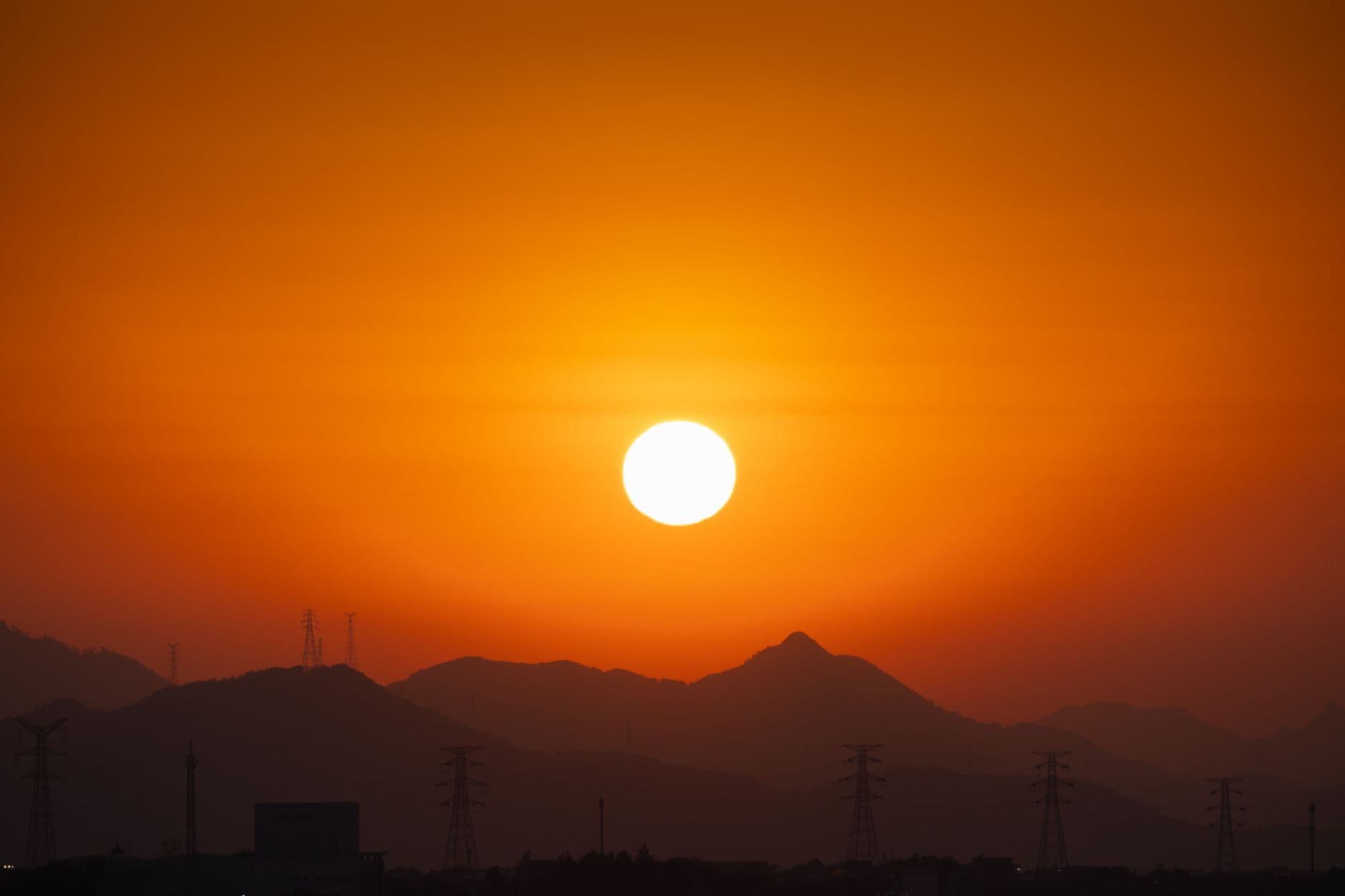
Record Peak Demand Amid Scorching Heat
South Korea’s wholesale electricity market hit 95.3 GW at 3 p.m. on Aug 7, the fifth‑highest demand ever recorded, driven by a heat wave that pushed the national average temperature to a record 29.1 °C for the first ten days of August. The Ministry of Climate, Energy and Environment (MCEE) warned that without the seasonal slowdown of factories, total grid load would have breached 100 GW, reaching 106.8 GW.
Solar Power Shouldered About One‑Quarter of Daytime Load
During the same 3 p.m. window, solar generation – both market‑traded and behind‑the‑meter – supplied roughly 25 % of total demand, representing around a quarter of the load. On Aug 3, total demand peaked at 97.1 GW, with 17.4 GW from non‑market solar and 7.2 GW from solar participating directly in the market. This sizable share helped reduce reliance on additional fossil‑fuel generation during the heat wave.
Energy Storage Gets a Policy Boost
To further ease grid stress, the Korean government selected nine operators to install 128 MW / 640 MWh of distributed‑level energy‑storage systems (ESS) across 32 distribution lines in the Honam and Jeju regions. The MCEE’s roadmap targets ~700 MW of distribution‑line ESS by 2030, a capacity that could unlock an extra 1 GW of renewable interconnection. A new “non‑wires‑alternatives” compensation scheme will pay ESS owners the value of avoided new transmission lines, starting with a pilot on Jeju and expanding to the mainland.
What It Means for Israel
Israel’s solar market faces a similar summer‑peak challenge. Using the typical Israeli figures (residential tariff ≈ ₪0.48 /kWh, install cost ≈ ₪3,150 /kWp), a 10 kWp rooftop system in central Israel would generate about 17,000 kWh / year, worth roughly ₪8,160 annually. At a ₪31,500 upfront cost, the payback period is ≈ 3.9 years, after which the system continues to produce clean power for the remainder of its 25‑year life. If Israeli households collectively contributed a solar share comparable to South Korea’s 25 % during peak hours, the nation could avoid a significant amount of CO₂ emissions each summer, easing pressure on the grid and reducing reliance on imported fuels.
Bottom Line
South Korea’s record‑high demand illustrates how extreme heat can stress a grid, but the country’s rapid solar uptake and aggressive ESS rollout show a viable path to keep the lights on without massive new transmission builds. Israel can draw lessons from the Korean experience – scaling rooftop solar and distributed storage now can deliver similar climate and reliability dividends when the next heat wave arrives.
FAQ
What was South Korea’s highest electricity demand this summer?
The wholesale market peaked at 95.3 GW on Aug 7, the fifth‑highest on record.
How much of the peak demand was met by solar power?
Solar accounted for about 25 % of daytime demand, roughly 24 GW at the 3 p.m. peak.
What storage capacity is South Korea planning by 2030?
The government targets around 700 MW of distribution‑level energy‑storage systems.
How does the Korean solar share compare to Israel’s rooftop potential?
If Israeli rooftops reached a similar 25 % share during peak hours, the country could avoid tens of thousands of tonnes of CO₂ each summer.
What is the typical payback time for a residential solar system in Israel?
A 10 kWp home system usually pays back in about 3.9 years, based on a ₪0.48/kWh tariff and a ₪3,150/kWp install cost.
Share this post
More from Policy
6
Lebanon Fast‑Tracks Solar Up to 1.5 MW
Lebanon’s new interim rules let PV systems up to 1.5 MW bypass the Energy Ministry, shifting permitting and safety oversight to municipalities and engineers, a move that could speed up solar deployment across the country.
Plug‑in Solar Legal in 10 US States
A wave of U.S. state legislation now permits plug‑in solar on balconies and patios, offering renters an affordable, portable power solution, while Israel’s typical 1 kW system can deliver notable savings and a payback period of about four years.
Romania Allocates €650M for Solar‑Storage
Romania will allocate €650 million to fully fund solar‑plus‑storage projects on public buildings, with up to €10 million per beneficiary and a deadline of 2029.
South Korea Sets Solar Committee Boost Industry
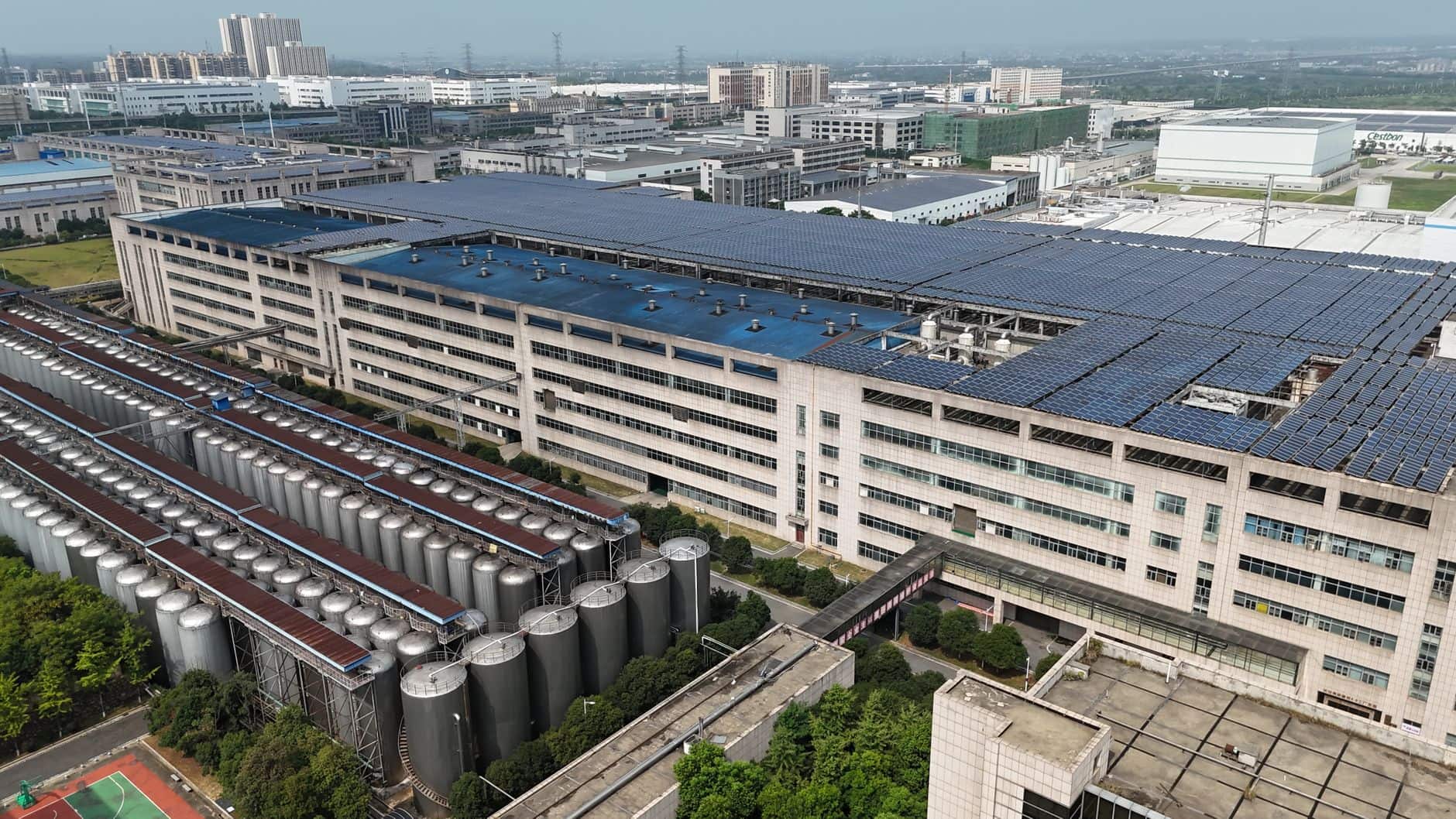
South Korea has formed a Solar Industry Competitiveness Committee to rebuild its domestic solar supply chain and target 56.2 GW of new capacity by 2030, with a focus on ≥35 % efficient tandem cells.
US Renewable Projects Face Record Opposition
The U.S. recorded a record 888 renewable‑energy restrictions in 2025, but new rules slowed to 70, while cancellations surged to 9.8 GW – the biggest single‑year loss on record.
France Calls for Thin‑Film Solar Recycling
France’s Soren has opened a call for thin‑film solar recyclers, prioritizing a 1,300‑tonne CdTe batch, with projected waste rising to 15,000 t by 2037.