Policy
Ireland’s Data Centers Must Go 80% Solar
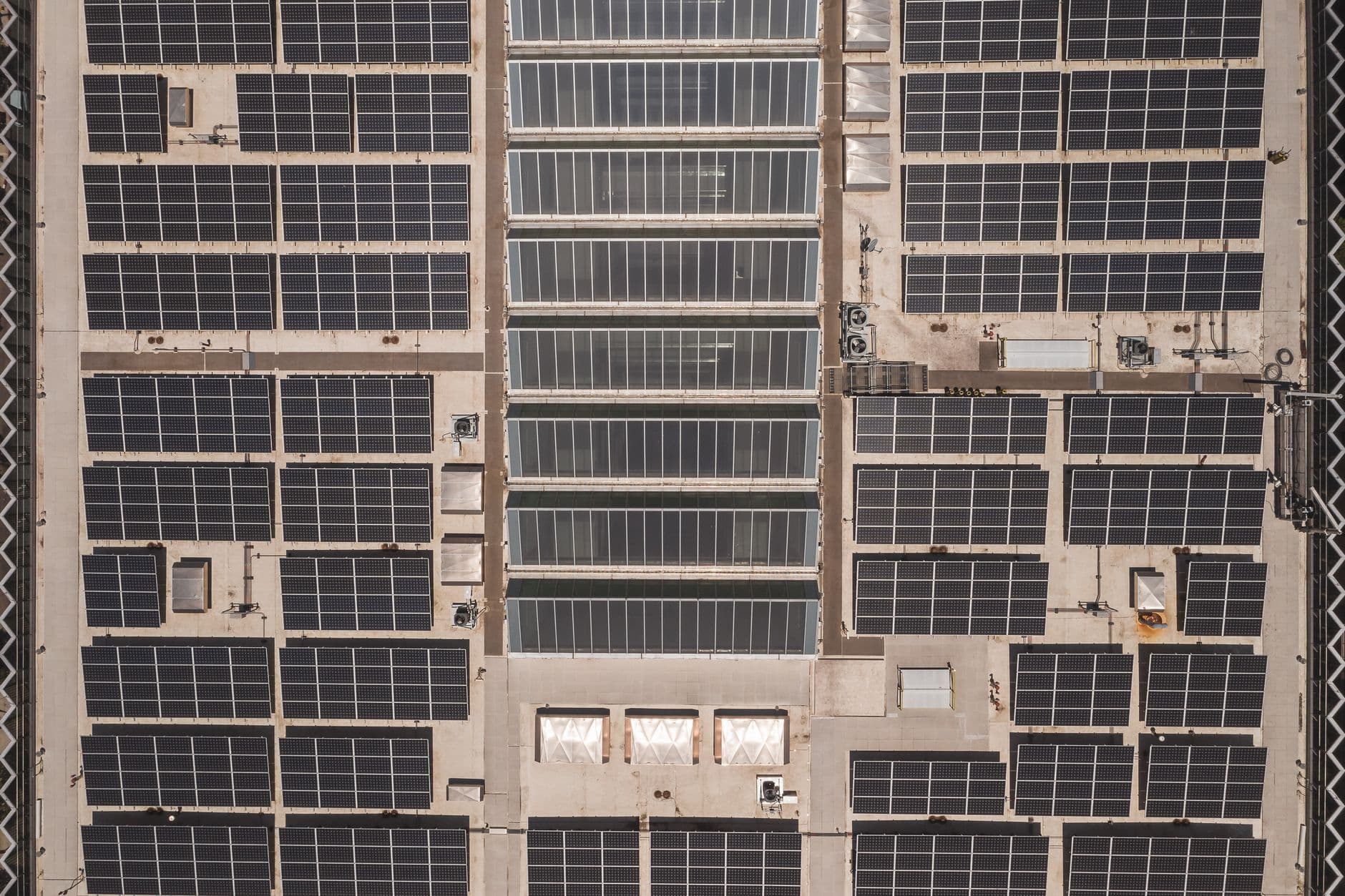
Ireland’s data centers must source 80% of power from on‑site renewables
Ireland’s Large Energy User Action Plan (LEAP) now forces any data centre larger than 10 MW to generate at least 80 % of its electricity from new on‑site solar or storage projects. The rule, announced in December 2025, is a direct response to data centres accounting for 23 % of the nation’s total electricity use in 2025 – a share that dwarfs most other sectors.
The LEAP requirement is not a voluntary target; it is a binding condition for the licensing of new high‑consumption facilities. Operators must submit a detailed renewable‑energy‑generation plan that proves they can meet the 80 % threshold before the grid connection is approved. The plan can combine solar photovoltaic (PV) arrays, battery storage, or a mix of both, but the emphasis is on solar because the Irish grid‑expansion programme earmarks billions for new solar capacity.
Grid build‑out underpins the renewable push
In December 2025 the Irish government unveiled an €18.9 billion (US$22.2 billion) investment package to upgrade the national electricity network through 2030. The package is designed to accommodate the surge in renewable generation, especially solar, that the government expects to see as the grid modernises.
Solar Ireland’s 2026 market outlook predicts that total connected solar capacity will exceed 3.3 GW by year‑end, a dramatic rise from the level at the start of the previous year. This growth is driven by a combination of utility‑scale solar farms and an expanding rooftop‑solar market, spurred by falling solar‑panel prices and streamlined permitting processes.
What 80 % on‑site solar looks like in practice
A 10 MW data centre consumes a large amount of electricity each year. To meet the 80 % renewable‑energy rule, the centre would need a substantial amount of on‑site solar capacity and accompanying storage. In practice this means installing tens of megawatts of PV and several megawatt‑hours of battery storage to smooth output and ensure the target can be met consistently.
Cost outlook for a data‑centre solar build‑out
The capital cost of installing the required solar and storage is significant, but the Irish government’s grid‑investment programme includes financial support mechanisms such as subsidies and low‑interest loans that can reduce the overall outlay. Moreover, generating power on‑site shields data‑centre operators from volatile wholesale electricity prices, providing long‑term financial stability.
What it means for Israel
Israel’s own renewable‑energy landscape shares several parallels with Ireland’s push. At a typical residential tariff of ₪0.48/kWh and a turnkey installation cost of ₪3,150/kWp, a 10 kW rooftop system yields about 17,000 kWh/year, worth roughly ₪8,160 annually. A much larger solar installation in Israel would generate a sizable amount of electricity and revenue under the residential tariff, illustrating the potential upside for large energy users.
For Israeli data‑centre operators, the Irish LEAP demonstrates how regulatory mandates can drive on‑site renewable adoption and lock in predictable energy costs. Israel’s own 30 % renewable‑electricity target for 2030 (and a 20 % interim goal for 2025) suggests that similar policies could emerge, especially as the country continues to expand its solar capacity.
Outlook: a solar‑powered data‑centre future
Ireland’s LEAP is a bold experiment that could reshape how data‑centres source power worldwide. If the grid‑expansion programme delivers the promised capacity and the cost of solar‑plus‑storage continues to fall, the 80 % on‑site renewable rule may become a benchmark for other high‑energy‑use sectors.
For now, data‑centre operators in Ireland are scrambling to design and finance massive PV‑plus‑battery projects, while the Irish government monitors the early‑stage compliance data. Success would prove that even the most power‑hungry digital infrastructure can be decarbonised, offering a template for nations like Israel that are seeking to balance rapid digital growth with ambitious climate goals.
What it means for Israel – A typical 10 kW home system in central Israel earns ≈₪8,160 per year at the residential tariff, paying back in ≈3.9 years.
For more on solar ROI calculations, visit our calculator and explore detailed market data at /data.
FAQ
Why is Ireland targeting 80% on‑site solar for data centres?
Data centres use 23% of Ireland’s electricity, so forcing them to generate most of their power on‑site cuts grid demand and speeds up national decarbonisation.
How much solar capacity does a 10 MW data centre need to meet the 80% rule?
About 53 MW of PV panels, based on Ireland’s average yield of ~1,200 kWh per kW per year.
What storage is required alongside the solar panels?
Roughly 16 MWh of battery storage, using a 0.3 MWh‑per‑MW PV ratio to smooth supply during low‑sun periods.
How much will the solar‑plus‑storage system cost?
Current European prices suggest €45 million for the panels plus €10–12 million for batteries, totalling €55–57 million.
Can Israeli data centres adopt a similar approach?
Yes – Israel’s renewable targets and solar economics make on‑site solar financially attractive, with a 53 MW farm potentially earning ~₪30 million a year.
What is the timeline for Ireland’s grid‑upgrade investment?
The €18.9 billion plan runs through 2030, aiming to support the rapid growth of solar capacity to over 3.3 GW by the end of 2026.
Share this post
More from Policy
6
Lebanon Fast‑Tracks Solar Up to 1.5 MW
Lebanon’s new interim rules let PV systems up to 1.5 MW bypass the Energy Ministry, shifting permitting and safety oversight to municipalities and engineers, a move that could speed up solar deployment across the country.
Plug‑in Solar Legal in 10 US States
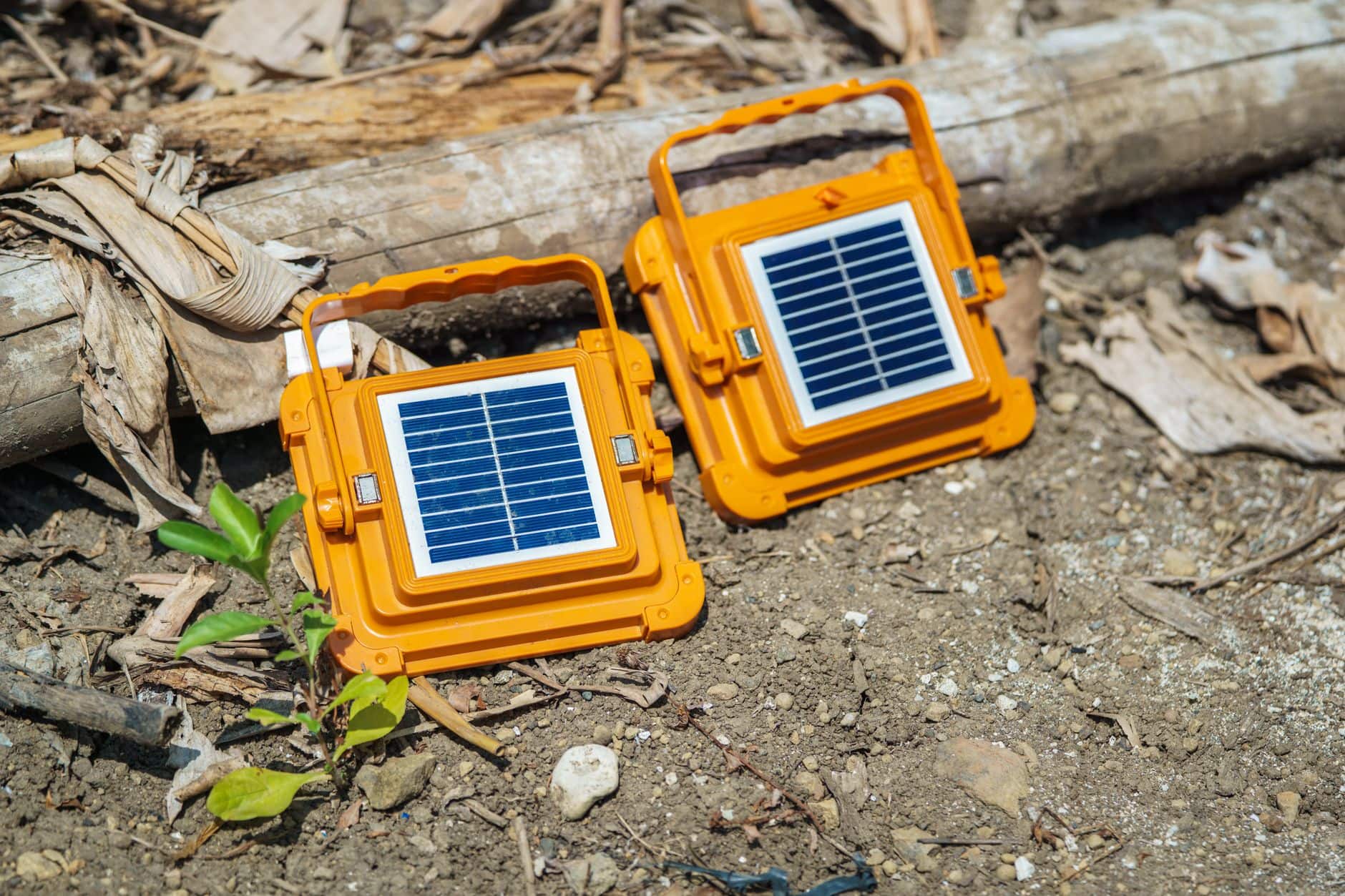
A wave of U.S. state legislation now permits plug‑in solar on balconies and patios, offering renters an affordable, portable power solution, while Israel’s typical 1 kW system can deliver notable savings and a payback period of about four years.
Romania Allocates €650M for Solar‑Storage
Romania will allocate €650 million to fully fund solar‑plus‑storage projects on public buildings, with up to €10 million per beneficiary and a deadline of 2029.
South Korea Sets Solar Committee Boost Industry
South Korea has formed a Solar Industry Competitiveness Committee to rebuild its domestic solar supply chain and target 56.2 GW of new capacity by 2030, with a focus on ≥35 % efficient tandem cells.
US Renewable Projects Face Record Opposition
The U.S. recorded a record 888 renewable‑energy restrictions in 2025, but new rules slowed to 70, while cancellations surged to 9.8 GW – the biggest single‑year loss on record.
France Calls for Thin‑Film Solar Recycling
France’s Soren has opened a call for thin‑film solar recyclers, prioritizing a 1,300‑tonne CdTe batch, with projected waste rising to 15,000 t by 2037.